



French Porcelain Portrait
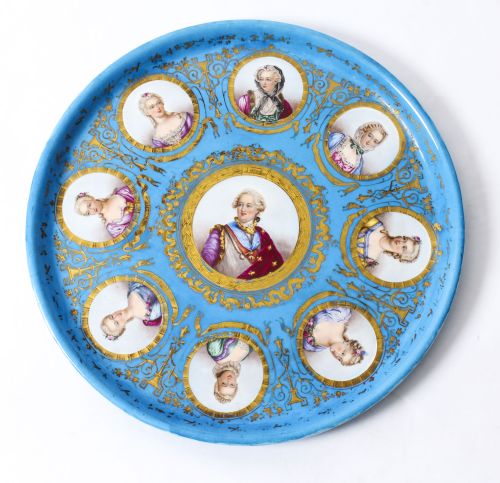
These french porcelain portrait pieces bring hand-painted royal likenesses and miniature scenes into your home on finely glazed ceramic.
French Porcelain Portrait
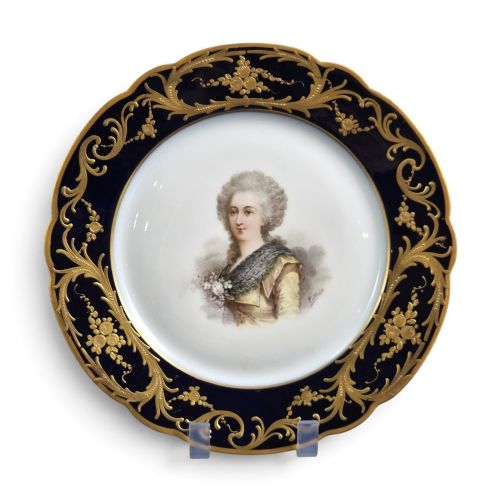
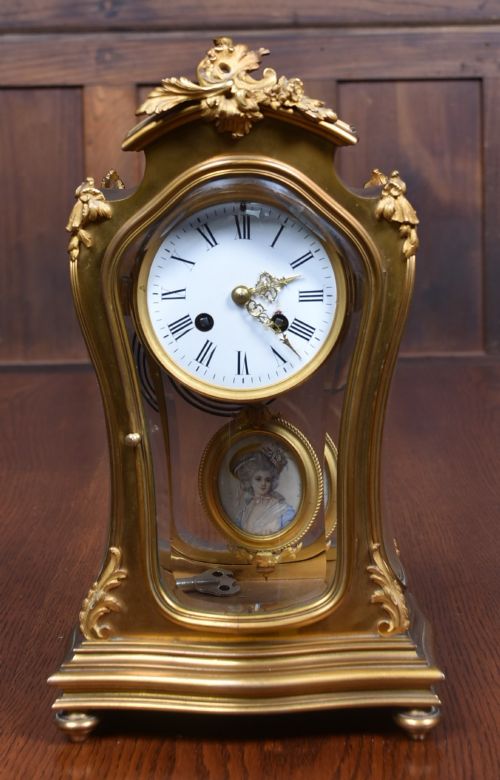
When you search for french porcelain portrait items, you encounter a range of decorative objects including cabinet plates, mantel clocks, wall sconces, and painted plaques. These pieces incorporate hand-painted ceramic likenesses mounted in gilt bronze, ormolu, or carved wooden frames.
The objects stem predominantly from the nineteenth century, spanning periods such as the French Bourbon Restoration, Victorian, Edwardian, and Belle Epoque eras. Styles lean heavily towards French Rococo Revival, Louis XVI Revival, and Neoclassical designs.
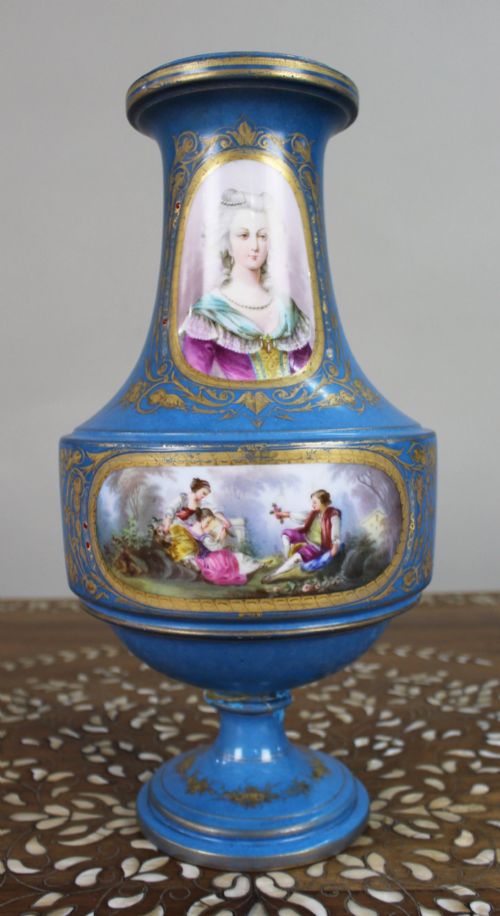
You are most likely to meet cobalt and bleu céleste plates, lidded vases, and trinket boxes bearing miniature depictions of historical figures like Marie Antoinette and Madame Élisabeth. Many items utilise Sevres-style ornamentation alongside brass and gold leaf detailing.
Materials and construction techniques
Makers utilised fine porcelain, bisque porcelain, and enamel surfaces as the ground for detailed miniature paintings. Artists applied mineral pigments by hand before firing the ceramics to achieve lasting colour and gloss.
Mountings and frames combine cast gilt bronze, ormolu, brass, and glass elements to house the ceramic plaques and dials. Guilds and workshops incorporated gold leaf highlights and carved wooden surrounds to complete the presentation.
Napoleon III, an Empress, and a Prince once gazed out together from a Staffordshire pottery group, bringing a miniature imperial court to the mantelpiece.
Distinctions in craftsmanship and execution
The finesse of the hand-painted miniature portrait separates standard decorative wares from superior examples. Master artists achieved subtle facial shading, precise linework, and lifelike expressions that lesser hands missed.
The quality of the metal mounts and frames dictates overall excellence. Heavily chased ormolu, solid gilt bronze, and substantial cast brass bezels indicate higher production standards than lighter, stamped metal components.
The French Porcelain Portrait Glossary
- Sevres-Style
- A descriptor for ceramics manufactured in imitation of the famous French royal porcelain factory. These pieces typically feature rich ground colours like cobalt or bleu céleste paired with elaborate gilding.
- Ormolu
- Finely ground high-carat gold applied to a bronze base using a mercury-gilding process, common in nineteenth-century French mountings. The technique creates a warm, enduring metallic lustre.
- Bisque Porcelain
- Unglazed white ceramic that has been fired once, prized for its matte finish and tactile surface detail. It mimics carved marble in portrait busts.
- Crystal Regulator
- A type of mantel clock featuring glass panels on all sides that reveal the internal movement. These often incorporate painted enamel dials and portrait plaques.
- Bleu Céleste
- A bright turquoise blue ground colour developed at the Sevres factory during the eighteenth century and revived in later nineteenth-century pieces.
French Porcelain Portrait: Frequently Asked Questions
What subjects appear on these porcelain portraits?
Portraits frequently depict historical figures and royals including Marie Antoinette, Madame Élisabeth, and Molière. Other pieces show idealized young women or aristocratic figures in period dress.
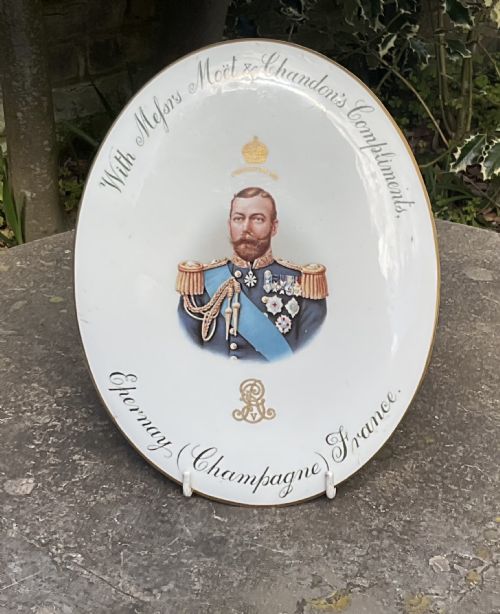
Artists also rendered specific rulers and dignitaries on commemorative plaques and cabinet plates. The subjects reflect a nineteenth-century fascination with French history and the Bourbon era.
How do I care for antique painted porcelain?
Clean surfaces gently with a dry or barely damp microfiber cloth to remove dust. Avoid using chemical solvents or abrasive cleaners that can damage the delicate hand-painted enamel and gold leaf.
Keep pieces away from direct sunlight to prevent the pigments from fading over time. Ensure that heavy mounted items like clocks and wall sconces are securely anchored to support their combined ceramic and bronze weight.
Are these items signed by artists?
Certain pieces feature artist signatures or studio ciphers painted directly into the miniature portrait composition. Signed works generally command greater interest from collectors due to the documented authorship.
Clock movements may also bear the stamp of the maker or retailer on the brass backplate. Unsigned pieces remain common and were often produced in specialised workshops without individual attribution.
How do I identify the period of a piece?
Examine the style of the mountings, the framing technique, and the palette of the porcelain colours. Nineteenth-century pieces frequently display revival aesthetics such as French Rococo or Louis XVI detailing.
Look for manufacturing marks or stamps on the reverse of the porcelain or within the clock mechanism. Comparing the painting style and frame construction helps narrow the date of manufacture.