



Framed Enamel Miniature
These framed enamel miniature pieces combine fine metalwork with delicate painting, offering a glimpse into portraiture and decorative art across past centuries.
Framed Enamel Miniature
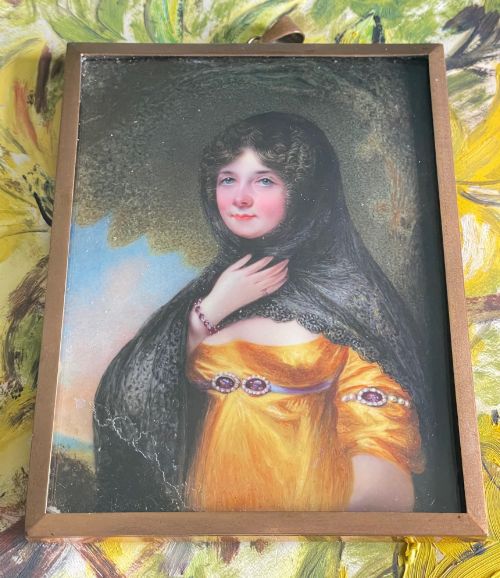
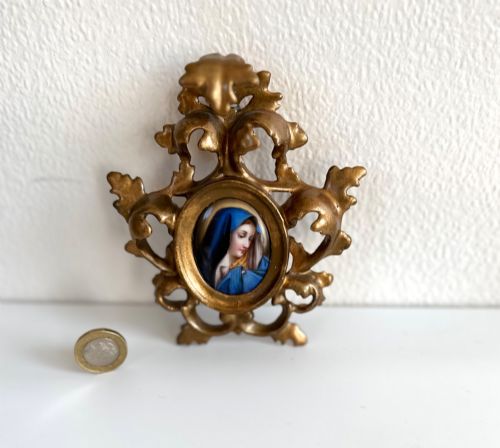
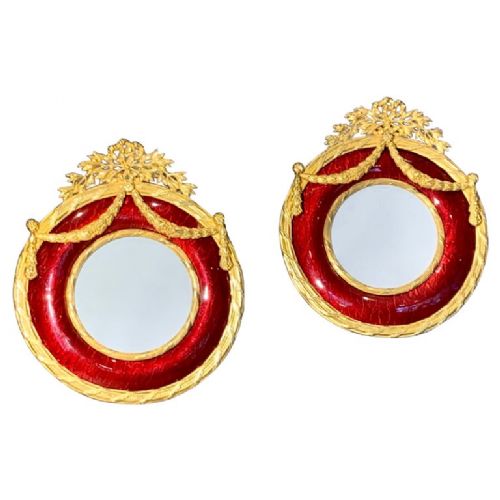
When you search for framed enamel miniature, you encounter a diverse group of objects spanning the eighteenth and nineteenth centuries, featuring both portraits and decorative scenes. These pieces include wall plaques, snuff box lids, table mirrors, and pendants housed in brass, gilt metal, wood, or ormolu frames.
The selection on this page shows works originating from periods such as the Georgian, Regency, and Victorian eras, alongside French and Renaissance revival styles. You will find rectangular and oval formats depicting figures ranging from specific historical individuals to classical subjects.
Portrait miniatures and wall art dominate the offerings, often created on copper or porcelain supports. The accompanying frames vary from simple wooden surrounds to ornate gilt bronze and ormolu mounts designed for display.
Assessing quality and execution
The sophistication of the framing contributes significantly to the overall merit of the object, with cast ormolu and detailed gilt bronze mounts representing higher craftsmanship than basic wooden surrounds. Maker attribution or documented provenance further elevates the standing of specific portraits.
The integration between the enamel plaque and its housing reveals the care taken during assembly, where top-tier examples maintain secure, original mountings that complement the artwork.
Sailors departing and returning found themselves immortalised in rectangular enamel splendour around eighteen hundred.
Horace Hone·Christian Friedrich Zincke·Henry Pierce Bone
The Framed Enamel Miniature Glossary
- Enamel
- A glassy substance fused to a metal or porcelain base through firing. It provides a smooth, colourful surface for detailed miniature painting.
- Ormolu
- Gilded bronze used widely for decorative mounts and frames during the eighteenth and nineteenth centuries. It adds a warm, bright metallic finish to the presentation.
- Portrait Miniature
- A small-scale painting capturing a likeness, typically executed on ivory, vellum, copper, or porcelain. These items were often worn as jewellery or displayed in private spaces.
- Pendant
- A piece of hanging jewellery suspended from a neck chain or ribbon. In this context, it refers to framed miniature portraits designed to be worn.
- South Staffordshire
- A regional centre of English enamel production known for small decorative items and plaque lids during the eighteenth century. Pieces from this area display distinctive colour palettes and copper-base construction.
Framed Enamel Miniature: Frequently Asked Questions
What are framed enamel miniatures?
These items are small painted works executed in vitreous enamel on metal or porcelain, typically mounted within protective decorative frames for wall or tabletop display.
They encompass portrait miniatures, decorative plaques, and functional items like snuff box lids dating from the eighteenth to the early twentieth century.
How were these pieces displayed historically?
Owners displayed them on walls as small plaques, placed them on tabletops using stands or specialised mirrors, or wore them as personal pendants.
Their compact size allowed for intimate viewing in private chambers or easy transport during travel.
How do I distinguish eighteenth-century pieces?
Eighteenth-century examples often originate from South Staffordshire workshops or feature specific portrait techniques associated with artists from that era.
Examination of the copper backing, frame style, and painting pigments helps separate these earlier works from later nineteenth-century revivals.
How do I care for an enamel miniature?
Keep the pieces away from direct sunlight and high humidity to protect the delicate pigments and metal mounts from degradation.
Dust the frames gently with a soft, dry cloth and avoid liquid cleaners on both the enamel surface and the surrounding metal.