




Painted Enamel Portrait
A painted enamel portrait captures likeness and pigment in vitreous glaze, offering collectors a tangible piece of centuries-old miniature art.
Painted Enamel Portrait
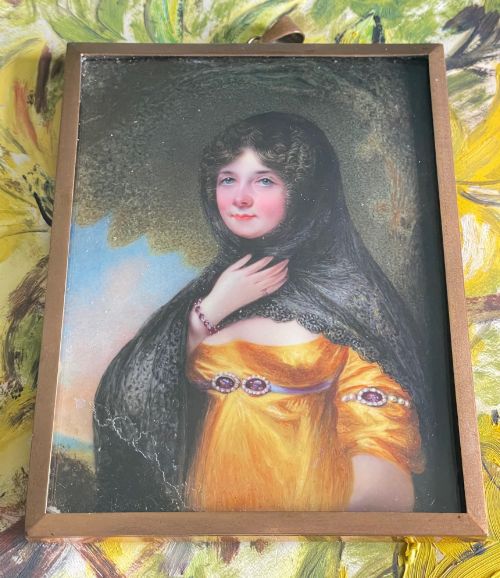
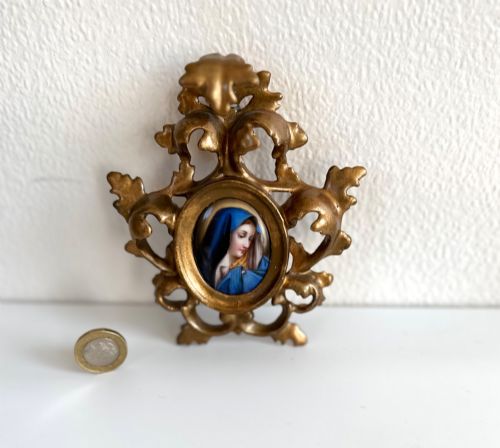
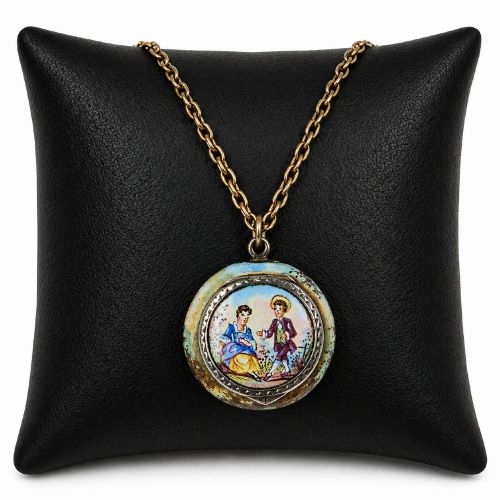
When you search for a painted enamel portrait, you look at miniature likenesses rendered in vitreous paste across various objects. These pieces appear frequently as framed wall art, personal jewellery such as lockets and brooches, and small decorative boxes.
The selection ranges across the eighteenth, nineteenth, and early twentieth centuries, encompassing Georgian, Victorian, and Edwardian periods. Common formats include oval plaques, pendant mountings, and portrait miniatures.
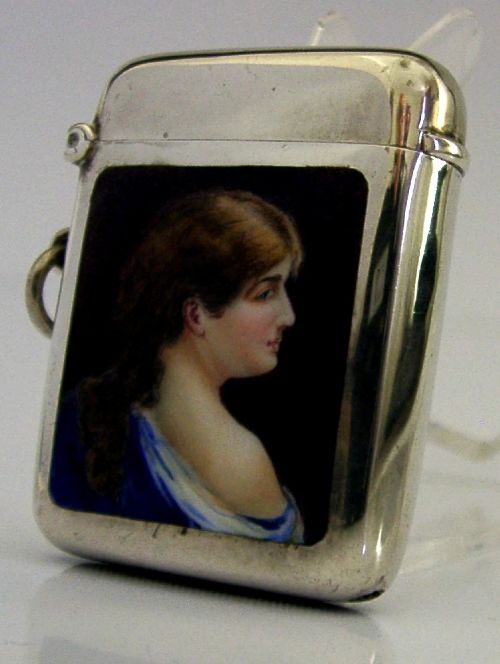
Origin points span English, French, and Viennese workshops, incorporating styles from Regency to French Rococo Revival. Buyers encounter standalone plaques alongside practical items like vesta cases and mantle clocks featuring hand-painted likenesses.
Materials and Technique
Craftsmen typically applied vitreous enamel pigments onto copper or porcelain bases before firing the pieces in a kiln to fuse the glass-like surface. Gold, silver, and gilt metal mounts often frame these painted panels, sometimes accented with pearls.
The painting technique requires precise brushwork with mineral oxides that retain their colour through high-temperature firing. Secondary materials like glass, wood, and brass appear in associated frames, tie-backs, and clock housings.
The listings combine copper, gold, silver, and porcelain supports across Georgian, Victorian, and Edwardian items.
Assessing Quality
The choice of mounting metal contributes significantly to the overall standard of the object. Solid gold and substantial silver settings indicate higher workshop ambition than base gilt metal.
Henry Bone ARA·Horace Hone·Christian Friedrich Zincke·Henry Pierce Bone
The Painted Enamel Portrait Glossary
- Enamel
- A glassy substance fused to a metal or porcelain substrate by firing at high heat. This durable medium preserves painted miniature details without fading.
- Portrait Miniature
- A small-scale likeness created on a portable support such as ivory, vellum, copper, or enamel. These works were often designed to be worn or kept in private spaces.
- Vesta Case
- A small pocket box intended for holding matches, frequently ornamented with hinged lids and decorated panels. Enamel portraits sometimes adorn the front surfaces of these silver containers.
- Plaque
- A flat ornamental plate, often oval or rectangular, designed for mounting into frames, furniture, or jewellery. Enamel plaques showcase detailed figural painting.
- Limoges
- A French city renowned for its enamel and porcelain production over several centuries. Pieces originating from these workshops often feature distinctive painterly compositions on copper or porcelain.
Painted Enamel Portrait: Frequently Asked Questions
What periods do these portraits cover?
The inventory spans the eighteenth century through to the early twentieth century, taking in Georgian, Regency, Victorian, and Edwardian eras.
Pieces range from early eighteenth-century Limoges plaques to Edwardian silver and gold jewellery creations.
How were these miniature portraits displayed?
Many were mounted as pendants, brooches, or lockets designed to be worn close to the body as sentimental love tokens.
Others appear as framed wall art, decorative porcelain boxes, or incorporated into functional objects like vesta cases and clocks.
What metals support the enamel panels?
Base foundations commonly include copper and porcelain, which withstand the intense heat required to fuse glass enamels.
Mountings and frames frequently utilise gold, sterling silver, gilt metal, and brass.
Are all the portraits painted by named artists?
Certain examples bear attribution to notable enamelists such as Henry Bone or Horace Hone, recording their historical execution.
Many other pieces depict named or unnamed sitters created by workshop artists whose specific identities remain unrecorded.