

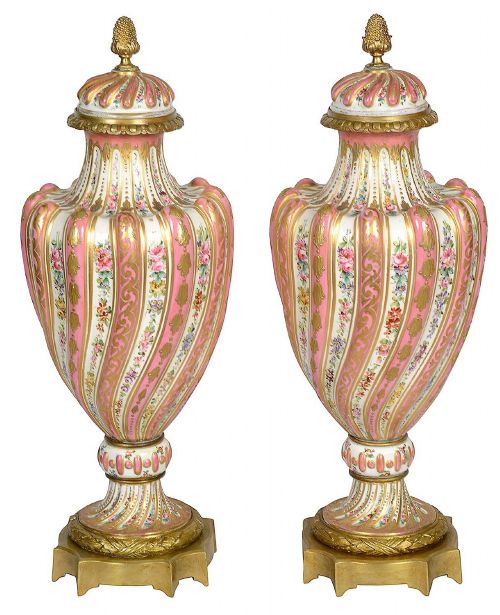


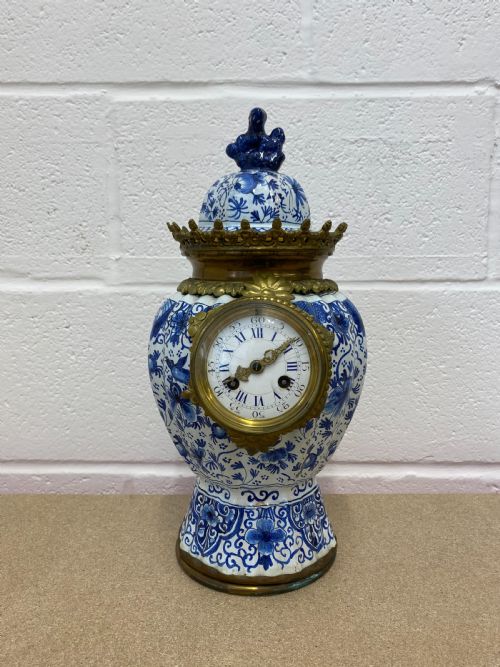
French Porcelain Lidded Jar
A french porcelain lidded jar brings decorative elegance and refined continental craftsmanship into a room, offering both practical storage and striking visual presence.
French Porcelain Lidded Jar
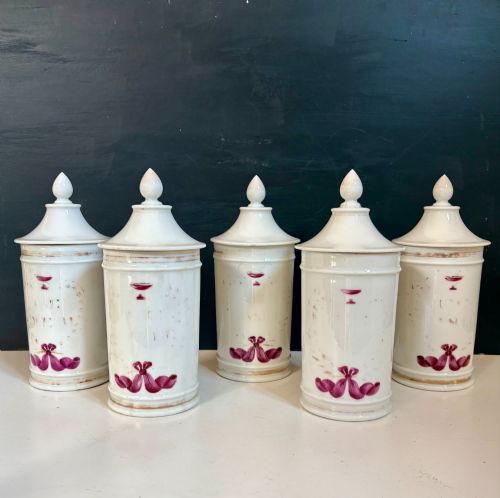
When you search for a french porcelain lidded jar, you uncover covered vessels ranging from 19th-century decorative urns and apothecary jars to smaller trinket and powder boxes. The selection spans distinct eras, moving from ornate nineteenth-century revivals through to clean-lined Art Deco powder bowls.
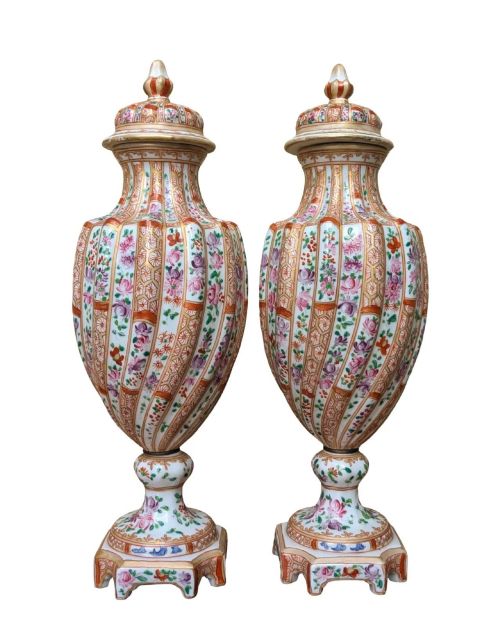
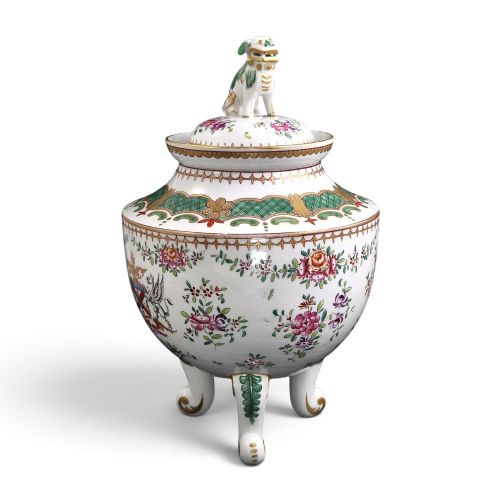
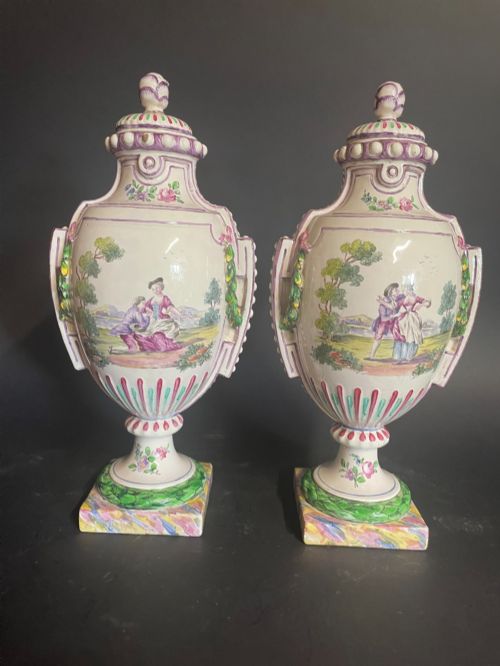
You are most likely to encounter nineteenth-century pieces finished in elaborate Sevres styles or Samson copies alongside later twentieth-century Limoges ceramics. These objects frequently combine fitted lids with painted decoration, gilding, and metal mounts.
The functional forms vary from large decorative vases with covers intended for display to intimate bonbonnières and dressing table boxes. Their origins stretch across French workshops and factories that drew inspiration from Chinese export wares, Japanese Imari, and traditional European florals.
How they were made
Makers shaped these objects using porcelain, ceramic, and faience bodies finished with smooth glazes and hand-painted or enamelled decoration. Artisans then applied gold leaf, ormolu, gilt metal, or brass mounts to accentuate rims, bases, and covers.
Firing techniques allowed for intricate polychrome enamel work and armorial designs, often imitating earlier Chelsea or Asian aesthetics. Metal mounts were subsequently cast and fitted by hand to secure the lids and elevate the presentation of the ceramic bodies.
French Porcelain Lidded Jar Retail Price Guide 2026
Typical asking prices for french porcelain lidded jar among the pieces listed under this phrase on Sellingantiques today, from the lower quarter to the upper quarter. They describe what is for sale here now, not the wider market.
Several lidded vessels are specifically designed to hold face powder or sweet bonbons, preserving small luxuries of the dressing table.
What varies in quality
The distinction between average and exceptional pieces rests in the execution of the hand-painting, the crispness of the porcelain moulding, and the weight of the metal mounts. Superior examples display finely detailed brushwork on exotic birds, armorials, or floral motifs without blurring or pooling in the glaze.
Quality also shows in the precision with which lids fit their vessels and the richness of the gilding or ormolu work. Finer nineteenth-century and art deco specimens maintain intact enamels and securely seated mounts that reflect the higher skill of the atelier.
Samson Paris·Limoges
The French Porcelain Lidded Jar Glossary
- Ormolu
- Gilded bronze or brass mounts applied to furniture and porcelain. This technique creates metallic highlights that frame the ceramic body.
- Faience
- Tin-glazed earthenware produced across France and Europe. It offers an opaque white surface suitable for painted decoration.
- Bonbonniere
- A small decorative box designed to hold sweets or confections. These lidded containers often sit upon dressing tables or mantelpieces.
- Famille rose
- A palette of Chinese ceramic enamels dominated by opaque pink. European factories frequently borrowed this coloration for their own decorative wares.
- Armorial
- A design featuring a coat of arms or heraldic crest. Such motifs appear hand-painted on porcelain made for prominent families.
French Porcelain Lidded Jar: Frequently Asked Questions
What were lidded porcelain jars used for?
These covered vessels served multiple domestic functions ranging from storing medicinal ingredients in pharmacies to holding powders and confections on dressing tables.
Larger specimens functioned primarily as decorative urns and vases designed to enhance the visual appeal of grand nineteenth-century interiors.
How do I identify a nineteenth-century piece?
Nineteenth-century examples often display characteristic revival styles such as French Rococo, Chinoiserie, or Sevres-inspired hand-painted scenes with heavy gilding.
Examining the base, the style of the hand-painting, and any associated metal mounts helps connect the object to Victorian or Edwardian production periods.
What is the difference between porcelain and faience?
Porcelain is a hard, vitrified ceramic fired at high temperatures to produce a dense, non-porous white body that rings when struck.
Faience is tin-glazed earthenware that has a more porous structure and an opaque glaze layer beneath the painted decoration.
How should I care for antique porcelain with metal mounts?
Dust these objects gently with a soft, dry cloth to prevent accumulation in crevices around the lids and mounts.
Avoid using liquid cleaners or polishes on the porcelain or gilt metal, as harsh chemicals can damage fragile enamels and original gilding.