


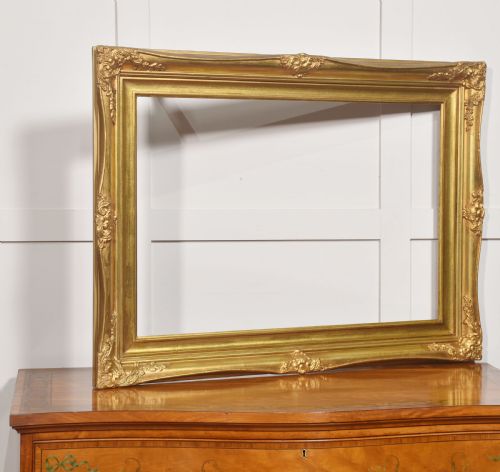


French Picture Mirror
These french picture mirror examples combine the painted canvas and reflective glass of the nineteenth century in a single hanging frame.
French Picture Mirror
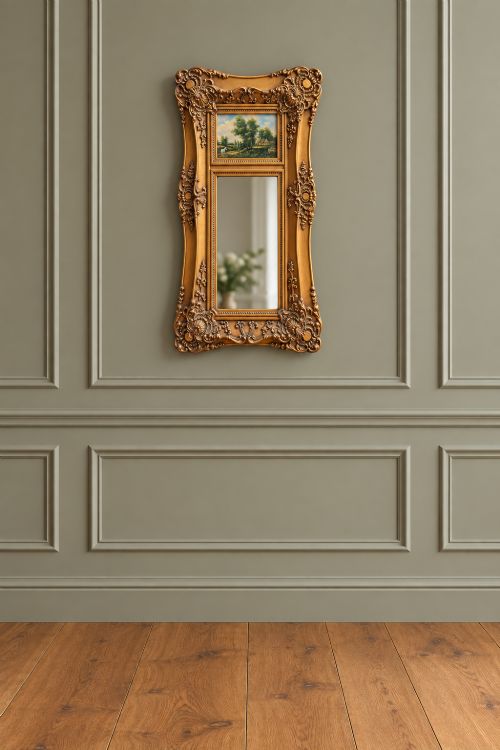
A french picture mirror merges a painted scene with a traditional looking glass inside a single decorative housing. Buyers encountering these pieces will find wall hung trumeau formats featuring oil paintings alongside standard wall mirrors and picture frames.
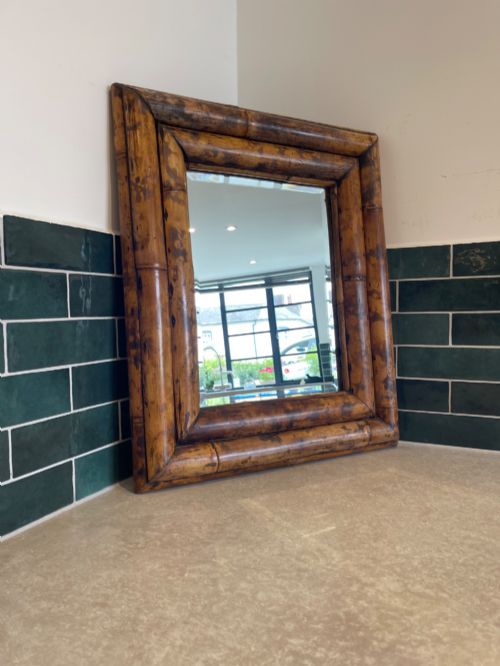
The selection spans periods from the seventeenth century through to the early twentieth century, taking in styles such as Rococo revival and French Chateau. Forms range from large overmantle pieces and pier mirrors down to smaller table mirrors and vanity sets.
Materials and construction methods
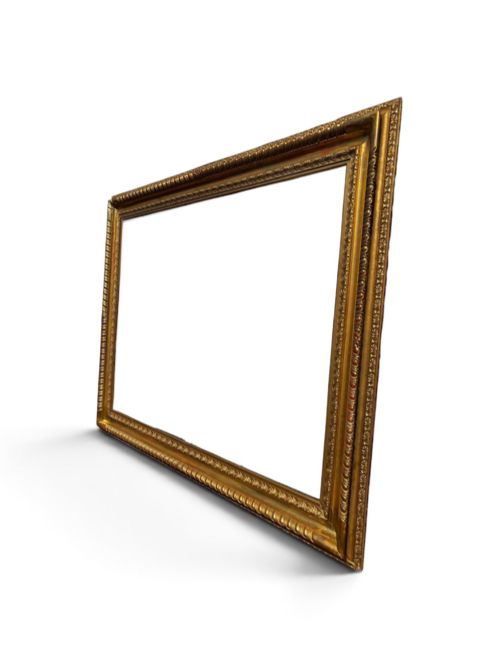
Carpenters formed the structural bodies from timber and wood, applying surface ornament using gesso and gold leaf to create giltwood finishes. Some iterations incorporate gilt bronze elements alongside canvas supports for oil paintings.
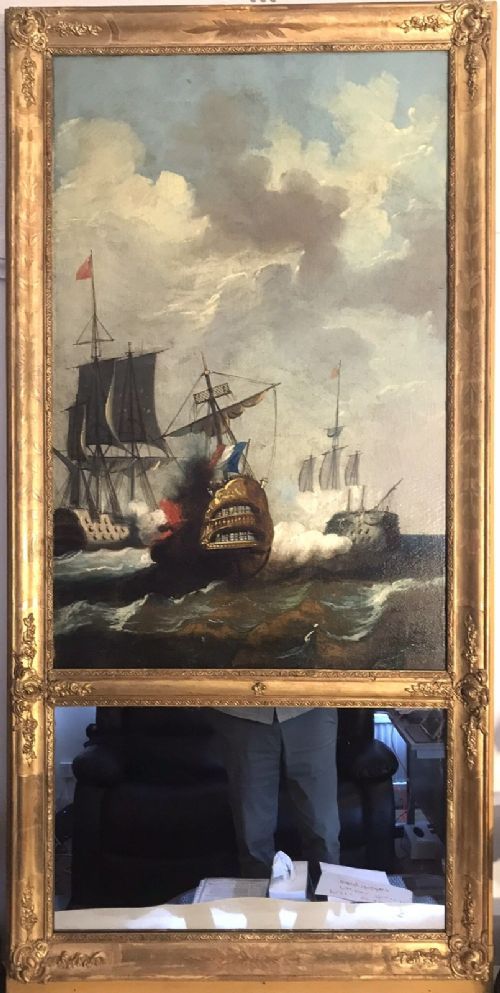
Makers applied carved floral motifs and lion heads directly to the wooden frames before finishing the surfaces with gold. Glass panels were fitted alongside oil paintings of maritime scenes or landscapes within the same timber housing.
Galleons sail across canvas panels nestled directly above nineteenth century looking glasses.
Evaluating quality and execution
The sophistication of the hand carving separates standard framing from superior examples, particularly where floral reliefs or figural elements meet the timber corners. Deeper gesso layers and crisper gilding show greater care in the workshop.
The integration of the oil painting with the glass plate dictates the success of a trumeau piece, alongside the clarity of the original or replaced mirror glass. Intricacy in brass or gilt bronze mounts also raises the standard of the work.
The French Picture Mirror Glossary
- Trumeau mirror
- A decorative wall mirror that incorporates an oil painting or panel artwork within its upper wooden frame. These pieces often hung above mantelpieces in grand interiors.
- Giltwood
- Timber that has been coated with a thin layer of gold leaf over a prepared base. This material defines the bright reflective surfaces seen on nineteenth century frames.
- Gesso
- A plaster mixture applied to wood frames to create a smooth surface for subsequent gilding and carving. Craftsmen sculpted fine decorative details into this material before applying gold leaf.
- Rococo revival
- A nineteenth century design style reviving the asymmetrical scrolls and floral motifs of the eighteenth century. This aesthetic appears frequently on flamboyant wall mirrors.
- Pier mirror
- A tall wall glass designed to hang on the narrow wall space between windows. These tall rectangular pieces maximised light in period rooms.
French Picture Mirror: Frequently Asked Questions
What is a french picture mirror?
A french picture mirror combines a reflective glass plate with an oil painting set into a unified wooden frame.
These hybrid objects served both decorative and practical functions in period interiors.
How do you hang a heavy trumeau mirror?
Heavy giltwood trumeau pieces require secure wall anchors fixed directly into structural timber or masonry.
Professional mirror hangers utilise split battens or heavy duty brackets to distribute the weight evenly.
Are the paintings on these mirrors original?
Many trumeau mirrors retain their original canvas oil paintings depicting landscapes or maritime scenes.
Some pieces have undergone later canvas replacements or mirror glass updates during conservation work over the centuries.
How do I identify a Rococo revival frame?
Rococo revival frames display characteristic asymmetrical C-scrolls, shell motifs and abundant carved floral ornament.
These nineteenth century interpretations draw upon earlier French design traditions with exuberant surface relief.