


Antique French Maritime Art
Antique French maritime art encompasses evocative coastal scenes, ship models and nautical paintings that bring the historic spirit of the sea into your home.
Antique French Maritime Art
When you search for antique french maritime art, you encounter a diverse selection of oil paintings, watercolours, sculptures and decorative objects spanning the nineteenth and twentieth centuries.
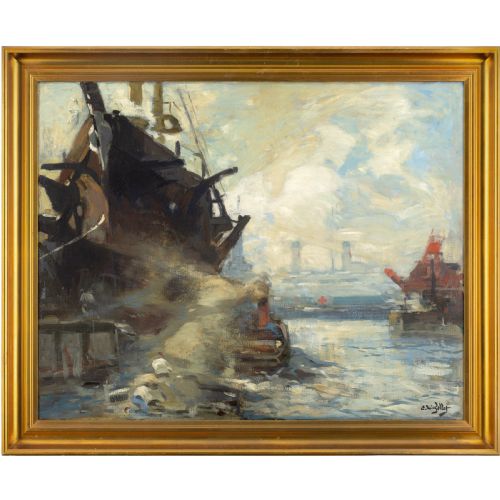
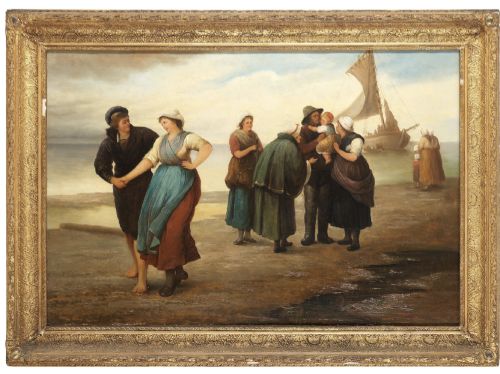
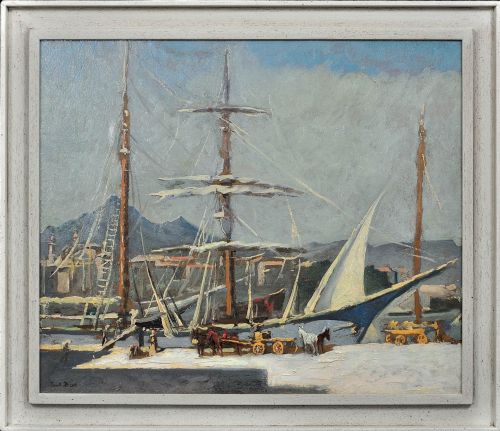
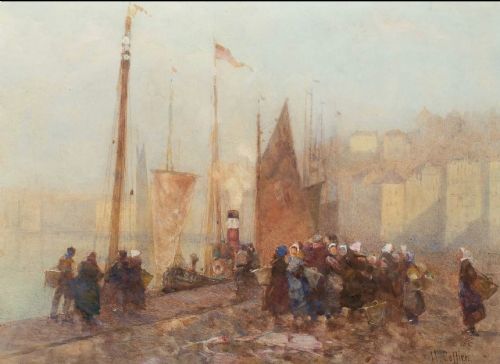
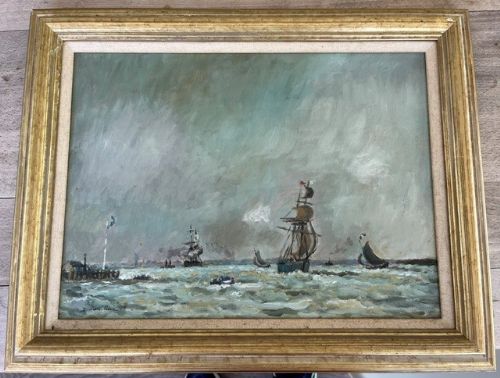
The most common pieces on this page are coastal oil paintings and harbour scenes capturing ports from Brittany to the French Riviera by various regional schools.
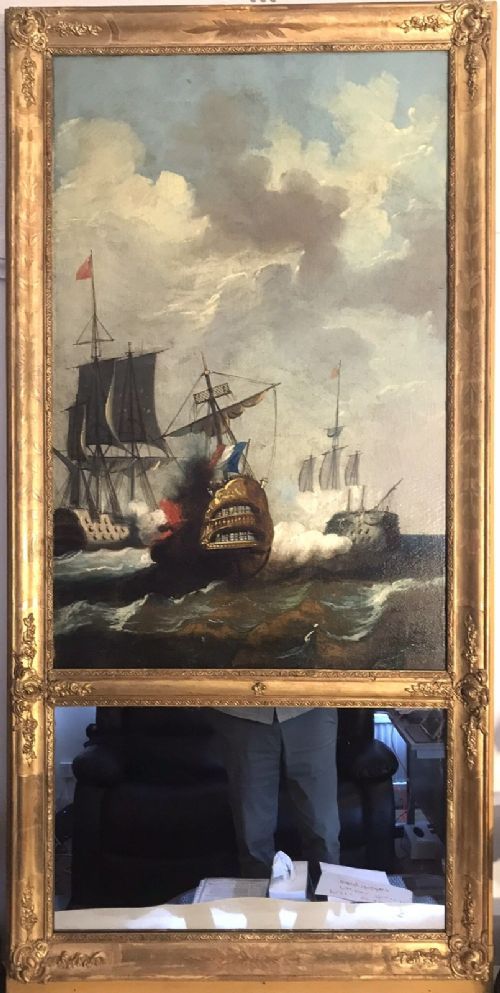
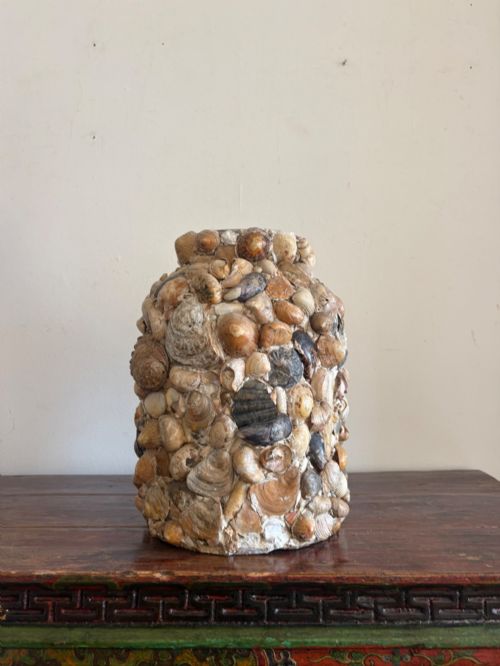
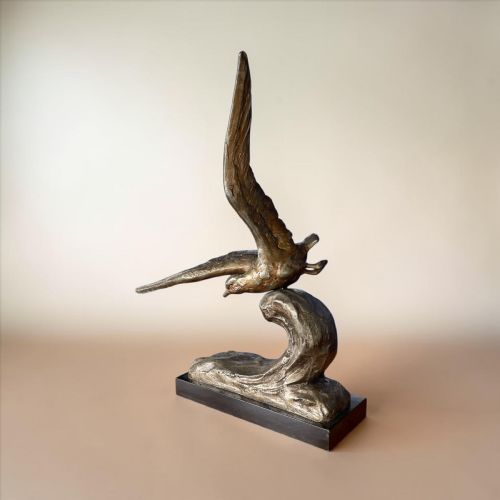
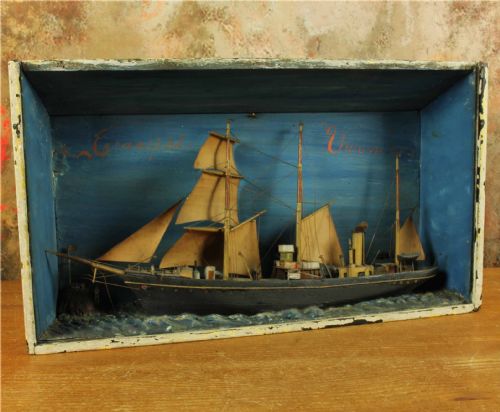
Beyond flat works, the selection includes detailed ship dioramas, carved wooden yacht models, trumeau mirrors with inset seascapes and folk art shell-decorated vessels.
Materials and Construction
Painters utilised oil on canvas or board, watercolour and gouache, often applying pigment with impressionist or post-impressionist brushwork to capture coastal light.
Three-dimensional pieces combine natural woods such as sycamore, metal, glass and intricately arranged seashells mounted on marble or housed in glazed display boxes.
One nineteenth-century sailor expressed his devotion through an intricate seashell figure, preserving a tiny handmade monument to the sea.
Evaluating Quality
Quality rests upon the handling of light and atmosphere in paintings, where skilled tonal balance separates masterworks from standard student studies.
In sculptural pieces and dioramas, precision in rigging, maritime accuracy and the complexity of handmade structural details determine the tier of craftsmanship.
Eugène-Louis Gillot·Hector Caffier·Paul Delvaux·Louis Suire·Jean-Baptiste Olive·William Lee Hankey·Armand Guillaumin·Edward Henry Holder·Charles Euphrasie Kuwasseg·Henri Ottman·Henri Cadiou
The Antique French Maritime Art Glossary
- Seascape
- A work of art depicting the sea, ships or coastal views. These subjects range from calm harbour moorings to dramatic open ocean scenes.
- Diorama
- A three-dimensional scene housed in a shallow box with a painted backdrop. Nautical examples typically contain a detailed miniature model of a ship.
- Trumeau
- A decorative wall mirror featuring an oil painting set into the upper wooden panel. French examples frequently pair mirrors with coastal or maritime imagery.
- Gouache
- An opaque water-based paint that dries to a matte finish. Artists often use it alongside watercolour to create dense passages of colour and light.
- Plein air
- The practice of painting outdoors to capture direct natural light and atmospheric conditions. This method became central to nineteenth-century French landscape artists.
Antique French Maritime Art: Frequently Asked Questions
What subjects do these maritime pieces typically depict?
The works focus heavily on French coastal life, featuring bustling fishing ports in Normandy and Brittany alongside sunlit Riviera harbours.
You will also find detailed depictions of galleons, ironclad battleships and recreational yachts navigating coastal waters.
How were nineteenth-century ship dioramas constructed?
Craftsmen carved miniature boat hulls from wood and fashioned delicate rigging using thread, wire and paper elements inside glazed wooden boxes.
Sailors or local artisans often built these as sentimental tributes to specific vessels or personal sea voyages.
How do I style antique maritime paintings in a modern interior?
Coastal oil paintings and watercolours pair well with neutral walls where their historic brushwork and atmospheric colour palettes can stand out.
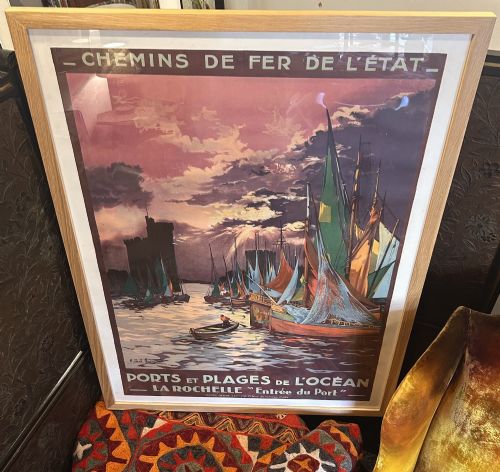
Framed works like railway posters or harbour scenes also anchor the decor of sunrooms, studies or hallways.
What is the difference between a seascape and a landscape on this page?
A seascape specifically focuses on the ocean, shoreline or marine vessels as the primary subject of the composition.
Landscapes listed here occasionally incorporate coastal elements, but seascapes place the water and maritime activity at the centre of the view.