





French Pendulum Shelf Clock
A french pendulum shelf clock brings mechanical precision and classical elegance into a room, featuring decorated brass, marble, and gilt bronze.

French Pendulum Shelf Clock
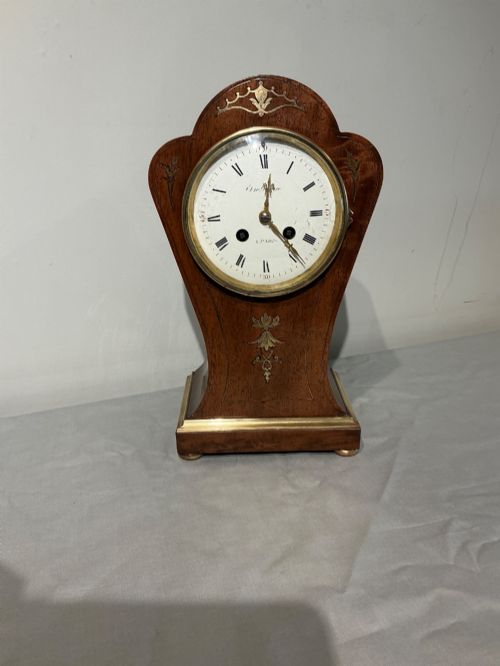
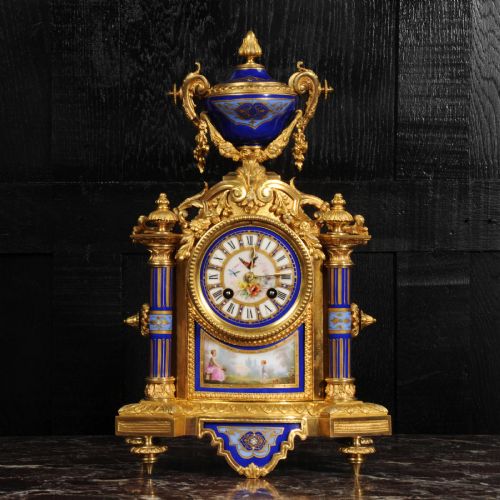
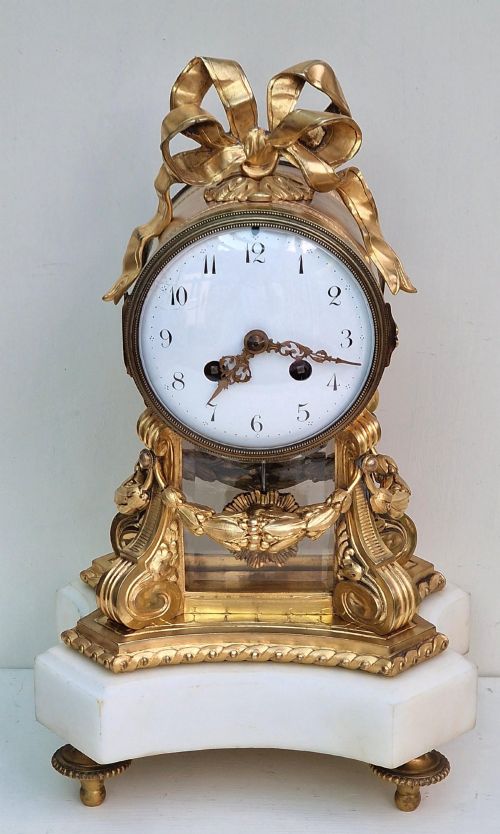
A french pendulum shelf clock is primarily encountered as a mantel or bracket timepiece originating from the nineteenth century. These items combine timekeeping utility with elaborate ornamental styles such as Louis XVI, French Rococo Revival, and Directoire. Examples range from simple slate designs to ornate pieces incorporating porcelain panels and glass enclosures.
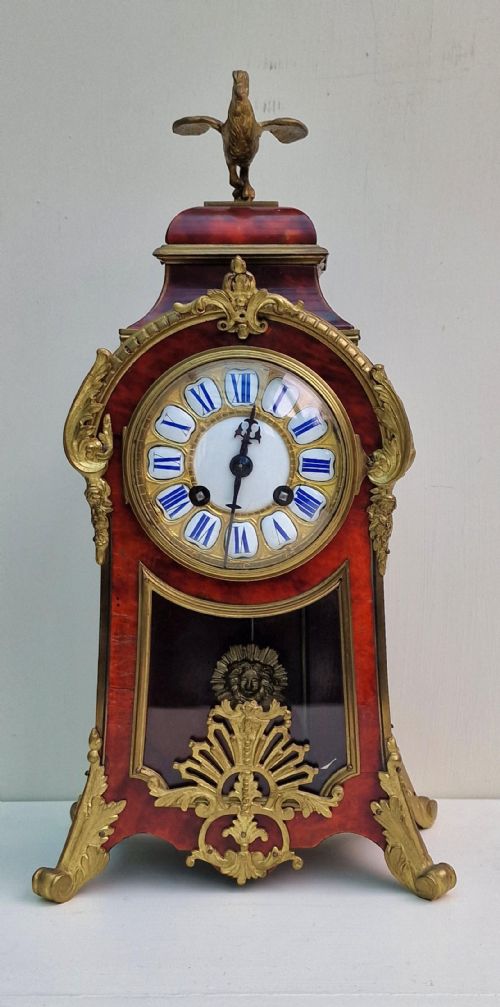
Makers and clockmakers of the period housed eight day movements inside cabinets constructed from marble, mahogany, rosewood, and tortoiseshell. Most surviving items date from the Victorian era up to around nineteen hundred, reflecting diverse aesthetic revivals popular across France and Britain. Buyers typically find mantel clocks mounted on feet or plinths designed to sit prominently on a shelf or sideboard.
Materials and construction
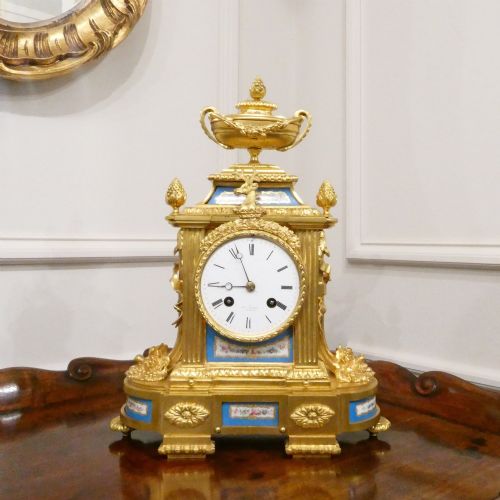
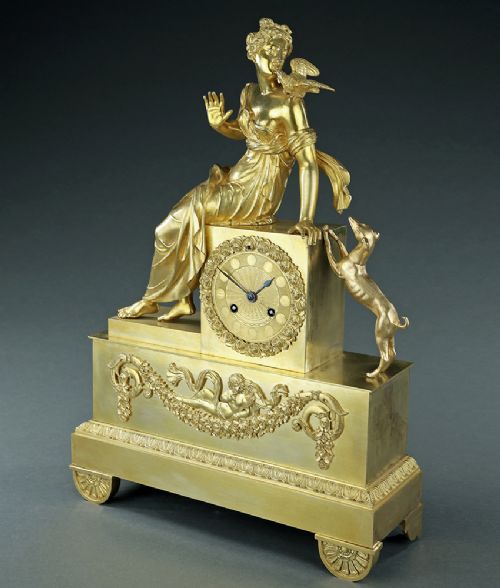
Metals form the structural core of many items, utilising heavy ormolu, gilt bronze, brass, and black slate alongside glass panels for crystal regulators. Skilled artisans cast these metals into elaborate scrollwork, architectural porticos, and figurative motifs before applying fire gilding or patination. Enamel dials often feature delicate hand-painted numerals and minute markers.
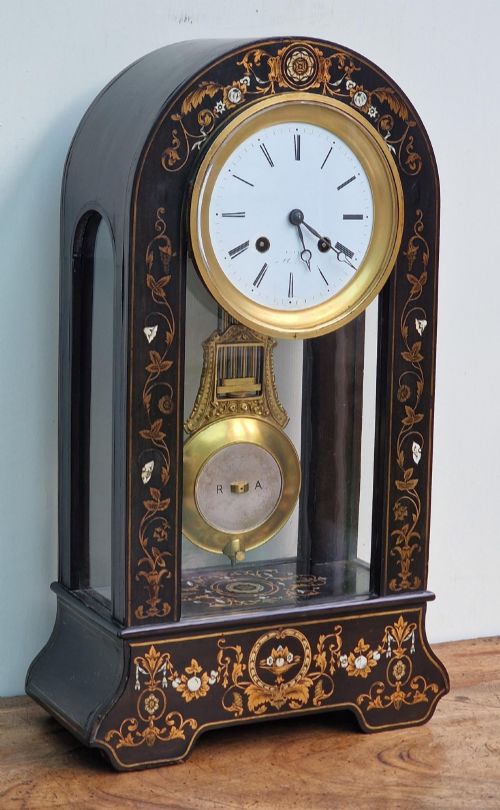
Cabinetmakers constructed wooden housings from mahogany and rosewood, incorporating intricate marquetry inlay and carved details. Marble cases, particularly red and white varieties, were cut and polished to support heavy bronze mounts and porcelain plaques sourced from manufactories like Sevres. Movements relied on brass gear trains driven by pendulums and controlled by escapements.
French Pendulum Shelf Clock Retail Price Guide 2026
Typical asking prices for french pendulum shelf clock among the pieces listed under this phrase on Sellingantiques today, from the lower quarter to the upper quarter. They describe what is for sale here now, not the wider market.
Certain nineteenth century models combined timekeeping with internal thermometers to monitor parlour temperatures.
Factors determining quality
The sophistication of the casting and the crispness of the chased detail separate standard production items from exceptional workshop output. Superior pieces display deeply reliefed gilt bronze or ormolu mounts with sharply defined foliage and figures, whereas lesser examples exhibit softer, shallower casting marks.
Japy Freres·Henry Marc·Samuel Marti·Delettrez·Philippe H Mourey
The French Pendulum Shelf Clock Glossary
- Ormolu
- Finely ground high-carat gold applied to a bronze base using a mercury amalgamation technique, creating a durable golden surface.
- Crystal regulator
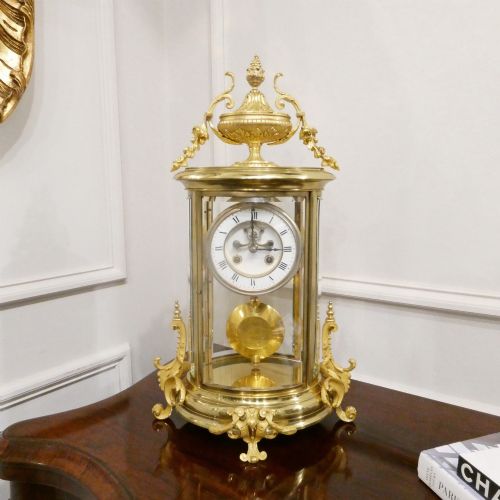
- A timepiece enclosed in glass panels on four sides, allowing a clear view of the suspended pendulum and intricate brass movement.
- Portico clock
- A mantel clock designed with architectural columns supporting a central housing, reminiscent of classical temple facades.
- Marquetry
- Decorative woodwork where thin slices of different coloured veneers are arranged in precise geometric or pictorial patterns on the clock case.
- Movement
- The internal mechanical assembly of gears, springs, and escapements that powers the clock and drives the striking mechanism.
French Pendulum Shelf Clock: Frequently Asked Questions
How do I wind an eight day movement?
Use the appropriate key on the winding arbors located on the dial face, turning gently until resistance is felt.
Avoid over-winding the mainsprings to prevent internal mechanical damage.
What is a crystal regulator clock?
A crystal regulator is a timepiece featuring glass panels on all sides to display the inner mechanism.
These designs often include a visible mercury or compensated pendulum swinging inside.
How do I set the pendulum?
Ensure the clock rests on a completely level surface before starting the pendulum swing.
Adjust the regulation nut on the pendulum rod up or down if the timekeeping runs fast or slow.
Which styles are most common?
Victorian and Louis XVI revival styles dominate nineteenth century production.
These incorporate gilt bronze, marble, and porcelain elements reflecting classical architectural motifs.