


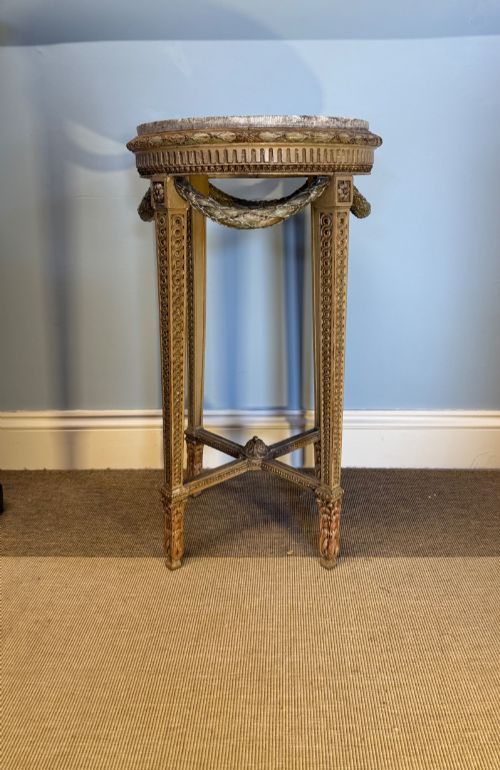
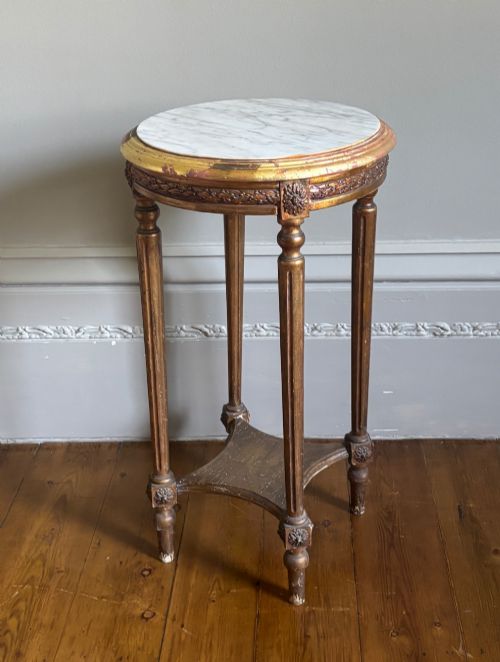
French Pedestal Stand
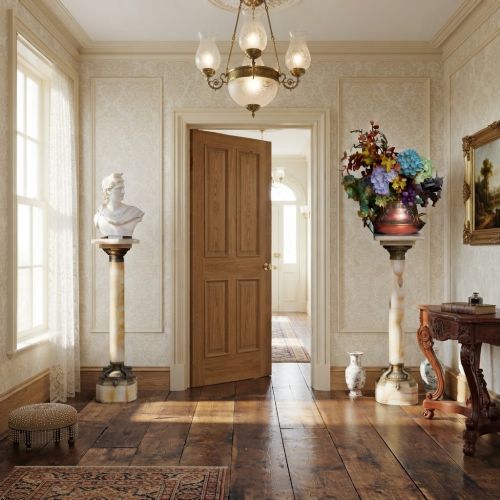
A french pedestal stand raises a bronze, bust or plant to eye level, bringing continental height and balance into a room.
French Pedestal Stand
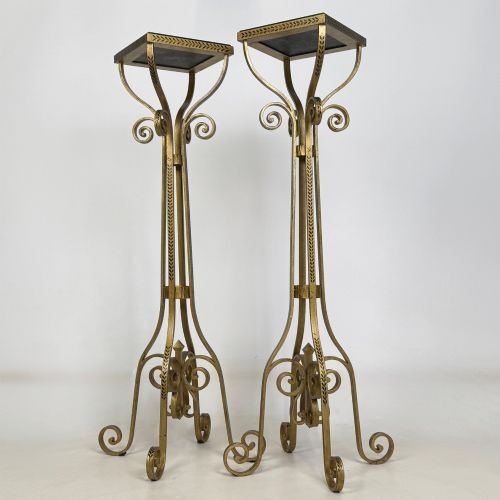
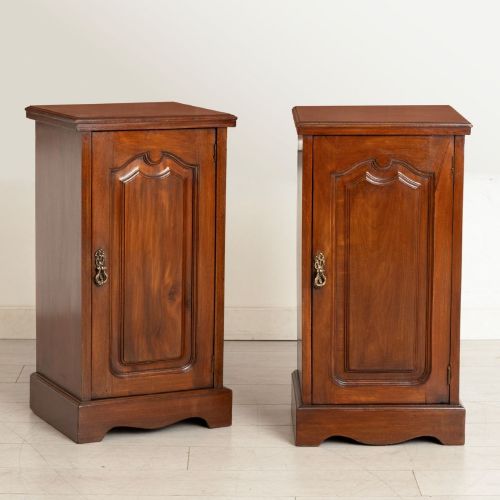
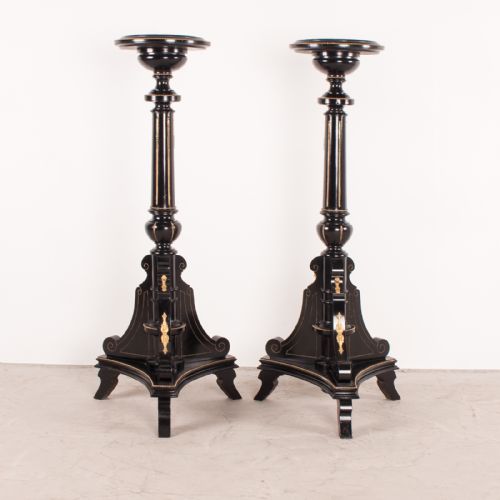
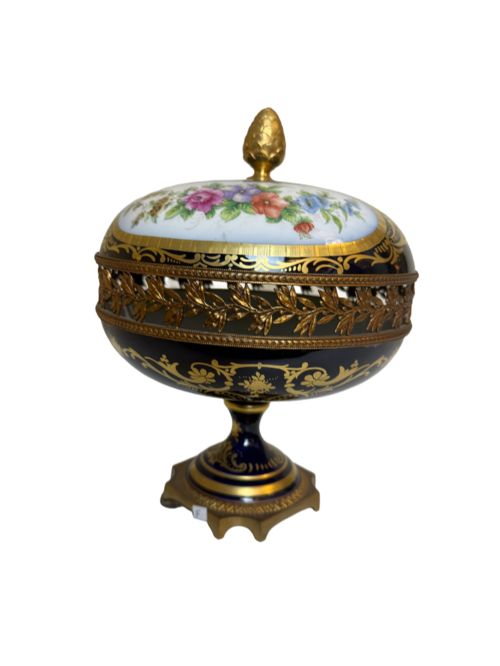
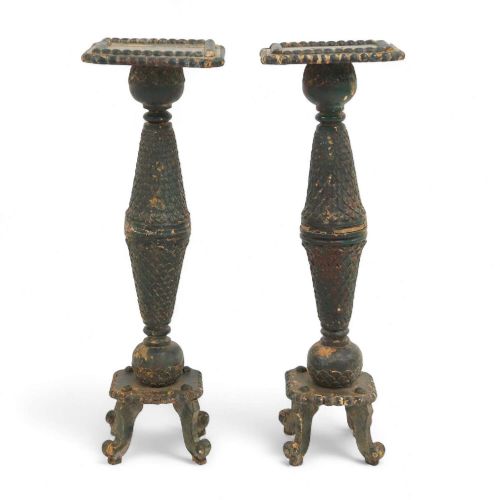
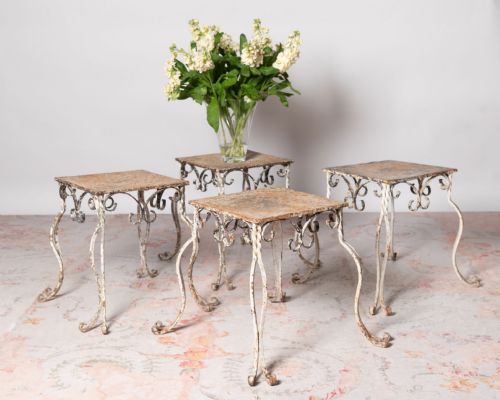
A french pedestal stand takes many forms across this selection, from tall marble columns and torcheres to smaller occasional tables and plant stands. The pieces span periods from the eighteenth century through the nineteenth and twentieth centuries, reflecting changing continental tastes.
Makers drew on historic designs such as French Empire, Neoclassical and Louis styles. The primary function remains display, holding everything from urns and clocks to porcelain and portrait busts.
Materials and construction
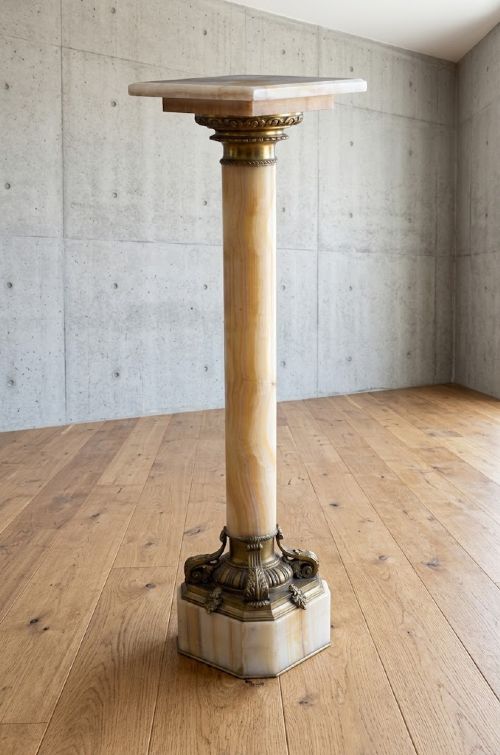
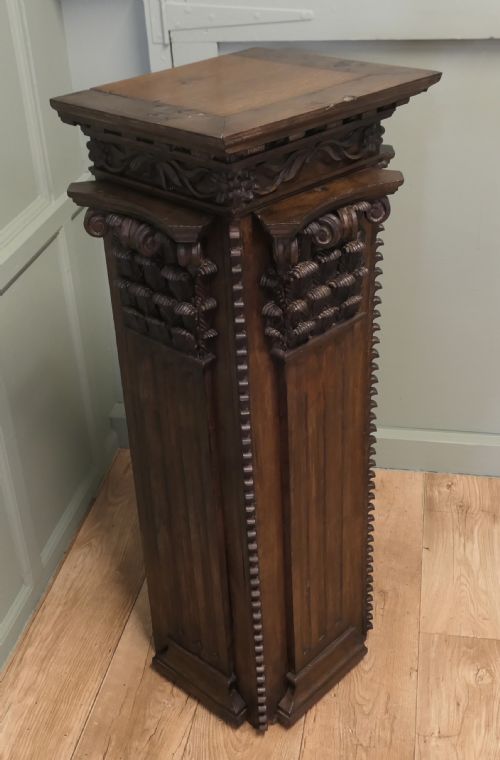
Craftsmen built these pieces using dense stones including marble, onyx and verde antico, often paired with timbers like mahogany, walnut and kingwood. Metal components in gilt bronze, ormolu, brass and champleve add structural contrast and decorative weight.
Surface treatments range from original green paint and ebonised finishes to fine giltwood and veneer work. Metal mounts are cast and chased before being applied to stone columns or wooden shafts.
Materials across the selection range from heavy verde antico marble and onyx to mahogany, walnut, and cast ormolu.
Distinctions in quality
Quality rests in the crispness of the bronze chasing and the weight and figuring of the marble or onyx. Better examples show precise matching in pairs and superior joinery in the timber carcases.
Finer pieces incorporate heavier fire-gilt mounts and more ambitious carving, while simpler utility versions rely on plain turned wooden shafts or standard cast brass collars.
The French Pedestal Stand Glossary
- Ormolu
- Gilded bronze mounts applied to furniture and decorative objects. The technique involves mercury gilding on cast bronze.
- Torchere
- A tall stand or candlestick designed to hold a light source or decorative object. They frequently appear as slender wooden or gilt columns.
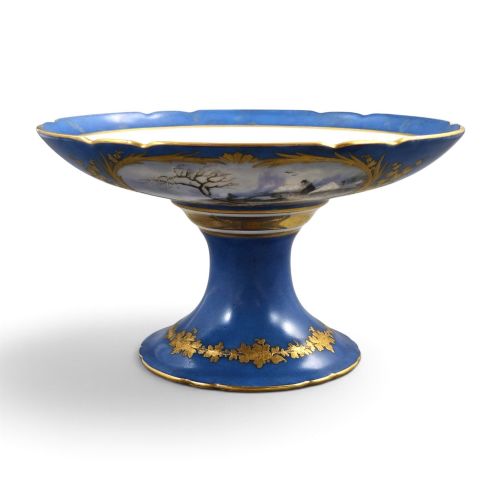
- Tazza
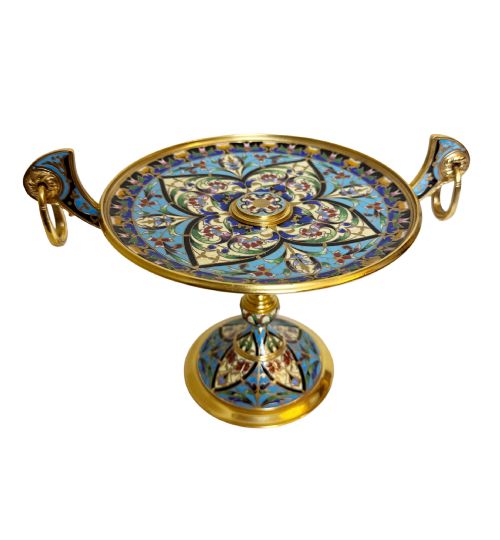
- A wide, shallow saucer-shaped vessel raised on a stem and foot. They are often carved from stone or cast in bronze.
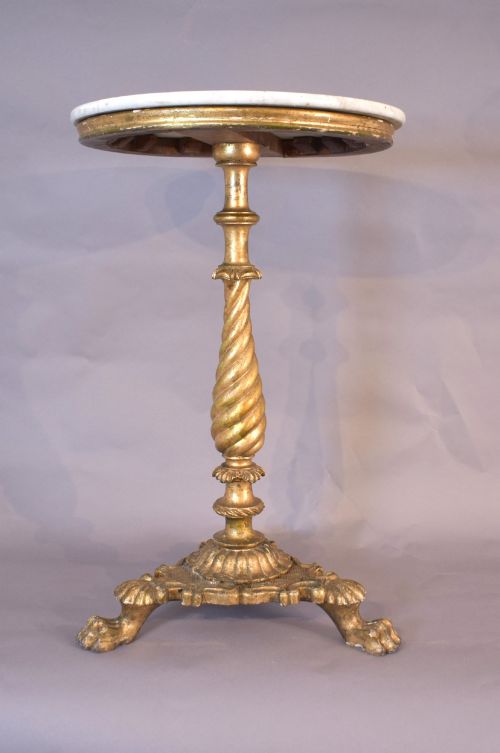
- Guéridon
- A small round table supported by one or more central columns. The form originated in seventeenth-century France.
- Champleve
- An enamelling technique where troughs are dug into a metal surface and filled with vitreous enamel before firing.
French Pedestal Stand: Frequently Asked Questions
What did people put on a french pedestal stand?
These stands were historically used to display sculptures, bronze figures, decorative clocks, and large porcelain vessels. They elevated important decorative items to improve visibility within a grand interior.
In modern rooms, they function similarly to hold heavy planters, table lamps, or art objects where height creates visual interest.
How do I clean the marble top?
Stone tops require simple dusting with a dry microfibre cloth to prevent grit accumulation. Avoid acidic cleaners or household detergents that etch the polished surface.
For stubborn marks, use a damp cloth with mild soap, drying the stone thoroughly afterwards to protect the natural finish.
Are these stands strong enough for heavy items?
Most solid stone columns and hardwood pedestals possess substantial weight and stability, easily supporting heavy bronze busts or large stone urns. The wide base designs help distribute heavy top-loads securely.
Tall, slender wood versions require careful placement on level flooring to prevent tipping if loaded unevenly.
How do I tell nineteenth century pieces apart?
Dating relies on observing stylistic markers such as Empire, Rococo Revival, or Art Nouveau motifs alongside construction methods. Hand-cut screws, patination on bronze, and the specific type of marble provide clues to the exact decade.
Earlier nineteenth-century items often feature heavier fire gilding and denser timbers, while later examples show shifts toward machine-assisted turning.