

French Painted Storage
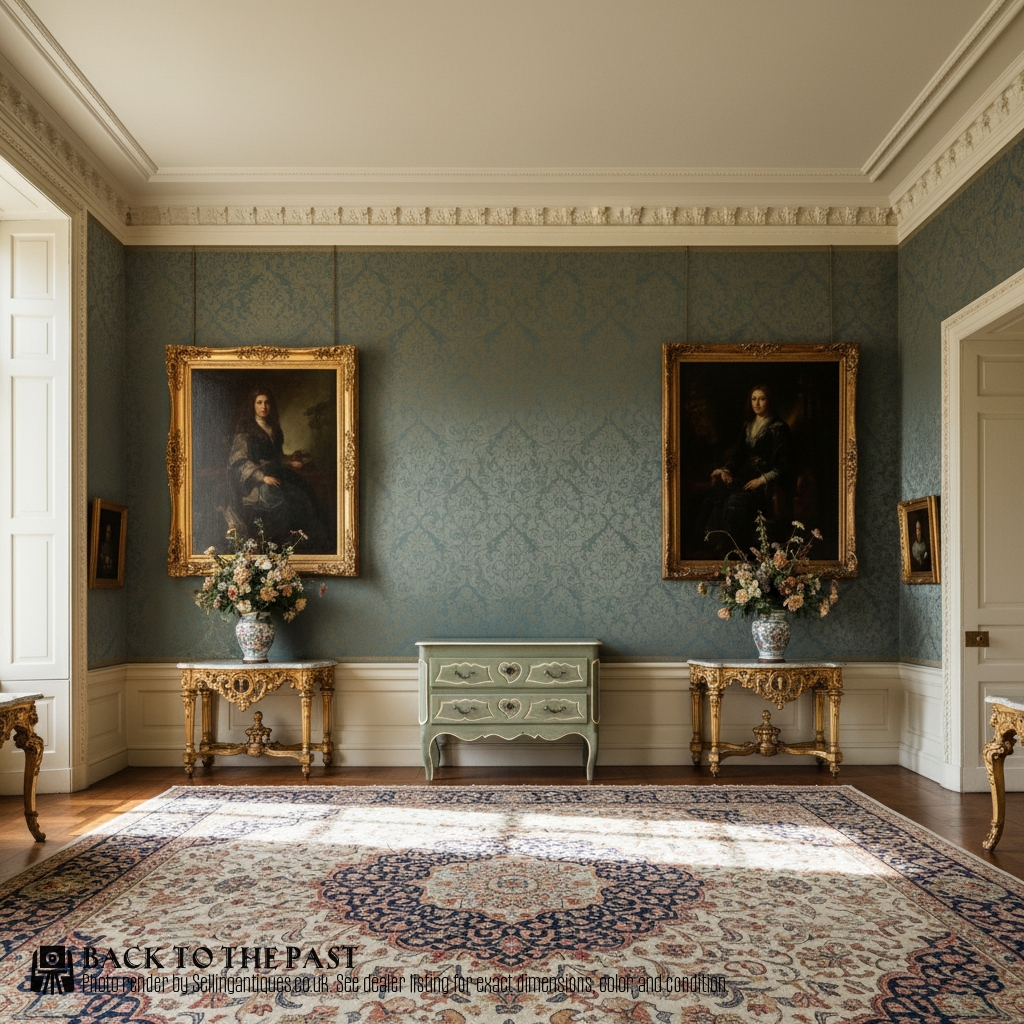
French painted storage encompasses regional commodes, armoires and cupboards that bring painted charm and practical utility to domestic interiors.
French Painted Storage
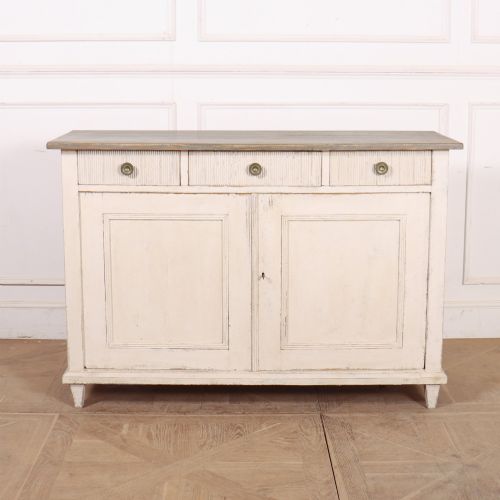
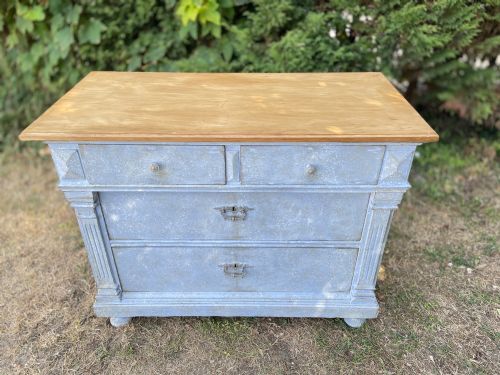
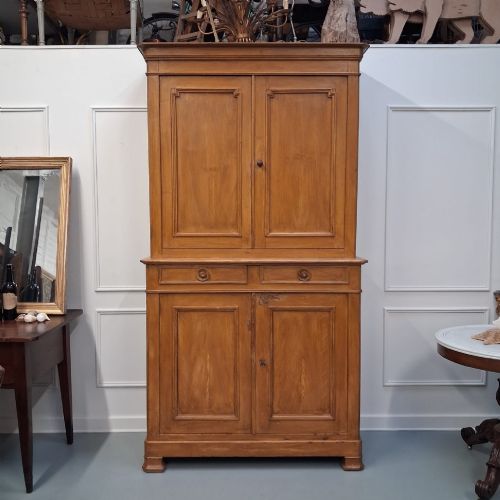
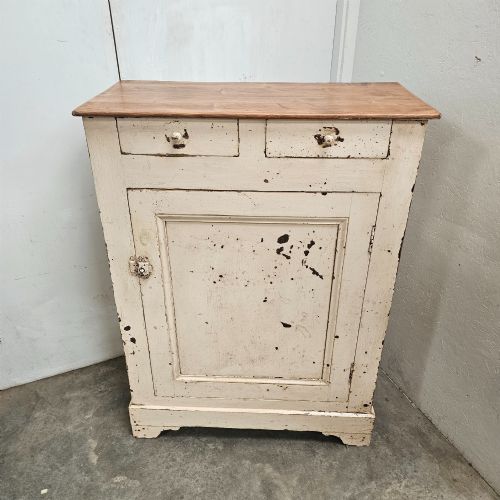
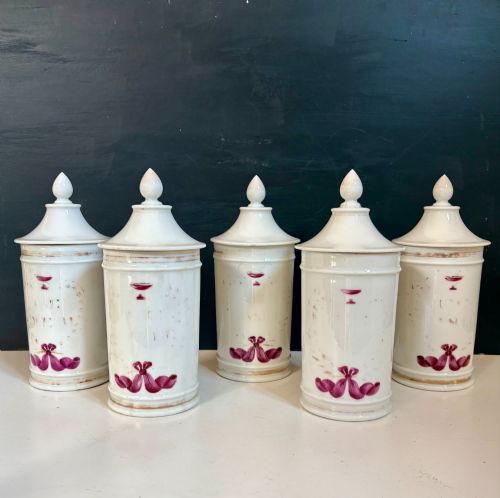
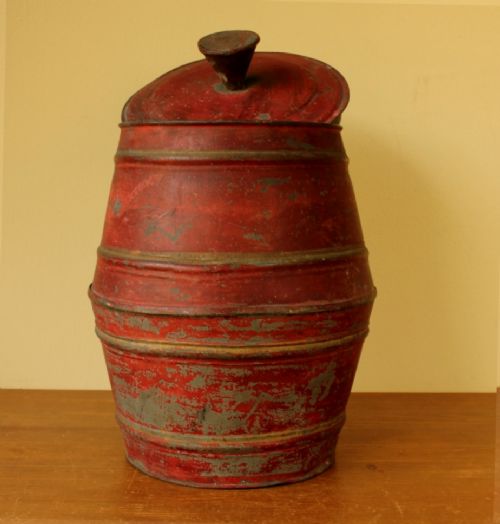
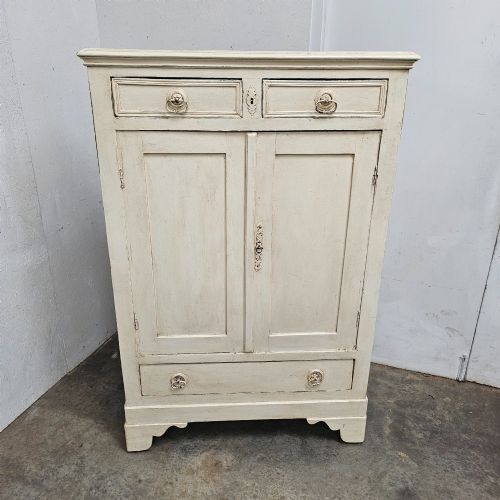
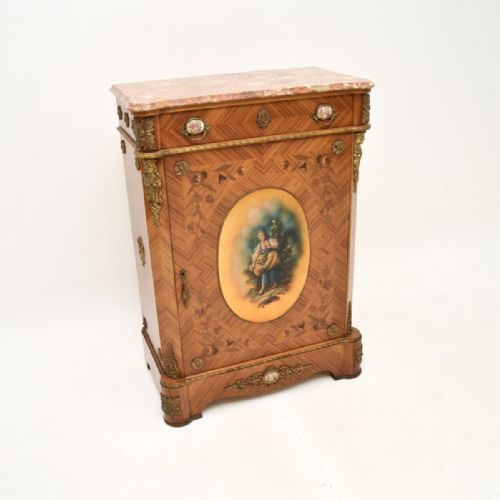
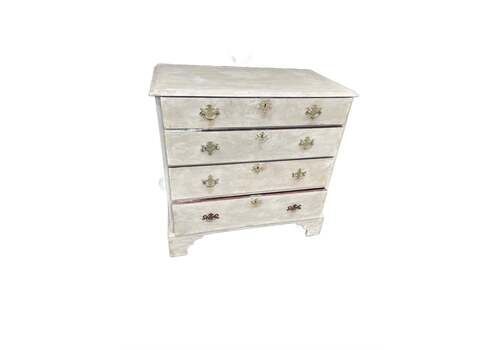
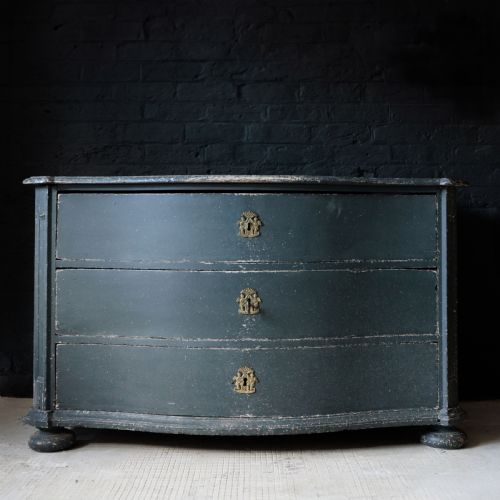
French painted storage covers a broad spectrum of antique furniture designed to hold linens, garments, food, and household goods. These pieces range from substantial housekeepers cupboards and sideboards to smaller bedside cabinets, confituriers, and commodes.
The objects span multiple centuries, with significant representation from the eighteenth and nineteenth centuries alongside early twentieth-century examples. Forms draw on provincial traditions, Louis XV style, Louis XVI style, and Empire aesthetics.
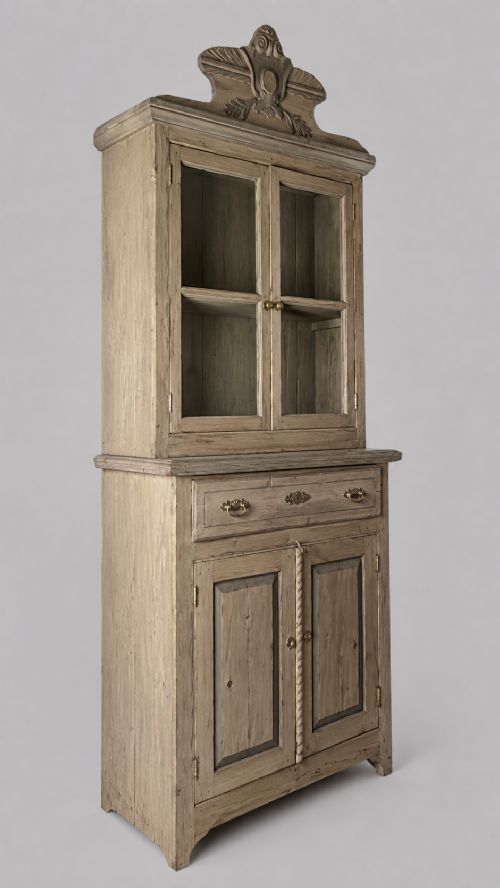
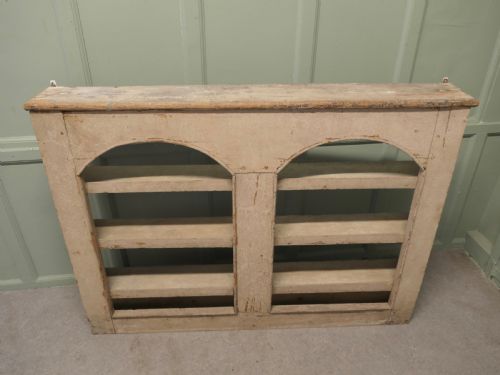
Buyers encounter items fashioned in pine and oak, often finished with decorative painted surfaces, faux marble tops, or genuine marble slabs. Regional variations include glazed display shelves, serpentine fronts, and bombe shapes.
How french painted storage was made
Carpenters utilised solid timbers such as pine and oak for the primary carcases, framing, and shelving of cupboards and commodes. Joinery methods relied on traditional techniques suited to domestic and provincial workshops.
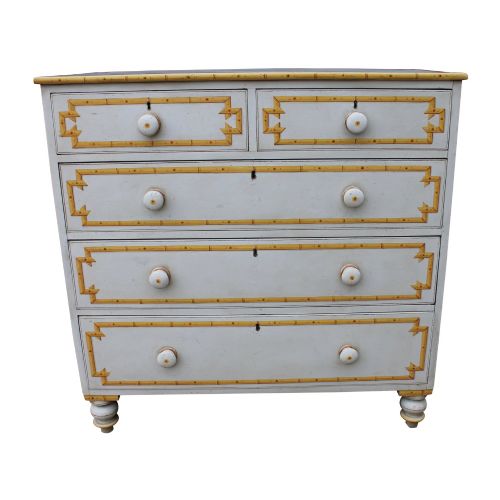
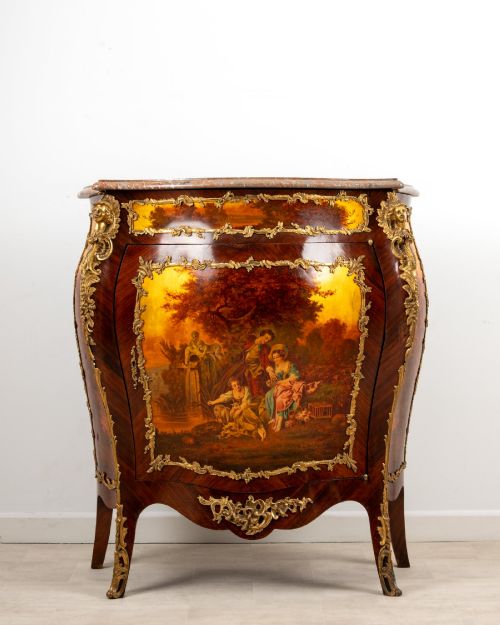
Surfaces received layers of paint, sometimes incorporating decorative techniques like Vernis Martin or faux bamboo detailing. Brass, iron, and ormolu mounts provided structural hardware and decorative accents on select cabinets.
Periods represented span from the eighteenth century through the 1930s, encompassing various regional French and Dutch styles.
What varies in quality
Quality manifests in the integrity of the timber construction, the refinement of the carved details, and the preservation of original painted surfaces. Superior examples retain their early or original decorative finishes rather than later overpainting.
Hardware execution also differentiates the tier of a piece, with finely cast ormolu mounts and authentic brass fittings indicating higher workshop standards. The inclusion of fitted marble tops, particularly on commodes and cabinets, elevates the standing of an item.
Edwards and Roberts·Louis Vuitton
The French Painted Storage Glossary
- Commode
- A low chest of drawers or cabinet, typically standing on legs and featuring decorative fronts. These pieces frequently incorporate marble tops.
- Vernis Martin
- A type of decorative lacquer finish developed in eighteenth-century France, known for its lustrous, polished appearance.
- Ormolu
- Gilded bronze used for mounts and decorative hardware on fine cabinets and commodes. It provides ornamental contrast to wood and paint.
- Bombe
- A swelling, outward-curving profile characteristic of certain cabinet fronts and commode sides. This shape demands advanced carpentry skill.
- Confiturier
- A small French cupboard originally utilised for storing confits and preserves. They stand as compact storage solutions.
French Painted Storage: Frequently Asked Questions
What is a confiturier?
A confiturier is a small French cupboard originally built to store fruit preserves and confits. These compact storage pieces offer convenient shelving behind a single door.
Today, they function well as bedside tables or small hallway cabinets. Their modest proportions make them adaptable for modern rooms requiring subtle storage.
How do I identify a commode?
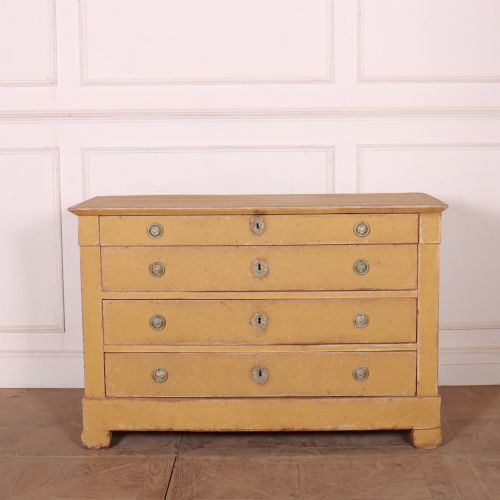
A commode is a low piece of furniture featuring multiple drawers for storage. French examples often display serpentine or bombe fronts and decorative painted finishes.
Many antique commodes feature fitted marble tops. They serve primarily as decorative side tables while providing enclosed drawer space.
What is Vernis Martin?
Vernis Martin is a specialised decorative varnish applied to furniture to mimic Asian lacquer. It creates a smooth, glossy surface often seen on fine eighteenth-century style cabinets.
This technique adds depth and sheen to painted wooden surfaces. Pieces bearing this finish represent a high level of decorative craftsmanship.
How were these cupboards used?
Housekeepers cupboards and armoires were essential for storing household linens, blankets, and dry goods. Food cupboards kept provisions secure in domestic kitchens before modern refrigeration.
Over time, these utilitarian objects transitioned into display and storage furniture for living spaces. Their interior shelving accommodates books, tableware, and garments.