





French Painted Screen
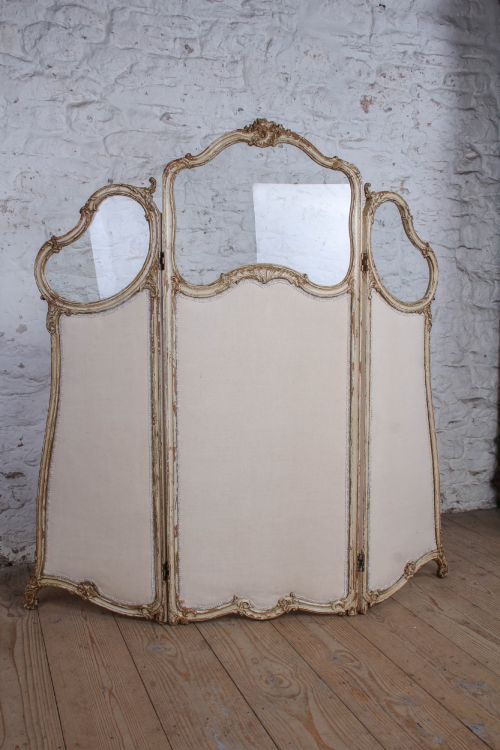
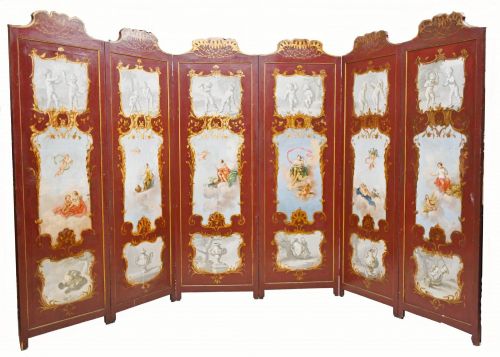
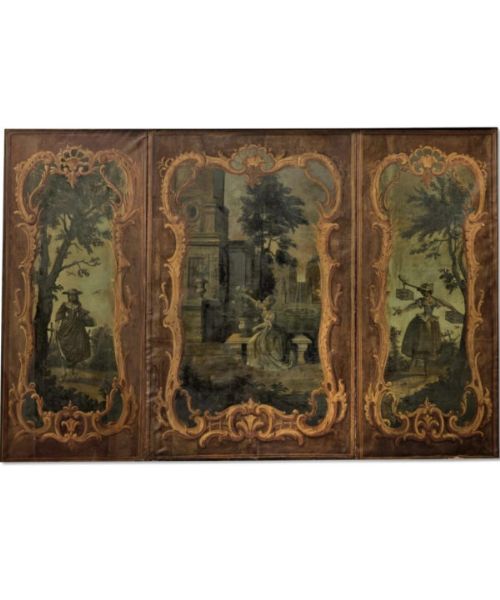
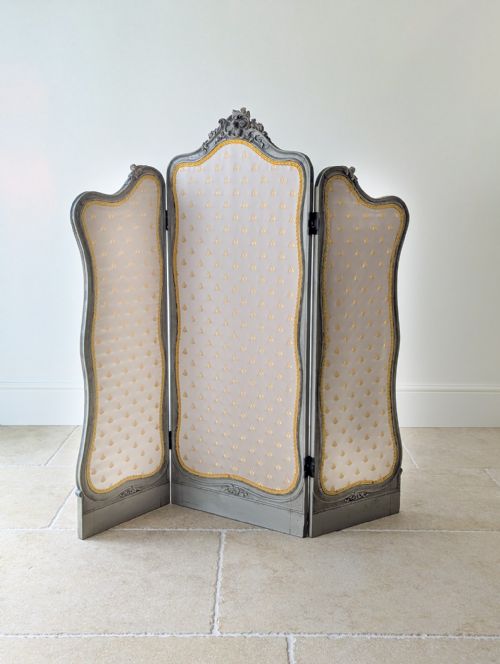
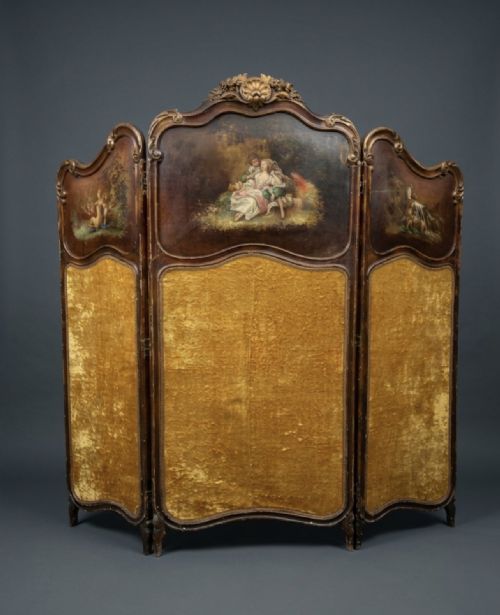
A french painted screen divides a room with hand-painted scenes and folding panels.
French Painted Screen
A french painted screen brings hand-painted artistry and flexible division to an interior. These pieces arrive in multi-fold configurations ranging from three to six panels, functioning as room dividers, modesty screens, or decorative wall panels.
You will most commonly encounter 19th century and Victorian examples featuring pastoral scenes, grisaille work, polychrome oils, and Chinoiserie motifs. The selection also stretches across periods from the mid 18th century up to the 1920s.
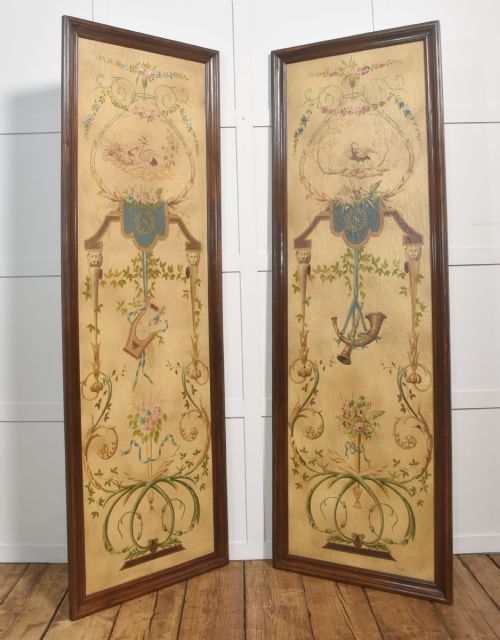
The forms extend beyond traditional folding room dividers to include architectural panels, fire screens, and decorative wall hangings. Each piece relies on hinged wooden frames or leather grounds to carry the painted surface.
Materials and construction
Makers built these screens using wood, canvas, and leather substrates stretched or mounted within folding wooden frames. Giltwood, brass hardware, and iron elements occasionally provided structural support and decorative edging.
Artists applied oil paint directly to canvas, wood panels, or treated leather grounds to create pastoral landscapes, decorative motifs, and figurative scenes. The execution combines cabinetry work with fine art painting techniques.
French Painted Screen Retail Price Guide 2026
Typical asking prices for french painted screen among the pieces listed under this phrase on Sellingantiques today, from the lower quarter to the upper quarter. They describe what is for sale here now, not the wider market.
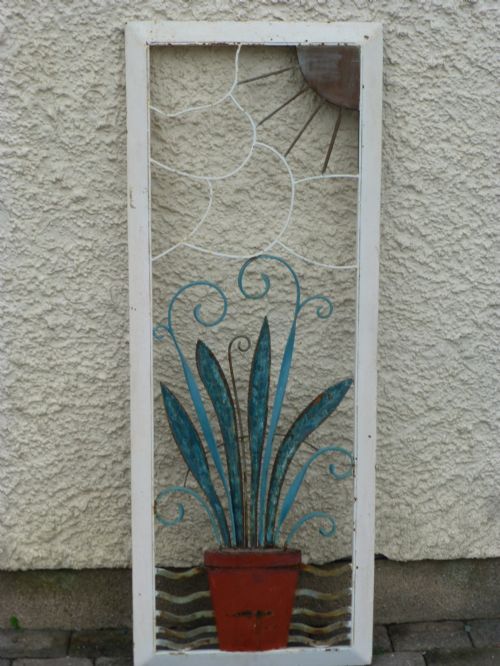
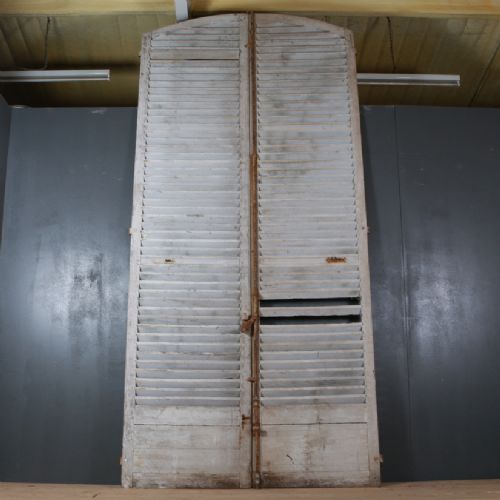
One exceptional listing reimagines a faux theatre doorway as a folding screen.
Quality and execution
The distinction between standard production and exceptional work lies in the depth and skill of the painted decoration. Fine hand-painted pastoral scenes or detailed grisaille and polychrome brushwork elevate a piece far above simple decorative printing.
Cabinetry construction also dictates quality, visible in the stability of the hinges, the integrity of the wooden or leather panels, and the weight of the frame. Pieces produced by recognised makers display superior joinery and refined finishing.
Raymond Subes·Paul Sormani
The French Painted Screen Glossary
- Grisaille
- Monochromatic painting executed in shades of grey to mimic relief sculpture. This technique appears frequently on decorative panels and architectural screens.
- Chinoiserie
- European artistic style reflecting Chinese motifs and imaginary landscapes. It defines the surface decoration on several painted screens.
- Napoleonic
- Design style associated with the French Empire period, drawing inspiration from classical antiquity. Pieces carrying this influence display formal decorative geometry.
- Modesty screen
- A specialised low screen historically used to shield a person from fireplace heat or drafts. These items form a distinct subset of the folding screen group.
French Painted Screen: Frequently Asked Questions
What is a french painted screen?
A french painted screen is a hinged folding divider or decorative panel featuring hand-painted artwork on canvas, leather, or wood. These pieces served practical functions in historic interiors while showcasing detailed artistic scenes.
They appear in configurations ranging from three to six folds, utilising materials such as oil paint, giltwood, and brass hardware. Their forms span room dividers, fire screens, and architectural wall panels.
How were they used historically?
Historically, these screens partitioned large rooms, blocked drafts near doors or windows, and provided privacy in dressing areas. Fire screens specifically protected occupants from the intense heat of open hearths.
Beyond utilitarian division, they functioned as major decorative elements in formal interiors, displaying pastoral landscapes or figurative artwork to enrich the room's aesthetic.
How do I live with one?
Position your screen against a stable wall or angle the folds correctly to ensure it stands securely without strain on the hinges. Keep the piece away from direct sunlight and excessive moisture to protect the painted canvas or leather surfaces.
Dust the frames and panels gently with a soft, dry cloth. Avoid chemical cleaning agents that could damage the historic oil paint or giltwood finishes.
How are periods told apart?
Periods are identified by the prevailing artistic styles and construction methods visible in the frame and paintwork. 18th century pieces often feature restrained classical lines, while Victorian and 19th century examples frequently display rich polychrome or Chinoiserie decoration.
Later 19th and early 20th century items incorporate distinct revival styles such as Rococo or Napoleonic motifs, alongside the cleaner lines of early Art Deco ironwork.