





French Painted Room Divider
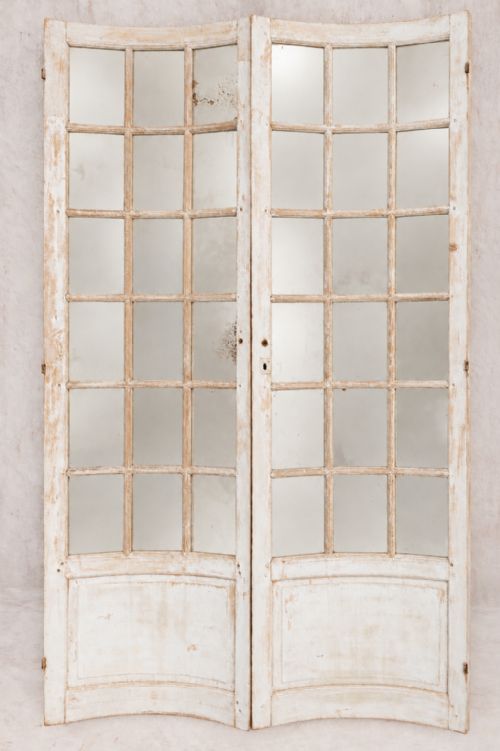
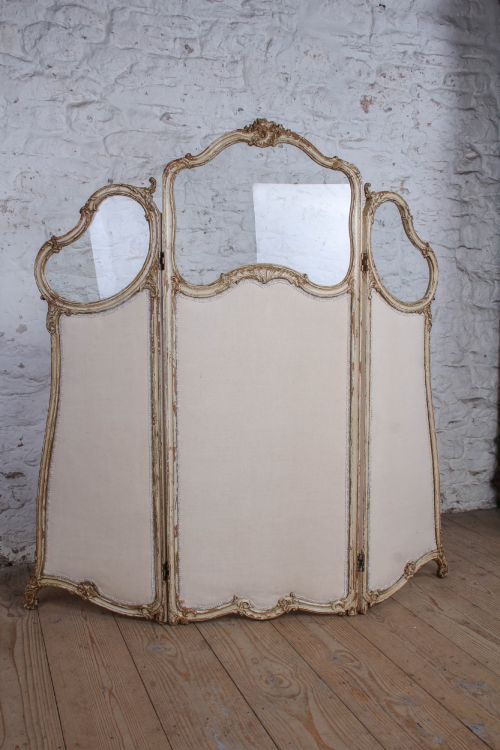
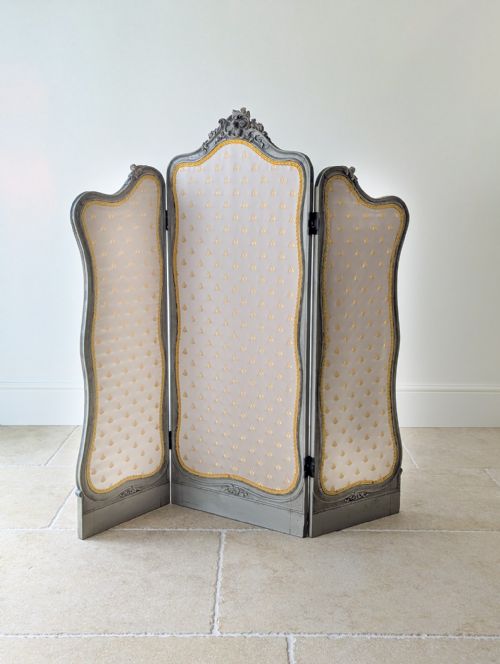
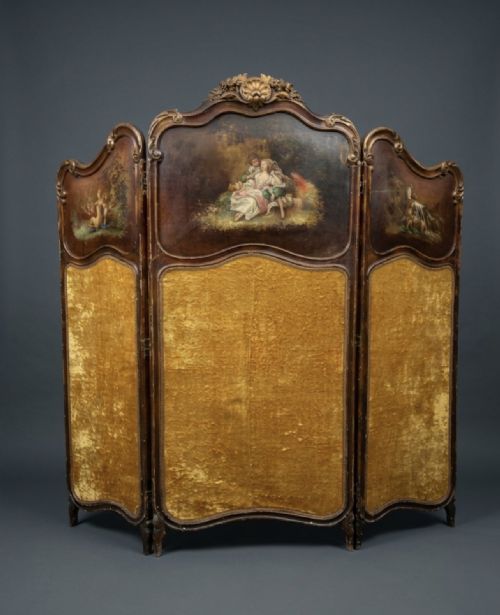
These French painted room divider examples create instant architectural divisions and bring historic painted artistry straight into a sitting room.
French Painted Room Divider
A French painted room divider brings versatile partition folding screens into domestic spaces, appearing in forms ranging from three-fold walnut and leather structures to modesty screens and fire screens. You will regularly encounter multi-fold screens originating from the nineteenth century alongside earlier eighteenth-century examples.
The objects serve practical spatial functions while displaying decorative painted surfaces featuring pastoral scenes and Chinoiserie motifs. Makers utilised wood, leather, canvas, and brass hinges to construct these movable partitions.
Stylistic influences across the selection span French Rococo Revival, Napoleon III, and French Neoclassical aesthetics. These pieces combine functional room division with canvas and wood panel painting traditions.
How they were made
Craftsmen built these folding screens using wooden frames of walnut or giltwood, supporting hinged panels made from leather, canvas, or painted wood. Brass hardware connects the individual folds to allow smooth articulation.
Surfaces received decorative treatments involving oil paint applied directly to canvas, leather, or wood substrates. Artisans rendered pastoral scenes and Chinoiserie details by hand upon the panels.
French Painted Room Divider Retail Price Guide 2026
Typical asking prices for french painted room divider among the pieces listed under this phrase on Sellingantiques today, from the lower quarter to the upper quarter. They describe what is for sale here now, not the wider market.
Pastoral scenes peek out from folding panels, ready to transport a draughty Victorian corner straight to a sunny French chateau.
What varies in quality
The refinement of the hand-painted pastoral scenes or Chinoiserie details separates standard production from exceptional examples. The dexterity of the brushwork and the preservation of the original painted surface dictate the visual impact.
Construction choices such as the integration of solid walnut frames versus simpler painted wood define the physical substance of the piece. The complexity of multi-fold configurations and the quality of the connecting brass hardware also distinguish finer screens.
Paul Sormani
The French Painted Room Divider Glossary
- Modesty screen
- A low folding screen originally designed to shield occupants from fireplace heat or draughts. These pieces often feature painted panels set within wooden frames.
- Chinoiserie
- European artistic style reflecting Chinese motifs and decorative techniques. This aesthetic appears frequently on painted screen panels from the nineteenth century.
- Napoleon III
- French design period spanning the mid-nineteenth century characterised by eclectic revivals of historic styles. Screens from this era often incorporate painted leather or canvas.
- Rococo Revival
- Nineteenth-century artistic movement reviving the asymmetrical scrolls and ornamental flourishes of the eighteenth-century Rococo. Many French room dividers adopt this decorative vocabulary.
French Painted Room Divider: Frequently Asked Questions
What is a French painted room divider?
A French painted room divider is a hinged folding screen featuring decorated panels made from wood, leather, or canvas. These pieces partition interior spaces while displaying hand-painted artwork.
Craftsmen constructed them in configurations ranging from three to six folds using styles such as Rococo Revival and Neoclassical.
How were these screens used originally?
Historically, households utilised folding screens to create private zones within large chambers, block draughts near doors or windows, and conceal washbasins.
Modesty screens and fire screens fulfilled more specific shielding purposes near hearths and dressing areas.
How do I care for a painted leather screen?
Painted leather and canvas surfaces require stable humidity levels and protection from direct sunlight to prevent cracking or fading. Dust the panels gently with a dry microfiber cloth.
Avoid liquid cleaners or harsh chemicals which can damage historic oil paint and giltwood elements.
How can I tell the period of a screen?
Dating relies on examining the construction materials, hinge types, and stylistic vocabulary of the frame and painted panels. Nineteenth-century examples often display Napoleon III or Rococo Revival traits.
Earlier eighteenth-century pieces exhibit distinct construction methods and period-specific painting techniques.