


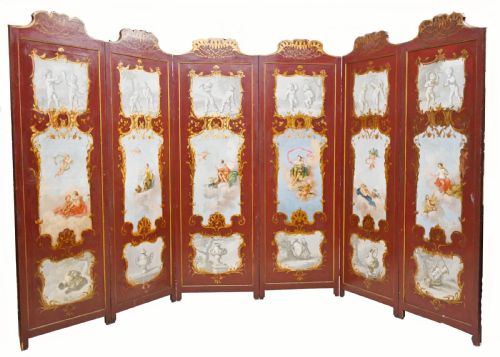


French Draft Screen
These French draft screen pieces are decorative room dividers that block cold air and create privacy with style.
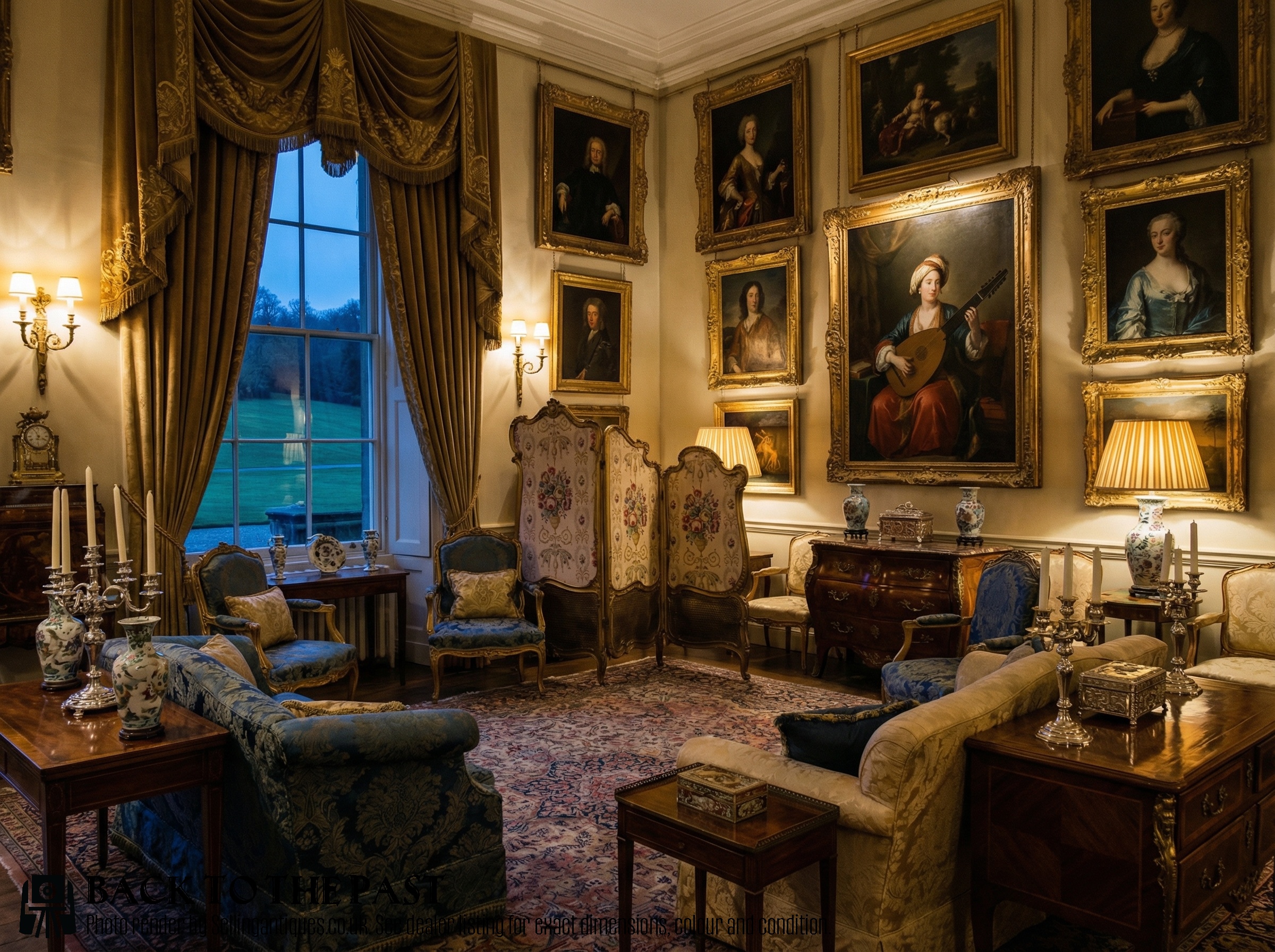
French Draft Screen
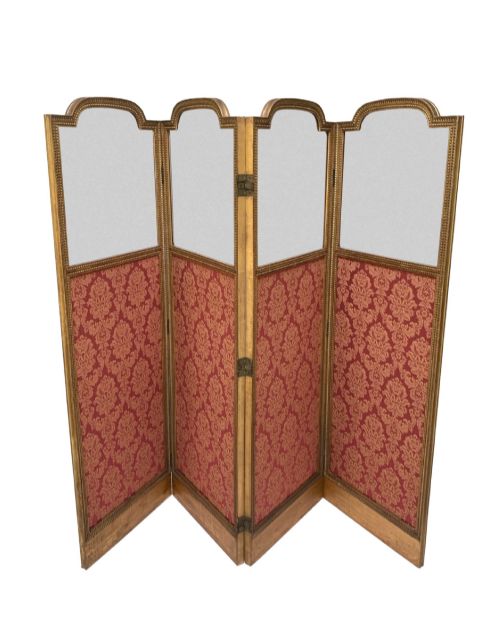
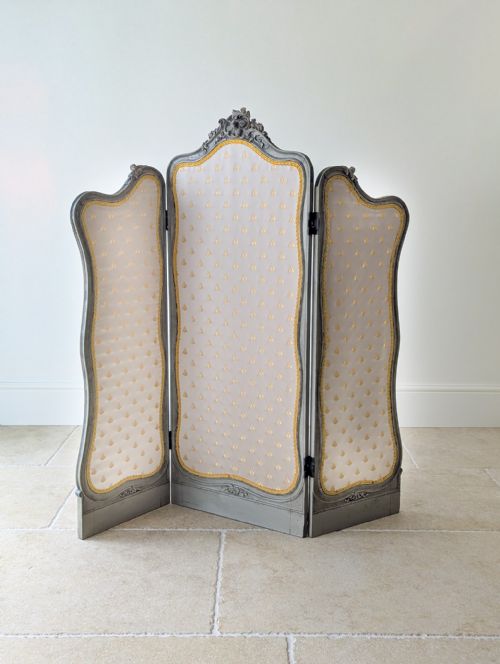
A French draft screen divides a room and blocks stray breezes while adding a decorative focal point to the interior. You will most often meet multi-fold examples featuring hinged wooden frames that configure easily around furniture.
The pieces on this page span the nineteenth century, including Victorian, Edwardian, Napoleon III, and Louis XVI style creations. Makers and designers used folding panels of painted wood, giltwood, and fabric to shape interiors.
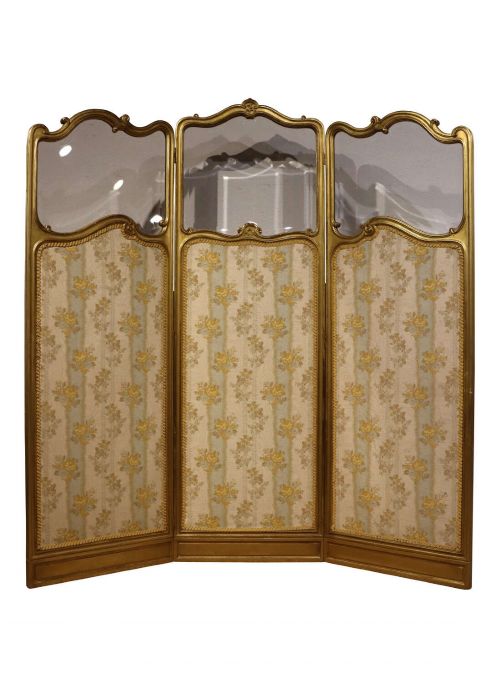
Forms range from modesty screens and privacy dividers to tall multi-panel folding screens with glazed or fabric inserts. Each piece brings period character and practical division to sitting rooms and bedrooms.
How they were made
Frames take shape from carved giltwood, walnut, and painted wood, joined in multi-fold configurations with hinged panels. Craftsmen carved floral and scroll motifs into the wood to echo French Rococo Revival and Art Nouveau tastes.
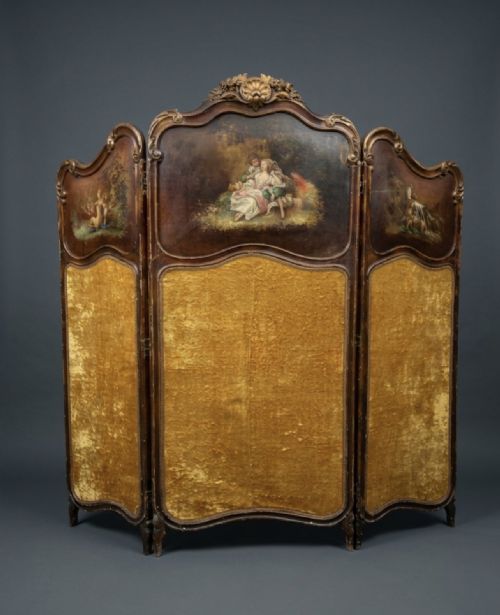
Panels incorporate materials like bevelled glass, silk, damask textile, Aubusson tapestry, and painted leather. Artisans hand-painted decorative scenes and floral details directly onto the panels or textile inserts.
Listings feature nineteen-century pieces incorporating giltwood, brass, glass, painted wood, fabric, and damask textile.
What varies in quality
The refinement of the woodcarving and the depth of the gilding set finer examples apart from simpler utilitarian dividers. Crisp relief work on giltwood frames shows the hand of skilled workshops.
The choice of panel insert dictates the character and grade of the piece, ranging from hand-painted leather and Aubusson tapestries to simple fabric. Intricately glazed glass panels and fine silk textiles elevate the overall design.
Paul Sormani
The French Draft Screen Glossary
- Giltwood
- Wood that has been coated with gold leaf or gold paint. This finish catches the light and defines carved decorative details.
- Aubusson
- A style of tapestry woven in the French town of Aubusson, often mounted into screen panels. These textiles feature pastoral or floral designs.
- Modesty screen
- A low folding screen originally designed to shield a person from the direct heat of a fireplace or drafts. They sit lower than standard room dividers.
- Bevelled glass
- Glass panes with edges cut and polished at an angle. This technique adds a reflective border that catches light within the panel.
French Draft Screen: Frequently Asked Questions
How do I use a draft screen?
Place the folding screen near doors or seating areas to block incoming drafts and create private zones within a larger room. The hinged panels adjust easily to fit various room layouts.
Position the screen so that it angles inward, which helps it stand securely on its own feet while framing a corner or seating group.
What periods do these screens come from?
The pieces available here date primarily from the nineteenth century, covering Victorian, Edwardian, and Napoleon III periods. Styles reflect French design revivals including Rococo, Louis XVI, and Art Nouveau.
Characteristics such as painted leather, giltwood carving, and Aubusson tapestries help identify these specific nineteenth-century origins.
How many folds do these screens have?
Most examples feature three or four folding panels, though larger room dividers can extend to six panels. Each panel connects with hinges that allow the screen to fold flat or zigzag.
More panels provide wider coverage for dividing larger spaces or creating deeper private alcoves in a room.
What materials make up the panels?
Panels incorporate a diverse range of materials including painted wood, damask textile, silk, and painted leather. Glazed sections with bevelled glass and Aubusson tapestries also appear frequently in these designs.
Wooden frames support these decorative inserts, utilising carved giltwood, walnut, and painted finishes.