





French Ormolu Light
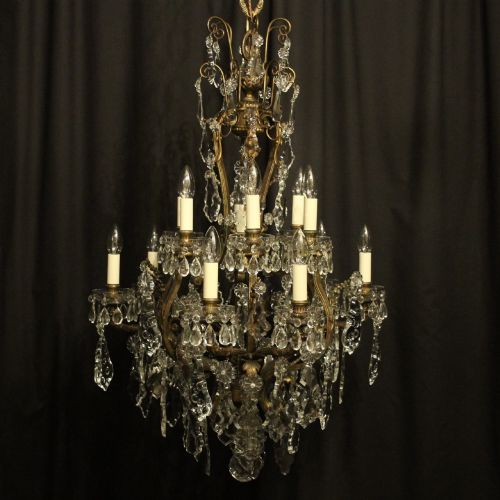
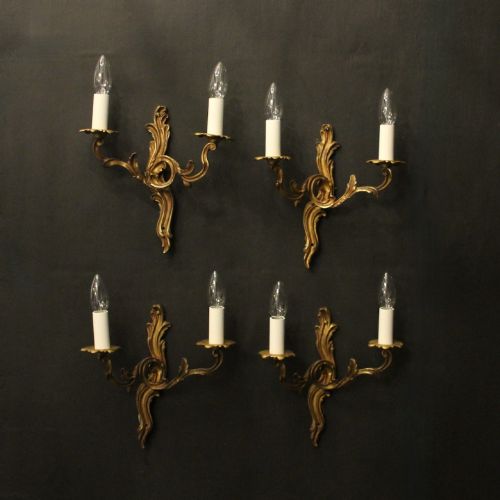
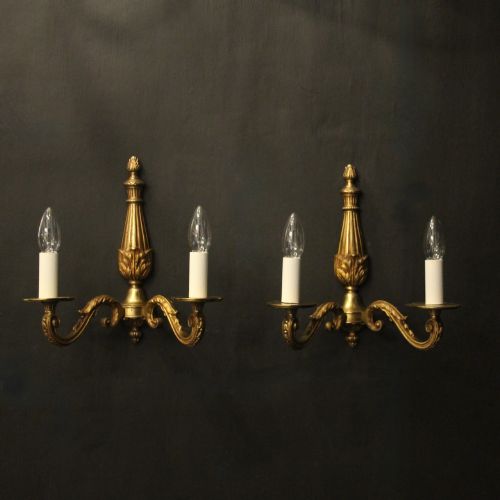
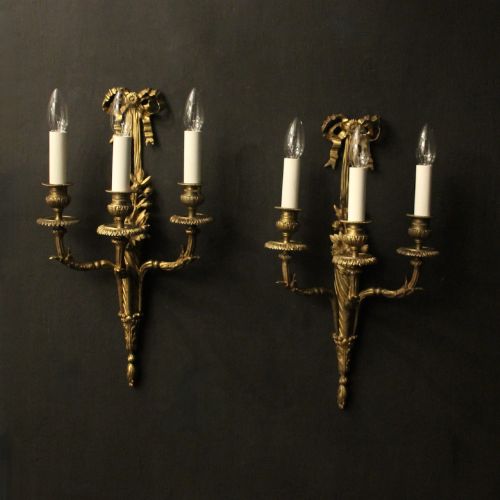
French ormolu light pieces combine luminous metalwork with classical decorative motifs to illuminate period interiors.
French Ormolu Light
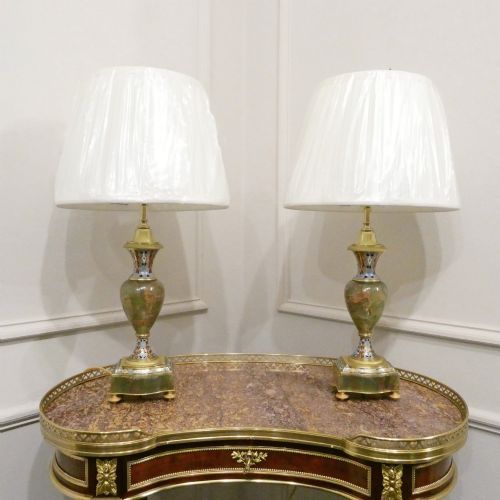
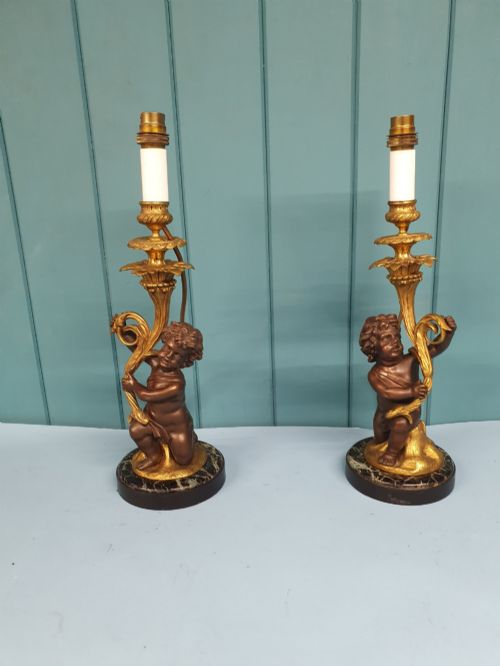
Table lamps and smaller mantel candlesticks frequently incorporate contrasting materials like marble, porcelain, and crystal alongside the characteristic gilded bronze. These domestic lighting solutions originate predominantly from the nineteenth and early twentieth centuries, reflecting enduring design revivals across European workshops.

Materials and Technique
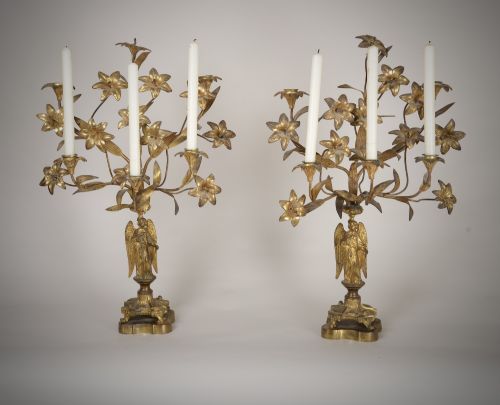
The fabrication relies fundamentally upon cast bronze, brass, and gilt metals, finished with the distinct golden surface treatment known as ormolu. Artisans chased the metal surfaces by hand after casting to sharpen decorative details such as floral garlands, putti, and neoclassical drapery.
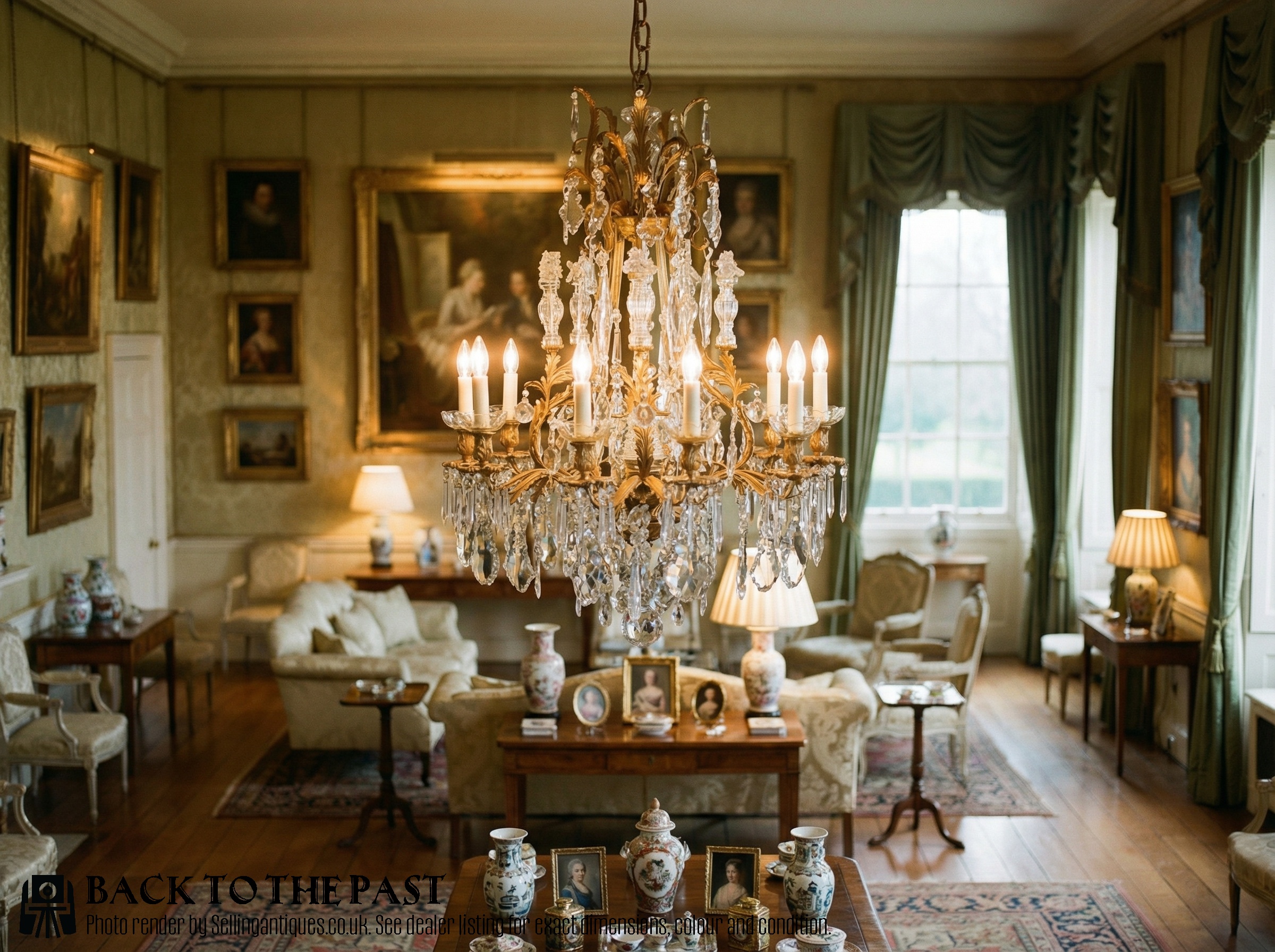
Structural complexity increases in pieces incorporating cut glass, crystal drops, or natural stone bases like onyx and rouge marble. Electrical adaptation often occurred later in the lifespan of these objects, while surviving candleholders retain their original sockets and drip pans.
French Ormolu Light Retail Price Guide 2026
Typical asking prices for french ormolu light among the pieces listed under this phrase on Sellingantiques today, from the lower quarter to the upper quarter. They describe what is for sale here now, not the wider market.
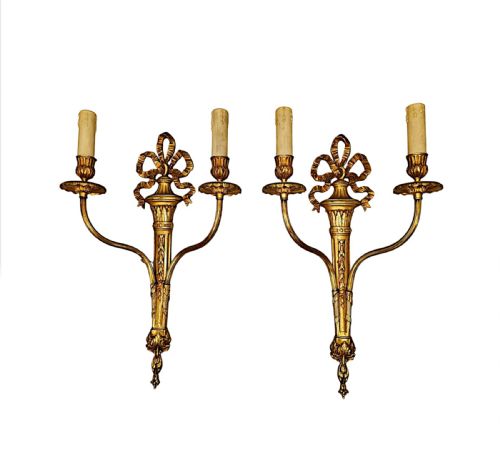
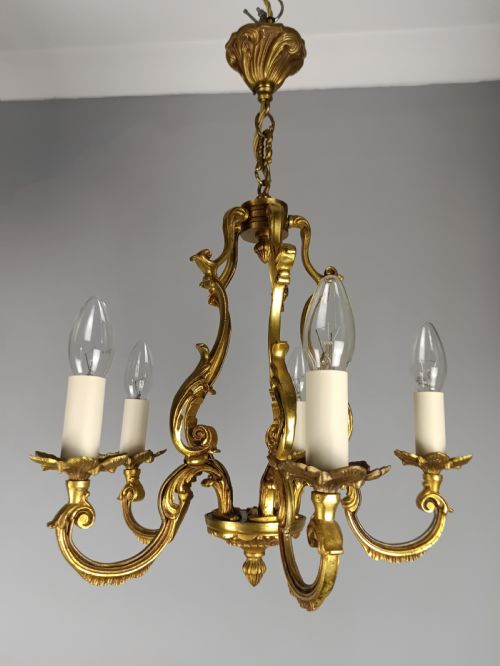
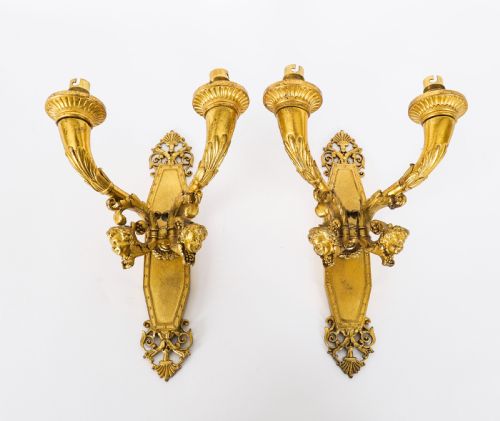
Listings demonstrate a strong prevalence of nineteenth-century French Neoclassical, Rococo Revival, and Empire styles executed in gilt bronze, brass, and crystal.
Evaluating Execution
Quality rests principally in the crispness of the metal chasing and the depth of the original gilding, where superior examples exhibit sharp relief and layered warmth. Mass-produced or later derivative castings often display softer outlines and uniform, flat surface coloration.
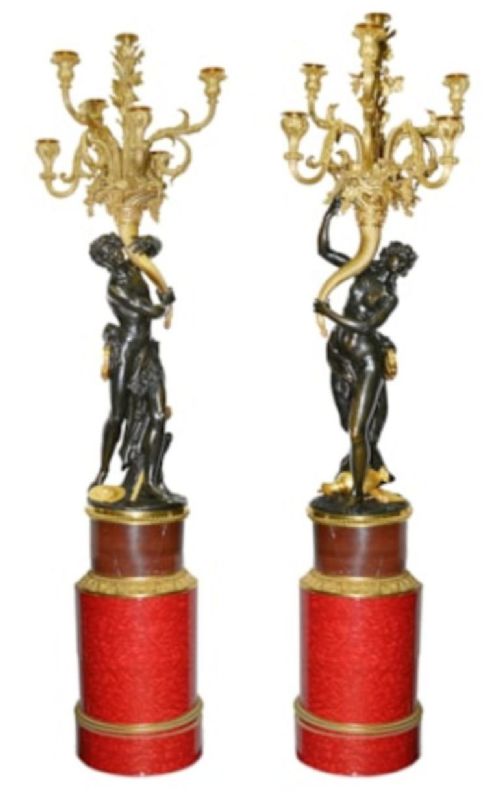
The architectural proportion of multi-branch chandeliers and the stability of combined media like marble and patinated bronze distinguish finer workshop output from standard commercial production.
Barbedienne·Casier
The French Ormolu Light Glossary
- Ormolu
- A technique involving the application of finely ground high-carat gold to a bronze base metal. This surface treatment yields a characteristic rich golden lustre that resists tarnishing over centuries.
- Champlevé
- An enamelling technique where troughs are carved into the metal surface and filled with vitreous paste before firing. It frequently appears on nineteenth-century decorative metalwork and lamp bases.
- Candelabra
- A branched lighting fixture designed to hold multiple candles simultaneously. These objects often feature removable arms or central decorative finials.
- Girandole
- An ornamental branched wall light featuring a reflective backplate. The mirrored or polished metal surface multiplies the illumination cast into the room.
- Applique
- A wall-mounted lighting bracket designed to distribute light across a room from a vertical surface. These fixtures range from single-branch sconces to elaborate multi-arm arrangements.
French Ormolu Light: Frequently Asked Questions
How do I identify true ormolu?
Genuine ormolu exhibits a deep, warm metallic golden hue rather than the bright yellow shine typical of modern electroplating. Examining the piece under magnification reveals the microscopic texture of hand-chasing beneath the surface layer.
Older mercury gilding displays a distinct satiny finish that catches light softly. Modern reproductions often feel uniform and lack the tonal variation produced by historical manufacturing techniques.
Can antique chandeliers be electrified safely?
Most antique fixtures encounter modern electrical rewiring while preserving their original internal channels and structural integrity. Professional restoration ensures that delicate glass arms and weighted bronze components support modern wiring without aesthetic compromise.
Careful installation by a qualified specialist protects historic metalwork and fragile crystal pendants during the conversion process. Original sockets and candle tubes are frequently retained alongside hidden modern internal cables.
What is the difference between an applique and a sconce?
The terms are often used interchangeably to describe wall-mounted light fixtures, though applique traditionally refers specifically to French decorative wall brackets. Both forms distribute illumination horizontally from vertical architectural surfaces using multiple candle arms.
Historical examples frequently match the decorative vocabulary of concurrent ceiling chandeliers within the same interior scheme. Their scale ranges from intimate single-light designs to grand multi-branch installations.
How do I clean gilt bronze safely?
Maintenance requires only gentle dusting with a soft, dry brush to remove particulate matter from recessed chasing and intricate leaf motifs. Liquid cleaning agents and abrasive cloths strip away historical surface patination and damage the underlying gold layer permanently.
Professional conservation advice should be sought before attempting any chemical intervention on vulnerable or tarnished metal surfaces. Preserving the original balance between patinated bronze highlights and bright gilding maintains the integrity of the object.