

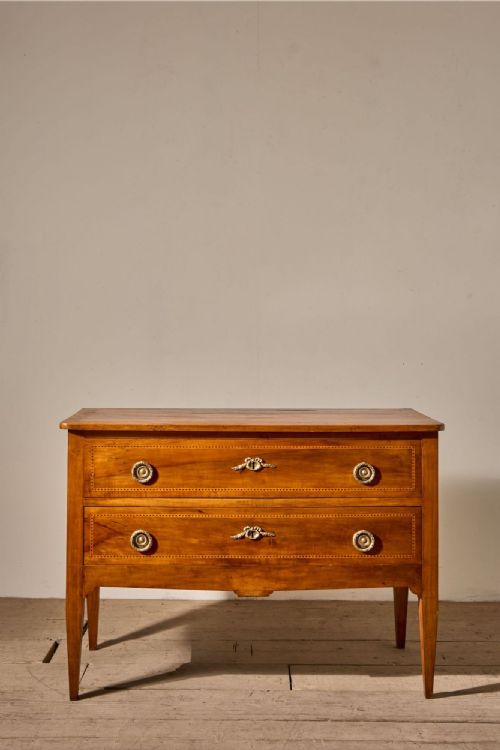


French Neoclassical Dresser
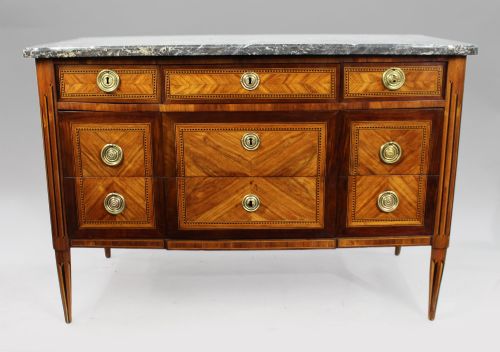
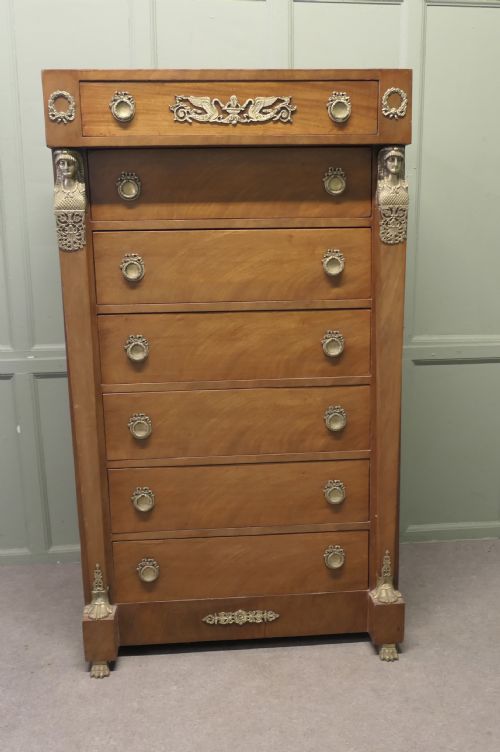
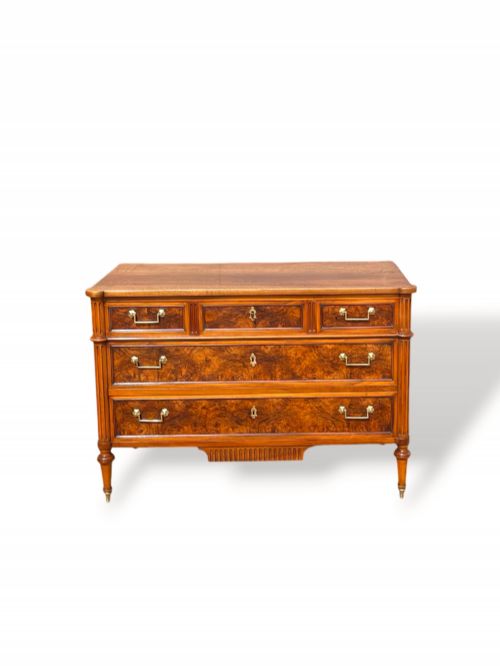
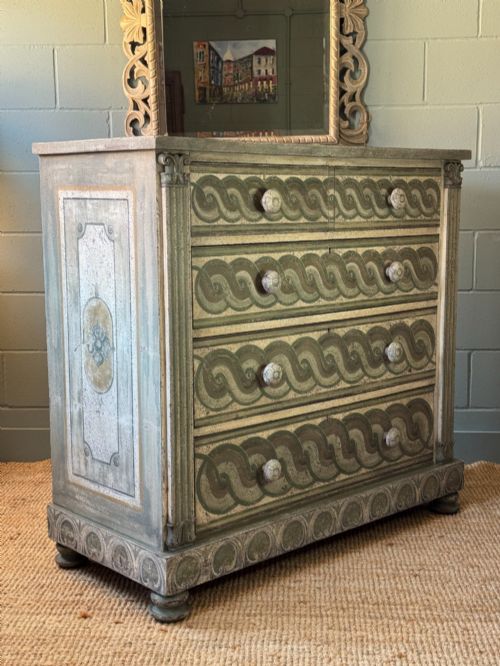
These french neoclassical dresser pieces bring symmetry and classical proportion into a room, offering grand storage through time-honoured commodes and chests of drawers.
French Neoclassical Dresser
When you search for a french neoclassical dresser, you are looking at substantial storage forms that include commodes and chests of drawers. The examples found here span the eighteenth century through to the early twentieth century, showing both primary periods and later revivals.
You are most likely to meet pieces finished in walnut or mahogany, frequently topped with marble and detailed with brass or ormolu mounts. The inventory covers regional pieces from Alsace alongside refined Parisian styles like Louis XVI and French Empire.
The fundamental shape remains low and rectilinear or serpentine, prioritizing functional drawer space beneath formal decorative surfaces. These pieces bridge the gap between architectural austerity and domestic utility.
Quality variations
The refinement of the decorative mounts and the precision of the parquetry inlay set the better pieces apart from simpler workshop production. Superior examples display crisp chasing on the ormolu and meticulous timber selection that enhances the natural grain.
Structural integrity and the retention of original marble tops and brass hardware dictate the standing of an individual commode. Later revival pieces differ from eighteenth-century originals in their joinery methods and the crispness of their carved details.
One signed piece preserves the name Mon Krieger stamped into its wooden bones, giving a quiet nod to its maker.
Mon Krieger
The French Neoclassical Dresser Glossary
- Ormolu
- Gilded bronze used for decorative mounts and accents on furniture. It provides a bright metallic contrast against dark woods like mahogany and walnut.
- Parquetry
- Geometric patterns of wood veneer laid down to form decorative surfaces on furniture fronts and tops. It demonstrates the skill of the cabinetmaker.
- Serpentine
- A curved outline that undulates outward in the centre and inward at the sides. This contour adds visual movement to the front of a chest of drawers.
- Harewood
- Stained sycamore wood showing a pale greyish-brown tone, often utilised for delicate inlay work. It appears on lighter neoclassical and federal-period pieces.
French Neoclassical Dresser: Frequently Asked Questions
What is the difference between a commode and a standard chest of drawers?
A commode is traditionally a low, decorative French cabinet or chest of drawers designed for formal rooms rather than utilitarian chamber use. It often incorporates sophisticated parquetry, marble tops, and gilt-bronze mounts that distinguish it from plain storage.
While both share the basic function of holding garments or linens, a commode prioritises architectural symmetry and surface ornament. The proportion is typically wider and lower than a tall English chest.
Are marble tops on these chests of drawers original?
Many eighteenth and nineteenth-century pieces were manufactured specifically to receive heavy marble slabs, which served as durable and elegant counter surfaces. Examining the fit against the wooden frame helps determine if the stone belongs to the piece.
Replacement marble is common due to accidental breakage over centuries of domestic use. A correct fit and matching period wear on the edges support originality.
How do I care for mahogany and walnut veneer surfaces?
Keep these timber surfaces away from direct sunlight and extreme humidity changes to prevent the underlying veneer from lifting or splitting. Gentle dusting with a dry, soft cloth maintains the polish without building up heavy wax residues.
Avoid commercial silicone sprays that can penetrate old finishes and damage the wood. Occasional application of a traditional beeswax feed keeps the grain nourished.
How can I tell an eighteenth-century piece from a later revival?
Eighteenth-century pieces typically exhibit hand-cut dovetails, older secondary woods inside the drawers, and subtle tool marks left by the maker. The patination on the timber develops a deep, soft lustre through generations of handling.
Revival pieces from the nineteenth or twentieth century often use more uniform machine-sawn components and standardised fixings. The timber preparation and the sharpness of the brass mounts also point to the later production date.