


French Neoclassic Bronze
French neoclassic bronze objects bring formal classical balance and refined metalwork into a room.
French Neoclassic Bronze
When you search for french neoclassic bronze, you encounter sculptural works, lighting fixtures, and mounted furniture rooted in classical antiquity. These pieces draw on French Empire and Louis XVI styles, reflecting the formal design vocabulary of the eighteenth and nineteenth centuries.
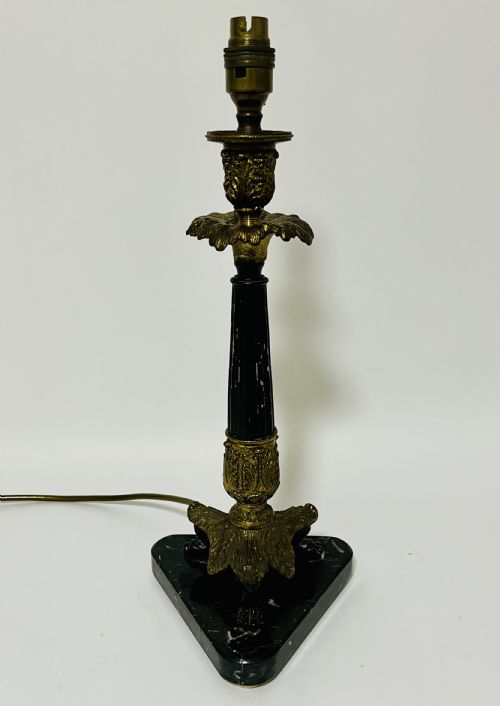
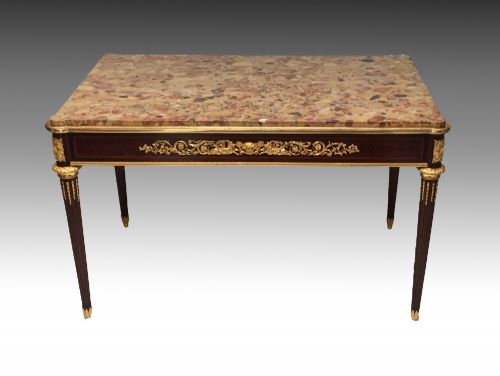
The selection on this page centres on items such as candlesticks, table lamps, wall lights, and mantel clocks. You will also find mounted marble-topped tables and decorative urns finished with classical detailing.
How they were made
Maker's workshops cast metal using traditional techniques to achieve crisp architectural detailing and figural definition. Bronze and brass serve as the primary structural metals, often paired with fire gilding known as ormolu.
Craftsmen combined these cast elements with contrasting materials like white or sienna marble, mahogany, and slate. Enamel dials and patinated finishes completed the surface texture of clocks, lamps, and decorative vessels.
Materials appearing across the inventory include ormolu, patinated bronze, mahogany, marble, slate, and Limoges enamel.
What varies in quality
The standard of a piece rests upon the crispness of the metal chasing and the depth of the gilding. Superior examples display sharply rendered acanthus leaves, figures, and bead reels that retain their original warm lustre.
Integration between metal mounts and stone or timber bodies also dictates the tier of the piece. High-grade items show precise alignment and secure mechanical fastening without visible gaps.
Japy Freres·Barbedienne Paris·Etienne Dumaige·Jean-Henri Riesener
The French Neoclassic Bronze Glossary
- Ormolu
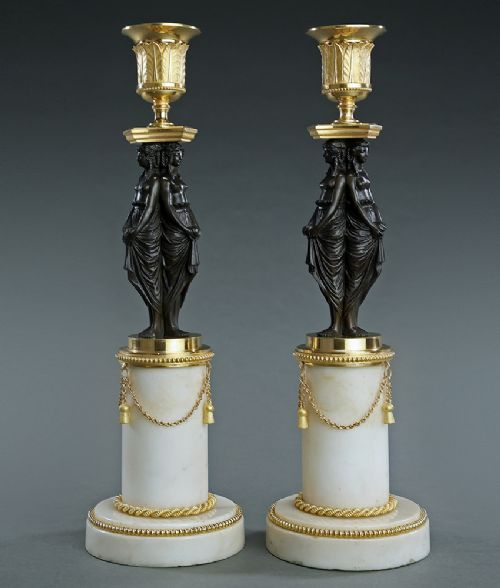
- A method of applying finely ground high-carat gold to a bronze base using a mercury amalgam. This process yields a durable, rich golden surface typical of high-end French furnishings.
- Patinated Bronze
- Metal treated with chemical solutions to produce a controlled dark or brown surface tone. It provides contrast against gilded highlights.
- Caryatid
- A sculpted female figure serving as an architectural support. These appear frequently on the stems of candlesticks and corners of furniture.
- Grand Tour
- A cultural journey undertaken by wealthy Europeans to study classical antiquities. Souvenirs from these travels often inspired later bronze casts.
- Cartel clock
- A wall-mounted timepiece housed in an elaborate ornamental frame. They frequently feature neoclassical symmetry and gilt bronze mounts.
French Neoclassic Bronze: Frequently Asked Questions
What periods do these bronzes cover?
The inventory spans the nineteenth and early twentieth centuries, encompassing original nineteenth-century items alongside later revival periods.
Stylistic cues draw heavily from eighteenth-century Louis XVI aesthetics and Napoleonic Empire designs.
How do I care for gilt bronze?
Dust surfaces gently with a soft, dry brush to prevent accumulation in recessed chasing. Avoid abrasive cleaning agents that can strip the delicate ormolu finish.
Keep pieces away from direct moisture and fluctuating heat sources to preserve the metal and stone elements.
Where were these pieces used?
Owners placed them in formal salons, libraries, and dining rooms of grand residences. Candelabras, clocks, and garniture sets adorned mantelpieces and centre tables.
Wall lights and chandeliers illuminated high-ceilinged interiors with reflected candlelight or early electric light.
How are original pieces distinguished?
Examine the weight, the hand-chased detail on the metal surface, and the method of joining components. Older pieces utilise traditional hand-cut screws and pins rather than modern fixings.
Patination shows natural wear patterns consistent with age and handling over generations.