
French Napoleon Mirror
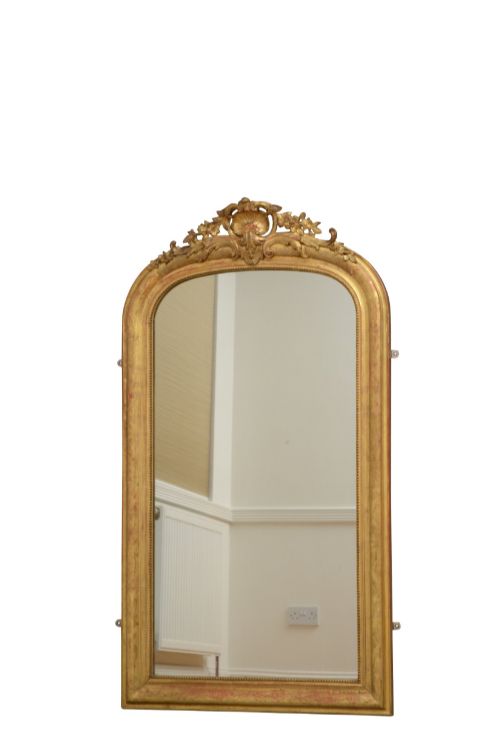
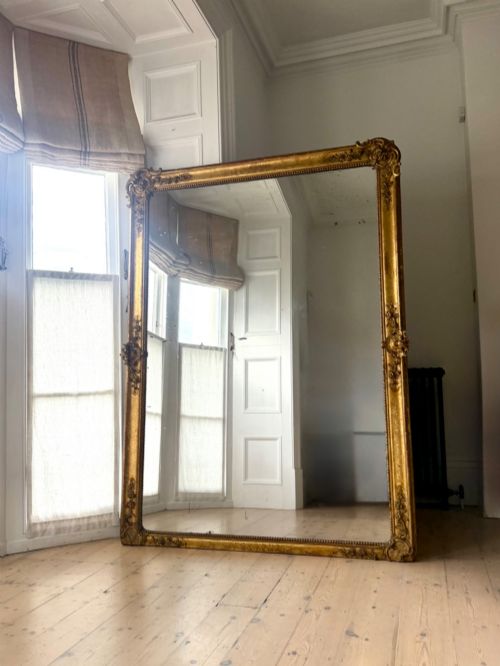
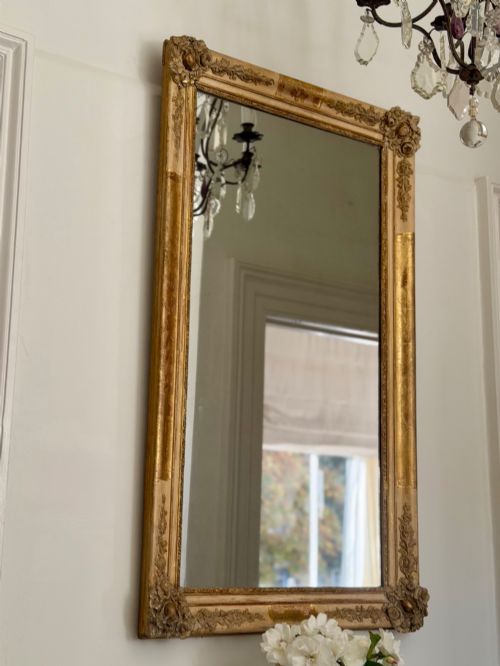
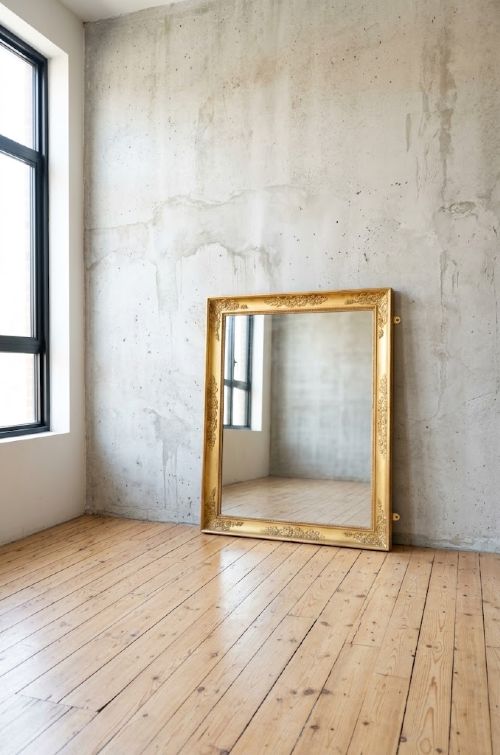
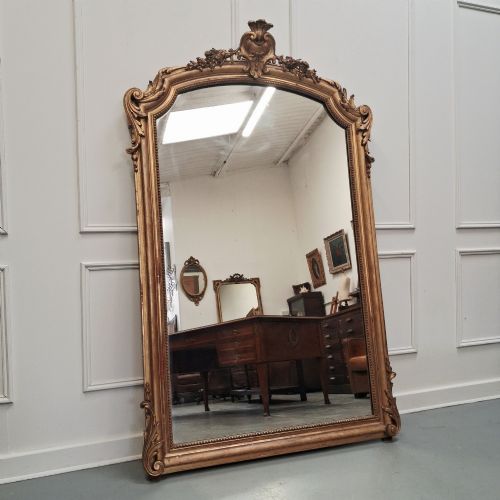
A french napoleon mirror brings nineteenth-century grandeur to a room, offering striking giltwood frames, deep bevels and robust proportions.
French Napoleon Mirror
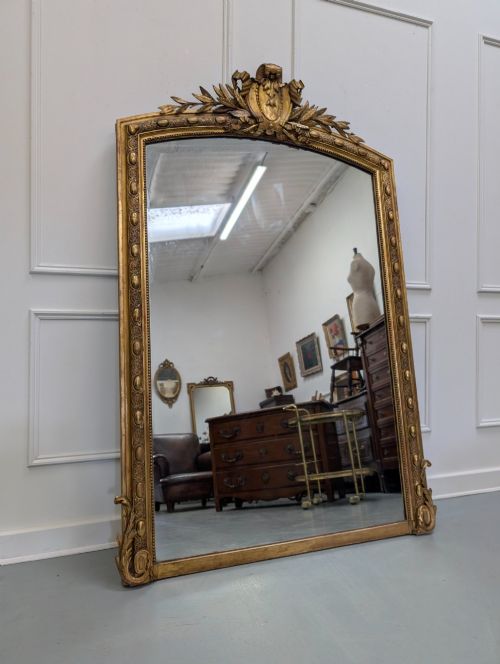
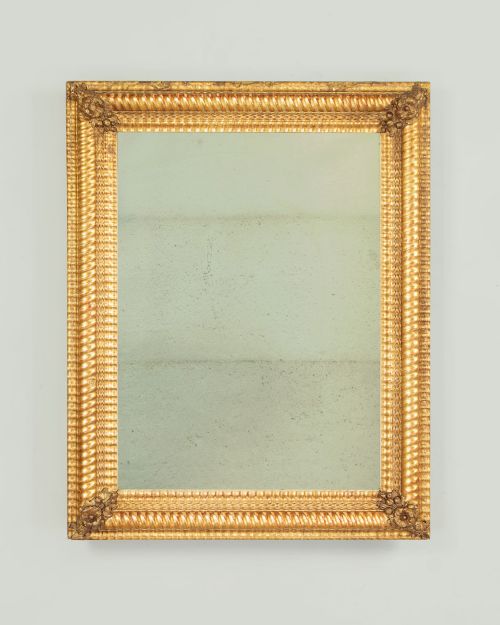
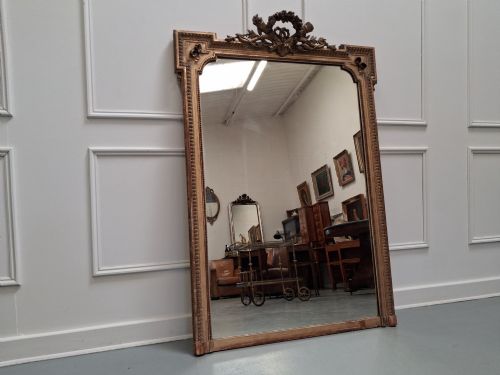
A french napoleon mirror typically spans the nineteenth century, encompassing Napoleon III, Second Empire and Regency revivals with distinct regional character. You will frequently encounter large overmantel mirrors, cushion frames and decorative wall hangings designed to catch and reflect light.
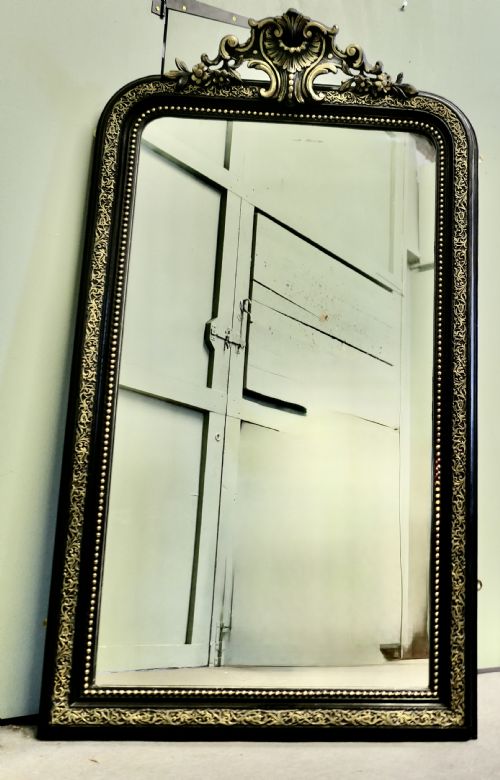
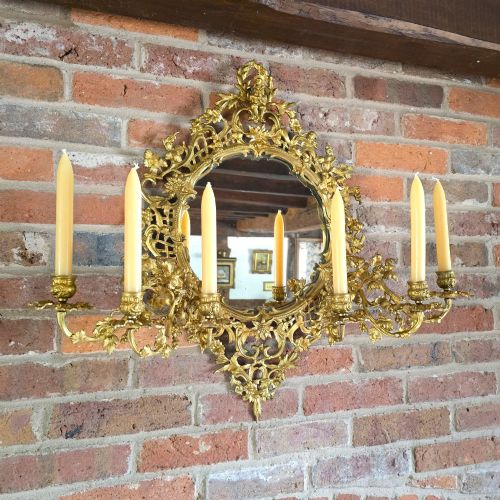
The forms range from imposing pier mirrors and architectural overmantels to smaller dressing table glasses and brass-mounted hanging pieces. Many examples feature mythological carvings, floral motifs or traditional crests atop ebonised or gilded timber foundations.
Materials and construction
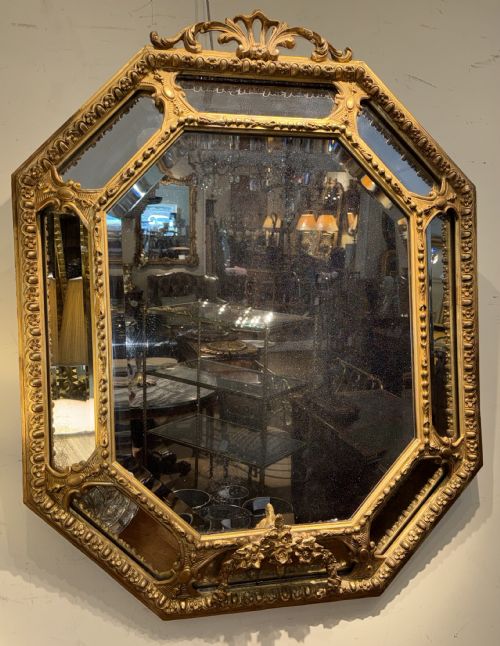
Carved wood and gesso form the primary structural base for many frames, allowing artisans to apply intricate relief ornamentation including floral garlands and figural crests. Giltwood, silver-gilding and gold leaf finish the surfaces, often paired with ebonised wood or contrasting black lacquer.
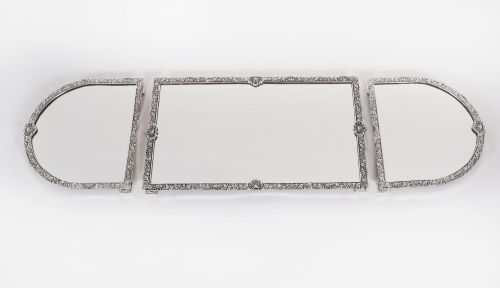
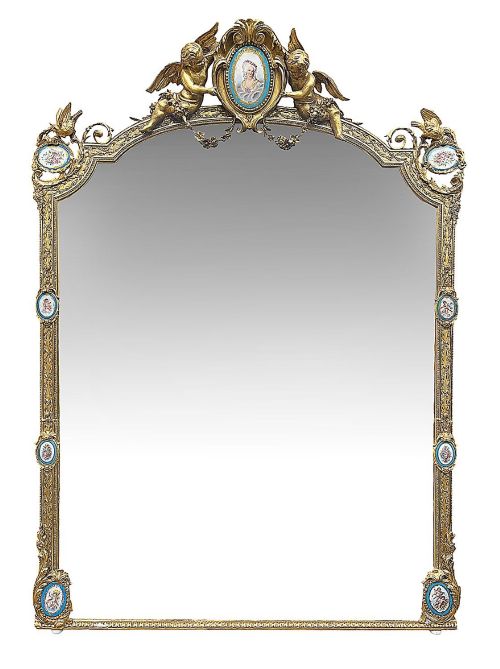
Metal mounts in ormolu, brass and champleve enamel frequently accent the frames, alongside pressed brass surrounds and porcelain plaques. Mirror glass is set within these heavy borders, sometimes utilising split plates or deep cushion profiles to add dimension.
Some frames conceal fierce dragon crests and torch motifs, standing guard over your hallway with nineteenth-century theatre.
What separates the best from the rest
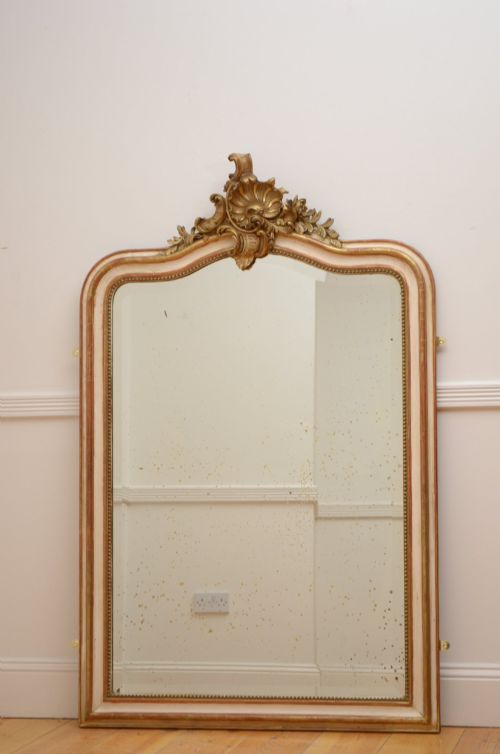
Depth and clarity of the hand-carved gesso ornamentation distinguish finer pieces from standard production, as crisp floral and mythological details retain their definition beneath layers of gilding. The integrity of the original mercury or silvered mirror glass also dictates desirability, with uniform ageing preferred over modern replacements.
Substantial timber construction and robust joinery ensure large overmantel and pier frames support their own weight securely. The precision of applied ormolu mounts, champleve enamel panels and dual-colour gilt highlights further elevates an example above simpler counterparts.
The French Napoleon Mirror Glossary
- Cushion mirror
- A frame profile featuring a rounded, convex sweep resembling a cushion, which projects outward from the wall.
- Gesso
- A plaster-like mixture applied to wood frames and carved or moulded into intricate decorative relief before gilding.
- Ormolu
- Gilded bronze mounts and decorative hardware applied to wooden furniture and mirror frames during the nineteenth century.
- Pier mirror
- A tall vertical glass designed specifically to hang on the narrow wall space between two windows.
- Split plate
- A mirror surface constructed from two or more distinct glass sections joined within a single frame.
French Napoleon Mirror: Frequently Asked Questions
Where should a french napoleon mirror hang?
These mirrors suit chimney breasts as overmantels or feature prominently above commodes and side tables in reception rooms.
Their substantial weight and reflective capacity mean they also work well on plain walls to bounce natural light around a darker space.
What defines a napoleon iii mirror?
Napoleon III pieces date from the mid-to-late nineteenth century, embracing eclectic revivals of French court styles with bold ornamentation.
They frequently combine ebonised wood with rich gilding, mythological crests, and heavy brass or bronze mounts.
Are original mirror plates always clear?
Original nineteenth-century glass often exhibits foxing, dark spots and minor silvering loss developed over decades of exposure.
This natural ageing process proves authenticity and is valued by collectors for the gentle character it imparts.