
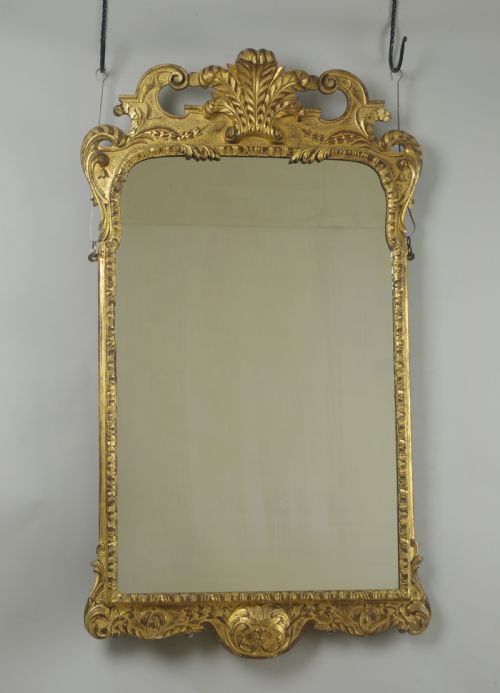
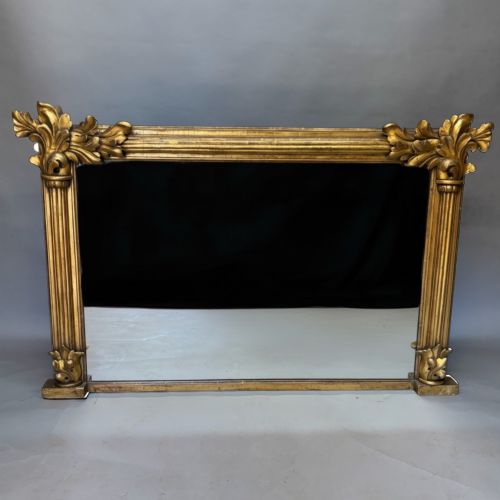
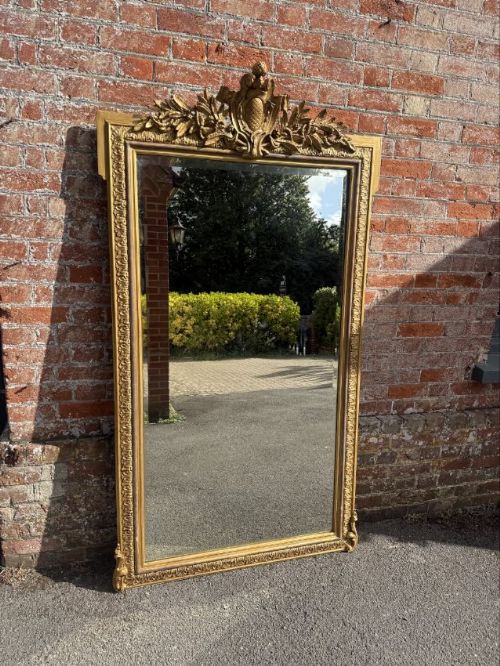
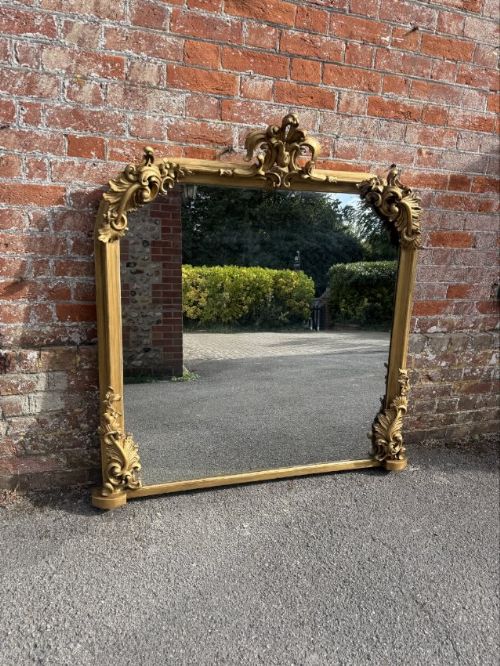
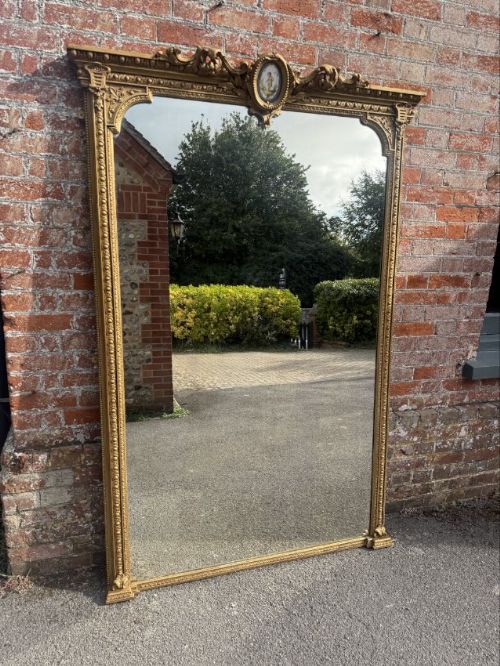
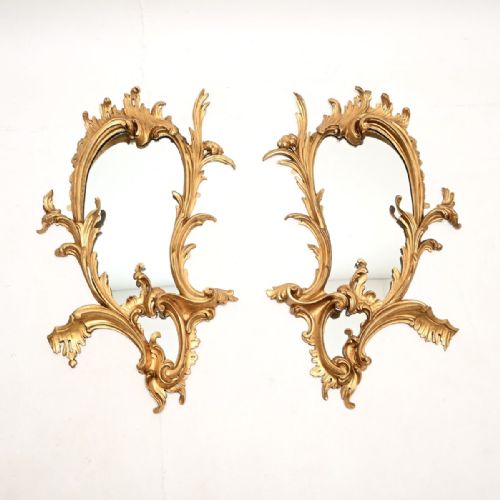
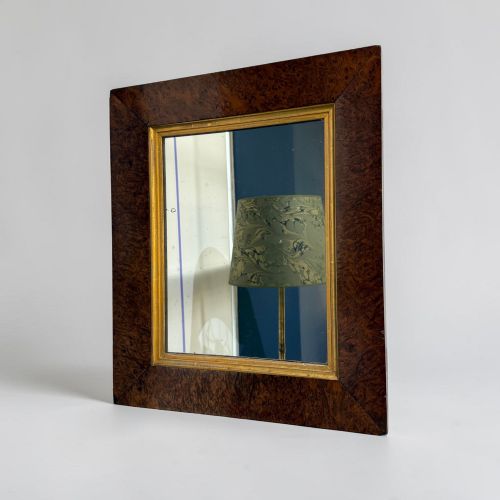
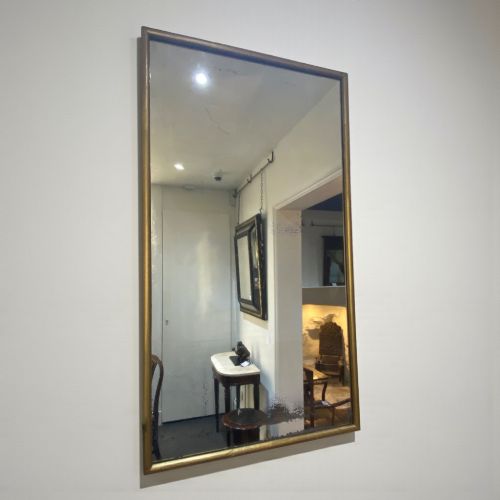
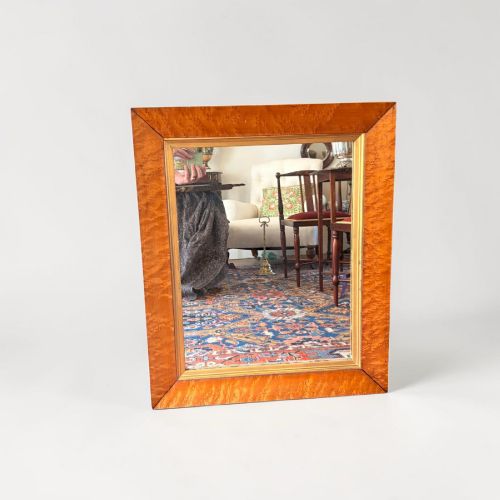
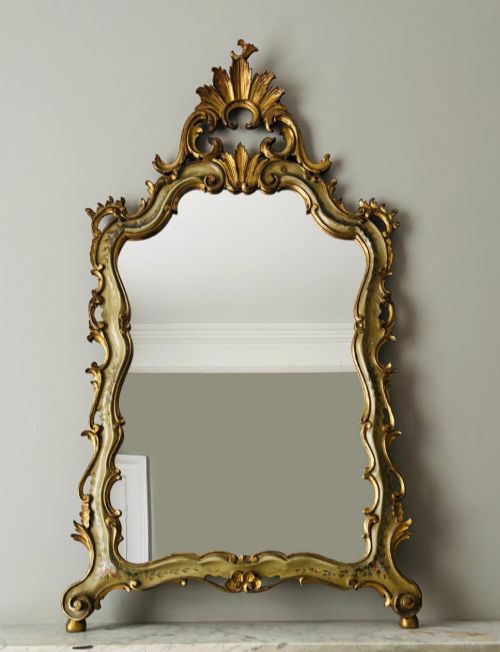
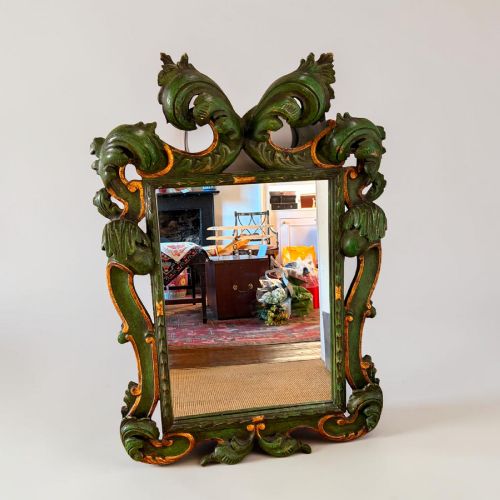
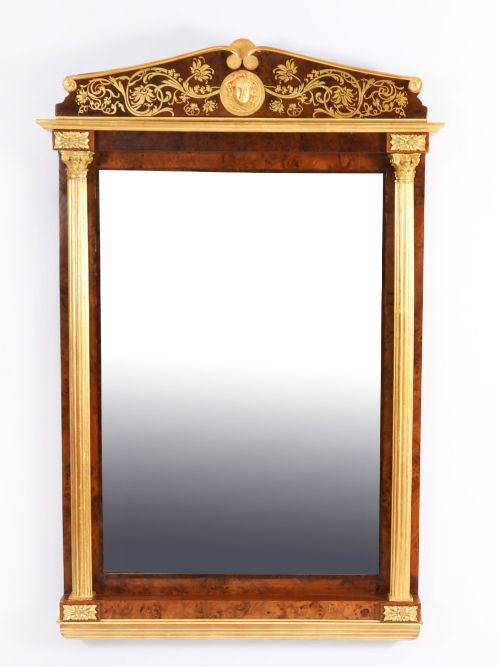
Gilt Wood Frame Mirror
These gilt wood frame mirror selections offer historic character and brilliant reflection, bringing warmth and ornate detail to any room.
Gilt Wood Frame Mirror
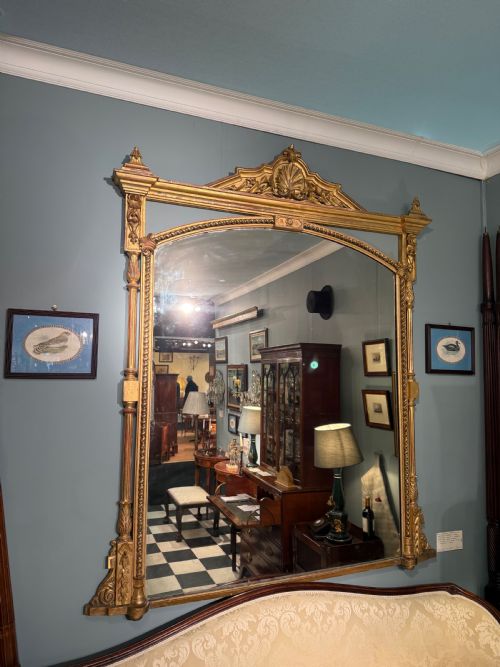
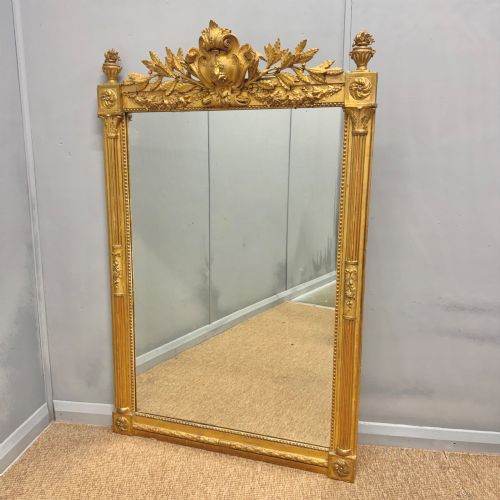
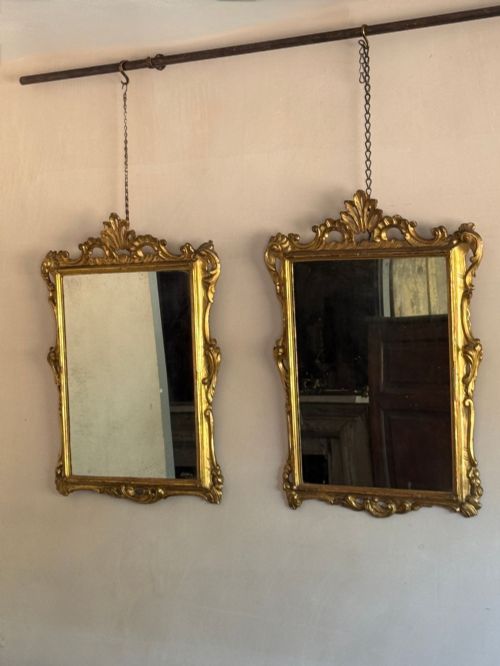
A gilt wood frame mirror brings centuries of craftsmanship into a contemporary interior, drawing on designs ranging from the eighteenth century to the early twentieth century. Buyers encounter grand nineteenth-century English overmantels alongside refined French wall mirrors and intricate Italian Florentine pieces.
The selection encompasses diverse forms including substantial overmantel mirrors designed to sit above fireplaces, tall pier glasses, and delicate oval or circular frames. Many examples display regional characteristics such as French Louis Philippe styling or Venetian glasswork.
Originating from periods spanning the Georgian era through to the Edwardian decades, these pieces showcase decorative movements like Rococo and Neoclassical design. Each item functions simultaneously as a utilitarian looking glass and a primary decorative statement.
Materials and construction
The construction typically relies on a timber base of wood or walnut, which is then overlaid with gesso to build up intricate relief ornaments and mouldings. Artisans carved complex floral motifs, acanthus leaves, and rope twist patterns directly into this prepared surface before gilding.
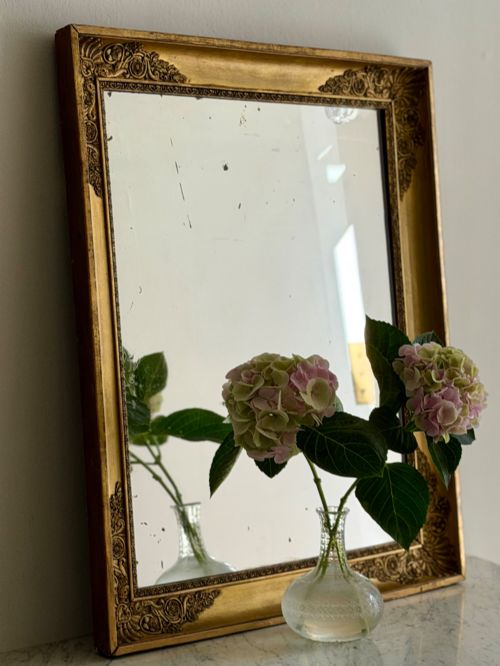
Gilding was achieved by applying thin layers of gold leaf or composition metal onto the gesso ground, creating a luminous metallic finish that catches ambient light. Many older examples feature original mirror glass, occasionally displaying foxed silvering or historic mercury backing.
Listings feature eighteenth and nineteenth-century pieces alongside early twentieth-century examples, incorporating walnut, gesso, and original mercury glass plates.
Judging the quality
Quality rests in the depth and crispness of the hand-carved wooden details and the preservation of the original gesso and gold leaf surfaces. Superior examples demonstrate confident execution in ornamental motifs like ribbon crests and mythological carvings without muddy or flattened relief.
The integrity of the plate glass and the retention of historic mirror plates further distinguish finer pieces from later replacements. Balance in proportions, substantial weight in the framing timber, and the harmonious integration of the frame with its original backing indicate superior historic manufacture.
The Gilt Wood Frame Mirror Glossary
- Giltwood
- Wood that has been coated with gold leaf or a gold-coloured metallic finish. This material forms the primary visual and structural base for many antique wall mirrors.
- Gesso
- A plaster-like mixture applied to wood frames to create a smooth surface for carving and gilding. It allows artisans to shape intricate relief ornamentation.
- Overmantel Mirror
- A large mirror specifically proportioned to hang on the wall directly above a fireplace mantel. These pieces frequently dominate a room's interior architecture.
- Mercury Glass
- An antique style of mirror glass created by pouring a mercury amalgam behind the glass plate. It produces a characteristic dark, mottled reflection known as foxing.
- Pier Glass
- A tall, narrow mirror designed to hang on the wall space between windows. These mirrors maximise natural light within period drawing rooms.
Gilt Wood Frame Mirror: Frequently Asked Questions
Where should I hang an overmantel mirror?
These large mirrors are traditionally mounted centrally above a living room fireplace to reflect light and anchor the room's proportions.
They also function effectively on main feature walls in hallways or dining rooms where their substantial scale creates a focal point.
How do I identify mercury glass?
Historic mercury glass exhibits distinctive dark speckles, patches, and a deep, cloudy reflection caused by the breakdown of the backing over time.
This natural foxing distinguishes genuine antique plates from modern replacements and adds historic character to the reflection.
What is a trumeau mirror?
A trumeau mirror incorporates an integrated oil painting or decorative panel within the upper section of the wooden frame.
Originating largely in France, these architectural pieces were designed to fit specific wall panels within period drawing rooms.