


French Napoleon III Box
A French Napoleon III box brings together ornate brass inlay, rich woods and gilt bronze mounts from the mid to late nineteenth century.
French Napoleon III Box
When you search for a French Napoleon III box, you encounter a variety of receptacles designed for dressing tables, writing desks and drawing rooms. The selection includes decorative boxes, jewellery caskets, trinket boxes, tea caddies and glove boxes dating predominantly from the nineteenth century.
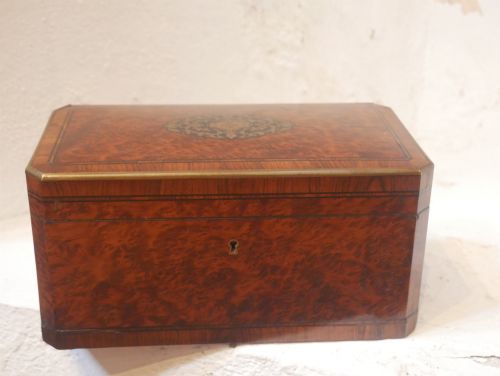
The version you are most likely to meet on this page combines rich timber foundations with metallic mounts or elaborate marquetry. These pieces reflect the decorative revivals and opulent tastes of the Second Empire period in France.
Beyond standard storage vessels, the form extends to specialised containers such as liquor cellars housing decanters, and small display tables or bijouterie pieces. Each serves as a tangible example of nineteenth century craftsmanship tailored to upper-class domestic utility.
Materials and construction
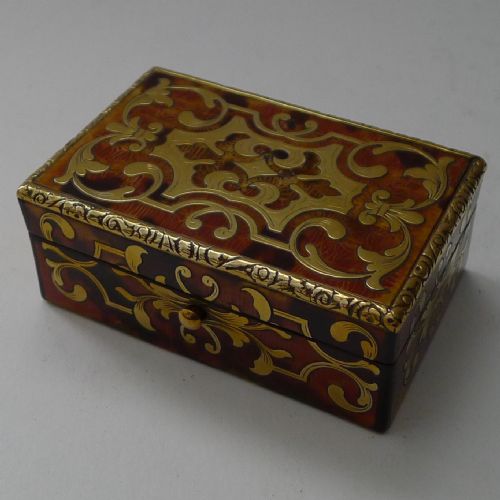
These items are constructed from solid wood carcasses veneered in exotic timbers such as amboyna, thuya, satinwood, kingwood, ebonised wood and tortoise shell. Artisans enriched these surfaces using precise brass and metal inlay executed in the boulle technique.
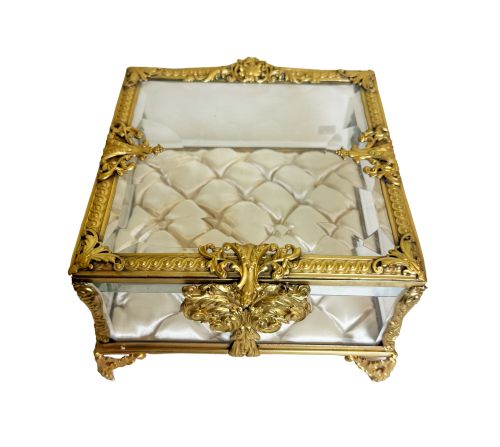
Gilt bronze and ormolu mounts provide structural framing and decorative corners, often cast with intricate scrollwork and floral motifs. Glass and crystal components, occasionally supplied by makers like Baccarat or inset with Sevres-type porcelain plaques, integrate directly with the metal frameworks.
Listings demonstrate a strong presence of 19th Century and Victorian periods alongside materials such as brass, tortoiseshell, ormolu and crystal.
Distinctions in quality
The standard of a piece depends heavily on the precision of its marquetry and the crispness of its metal casting. Finer examples display meticulously fitted brasswork flush against the underlying timber without gaps or uneven edges.
Superior execution shows in the weight and detail of the ormolu mounts, where hand-chasing enhances the cast bronze. The choice of primary veneer, interior lining materials and the inclusion of original working locks or keys also distinguish higher-tier pieces from simpler production.
Tahan Paris
The French Napoleon III Box Glossary
- Boulle
- An intricate form of marquetry utilising brass and tortoise shell inlaid in contrasting patterns, named after the famous cabinetmaker Andre-Charles Boulle.
- Ormolu
- Gilded bronze applied as decorative mounts, feet and handles on furniture and boxes.
- Tantalus
- A locking beverage container holding decanters visible yet secured against unauthorized access.
- Bijouterie table
- A glass-topped display table designed to showcase small valuable items and jewellery.
- Cave a liqueur
- A fitted box containing glass decanters and small glasses for serving liqueurs.
French Napoleon III Box: Frequently Asked Questions
What is a French Napoleon III box?
It is an ornamental container produced during the French Second Empire period, featuring luxurious materials like ormolu mounts, exotic wood veneers and brass inlay.
These receptacles were made to hold jewellery, gloves, tea, writing materials or glassware for elite nineteenth-century households.
How were these boxes used?
They functioned as elegant accessories placed on dressing tables, desks and drawing-room surfaces to store personal valuables or serve refreshments.
Larger variants served as liquor cellars with decanters or display cases for small treasured possessions.
How do I identify the period?
Look for characteristic design markers of the mid to late nineteenth century, including Second Empire styling, heavy gilt-bronze mounts and boulle marquetry.
Materials like ebonised wood, crystal glass and specific veneer choices also point directly to this Victorian-era French aesthetic.
Are keys usually included?
Original working keys occasionally accompany these pieces, though many survive without them due to the passage of time.
Boxes fitted with locks often retain functional mechanisms even if the original key is missing.