
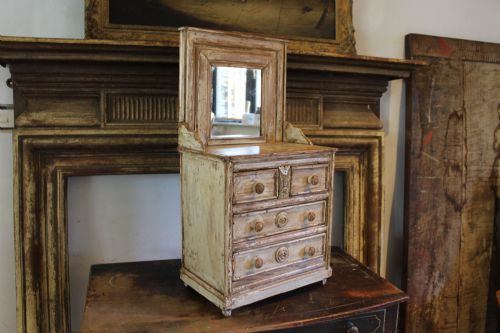


19th Century Dressing Box
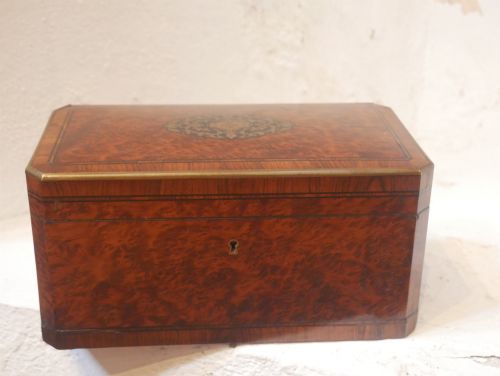
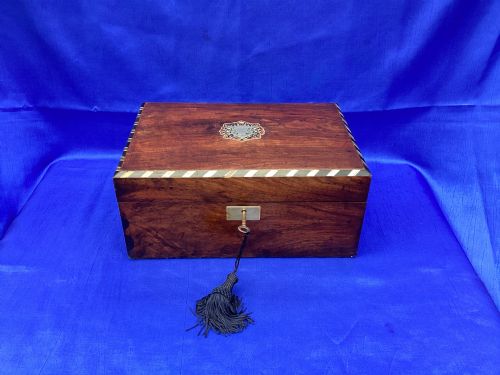
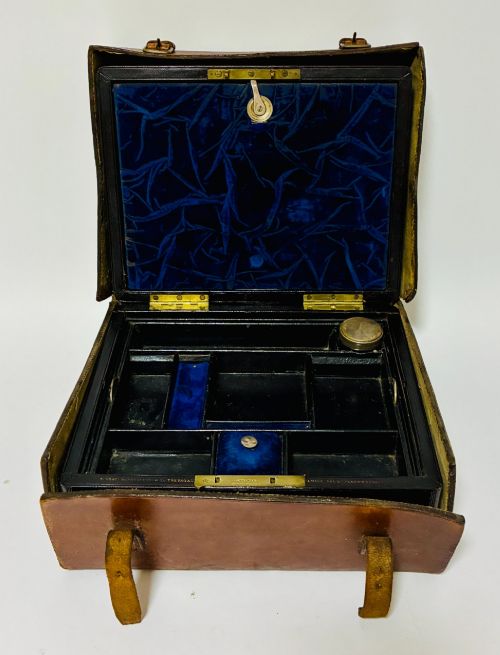
These pieces are a 19th century dressing box, crafted to hold personal grooming items, cosmetics, and jewellery during travel or at home.
19th Century Dressing Box
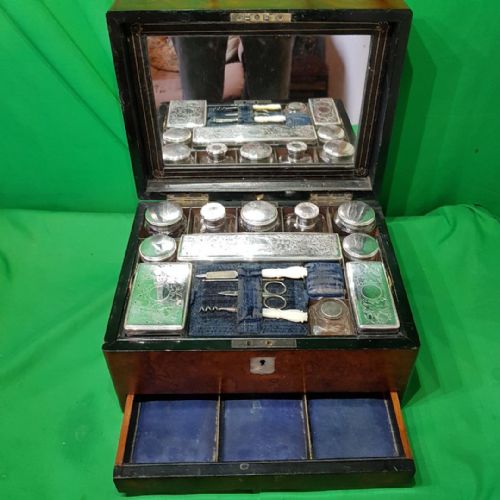
A 19th century dressing box serves as a portable container for personal grooming equipment, cosmetics, and small valuables, often fitted with internal compartments and mirrors. These items originate from periods such as the Georgian, Regency, William IV, and Victorian eras, alongside French nineteenth-century and Belle Epoque examples.
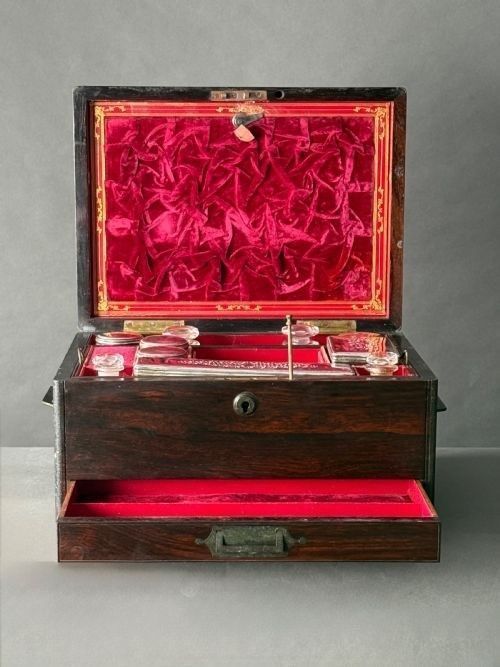
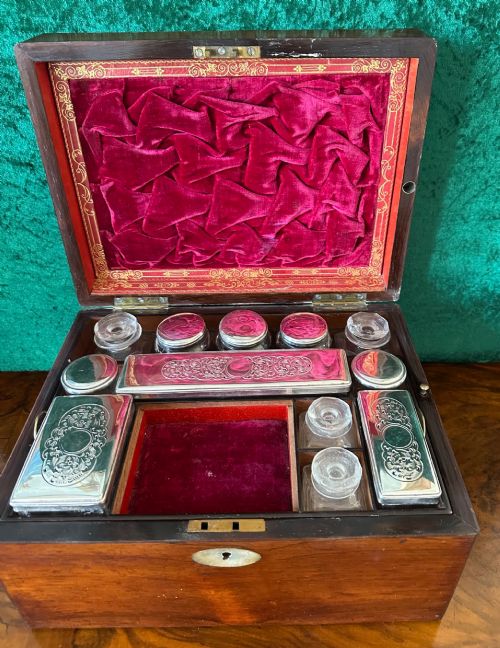
The objects take several distinct forms, including vanity boxes, travel cases, writing slopes, and dressing table jars, alongside matching mirrors in mahogany, oak, or rosewood. Buyers frequently encounter fitted wooden boxes equipped with glass scent bottles, velvet linings, and secret drawers designed for secure storage.
Originating from English and continental workshops, these containers reflect the travel habits and domestic routines of the well-to-do classes during the eighteen-hundreds. Their construction varies from modest travelling sets to elaborate cabinets mounted in brass and lined in silk.
Materials and construction
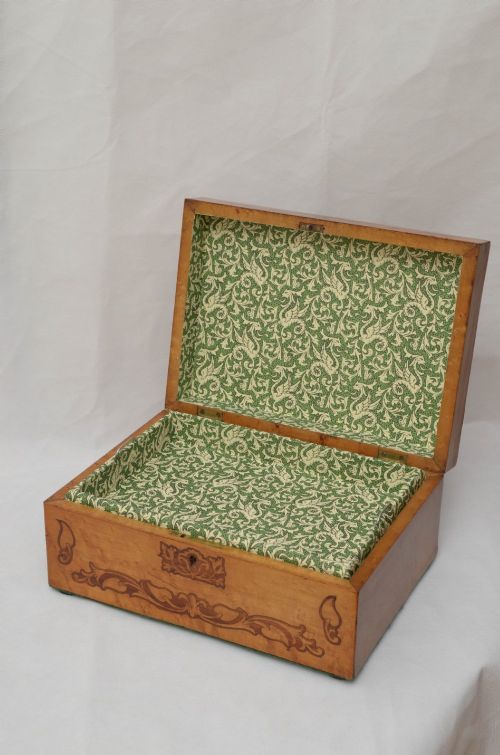
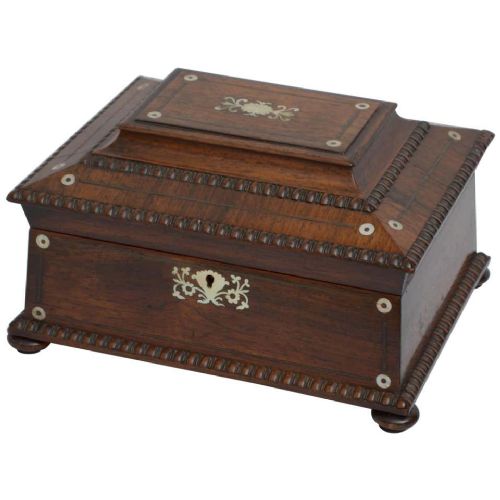
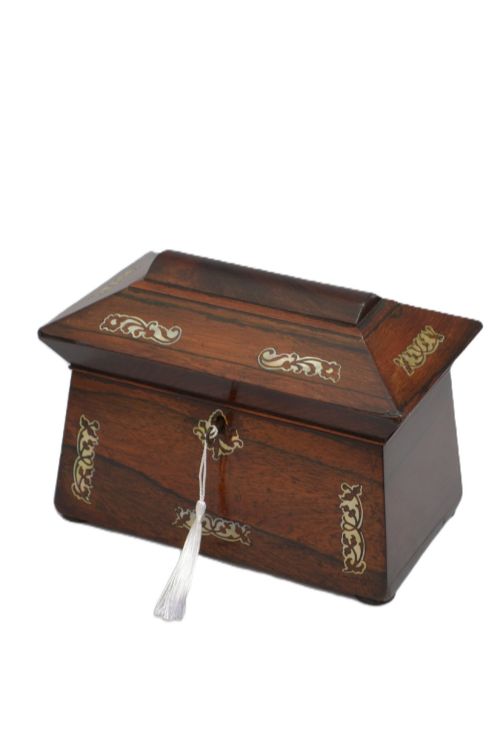
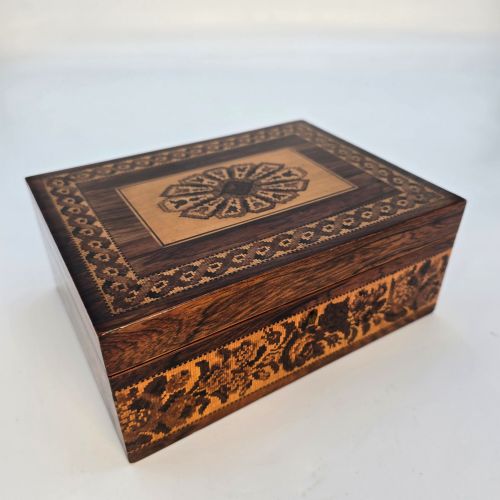
Cabinet makers utilised dense hardwoods such as rosewood, mahogany, coromandel, burr walnut, and bird's eye maple as the primary structural foundations for these items. Surfaces frequently incorporate decorative veneers, Tunbridge Ware marquetry, tulipwood inlay, or mother-of-pearl ornamentation.
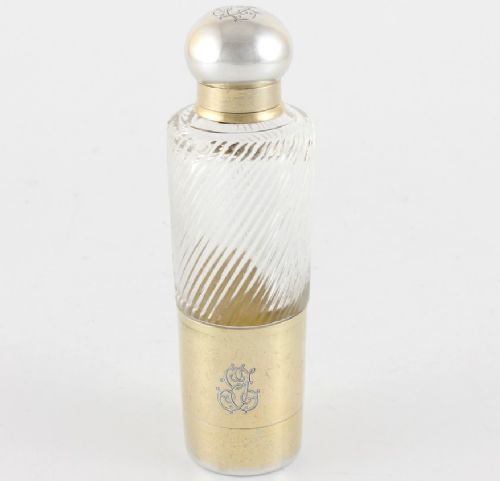
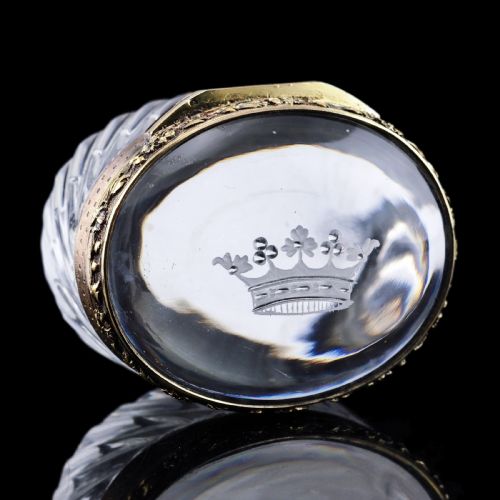
Metal mounts in brass, sterling silver, and silver gilt reinforce corners, lids, and lock mechanisms, while interiors incorporate glass perfume bottles, pill boxes, leather compartments, and velvet linings. French makers additionally introduced enamelled glass, porcelain, and intricate metal casting into their dressing table items.
Current listings feature diverse timber foundations, including rosewood, mahogany, burr walnut, coromandel, and bird's eye maple.
The spectrum of quality
Excellence in a 19th century dressing box rests upon the selection of timber veneers, the precision of the marquetry or brass inlay, and the integrity of the internal fittings. Superior examples retain their original glass flasks with matching silver lids, complete velvet or leather linings, and functional locks with working keys.
At the simpler end of the range, boxes rely on plain mahogany or oak construction with basic cloth interiors and missing accessories. The presence of named maker signatures on the locks or leather trim elevates the standing of an individual piece significantly.
Tahan Paris·Tonnel Paris·Edmund Nye·H Mitchell·Emile Langlois·Posen of Frankfurt and Berlin
The 19th Century Dressing Box Glossary
- Tunbridge Ware
- Woodworking involving tiny mosaic tiles of coloured wood to form pictorial or geometric surface patterns. This technique originates from the spa town of Tunbridge Wells in Kent.
- Coromandel
- A dense, heavily figured timber imported from Asia, prized for its dark brown colour and contrasting black stripes. Cabinet makers employed it for luxury boxes during the Victorian period.
- Campaign box
- A portable chest or box constructed for military use or travel, typically featuring recessed brass carrying handles and reinforced corners. These items are built to withstand frequent transit.
- Writing slope
- A desk accessory featuring a slanted writing surface that opens to reveal internal storage compartments for paper, inkwells, and pens. Many 19th century examples combine this function with jewellery storage.
- Silver gilt
- Sterling silver that has been coated with a thin layer of gold on its surface. This treatment provides the appearance of solid gold while utilising silver as the base material.
19th Century Dressing Box: Frequently Asked Questions
What fits inside a dressing box?
These boxes contain fitted compartments designed to hold glass scent bottles, small jars, combs, brushes, and cosmetic containers. Additional sections accommodate jewellery, watches, and sometimes folding mirrors.
Larger travelling cases include writing equipment and separate compartments for linen or personal documents, keeping all daily necessities organised during journeys.
How do I identify the period?
Dating relies on timber choices, decorative styles, and construction methods characteristic of different decades. Georgian and Regency pieces favour mahogany and rosewood with restrained brass mounts, while Victorian examples often utilise burr walnut and coromandel.
Maker stamps on locks, leather linings, or silver hallmarks provide definitive dates through official registry marks and silversmith records.
Were these boxes meant for travel?
Many examples were specifically constructed as travelling cases for use on carriages, trains, and ships. They feature sturdy exterior woods, recessed carrying handles, and secure lock mechanisms to protect fragile glass and silver contents.
Other variations remained stationary on dressing tables in bedrooms, serving as elegant receptacles for daily jewellery and cosmetics rather than enduring the rigours of transit.
How do I care for the wood and leather?
Wooden surfaces benefit from occasional applications of traditional wax polish to nourish the grain and protect historical veneers. Direct sunlight and sudden temperature changes should be avoided to prevent warping and splitting in old timber.
Interiors lined with velvet, silk, or leather require gentle dusting with a soft dry brush, as moisture can damage fragile textiles and corrode metal mounts.