



French Napoleon III Bookcase
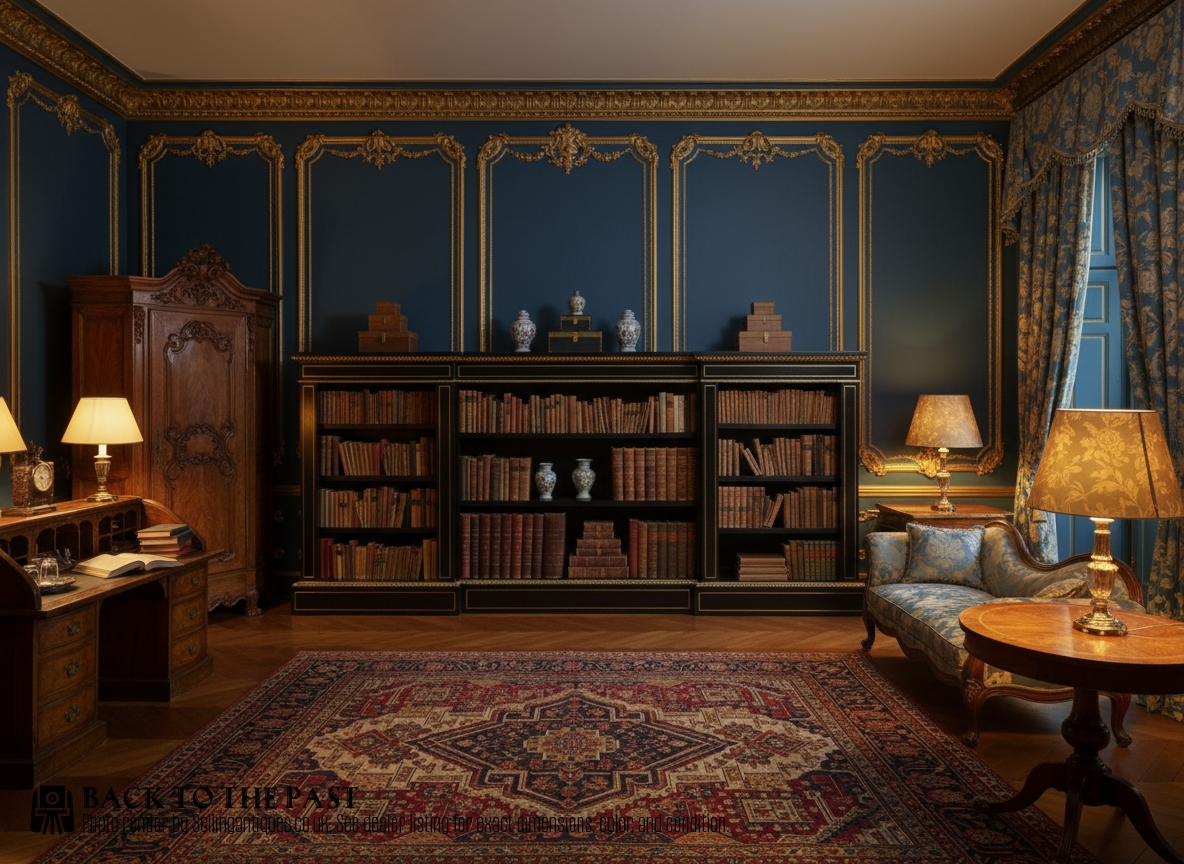
A french napoleon iii bookcase brings architectural presence and rich decorative detail into a room through figured veneers, brass mounts, and glazed display spaces.
French Napoleon III Bookcase
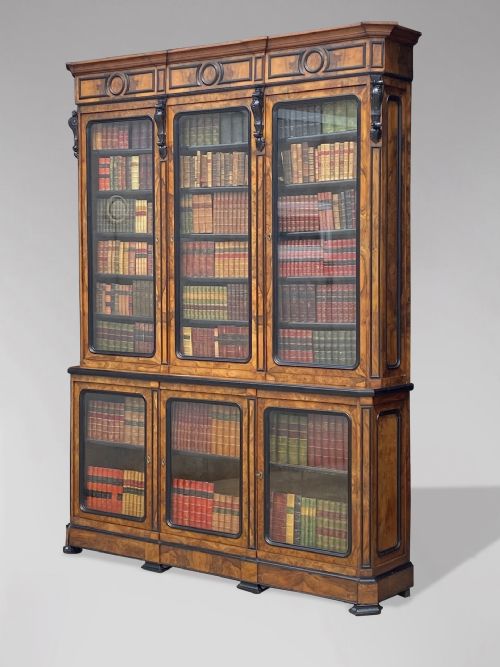
A french napoleon iii bookcase encompasses nineteenth-century library furniture, open display units, pier cabinets, and glazed vitrines originating from the mid to late nineteenth century. These pieces emerge across periods spanning the 1850s to the 1900s, often carrying stylistic traits associated with the Second Empire and French Empire revivals.
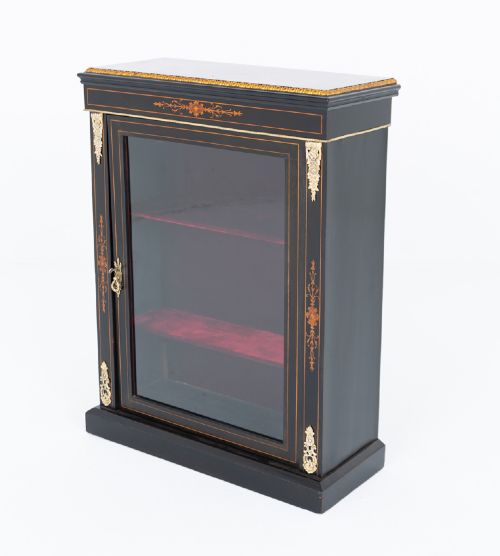
Buyers seeking this phrase frequently encounter ebonised timber surfaces, kingwood or walnut veneers, and marble tops paired with glass doors. The selection ranges from neat side cabinets to large library bookcases and tall display units mounted with ormolu.
Materials and construction
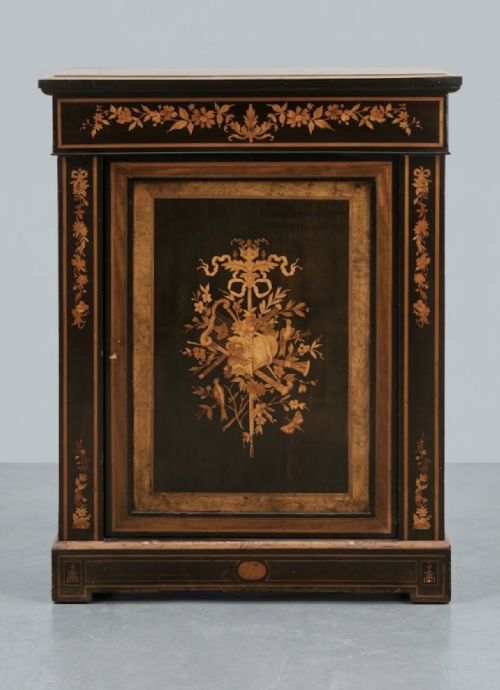
Cabinet makers utilised dense hardwoods including walnut, kingwood, mahogany, and ebonised wood as the structural base for marquetry and Boulle inlay. Brass and tortoiseshell create intricate patterns across cabinet doors and friezes, secured alongside gilt metal mounts and ormolu framing.
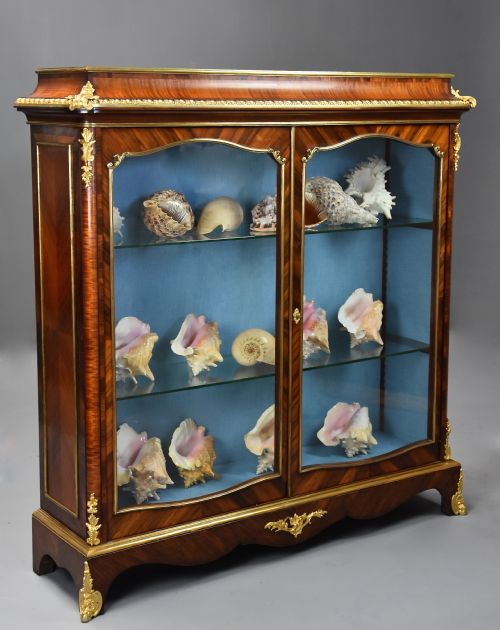
Glazed panels enclose shelving for books and display objects, while inset marble slabs frequently cap the upper surface of pier cabinets and side units. Ormolu mounts accentuate the corners, pilasters, and cornices of these architectural forms.
Tortoiseshell and brass Boulle inlay turns nineteenth-century book storage into a shimmering exercise in French decorative excess.
Execution and finish
Quality rests upon the precision of the brass and tortoiseshell inlay, the crispness of the cast ormolu mounts, and the selection of figured veneers such as kingwood and walnut. Finer examples display meticulous attention to marquetry detail and substantial bronze or gilt metal hardware.
The integration of marble tops, well-fitted glass doors, and balanced proportions distinguish high-grade workshops from simpler commercial production. Structural integrity in the ebonised or polished timber finish completes the distinction.
Paul Sormani
The French Napoleon III Bookcase Glossary
- Ormolu
- Gilded bronze mounts applied to furniture for decorative contrast. This technique highlights corners, locks, and cornices on nineteenth-century pieces.
- Boulle
- Marquetry technique utilising tortoiseshell and brass inlay developed in France. It creates intricate metallic patterns across dark timber surfaces.
- Ebonised
- Timber treated to resemble ebony through dark staining and polishing. This finish provides a stark backdrop for brass mounts and gilt details.
- Pier cabinet
- A low cabinet designed to stand against the wall space between windows. These units frequently feature glazed doors and marble tops.
- Bibliotheque
- French term for a large bookcase or library cabinet. Such pieces often incorporate glazed double doors and adjustable shelving.
French Napoleon III Bookcase: Frequently Asked Questions
What is a french napoleon iii bookcase?
A french napoleon iii bookcase is a nineteenth-century storage piece created during the Second Empire period in France, combining rich timber veneers with decorative metal mounts and glass display doors.
These cabinets served as both functional library furniture and formal display pieces for drawing rooms and studies, featuring distinct architectural proportions.
How do I identify boulle work?
Boulle work is characterised by detailed marquetry patterns formed from tortoiseshell and cut brass inlaid into a dark wood background. The technique creates a striking contrast of warm amber tones and metallic gleam.
Craftsmen often reversed the materials to create contrasting counterpart designs across pairs of cabinets or doors.
Where should I place a pier cabinet?
A pier cabinet fits well against narrow wall spaces, particularly between windows or in alcoves where floor space is limited. Their modest footprint makes them practical for smaller rooms.
These cabinets also function effectively as display surfaces for smaller decorative objects beneath a mirror or artwork.
How do I care for ebonised wood?
Ebonised wood requires gentle cleaning with a soft, dry cloth to remove dust without disturbing the polished dark surface. Avoid moisture and direct sunlight to protect the finish.
Occasional application of appropriate furniture wax helps maintain the lustre of the wood and protects the brass mounts.