




French Movement Desk Clock
These French movement desk clock pieces bring precise horology and striking architectural design into a room, making them essential for any serious collector of period timepieces.
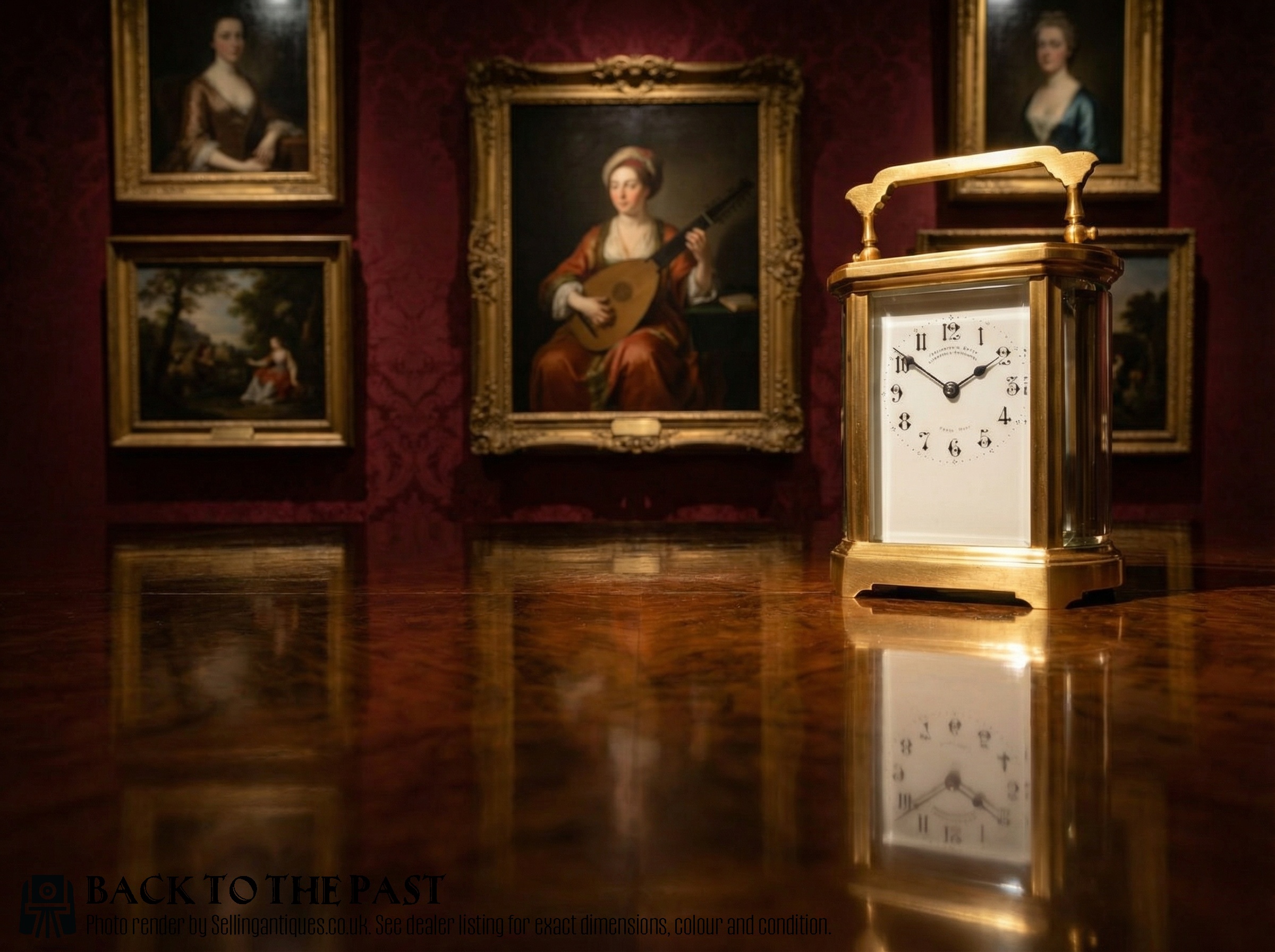
French Movement Desk Clock
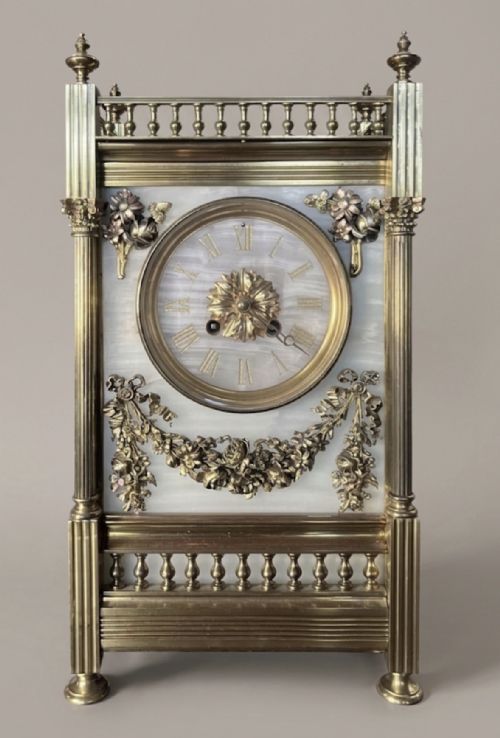
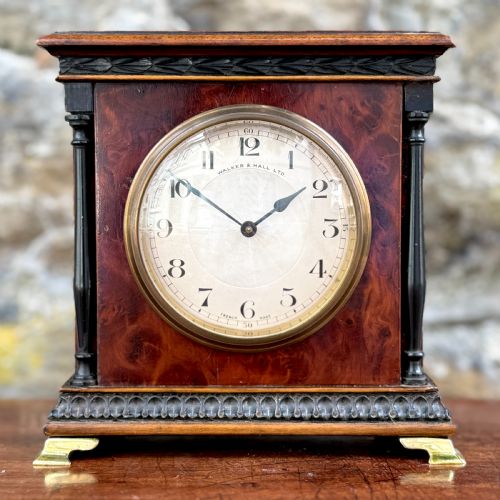
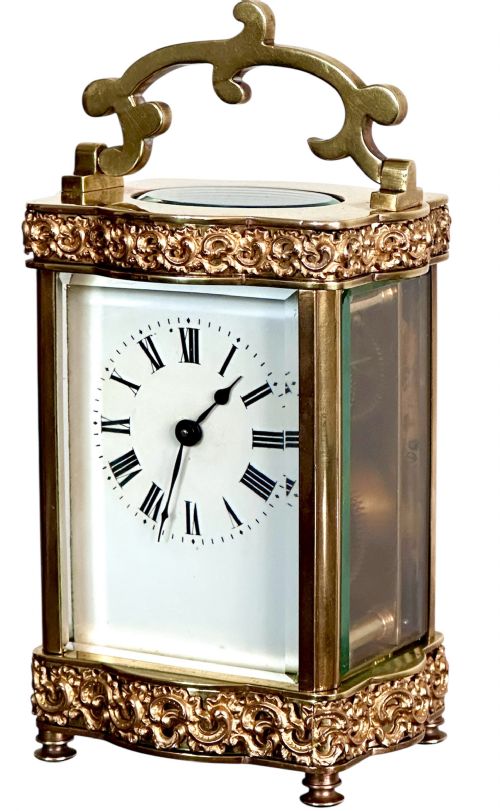
A french movement desk clock combines sophisticated mechanical engineering with decorative appeal, drawing from periods such as the nineteenth century, Victorian era, and Edwardian times. These instruments manifest as carriage clocks, mantel pieces, and four-glass enclosures designed to sit prominently upon a surface.
The aesthetic vocabulary encompasses French Rococo Revival, Second Empire, and Chinoiserie styles. Pieces frequently incorporate travelling carriage formats or substantial mantel designs that reflect the domestic tastes of their respective eras.
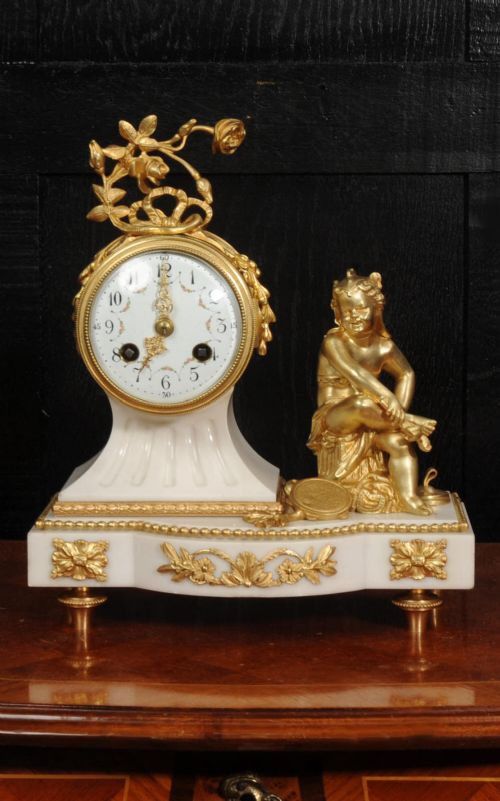
Makers and houses recorded in the evidence range from notable French names to English retailers housing continental mechanisms. Buyers encounter brass carriage designs alongside marble and ormolu mantel formats.
Materials and construction
Horologists utilised durable metals including brass, gilt bronze, and ormolu to form robust structural cases. Glass panels often encase the mechanisms, allowing a clear view of the escapement and gear trains within.
French Movement Desk Clock Retail Price Guide 2026
Typical asking prices for french movement desk clock among the pieces listed under this phrase on Sellingantiques today, from the lower quarter to the upper quarter. They describe what is for sale here now, not the wider market.
Some carriage clocks include travel cases so hardy they outlived the carriages they once bounced inside.
Distinguishing quality in horology
Superior examples demonstrate refined casting and heavy gilding upon ormolu and bronze cases. The crispness of chased details on metalwork and the integration of auxiliary complications like repeat striking or date work indicate higher workshop standards.
The integrity and maintenance of the movement itself dictate overall merit. Fully restored mechanisms featuring platform escapements or fusee setups command greater respect from discerning buyers.
Japy Freres·Walker and Hall·Duverdrey and Bloquel·Hay London·Henry Berkeley Square London·FB Adams London·Marti·Jaeger Le Coultre·Penlington and Batty
The French Movement Desk Clock Glossary
- Carriage clock
- A portable spring-driven timepiece originally designed for travelling. These usually feature a brass or gilt case with glass sides and a handle on top.
- Fusee
- A conical pulley used with a cord or chain to maintain even force on the clock movement as the mainspring unwinds. This mechanical addition improves timekeeping accuracy.
- Ormolu
- Gilded bronze produced by applying a high-carat gold amalgam to a bronze base. It provides a rich, enduring metallic lustre characteristic of luxury continental pieces.
- Platform escapement
- A self-contained escapement unit mounted on a small platform inside a carriage clock. It replaced the pendulum to allow portable clocks to function while moving.
French Movement Desk Clock: Frequently Asked Questions
What is a french movement desk clock?
It is a timepiece driven by mechanical engineering developed or inspired by French horological traditions, housed in a portable or desk-friendly format.
These objects range from brass carriage clocks to decorative marble mantel pieces produced across the nineteenth and early twentieth centuries.
How do I wind my clock?
Most mechanical pieces require a specific winding key inserted into the dial or back plate to tension the internal mainspring. Care must be taken not to over-wind the mechanism.
Consulting the specific movement type, whether an eight-day spring or a fusee setup, ensures proper tension management without damaging the gears.
How can I tell the period?
Stylistic clues such as Rococo Revival curves or Edwardian proportions offer immediate visual hints to the decade of origin. Materials like slate and polished marble often point firmly toward Victorian production.
Maker signatures and hallmarks stamped on the movement back plates provide definitive chronological markers for dating the piece.
Where should I place a desk clock?
These pieces require a stable, level surface away from direct sunlight, excessive moisture, and temperature fluctuations. Wooden mantelpieces, sturdy desks, and secure tables work best.
Placing them where the ticking can be enjoyed without disturbance allows the mechanical action to become part of the room's atmosphere.