


Mechanical Winding Travel Clock
A mechanical winding travel clock is a portable timepiece housed in glass and brass, built for journeys and prized for intricate escapements.
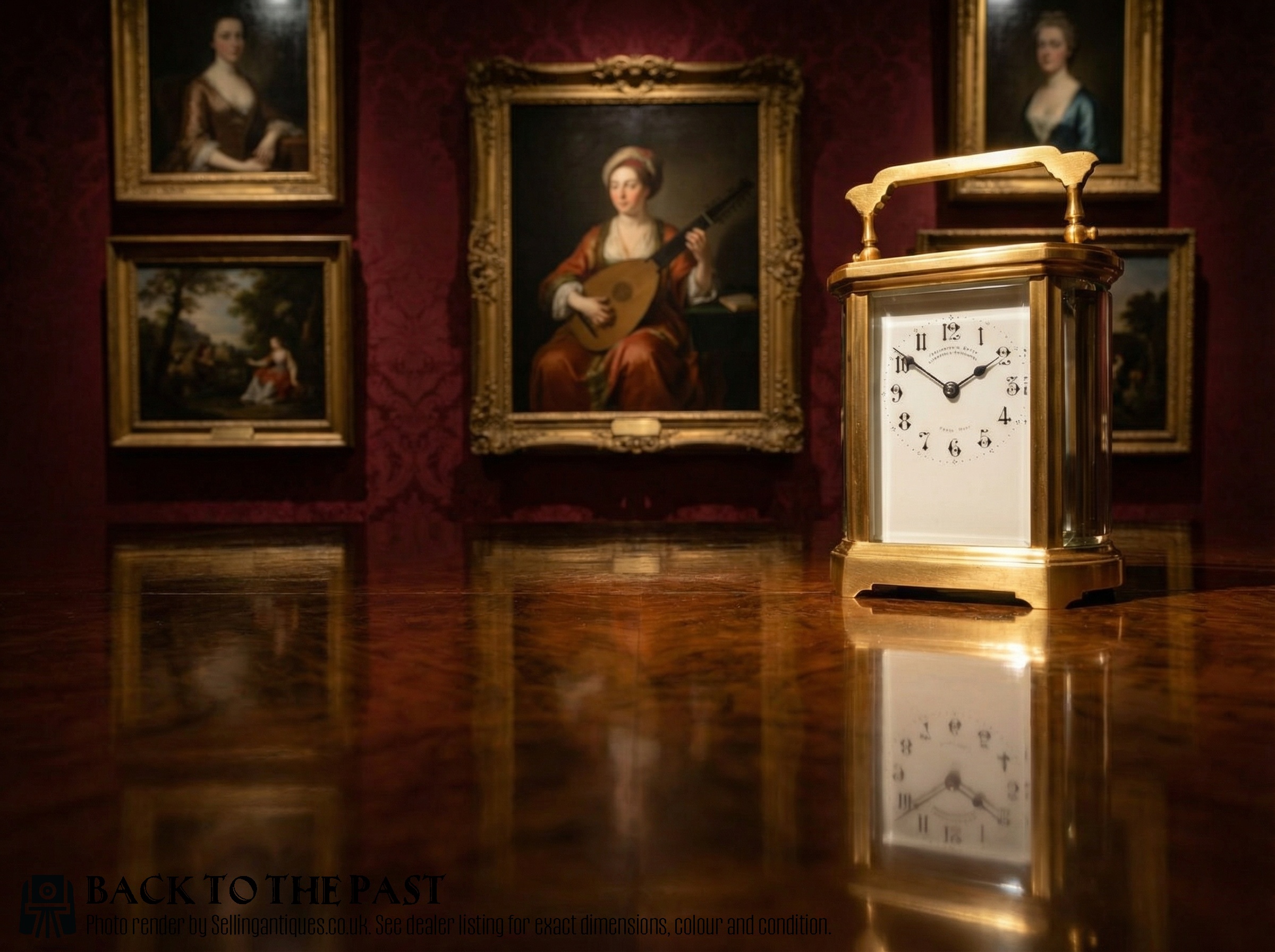
Mechanical Winding Travel Clock
When you search for a mechanical winding travel clock, you encounter carriage clocks produced across the nineteenth and early twentieth centuries. These portable timepieces originated to serve travellers requiring reliable timekeeping on the move.
The selections span Victorian, Edwardian and nineteenth century French aesthetics. Most examples take the form of brass and glass encased clocks, often combining winding movements with escapements designed for motion.
How they were made
Workshops utilised heavy brass and gilt bronze to form sturdy exterior cases intended to protect the internal mechanics during travel. Bevelled glass panels were fitted into the frames to allow a clear view of the escapement and dial.
Internal movements required precise mechanical engineering, incorporating winding mechanisms, levers, and sometimes alarm or repeater complications. Guilds and makers finished dials with enamel numerals and fine hands.
Mechanical Winding Travel Clock Retail Price Guide 2026
Typical asking prices for mechanical winding travel clock among the pieces listed under this phrase on Sellingantiques today, from the lower quarter to the upper quarter. They describe what is for sale here now, not the wider market.
Current listings feature pieces spanning the 1850s to the 1920s, constructed in brass, gilt bronze, enamel and glass under Victorian and Edwardian styles.
What varies in quality
Quality rests upon the complexity of the internal movement and the crispness of the exterior metalwork. Clocks featuring repeater mechanisms or alarm complications sit higher in the range than simpler time-only versions.
The weight of the gilt brass or bronze case and the clarity of the bevelled glass panels distinguish superior pieces. Signed dials from notable makers indicate finer workshop standards.
Mappin and Webb·Bourdin Paris·Joseph Soldano·Penlington and Batty
The Mechanical Winding Travel Clock Glossary
- Repeater
- A mechanism that chimes the hours and quarters upon demand when a lever is pressed. This complication required high skill from the horologist.
- Grande-sonnerie
- A striking train that sounds both the hours and the quarters automatically as they pass. It represents a complex form of clockwork.
- Gilt bronze
- Metal cast and coated with a layer of gold. It provides a durable and decorative surface for clock cases.
- Escapement
- The internal mechanism that controls the release of gear train energy to maintain the motion of the balance wheel.
Mechanical Winding Travel Clock: Frequently Asked Questions
How do I wind a mechanical travel clock?
Most models use a dedicated key inserted into winding squares on the back plate. Turn the key gently until resistance signals the mainspring is fully wound.
Avoid over-winding the mechanism, as this places undue tension on the internal spring components.
What is a repeater movement?
A repeater movement allows the clock to chime the time on demand when you press a button or lever. This feature was useful for checking the hour in the dark during a journey.
Simpler versions sound only the hours, while more complex mechanisms strike quarters as well.
Where were carriage clocks made?
The majority of these pieces originated in French workshops, particularly in Paris, during the nineteenth century. English retailers often imported these movements or commissioned local makers.
Swiss workshops also contributed examples equipped with alarms and specialised escapements.
How do I care for an antique clock?
Keep the clock on a stable, level surface away from direct sunlight and damp environments. Regular servicing by a professional horologist ensures the brass gears remain clean and lubricated.
Wind the timepiece consistently at the same interval to maintain tension on the mainspring.