



French Metal Bed
A French metal bed offers robust construction combined with ornate styling, bringing historical charm and sturdy practicality to any bedroom.
French Metal Bed
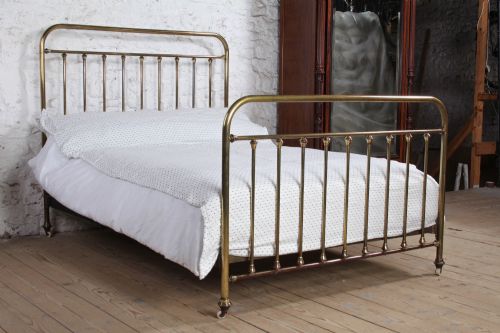
A French metal bed represents a durable sleeping frame that combines structural iron or steel with decorative brass elements, originating mainly from the late nineteenth and early twentieth centuries. When searching for a french metal bed, buyers encounter various formats ranging from single and double dimensions to generous king and super king sizes.
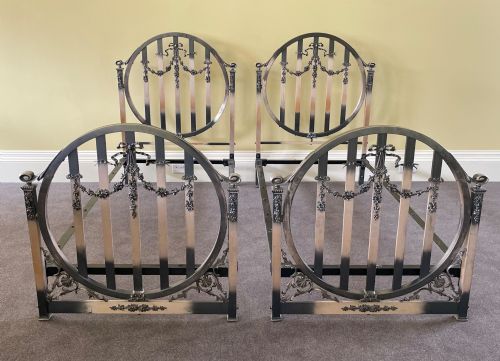
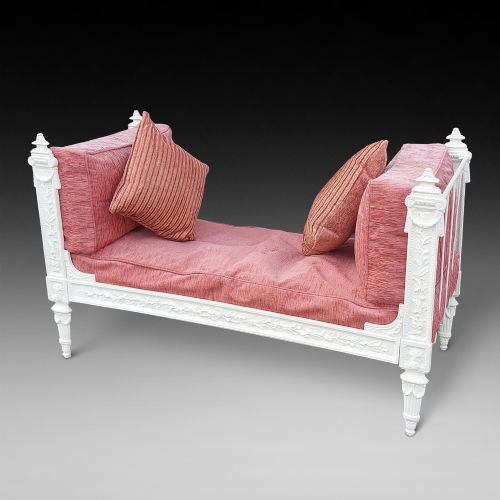
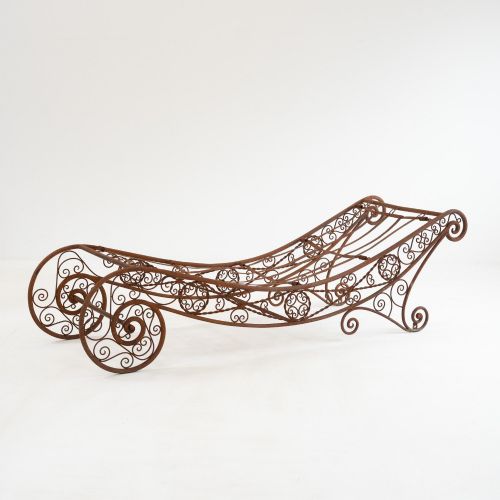
The selections on this page showcase distinct configurations, including daybeds, garden daybeds, and hospital style frames without footboards. Many examples display the stylistic influences of the Victorian era and the French Belle Epoque, incorporating stylistic flourishes like hoop details and geometric square tubes.
Most items reflect continental proportions and aesthetic sensibilities, with several pairs available alongside individual pieces. The assortment spans foundational periods from the Victorian era through the Edwardian years up to the nineteen-twenties, demonstrating enduring appeal across multiple decades.
Materials and Construction Techniques
Makers utilised cast iron, wrought iron, and steel to build the primary structural frames, ensuring stability and longevity. These heavy metals were frequently paired with polished brass components and fittings to add warmth and visual contrast against dark iron surfaces.
Surface finishes involved applied paint, painted metal effects, and nickel plating to protect the underlying metal and provide specific colour schemes, such as classic black or cream. Forged iron components were shaped by hand to create decorative scrolls, structural supports, and detailed embellishments characteristic of the period.
Materials documented across the collection include cast iron, wrought iron, brass, steel, and nickel plating.
Distinguishing Quality in Metal Beds
The distinction between standard and superior pieces rests on the complexity of the metalwork and the crispness of the cast brass details. Finer examples feature intricate hoop designs, well-executed nickel plating, and substantial brass mounts that remain securely fixed to the main frame.
Proportion and execution dictate overall merit, where simpler utilitarian designs contrast with opulent frames exhibiting carefully balanced ornamentation. The integrity of the original paint or the quality of the polished metal finish also contributes significantly to the visual standing of the piece.
The French Metal Bed Glossary
- Daybed
- A dual-purpose piece of furniture used for lounging during the day and sleeping at night. These often feature raised ends or backs similar to traditional sofas.
- Nickel Plating
- A thin layer of nickel applied to the surface of another metal to provide corrosion resistance and a bright, reflective finish. This treatment was particularly popular during the Edwardian period.
- Wrought Iron
- Iron that has been heated and shaped with tools, known for its fibrous structure and malleability. It allows for distinctive hand-forged curves and decorative details.
- Half Tester
- A bed with a partial canopy extending only partway over the head of the bed from the wall or headboard. It provides a dramatic architectural element without the full enclosure of a four-poster.
French Metal Bed: Frequently Asked Questions
How do I style a metal bed?
Pair the metal frame with neutral linens and simple bedding to let the structural details and brass embellishments remain the focal point of the room.
Incorporate contrasting textures like knitted throws or embroidered cushions to soften the industrial hardness of the iron and brass components.
Are these beds standard sizes?
Historical bed dimensions often differ from modern mattress sizes, meaning some antique frames may require custom-made mattresses for a precise fit.
Check the internal dimensions of the specific frame carefully before purchasing bedding to ensure compatibility with modern foundations.
Can antique metal beds be dismantled?
Most antique metal frames utilise standard side rail wedges or bolt-together joints that allow the headboard, footboard, and rails to separate completely for transport.
This modular construction makes moving these heavy iron and brass pieces much more manageable during relocation.