
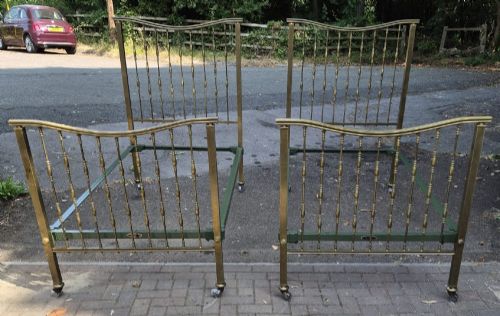
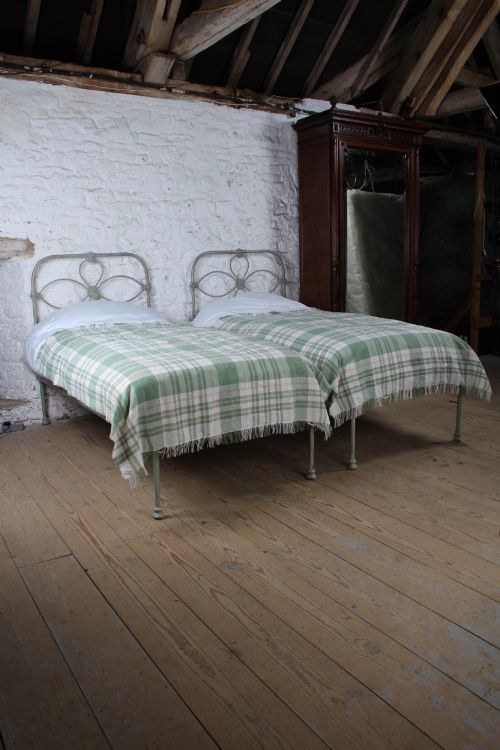


Pair Metal Beds
Pair metal beds bring symmetrical sleeping arrangements and period character to a bedroom through matched construction and durable materials.
Pair Metal Beds
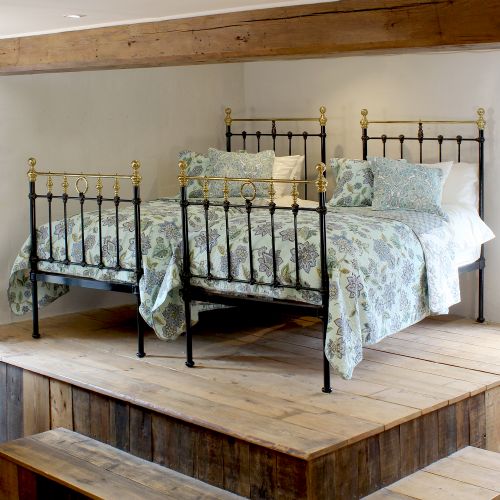
When you search for pair metal beds, you encounter matching sets of antique and period bed frames designed to sit together in a room. These pieces span the Victorian, Edwardian, and nineteenth-century periods, taking forms such as single beds, bedsteads, platform beds, and bed frames that can often be joined together.
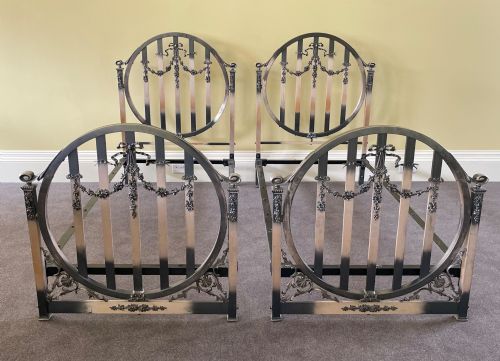
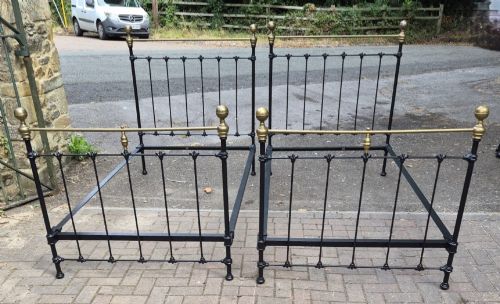
The versions you meet most frequently on this page include black cast iron examples with brass decoration, white or cream painted iron frames, and nickel plated designs. Many of these pairs originate from English or Portuguese workshops, offering styles ranging from strict Victorian classicism to softer Art Nouveau lines and French Country aesthetics.
Materials and construction methods
Makers constructed these bed frames primarily from cast iron, wrought iron, and steel, frequently combining them with solid brass components or applying protective layers of paint. Nickel plating also appears across Edwardian pieces to provide a bright, reflective finish on the metal surfaces.
Many of these frames utilise modular construction methods that allow two single beds to be joined together into a larger sleeping platform. Decorative elements such as rings, brass finials, and cast iron ornamentation are integrated directly into the structural ends.
Listings feature cast iron, brass, wrought iron, and nickel plating across Victorian and Edwardian periods.
Qualities that set examples apart
The calibre of a pair of metal beds rests upon the crispness of the cast iron detailing and the integrity of the original brass decoration. Superior examples maintain intact finishes, whether through well-preserved historic paint or carefully maintained nickel plating.
Proportion and decorative ambition also divide the range, from simple no end utility frames to elaborate Victorian designs featuring Celtic motifs or intricate brass work. The presence of matching components across both beds ensures a balanced visual weight in the room.
Hoskins & Sewell
The Pair Metal Beds Glossary
- Cast iron
- A strong, rigid alloy poured into moulds to create decorative bed frames and structural ends. This material allowed makers to produce intricate patterns that distinguished Victorian and Edwardian designs.
- Bedstead
- A framework of a bed supporting the mattress and springs. In antique terminology, this often includes the headboard, footboard, and side rails.
- Nickel plating
- A thin protective coating of nickel applied to a base metal to prevent corrosion and provide a bright finish. It is frequently seen on Edwardian examples.
- Platform bed
- A low-profile bed frame designed to support a mattress directly without the need for traditional box springs. These often feature clean lines suited to various interior styles.
- No end
- A bed frame style lacking a high footboard, which creates an open visual feel in smaller rooms. This form appears frequently in nineteenth-century single beds.
Pair Metal Beds: Frequently Asked Questions
Can pair metal beds be joined together?
Many of the single beds listed are specifically constructed so that they can be linked together to form a wider sleeping surface. This modular capability made them versatile for guest rooms or varying household needs.
Buyers should inspect the specific configuration of the side rails and fixings to understand how the joining mechanism operates on each individual pair.
What periods do these bed frames come from?
The selection spans the late nineteenth century, including Victorian and Edwardian eras, alongside general nineteenth-century pieces. Styling details like Art Nouveau curves or strict Victorian proportions often help indicate the specific era of manufacture.
Examining the metalwork techniques and decorative motifs provides further clues to the decade in which the beds were produced.
How do I maintain painted metal beds?
Maintaining painted iron or steel frames involves dusting regularly with a dry cloth and avoiding harsh chemical cleaners that might damage historic finishes. Gentle care preserves the original cream, white, or black paint surfaces found on many antique examples.
Checking the stability of joints periodically ensures the structural integrity remains sound during everyday use.
What is a no end bed?
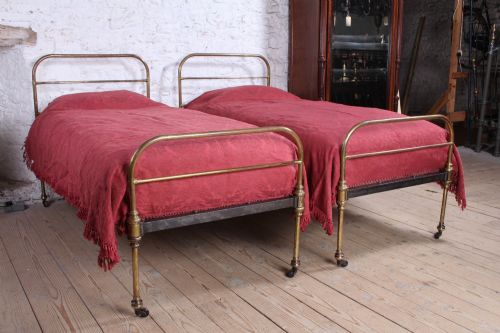
A no end bed is a frame that omits the traditional high footboard, presenting a simplified profile that leaves the end of the mattress exposed. This design reduces visual clutter in a bedroom and accommodates rooms with limited space.
Portuguese and Victorian makers both utilised this format for single beds intended to feel light within an interior.