


French Marquetry Planter
A french marquetry planter brings floral display into the formal interior through decorative timber work and gilt mounts.
French Marquetry Planter
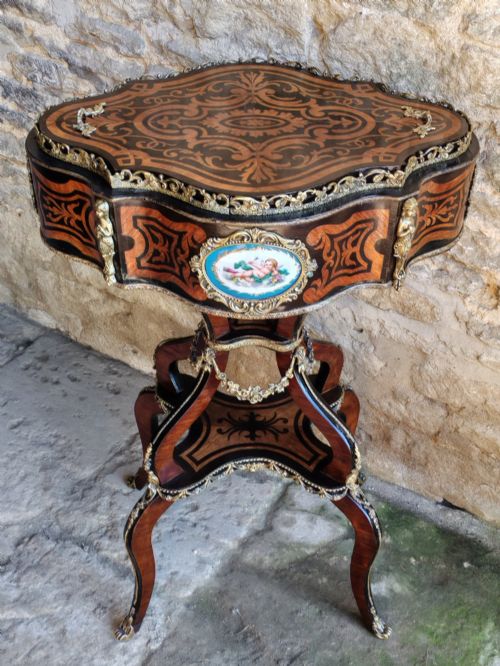
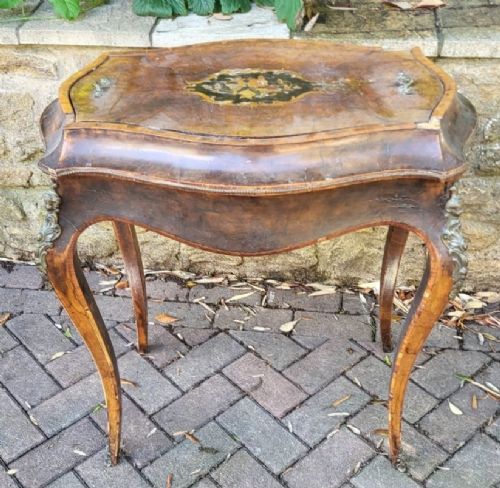
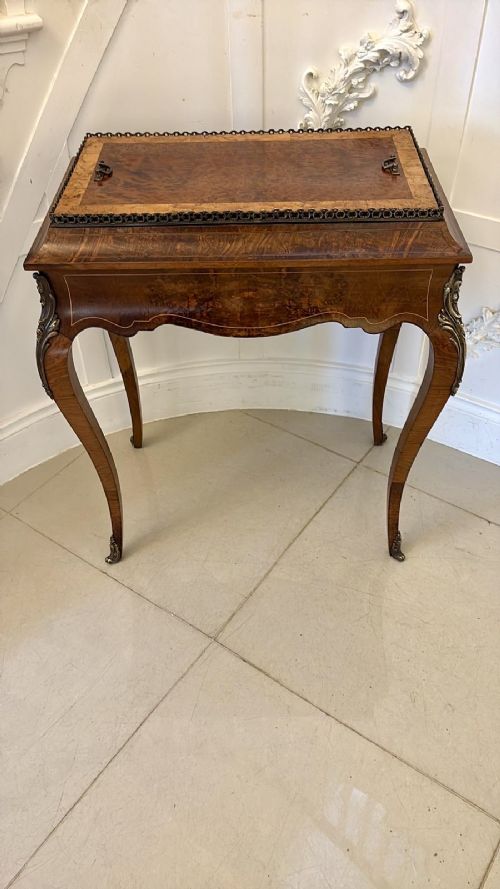
When you search for a french marquetry planter, you encounter elaborate nineteenth-century furnishings designed to hold live plants or serve as wine coolers within domestic spaces. These pieces frequently take the form of jardinière tables, occasional stands, or side tables fitted with a waterproof inner metal liner. The examples seen across the periods range from compact table top versions to tall standing pedestals.
The dominant style on this page is Napoleon III or Louis XV revival, reflecting the nineteenth-century taste for opulent French furniture. Walnut, kingwood, and burr walnut provide the primary timber surfaces for intricate marquetry patterns. Many incorporate lift-off lids that allow the stand to function as a conventional side table when plants are absent.
The origins span mid to late Victorian production, with several pieces dated specifically to the eighteen-fifties, sixties, and eighties, alongside later twentieth-century Belle Epoque examples. Forms vary between bulbous jardinières and slender stands with cabriole legs. These objects served both practical horticultural needs and social display in formal reception rooms.

Distinctions in craftsmanship
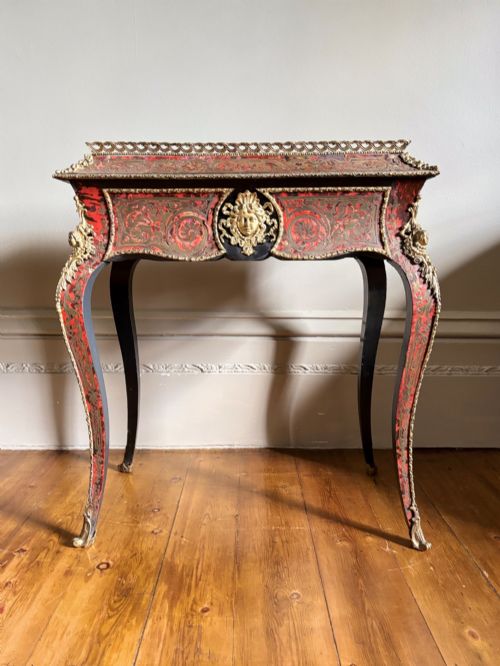
The fineness of the marquetry cutting and the variety of contrasting timbers dictate the visual hierarchy of these pieces. Superior examples feature crisp, complex floral or geometric inlays with minimal filler, whereas lesser items rely on simpler, repetitive banding. The depth and chiselling of the ormolu mounts further separate standard production from exceptional cabinet work.
Structural integrity depends on the preservation of the delicate veneers and the survival of the original metal liners. Pieces that retain their fire-gilt mounts and unwarped timber bodies command greater appreciation. The integration of porcelain plaques, such as Sevres style inserts, marks the upper tier of decorative elaboration.
French Marquetry Planter Retail Price Guide 2026
Typical asking prices for french marquetry planter among the pieces listed under this phrase on Sellingantiques today, from the lower quarter to the upper quarter. They describe what is for sale here now, not the wider market.
The French Marquetry Planter Glossary
- Marquetry
- Decorative veneer work arranged in intricate patterns or pictures using various coloured woods. This technique forms the primary surface decoration on the body of the planter.
- Jardinière
- A decorative pot or stand designed to hold plants or flowers indoors. In nineteenth-century furniture, it often forms the upper section of a specialised occasional table.
- Ormolu
- Gilt bronze mounts applied to furniture for decorative accent and edge protection. The technique involves applying a gold amalgam to a bronze base and firing it.
- Kingwood
- A dense, richly figured timber with dark violet-brown markings utilised extensively in high-end cabinet making. It provides a striking contrast when paired with lighter woods.
- Boulle
- Marquetry style combining tortoiseshell and brass inlay developed during the seventeenth century and revived in the nineteenth century. It creates a shimmering, reflective surface pattern.
French Marquetry Planter: Frequently Asked Questions
How were french marquetry planters used?
These pieces sat in drawing rooms and reception spaces to hold potted plants or function as decorative jardinière tables. Many included removable metal liners to catch water and protect the timber framework from damp soil.
Owners also utilised them as wine coolers or cellarettes during formal dining occasions. Removing the plant insert and placing a lid over the top allowed the piece to serve simply as an occasional side table.
How do I care for timber marquetry?
Keep the piece away from direct sunlight and steady heat sources to prevent the delicate wood veneers from drying out and lifting. Regular dusting with a dry, soft cloth maintains the polished surface without introducing moisture.
Avoid placing damp pots directly onto the wood without the proper metal liner in place. Apply a neutral paste wax occasionally to nourish the walnut or kingwood grain.
What is the difference between a jardiniere and a side table?
A jardinière incorporates a recessed well or vessel specifically designed to hold plants, complete with a waterproof interior liner. Standard side tables feature a flat, continuous top intended solely for displaying objects.
Many nineteenth-century examples bridge this gap by including a lift-off lid that conceals the plant well. This dual-purpose design allows the furniture to switch between a functional planter and a standard occasional table.
How can I identify a nineteenth century piece?
Examine the construction methods and secondary timbers used on the interior and underside of the frame. Nineteenth-century pieces frequently employ oak or mahogany as secondary woods beneath the kingwood or burr walnut veneers.
The presence of revival styles such as Napoleon III or Louis XV points directly to Victorian manufacturing tastes. Hand-cut marquetry and heavy cast ormolu mounts further confirm this nineteenth-century period of production.