
French Marquetry Furniture
French marquetry furniture brings together intricate wood veneers and gilt mounts, offering timeless elegance for refined interiors.
French Marquetry Furniture
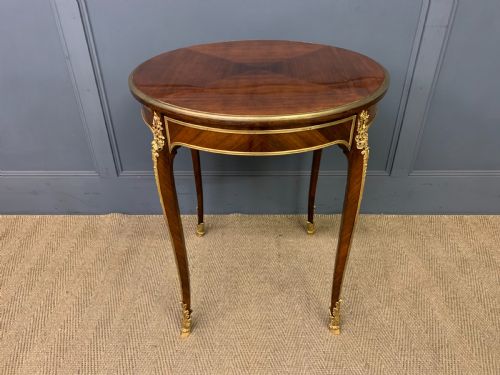
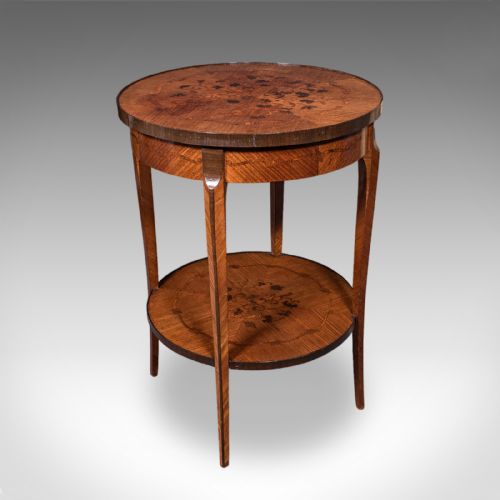
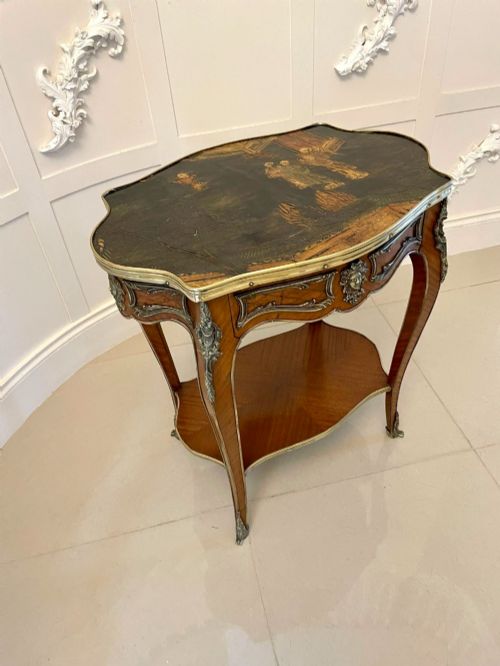
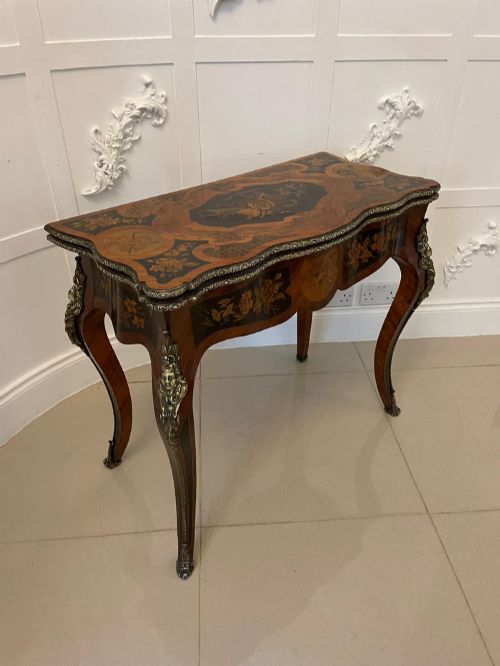
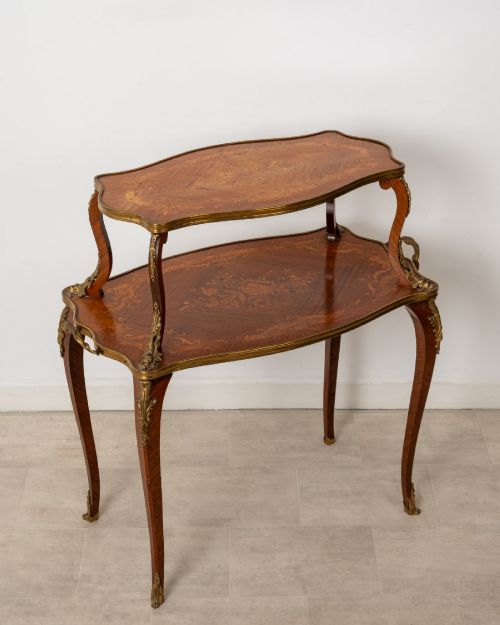
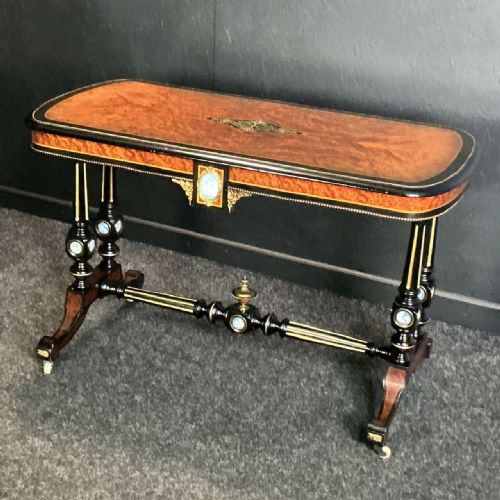
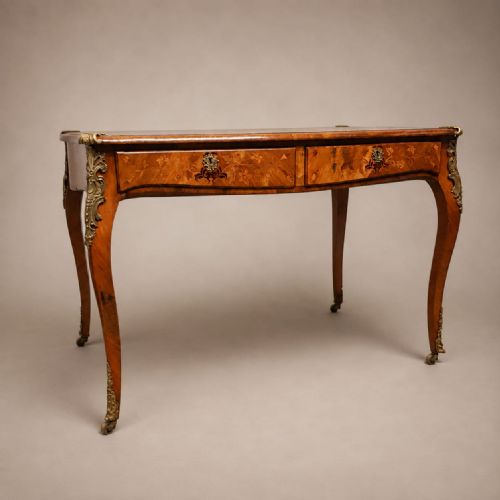
French marquetry furniture comprises decorative tables, chests, and cabinets embellished with precision-cut wood veneers arranged in pictorial or geometric patterns. When exploring french marquetry furniture, buyers encounter pieces spanning the eighteenth, nineteenth, and early twentieth centuries, reflecting enduring design revivals.
How they were made
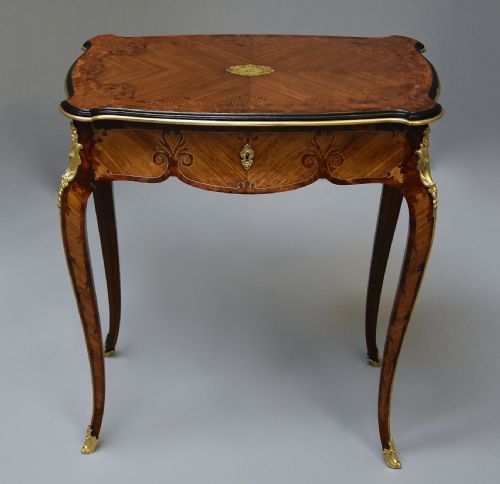
Craftsmen built these pieces using solid timbers like walnut and mahogany as a foundation, veneering them with prized woods including kingwood, rosewood, and amboyna. Artisans cut delicate floral or geometric patterns by hand, assembling contrasting veneers before applying them to the frame.
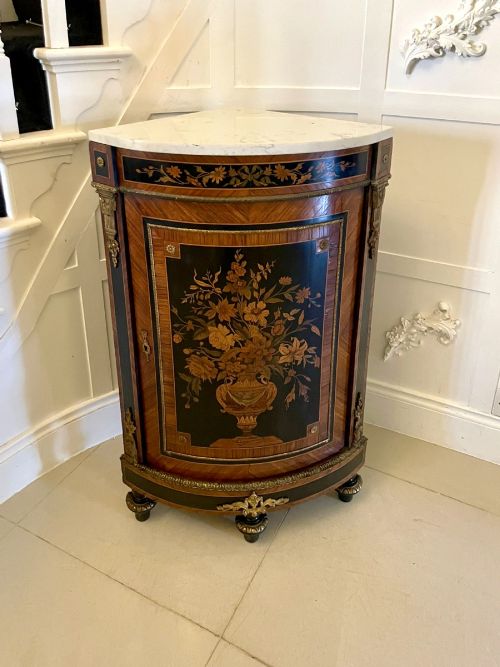
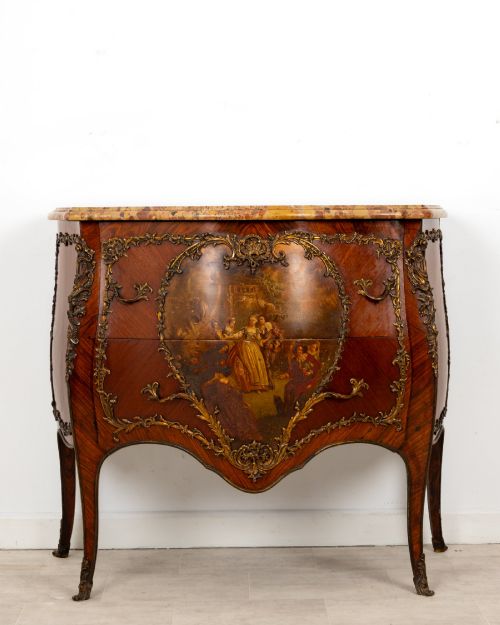
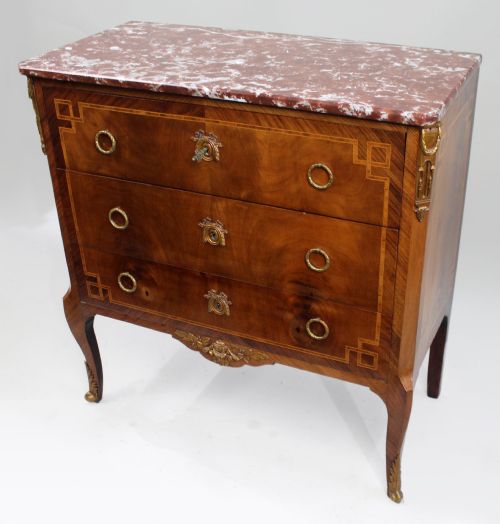
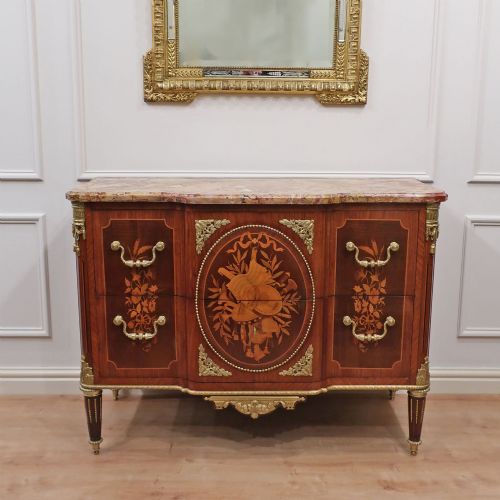
Metal ornamentation played an essential structural and decorative role, with ormolu and gilt bronze mounts cast and chased to protect and accentuate corners, legs, and aprons. Marble tops, often in rouge or white variations, were laboriously shaped and polished to fit securely onto commodes and cabinets.
Listings demonstrate a strong prevalence of nineteenth-century pieces executed in the Louis XV and Louis XVI styles, dominated by kingwood veneers and marble tops.
What varies in quality
The refinement of the veneer work dictates much of the distinction between standard and exceptional pieces, particularly the tightness of the joints and the complexity of the inlaid motifs. Superior examples display seamless transitions between contrasting woods without visible filler.
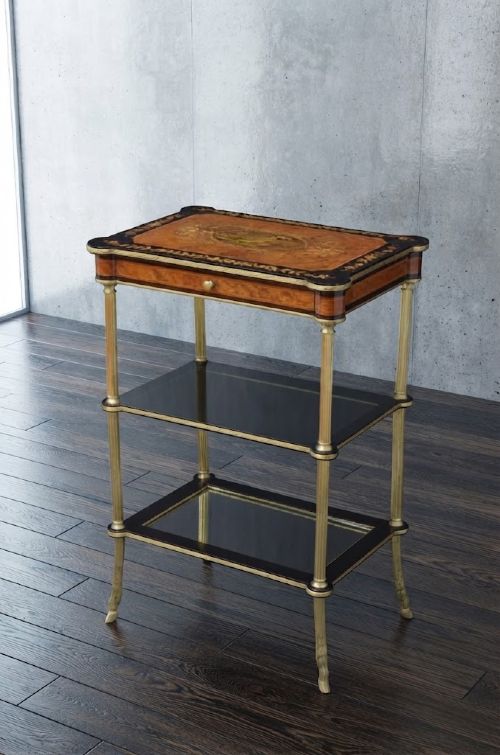
Mount quality separates everyday items from masterwork creations, noting the depth of hand-chasing in the ormolu and the weight of the gilt bronze. Structural integrity, such as the sophistication of mechanisms in occasional tables or the integration of genuine marble tops, reinforces the tier of craftsmanship.
Joseph Emmanuel Zwiener·Edwards And Roberts·Émile Gallé·Thomas Hache·François Linke·Sormani·Millet
The French Marquetry Furniture Glossary
- Marquetry
- The art of applying decorative pieces of veneer to a structural structure to form intricate designs or pictures. This technique defines the surface ornamentation seen across commodes and tables.
- Ormolu
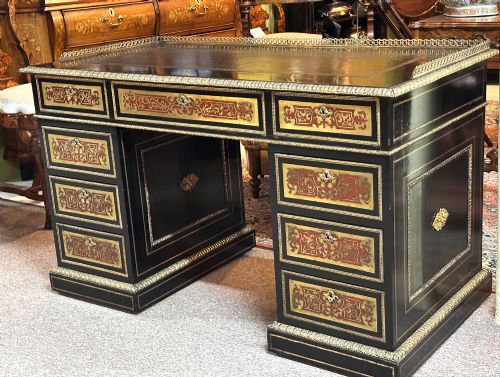
- Gilt bronze ornamentation applied to furniture mounts, feet, and handles. It provides a bright metallic contrast to dark wood veneers.
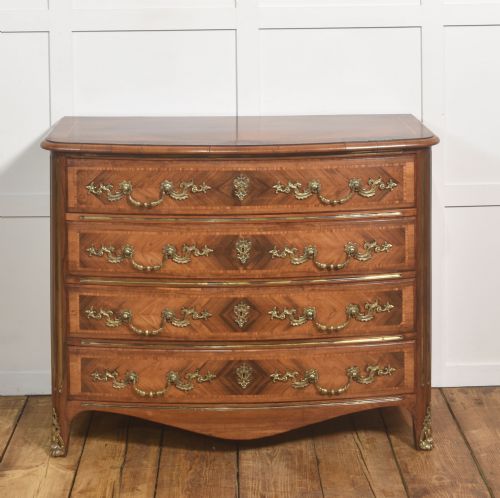
- Commode
- A decorative chest of drawers standing on legs, typically featuring a marble top and elaborate floral inlay. These serve as prominent storage pieces in reception rooms.
- Étagere
- An open tiered piece of furniture used for display or as a side table. Multiple tiers provide space for lamps and small decorative objects.
- Boulle work
- A style of marquetry using brass and tortoiseshell inlaid in intricate patterns. It originates from the workshops associated with André-Charles Boulle during the seventeenth century.
French Marquetry Furniture: Frequently Asked Questions
How do I identify Louis XV style?
Louis XV style pieces are characterised by asymmetrical curves, serpentine fronts, and prominent cabriole legs. These designs frequently incorporate floral marquetry and delicate ormolu mounts that trace organic lines.
The aesthetic emphasises comfort and grace, moving away from rigid symmetry in favour of flowing contours. Marble tops on these items often follow the undulating shape of the wooden carcass beneath.
What is kingwood and why is it used?
Kingwood is a dense, richly figured tropical timber prized by cabinetmakers for its dark brown colouring and distinct golden grain patterns. It provided a luxurious surface that accepted high polish.
Craftsmen utilised kingwood extensively in nineteenth-century revivals to create striking contrasts against lighter woods within geometric marquetry panels.
How should I care for marble-topped tables?
Marble surfaces require gentle cleaning with a damp cloth and mild soap, avoiding acidic substances that can etch the polish. Routine dusting keeps the stone and surrounding ormolu mounts in good condition.
Placing felt pads beneath objects placed on the marble prevents scratching and preserves the smooth finish of the tabletop over time.
Where were these pieces traditionally placed?
Occasional and centre tables stood in principal reception rooms to hold lamps, clocks, or decorative vessels. Commodes functioned as storage units against drawing room walls beneath large mirrors.
Smaller side tables and etageres occupied corners or spaces between windows, serving both practical and decorative purposes in period interiors.