




French Marble Columns
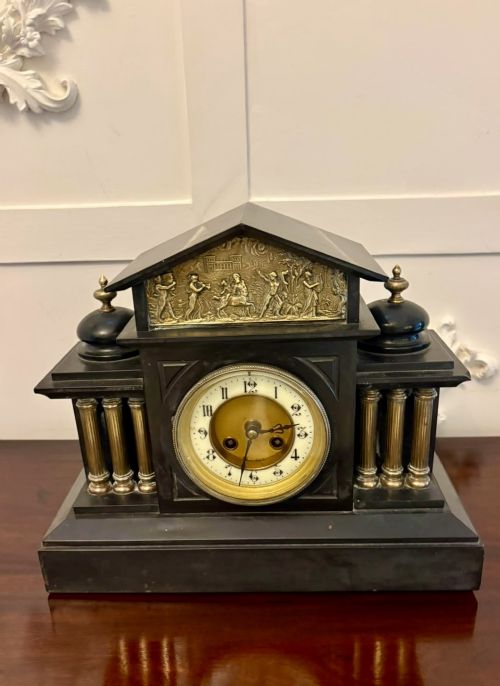
French marble columns bring classical proportion and substantial weight into a room, spanning pedestal forms, mantel clocks and lamp supports.
French Marble Columns
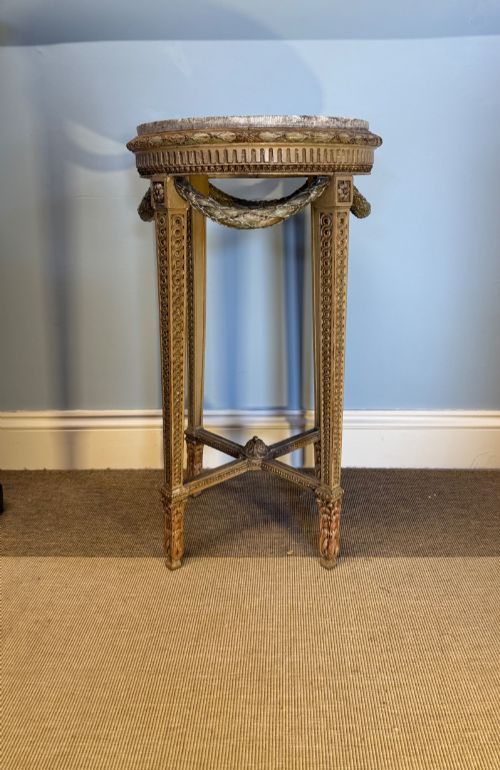
French marble columns encompass tall pedestals, torchere stands and architectural clock cases originating from the nineteenth and early twentieth centuries. These pieces draw upon Neoclassical, Louis XVI Revival and French Empire styles, reflecting grand interior design traditions.
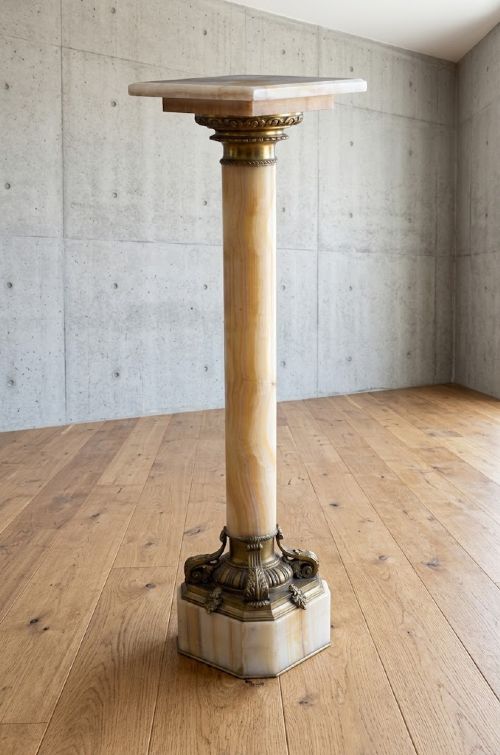
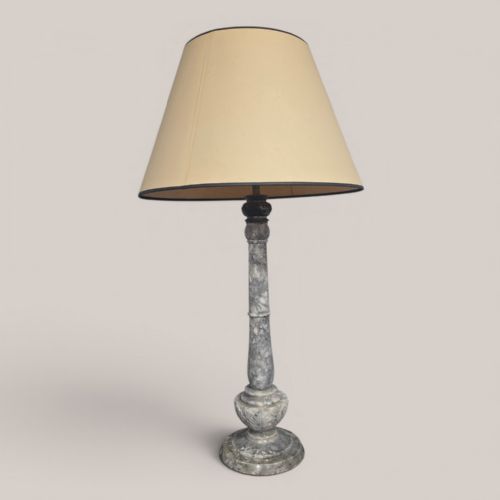
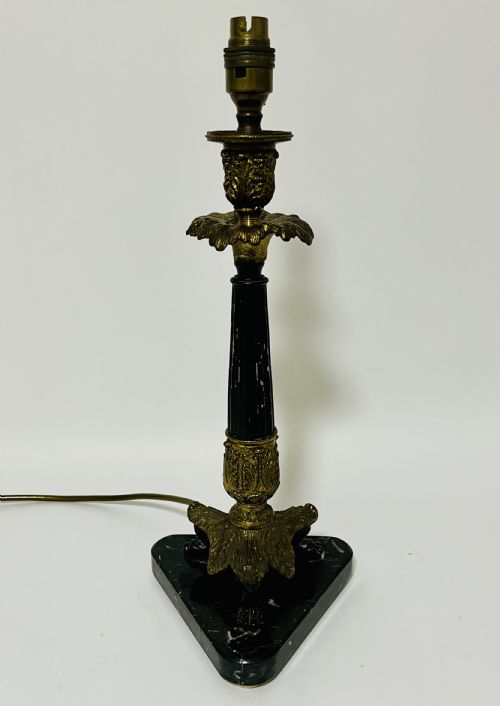
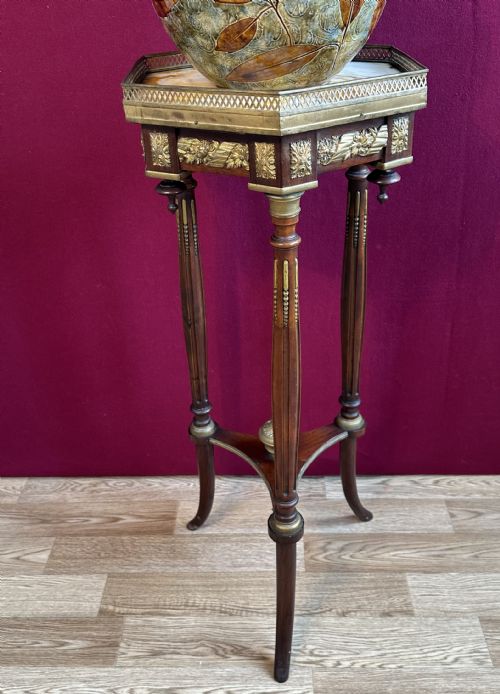
The buyer most frequently encounters cylindrical pedestals and plant stands carved from onyx or variegated marbles, often mounted with metal collars. Alongside these architectural supports, smaller table lamps and mantel clock garnitures incorporate marble elements into domestic settings.
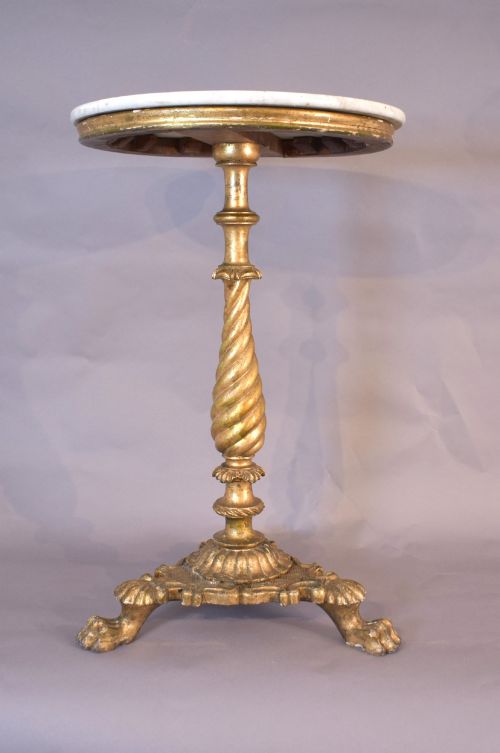
Origins stretch across the nineteenth century into the Edwardian and Art Deco eras, showing how craftsmen adapted classical pillar forms for varied household uses. Whether configured as tall display columns or low bedside tables with marble tops, the designs maintain structural symmetry.
Distinctions in Quality
Quality rests upon the selection and matching of the stone, where complex natural veining and unblemished polish distinguish superior examples from plain variants. The crispness of the cast brass or ormolu mounts determines the level of workshop refinement.
Structural integrity relies on the precision of the joints connecting heavy stone shafts to their timber or metal bases. Heavier gauge metalwork and tightly fitted bronze collars indicate careful manufacturing standards.
Nineteenth-century makers occasionally scaled down grand public monuments, allowing homeowners to display a miniature bronze Vendome column right on the mantelpiece.
Philippes Paris·Baby and Jannings
The French Marble Columns Glossary
- Ormolu
- Gilded bronze mountings applied to furniture and clock cases. The technique involves coating metal in a mercury and gold amalgam before heating.
- Guéridon
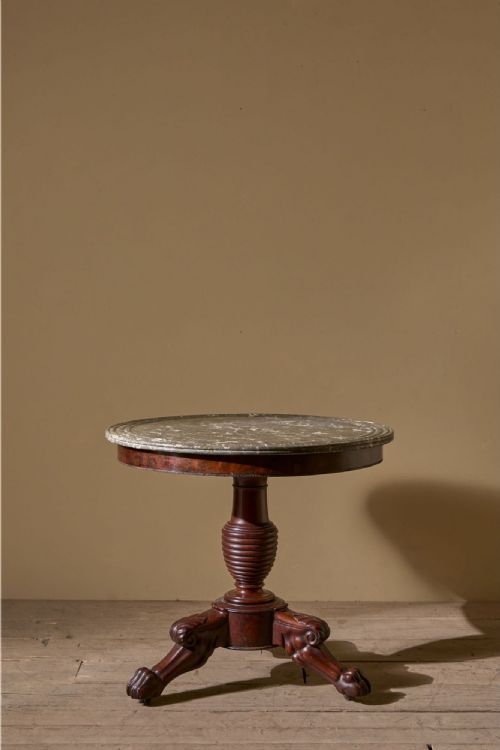
- A small round table supported by one or more central columns. Originating in seventeenth-century France, these tables often feature marble tops.
- Torchere
- A tall stand designed to hold a light, plant or bust. Examples frequently utilise marble columns with brass collars.
- Garniture
- A set of matching decorative objects, typically a mantel clock accompanied by two matching vases or candelabra. They form a symmetrical arrangement on a mantelpiece.
- Vert De Patricia
- A deep green decorative marble variety. It displays distinct pale veining across the dark stone surface.
French Marble Columns: Frequently Asked Questions
How were french marble columns used originally?
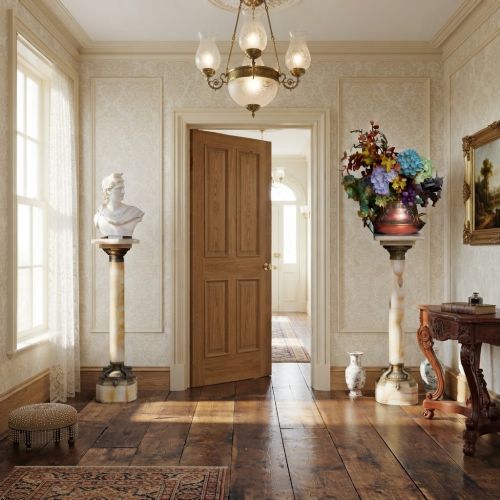
These pieces functioned as architectural supports in grand salons, serving as pedestals for classical busts, large bronze figures or decorative urns. Pairs often framed doorways or highlighted focal points within nineteenth-century reception rooms.
Smaller iterations supported oil lamps or served as torchere stands in hallways. Clock cases utilised marble columns to project architectural authority on mantelpieces.
What is the difference between a pedestal and a plant stand?
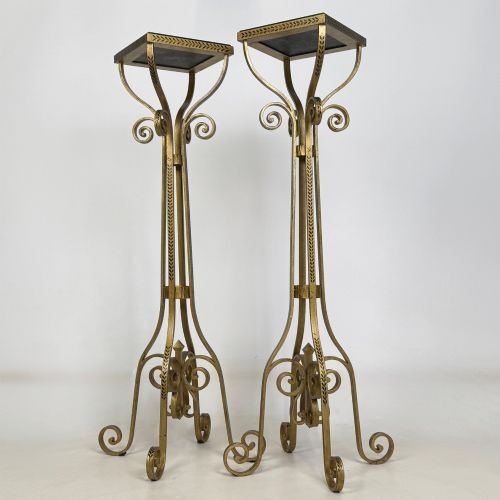
Pedestals generally follow strict classical column proportions, designed to elevate sculptural works at eye level with steady weight distribution. Plant stands often incorporate lighter timber frames or display shelves alongside the marble top.
Both forms utilise stone shafts, but pedestals prioritize architectural dignity while stands accommodate everyday domestic display.
How do I identify the period of a marble column?
Dating relies on the combination of marble types, mount styles and underlying timber construction techniques. Nineteenth-century examples frequently display Neoclassical or Empire revival motifs with chiseled brass collars.
Later pieces from the Edwardian and Art Deco periods introduce simpler geometric lines or distinctive onyx colorations. Inspecting the fixing hardware inside the shaft helps confirm the manufacturing era.
How do I clean and maintain antique marble?
Dust the surface regularly with a soft, dry cloth to prevent particulate accumulation in the stone's natural pores. Avoid acidic cleaners, vinegar or household detergents, which etch the polished finish.
For deeper cleaning, use a damp cloth with neutral soap, followed immediately by thorough drying. Wax can be applied sparingly to maintain the lustre of associated wood and metal mounts.