


French Library Desk
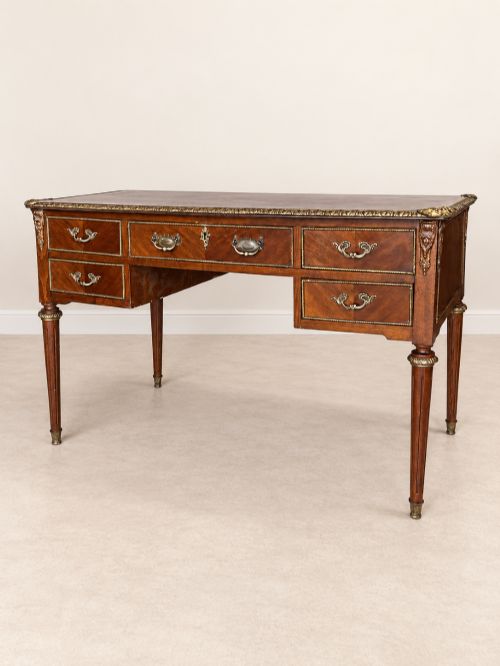
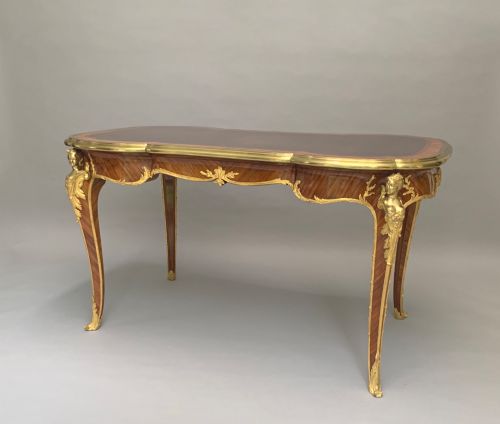
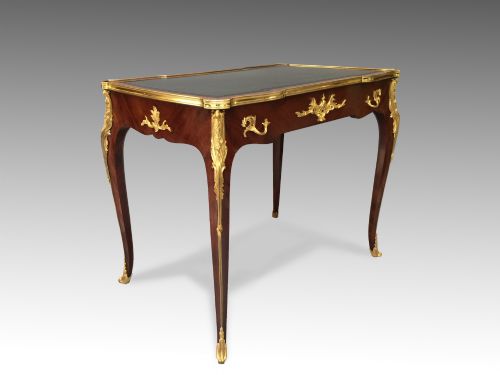
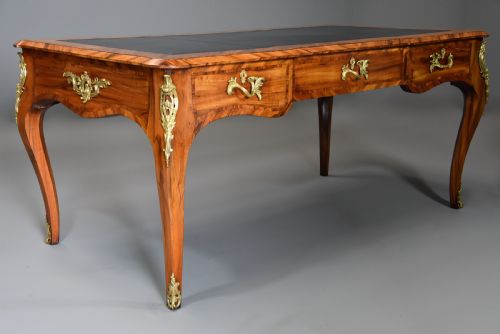
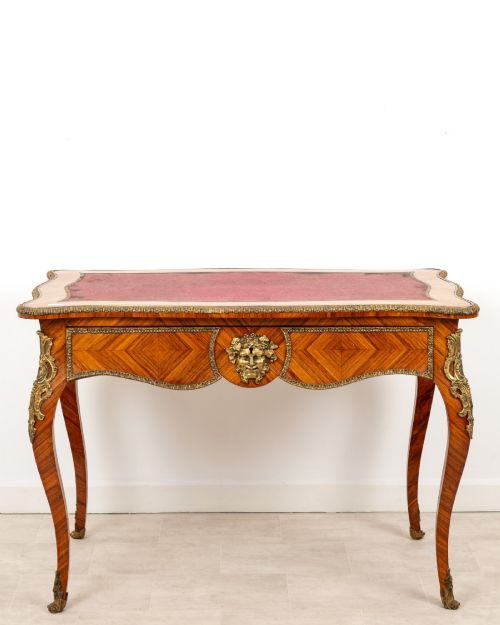
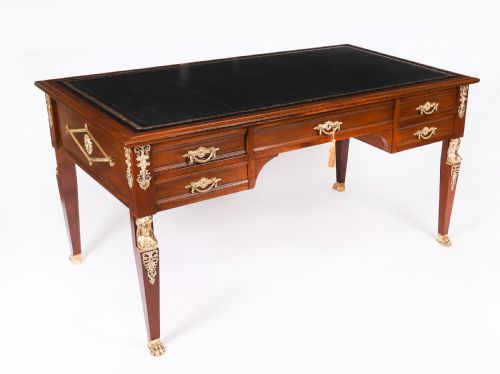
A french library desk brings warmth and practical surface area to a room, offering grand ormolu mounts and finely tooled leather writing surfaces.
French Library Desk
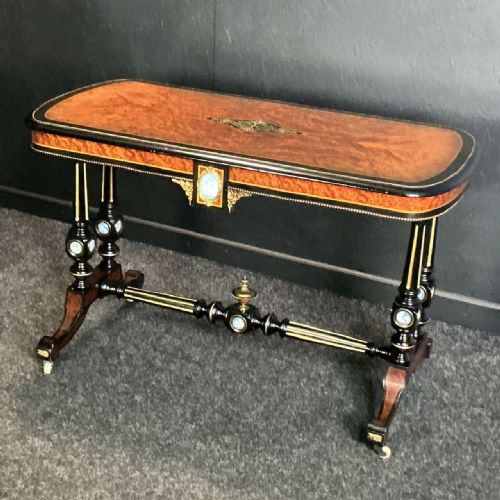
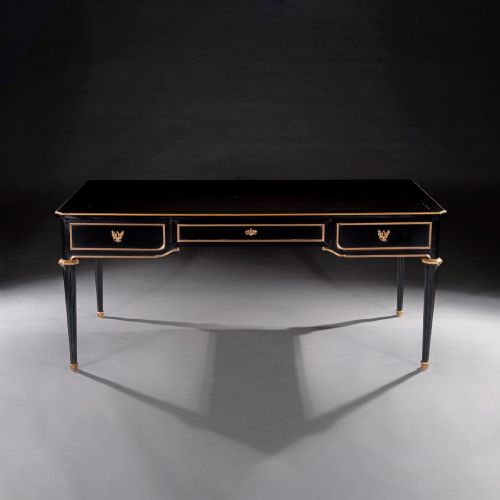
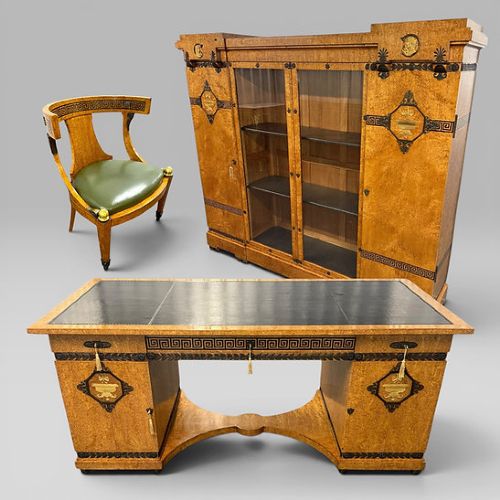
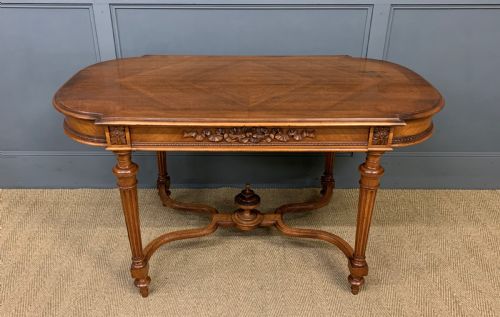
A french library desk functions primarily as a substantial workspace or centre table, embodying classic styles such as Louis XV Revival, Louis XVI, and French Empire. These pieces range from bureau plat writing tables to partners desks in oak, walnut, and exotic timbers.
Most examples encountered date from the nineteenth century, reflecting periods from the Restauration to the late Victorian era. Buyers frequently select these forms for studies and principal rooms to establish a traditional aesthetic.
How they were made
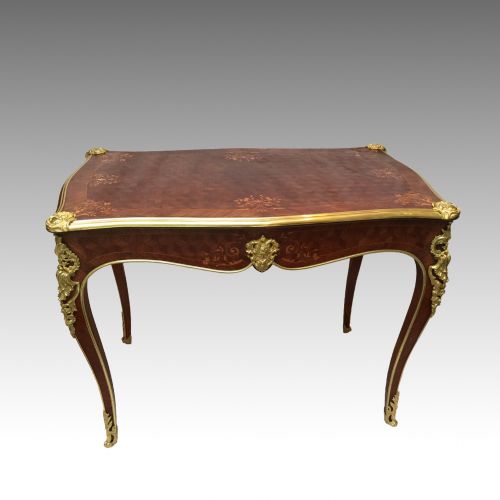
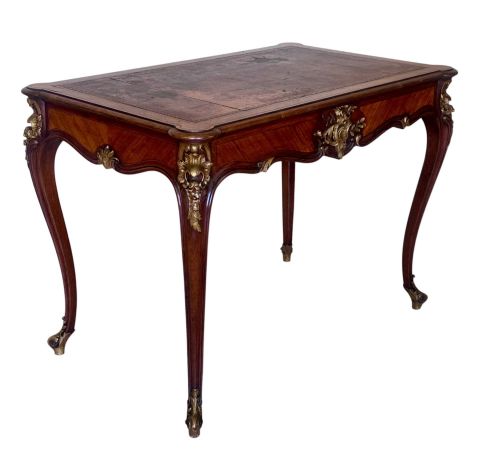
Cabinet makers built these pieces using solid foundations of mahogany, walnut, or oak, veneered with kingwood, rosewood, and satinwood, often decorated with parquetry and marquetry patterns. Gilt bronze and ormolu mounts supplied structural accents and decorative borders.
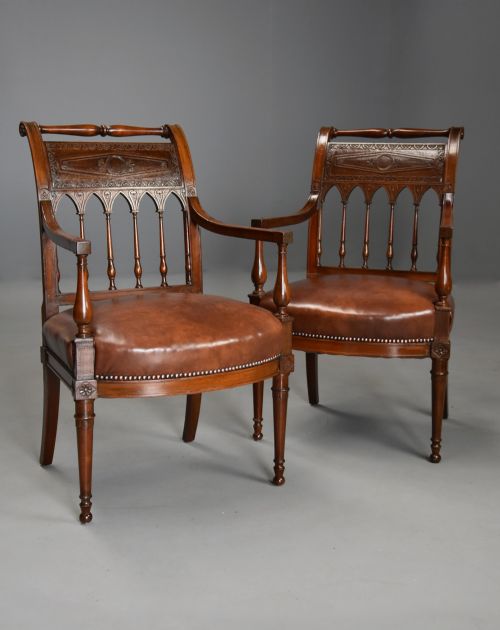
Writing surfaces incorporated inset leather panels, frequently tooled in gilt, while associated seating utilised matching timber frames upholstered in leather or fabric.
Listings feature nineteenth-century walnut, mahogany, and kingwood alongside brass, leather, and ormolu mounts.
What varies in quality
The refinement of the cast ormolu mounts and the precision of the parquetry and marquetry inlay distinguish finer examples from standard production pieces. Superior items display crisp chisel work on the bronze elements and hand-selected timber grains.
Attribution to documented makers and the retention of original leather writing surfaces and keys elevate the standing of a desk within its period.
Francois Linke·Edwards And Roberts·CH. Jeanselme And Co·Mercier Freres·Jean Joseph Chapuis·Donald Ross·Krieger
The French Library Desk Glossary
- Bureau plat
- A freestanding writing table fitted with drawers across the frieze, typically finished on all sides for placement in the centre of a room. This form serves as the standard archetype for French library desks.
- Ormolu
- Gilt bronze ornamentation applied to furniture mounts and borders. The process involves treating brass or bronze with a gold amalgam to achieve a rich metallic lustre.
- Marquetry
- Decorative patterns formed by fitting contrasting veneers onto a structural background. Artisans utilise various woods to create floral or geometric designs.
- Parquetry
- Geometric wood inlay work arranged in repeating patterns such as cubes or chequers. It provides durable surface decoration on table tops and drawer fronts.
- Bouillotte
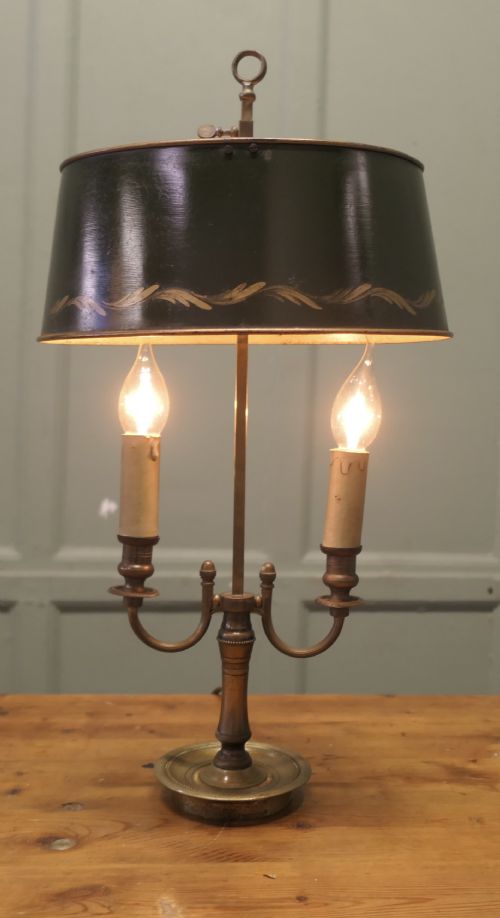
- A style of traditional card game associated with a specific type of small round table or adjustable desk lamp with a toleware shade. Lamps of this design frequently accompany library desks.
French Library Desk: Frequently Asked Questions
What woods are typical for these desks?
Nineteenth-century examples frequently employ mahogany, walnut, and oak as primary structural timbers, overlaid with decorative veneers of kingwood and rosewood. Parquetry and marquetry details add geometric and floral contrast.
Exotic woods and intricate inlay work indicate the maker intended the piece for formal reception rooms or libraries.
How do I care for the leather top?
Leather writing surfaces require cleaning with a damp cloth followed by a neutral leather cream to maintain flexibility and prevent cracking. Avoid harsh chemical cleaners and excessive moisture.
Gilt tooling along the edges is delicate, so care should be taken not to rub abrasive materials against the gold leaf.
Are these desks suitable for daily work?
Many period pieces provide ample surface area and drawer storage for contemporary use as a primary workspace. Their sturdy construction in hardwoods accommodates modern writing equipment and laptops.
Protecting the antique leather with a custom blotter preserves the surface while retaining everyday utility.