

French Impressionist Artwork
French impressionist artwork captures light and fleeting modern moments through loose brushwork, ranging from sunlit Parisian streetscapes to quiet provincial riverbanks.
French Impressionist Artwork
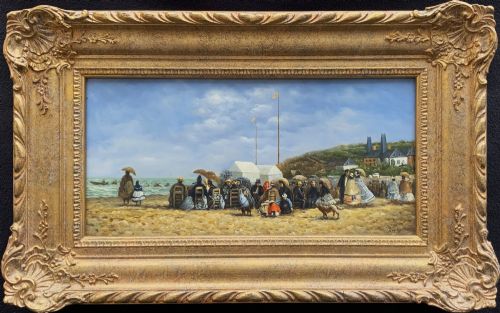
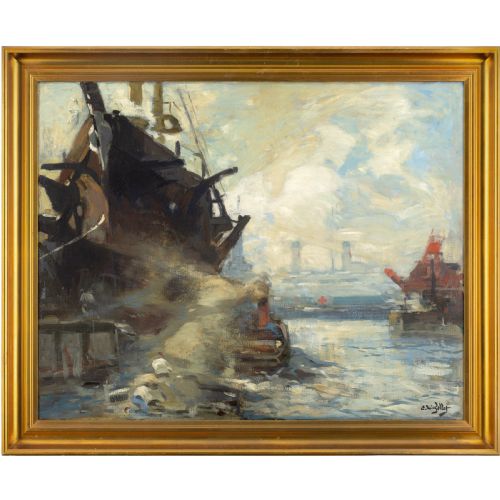
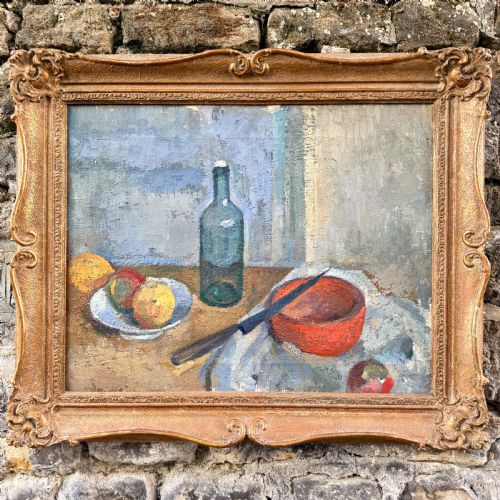
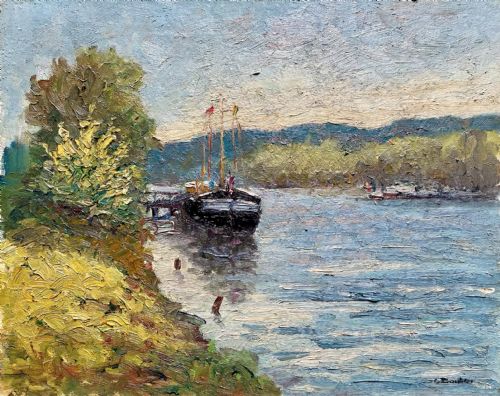
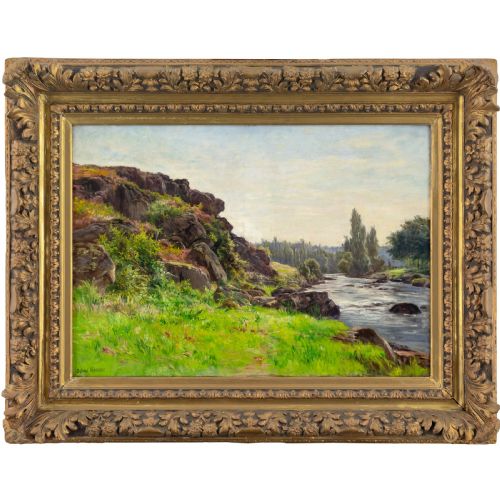
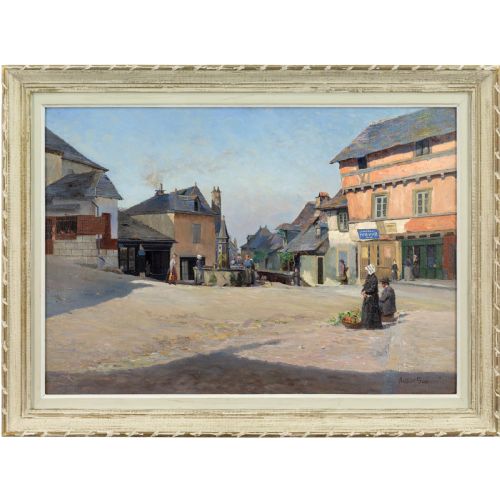
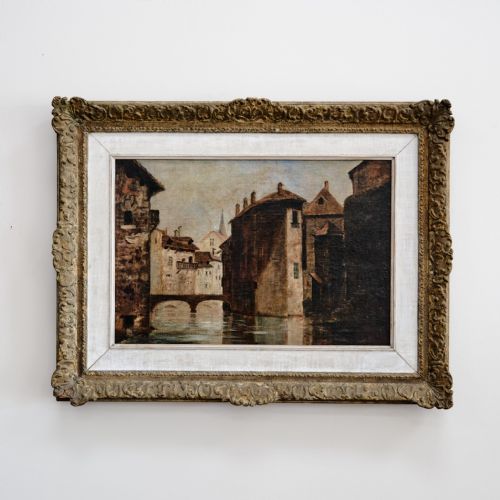
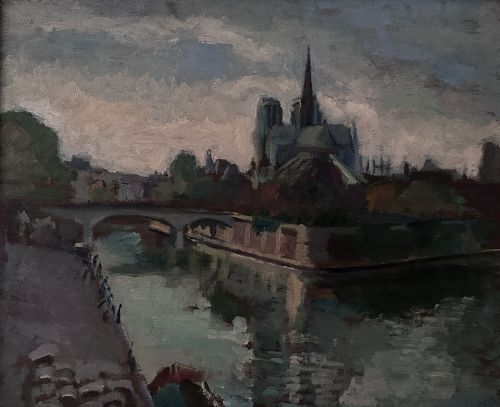
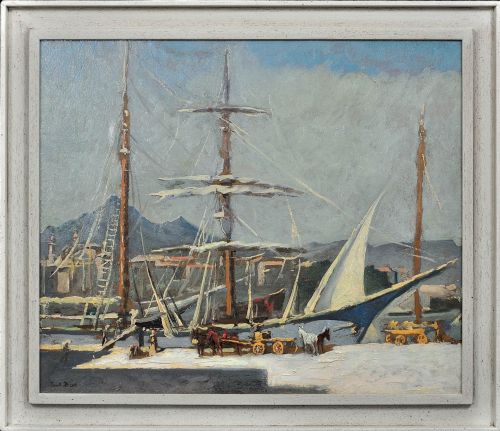
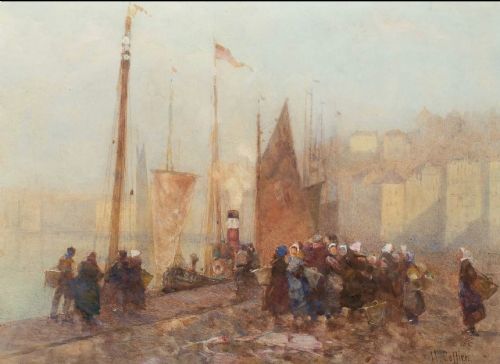
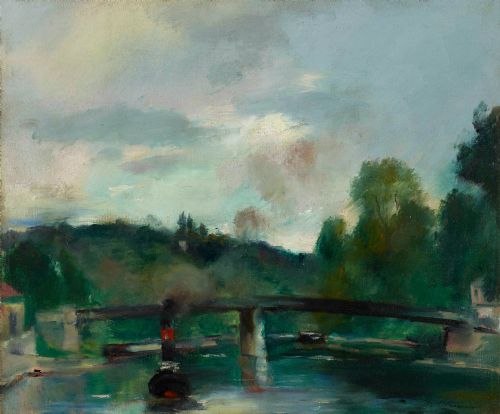
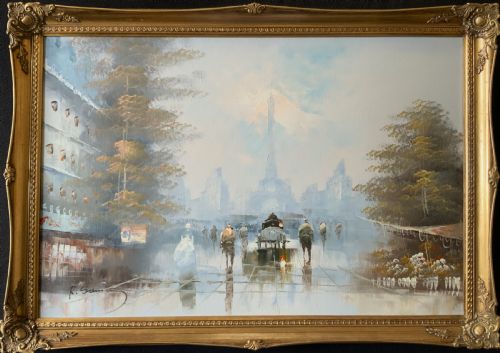
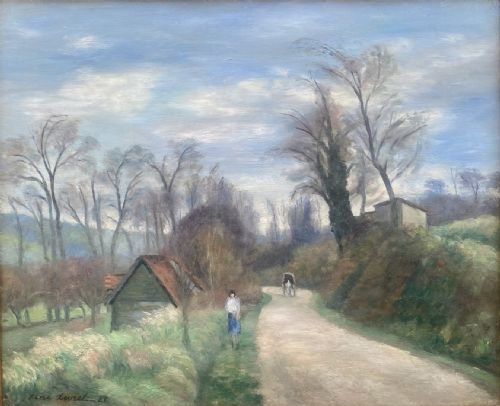
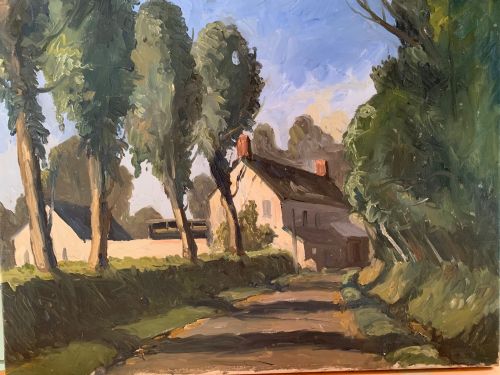
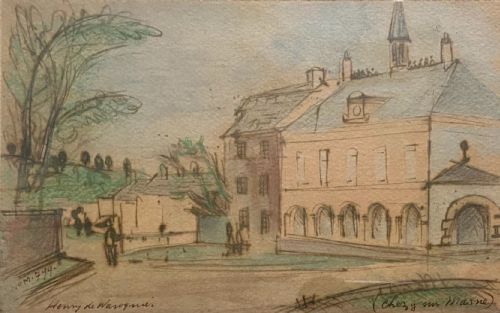
When searching for french impressionist artwork, buyers encounter oil paintings, watercolours and mixed media works created across the nineteenth and twentieth centuries. The pieces on this page record coastal scenes, cityscapes, landscapes and intimate genre portraits.
Most examples hail from the decades between the early nineteen-hundreds and the mid twentieth century, encompassing both traditional impressionist approaches and later post-impressionist interpretations.
Forms span framed canvas works, wooden panels, and works on paper, reflecting the varied output of artists working in France and influenced by French stylistic movements.
Materials and Construction
Artists relied primarily on oil paint applied to canvas, wood panels, or board, often building texture through visible impasto brushstrokes. Watercolour and gouache on paper also appear frequently among the works.
Listings feature works spanning from the nineteenth century through the nineteen-sixties, utilising oil, watercolour, and gouache.
Assessing Quality
Quality rests upon the confidence of the brushwork and the artist's ability to render light and atmosphere convincingly across the composition. Stronger pieces display a deliberate harmony of colour and secure handling of perspective.
The integrity of the original support, the preservation of the paint layers, and the sympathetic pairing with a period frame elevate the standing of an individual work.
Eugène-Louis Gillot·Gabriel Mathieu·Arthur Gué·Paul Bret·Hector Caffieri·Henri Ottmann·Rene Levrel·Erich Mercker·Henry de Waroquier·Paul Ehrenberg·Paul-Élie Gernez·Albert Ludovici Jnr·Caroline Burnett·Honore Cavaroc·Charles Clair·Henri Jaques Delpy·Paul-Jean Anderbouhr·Edouard Julien·Elisabeth Bardon·Gaston Cornil·Raymond Moritz·Lokre·Henri Vincent-Anglade·Victor Gabriel Gilbert·Louis Suire
The French Impressionist Artwork Glossary
- Impasto
- Paint applied thickly to a canvas or panel, standing out in relief from the surface. This technique adds tactile depth and catches light across the painted scene.
- Post-Impressionism
- An artistic movement following impressionism that explored emotional and structural elements beyond optical realism. Artists retained vibrant palettes while developing distinct personal styles.
- Gouache
- An opaque water-based paint that dries to a matte finish. It is often combined with watercolour on paper to create solid areas of colour.
- Gesso
- A paint mixture consisting of a binder mixed with chalk or gypsum. It was applied to wooden frames or panels to prepare a smooth surface for painting or gilding.
- Provenance
- The documented history of ownership surrounding an artwork. A clear record helps confirm authenticity and origin.
French Impressionist Artwork: Frequently Asked Questions
What subjects appear most often in these paintings?
The selections frequently feature French landscapes, coastal harbours, and bustling Parisian street scenes captured in changing daylight.
Artists also recorded quiet domestic moments, still lifes, and rural agricultural activities across various regions of France.
How do I care for an antique oil painting?
Keep paintings away from direct sunlight, high humidity, and rapid temperature fluctuations to protect the canvas and paint layers.
Dust the surface gently with a soft, dry brush and avoid using liquid cleaners or chemical solvents on the paint.
What is the difference between oil and watercolour works?
Oil paintings utilise slow-drying pigmented oils on canvas or panel, allowing for rich textures, blending, and heavy impasto layers.
Watercolour works use water-soluble pigments on paper, producing transparent washes and lighter, more fluid compositions.
How can I date a mid-century impressionist piece?
Dating relies on signature styles, biographical details of the artist, exhibition labels, and any inscriptions on the reverse of the canvas or frame.
Materials such as the type of stretcher frame, canvas weave, and framing techniques also offer clues to the period of creation.