

French Hanging Wall Mirror
A french hanging wall mirror brings light and period character into a room, spanning styles from eighteenth century rococo to later revivals.
French Hanging Wall Mirror
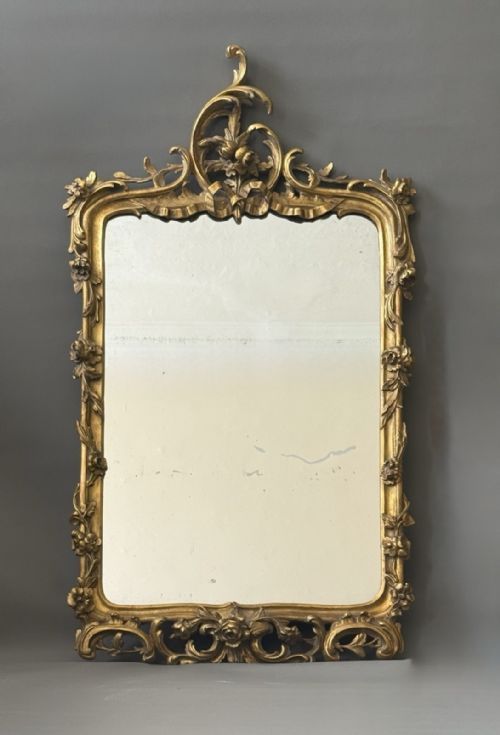
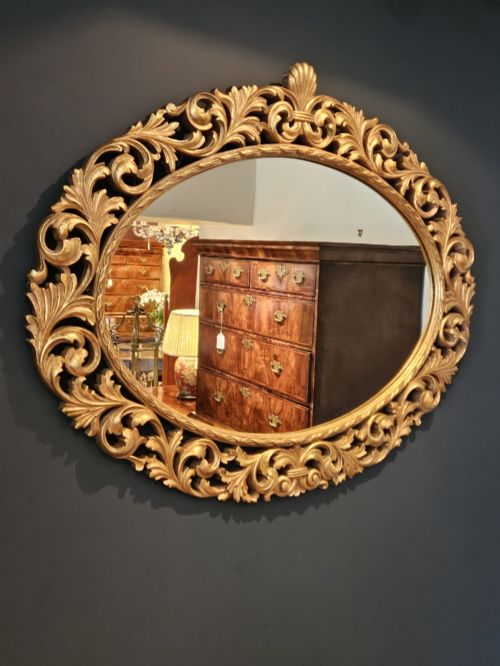
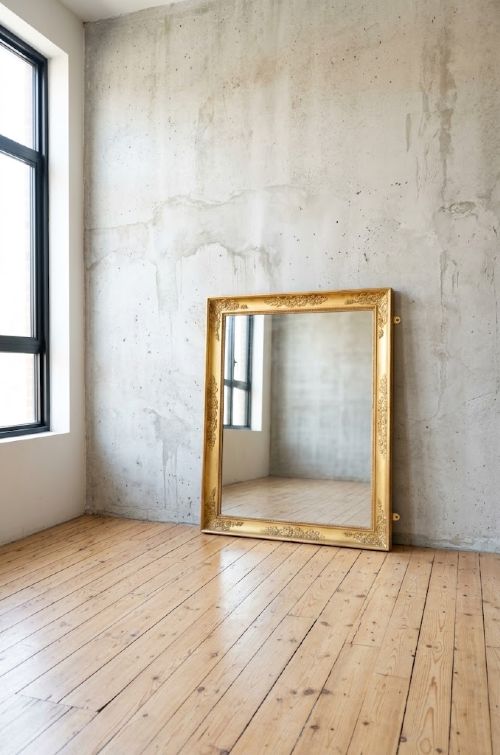
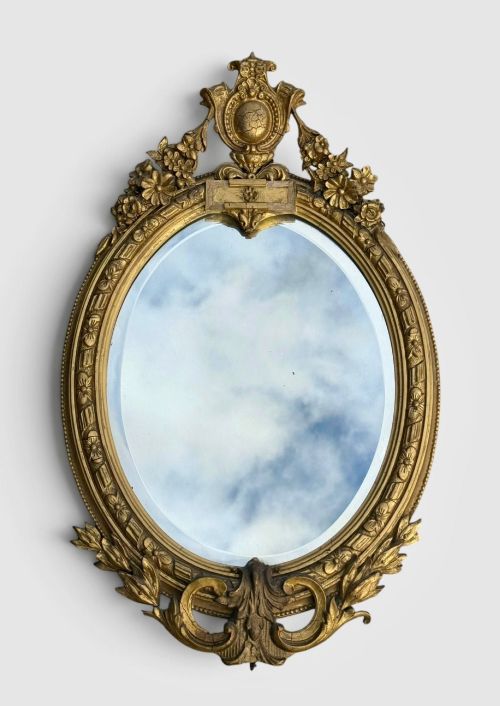
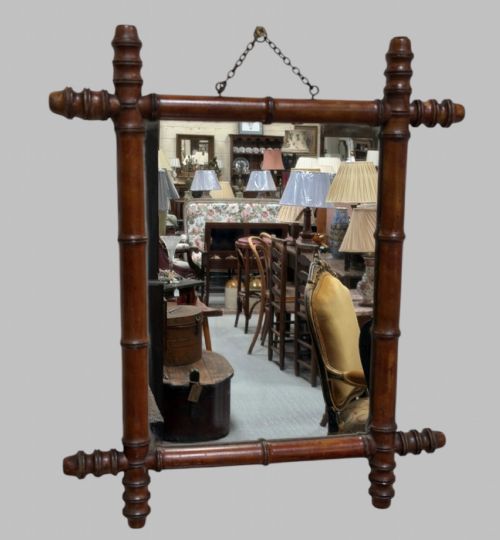
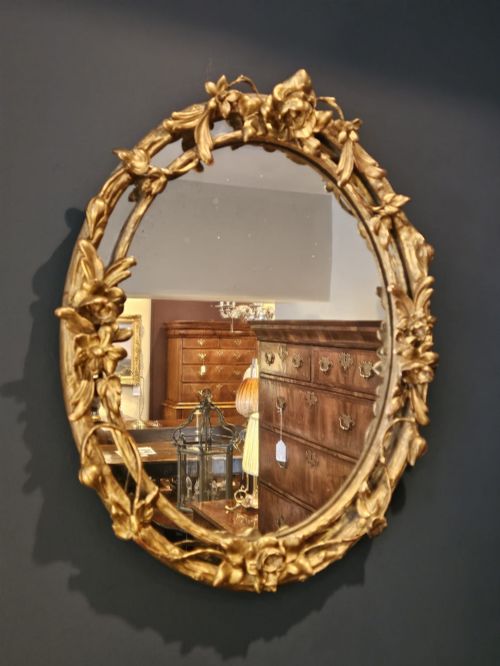
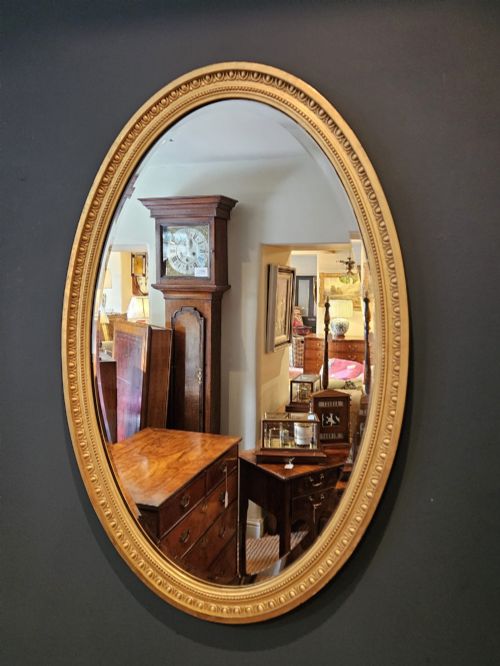
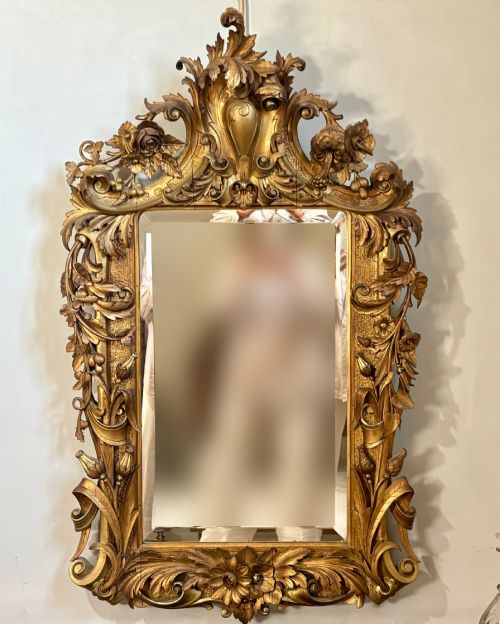
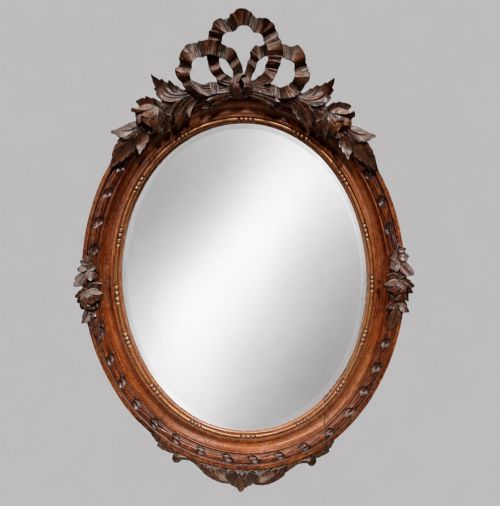
A french hanging wall mirror serves as a decorative focal point, often featuring elaborate carving and substantial vertical or horizontal proportions designed to hang directly on a wall. Buyers searching for a french hanging wall mirror encounter diverse forms, ranging from simple oval timber frames to heavily ornamented giltwood creations.
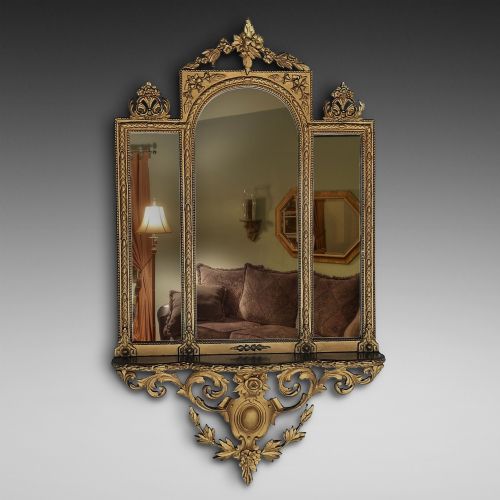
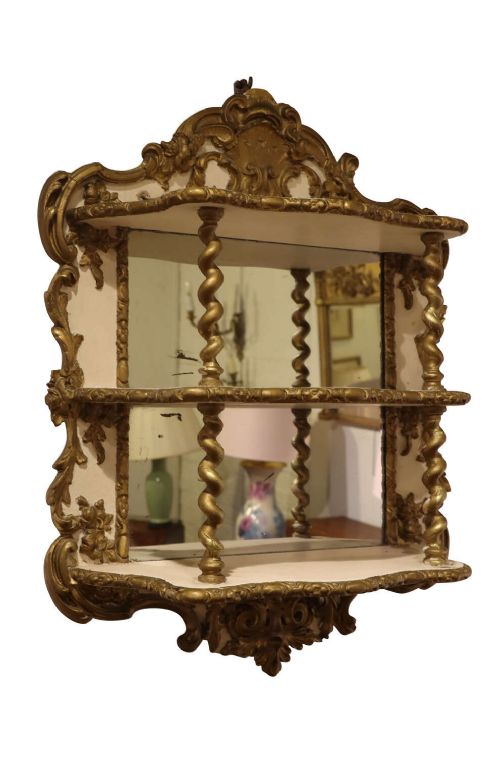
The pieces available here bridge several centuries, including eighteenth century examples with original mercury plates alongside nineteenth century rococo revival and louis xvi revival pieces. While wall mirrors dominate the selection, related forms such as wall shelves, console tables, and wall cabinets occasionally appear.
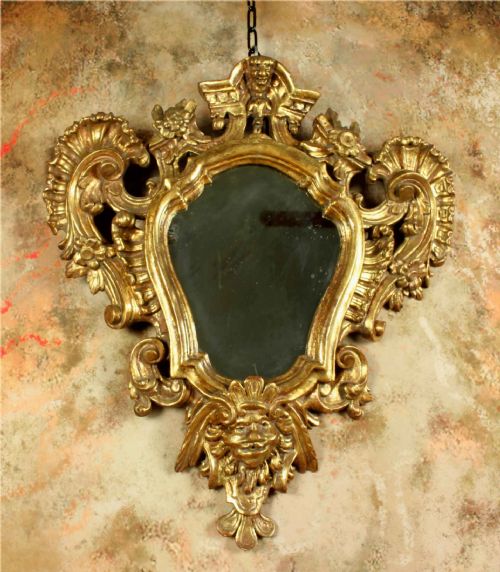
Origins vary across continental workshops and Victorian interpretations, with many items utilising traditional French design motifs like scrolls, floral carvings, and decorative masks. These mirrors transform interior spaces by reflecting light while adding distinct historical depth.
Materials and Construction Techniques
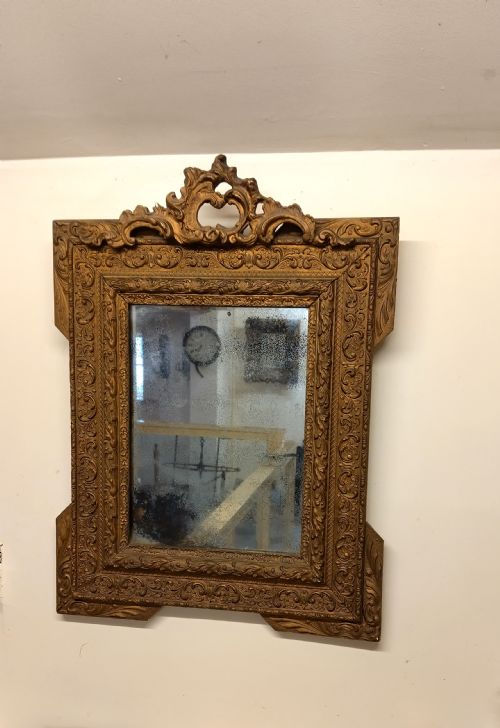
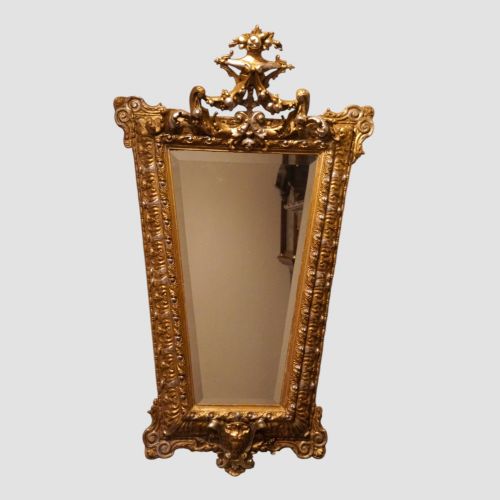
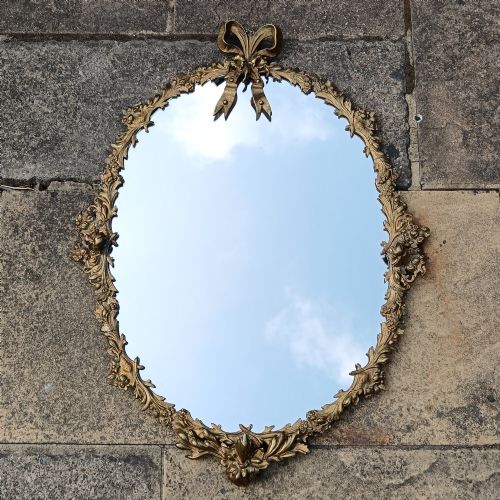
Makers utilised timber substrates such as oak and carved wood to build the foundational structure, applying gesso layers to shape intricate relief ornamentation before gilding with gold leaf or paint. Pressed brass and bronze also appear, providing metallic frames with fine botanical and mythological details.
Reflecting surfaces rely on glass plates, with older examples incorporating antique or original mercury plates that display characteristic age spots and soft reflections. Gilding techniques combined gold leaf with silver-gilt and composition mouldings to achieve rich decorative finishes.
The selection includes varied formats such as oval, rectangular, and trapezoidal frames alongside matching wall shelves and console tables.
Assessing Quality and Craftsmanship
Quality rests in the crispness and depth of the hand-carving within the wood, gesso, or giltwood frame, where superior examples display sharp botanical details and fluid scrollwork rather than soft, mass-produced contours. The preservation of the original gilding and the character of the glass plate further separate exceptional pieces from simpler later alternatives.
Structural integrity of the timber frame and the attachment points for hanging influence durability, ensuring the weight of heavy glass and plaster is supported securely. The presence of period components, such as untouched antique mirror plates, adds historical integrity.
The French Hanging Wall Mirror Glossary
- Giltwood
- Wood carved and coated with gold leaf or a gold-coloured finish. This material defines many traditional decorative frames.
- Gesso
- A plaster-like mixture applied to wood frames and carved into relief designs before gilding. It allows for crisp ornamental detailing.
- Mercury Plate
- An older style of mirror glass made using a tin-mercury amalgam behind the glass. It creates a characteristically soft, mottled reflection.
- Rococo Revival
- A nineteenth-century style imitating the ornate, asymmetrical scrollwork and botanical motifs of the eighteenth century. It heavily influences French wall mirror design.
- Louis XVI Revival
- A nineteenth-century design movement favouring neoclassical symmetry, straight lines, and refined floral ornaments. Pieces in this style often feature classical proportions.
French Hanging Wall Mirror: Frequently Asked Questions
How do I hang a heavy antique mirror safely?
Heavy antique mirrors require robust wall fixings anchored directly into masonry or secure timber studs to support the weight of wood, gesso, and glass. Professional hanging hardware distributes the load evenly across the frame.
Check the structural condition of the timber backboards and hanging loops before installation to ensure the original joints remain secure.
Are antique mirror plates always replaced?
Many antique mirrors retain their original glass, which often exhibits foxing, dark spots, and soft reflections developed over centuries. Some pieces feature new glass fitted to replace damaged originals.
Examining the glass helps determine whether the plate shares the age of the frame or dates to a later restoration.
How do I clean an antique gilt frame?
Gilt frames require gentle dusting with a soft, dry brush to remove accumulated particles without disturbing delicate gesso or gold leaf. Avoid liquid cleaners and chemical solvents entirely.
Water and harsh cloths can strip fragile surface finishes and damage historical gilding.