


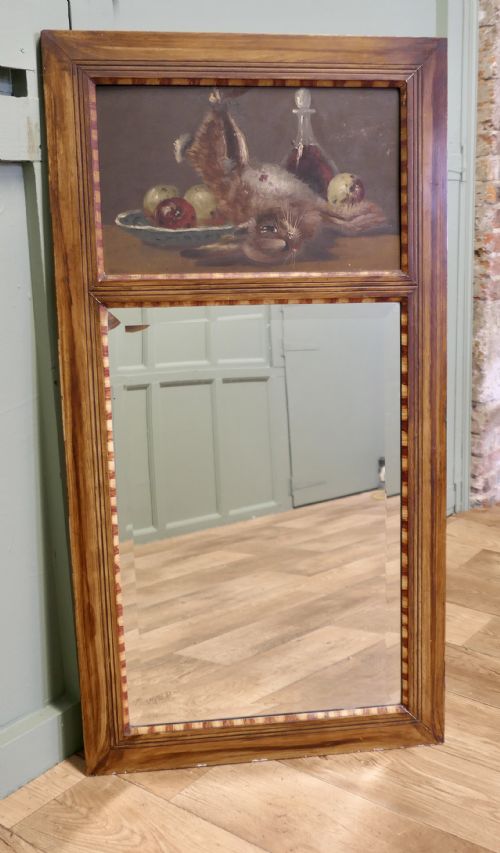
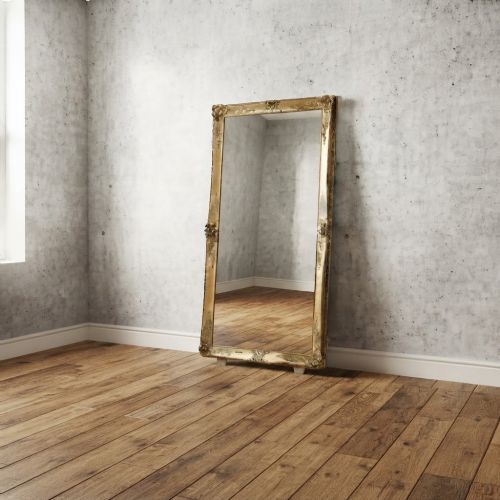
Vintage French Wood Mirror
A vintage french wood mirror brings immediate depth and reflected light to a room, drawing the eye with its carved frames and aged plates.
Vintage French Wood Mirror
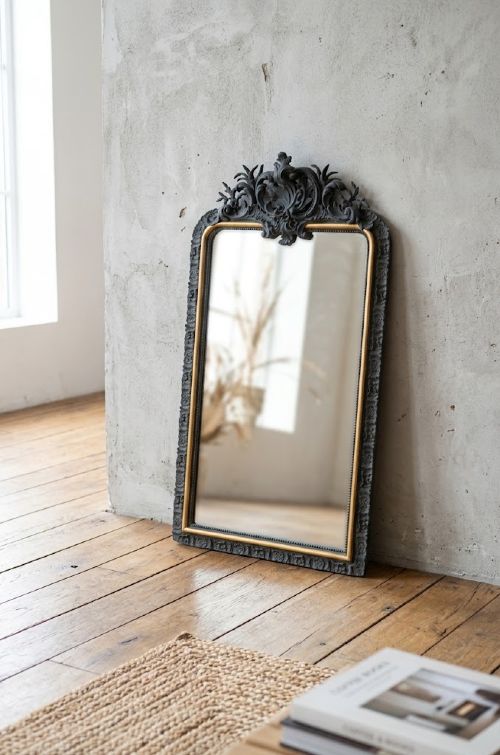
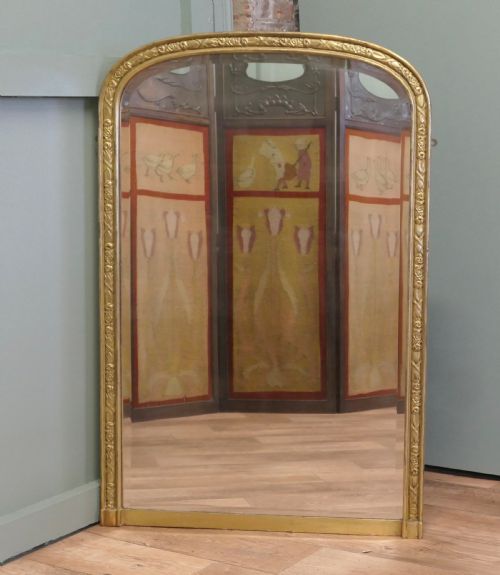
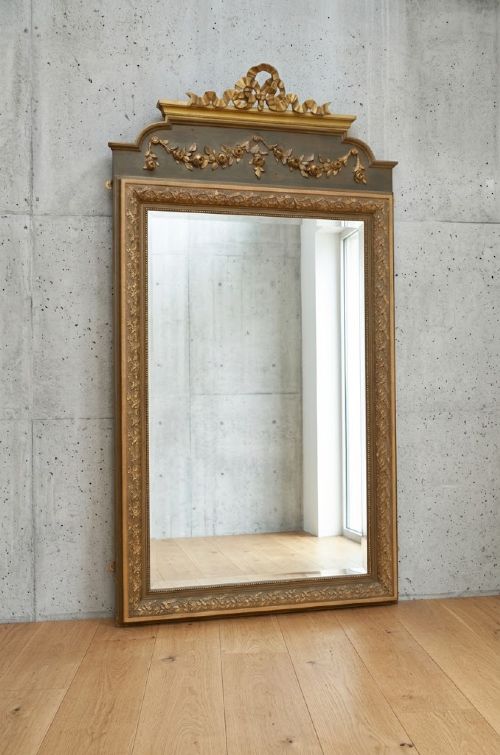
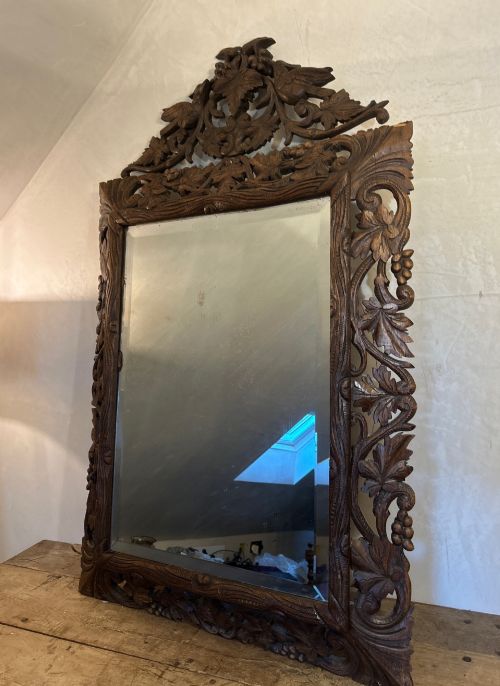
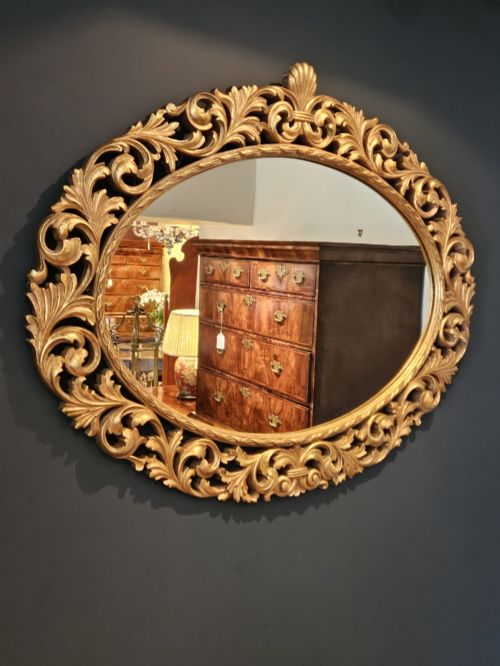
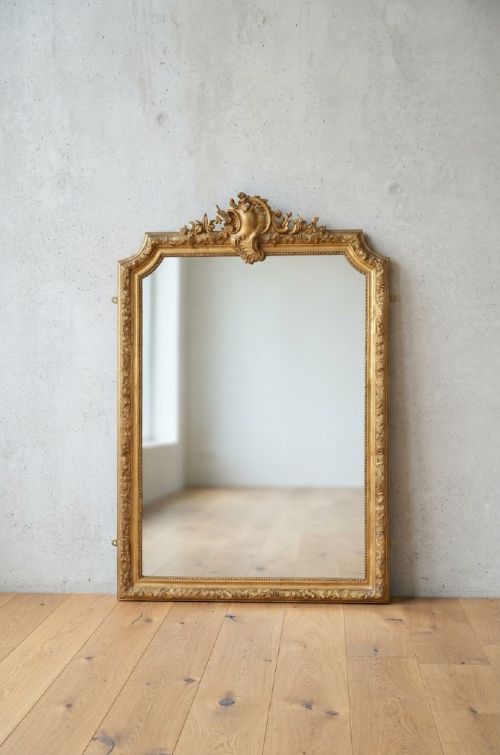
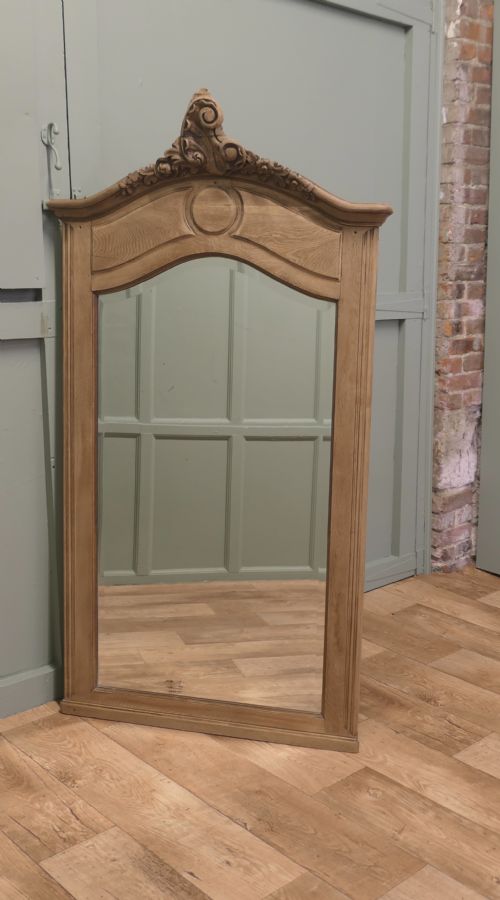
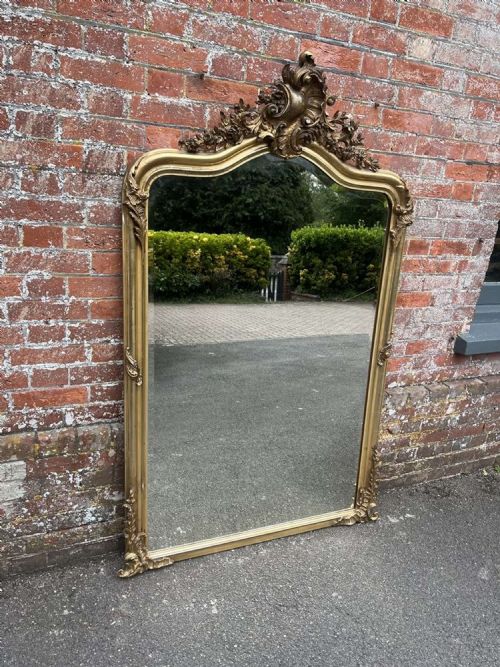
A vintage french wood mirror encompasses a diverse selection of wall-hanging, overmantel, and full-length leaner pieces designed to expand interior spaces. When exploring this phrase, buyers encounter examples ranging from stately 18th century rococo giltwood works to provincial French Country trumeau piers and carved oak designs.
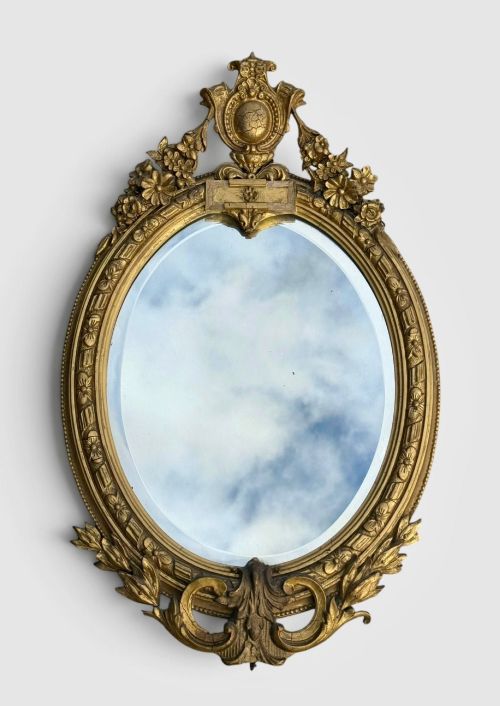
The selection on this page leans heavily toward nineteenth-century production, incorporating distinct regional styles such as French Chateau, Rococo Revival, and Louis Philippe frames. These objects frequently serve as focal points above mantelpieces or within dressing areas, combining functional glass with sculptural wooden borders.
Materials and construction
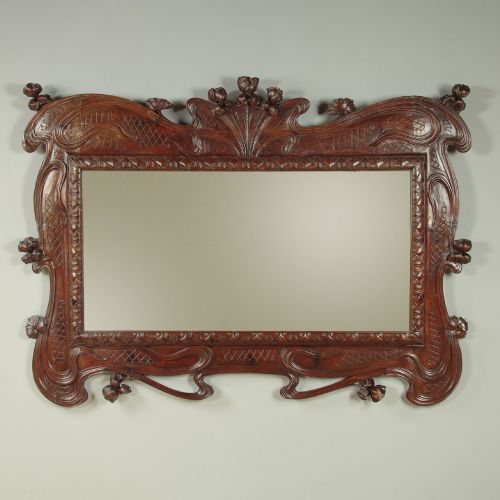
Artisans built these frames using traditional timber substrates including oak, walnut, and mahogany, often applying layers of gesso to build up intricate surface ornamentation. Carved details range from floral garlands and ribbon crests to bold mythological motifs shaped directly into the wood.
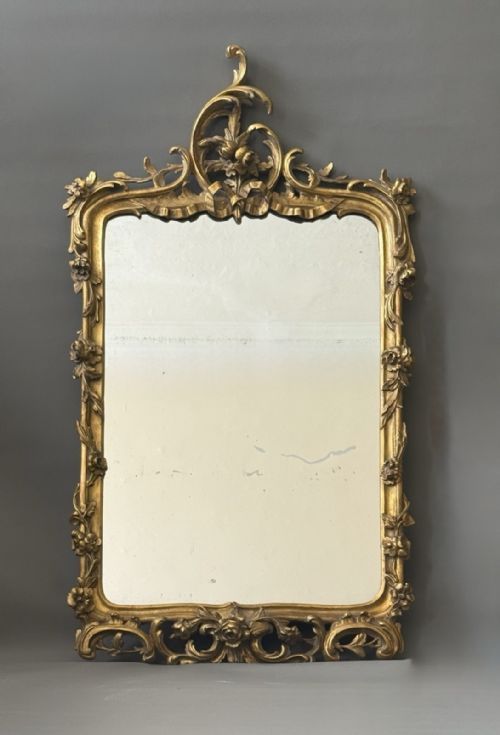
Gilding techniques involved the application of gold leaf or silver gilt over preparatory grounds, while other pieces received painted finishes or ebonised treatments. The reflective surfaces utilise antique mirror glass, sometimes showing natural foxing acquired over decades of oxidation.
Listings incorporate items spanning from the eighteenth century through the 1920s, featuring oak, mahogany, and gessoed wood.
Assessing craftsmanship
Quality rests in the depth and crispness of the wood carving, distinguishing hand-worked relief details from simpler moulded decoration. Superior examples display balanced proportions, harmonious integration of frame and crest, and original gilded surfaces that have aged with a soft, uniform patina.
The integrity of the structural joinery and the originality of the mirror plate itself further define the standing of a piece. Retaining the original mercury glass or early hand-silvered plate elevates an object above those fitted with modern replacement glass.
The Vintage French Wood Mirror Glossary
- Giltwood
- Wood that has been coated with a thin layer of gold leaf or gold powder. This finish is characteristic of many formal nineteenth-century frames.
- Gesso
- A plaster-like mixture applied to wooden frames to create a smooth surface for carving or gilding. It allows for crisp, raised ornamental details.
- Trumeau
- A decorative wall mirror paired with a painted panel or oil painting above the glass. These were traditionally fitted into the architectural woodwork of Parisian salons.
- Foxing
- Small dark spots or brownish discoloration within the silvering of antique mirror glass. This chemical change occurs naturally over long periods.
- Pier mirror
- A tall, narrow mirror designed to hang on the wall space between windows. They often stand above low consoles or pier tables.
Vintage French Wood Mirror: Frequently Asked Questions
How do I hang a heavy antique mirror?
Large overmantel and leaner mirrors require secure wall fixings distributed into structural studs or masonry rather than standard plasterboard hooks. Professional mirror hanging hardware ensures the substantial weight of timber and glass is safely supported.
Position the hanging wire or brackets carefully to maintain the intended angle against the wall. Heavy frames benefit from lower support brackets that share the load alongside the primary top anchor.
What is foxed glass?
Foxed glass refers to the speckled, aged appearance of antique mirror plates where the backing has oxidised over time. This creates cloudy patches and dark spots across the reflective surface.
Collectors generally prize original foxed plates as proof of genuine age and authenticity. The softened reflection adds a characteristic atmospheric quality distinct from modern, flawless glass.
How can I date a French wooden mirror?
Dating relies on examining the construction methods of the wooden frame, the style of the carving, and the composition of the glass plate. Eighteenth-century examples often display deep rococo asymmetry, while nineteenth-century pieces frequently follow Louis Philippe or neoclassical revival lines.
Inspect the reverse of the frame for hand-cut joints, old fixings, and timber shrinkage patterns. Backboards and assembly nails provide reliable clues regarding the period of manufacture.