
French Gold Mirror Frame
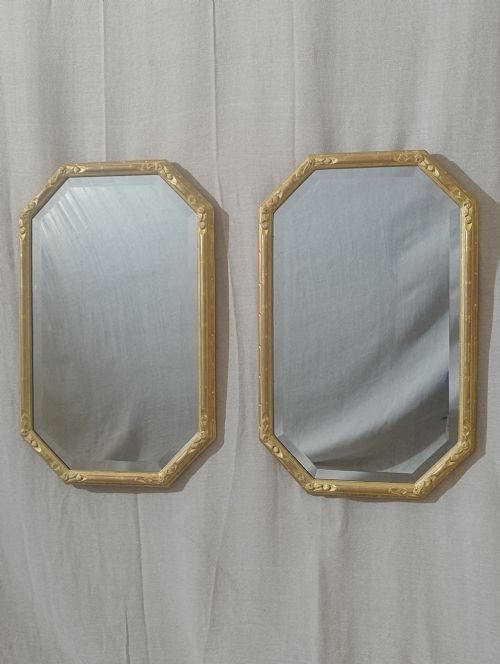
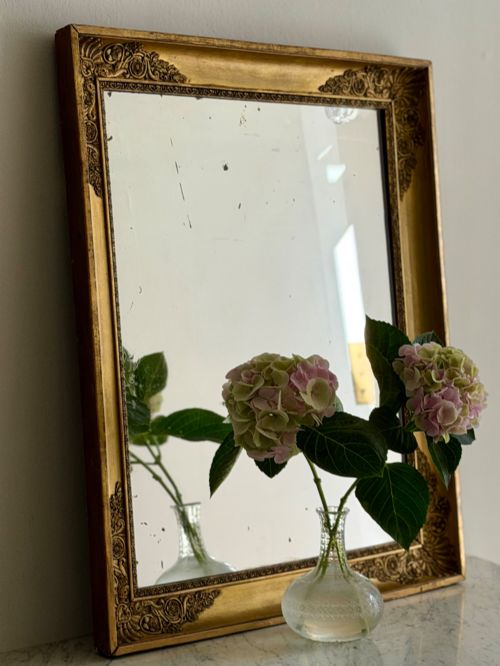
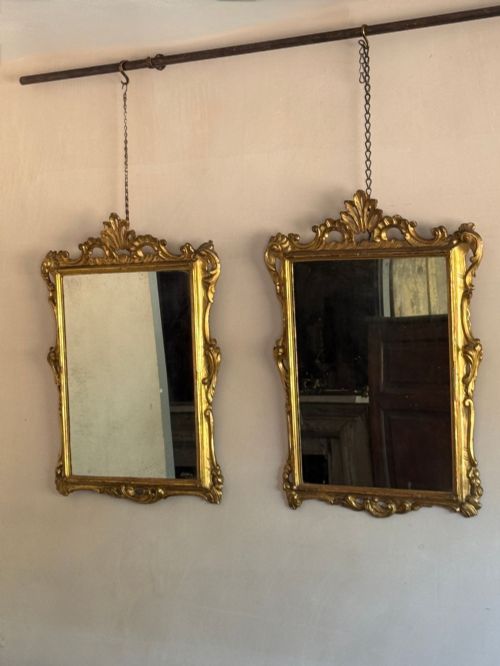
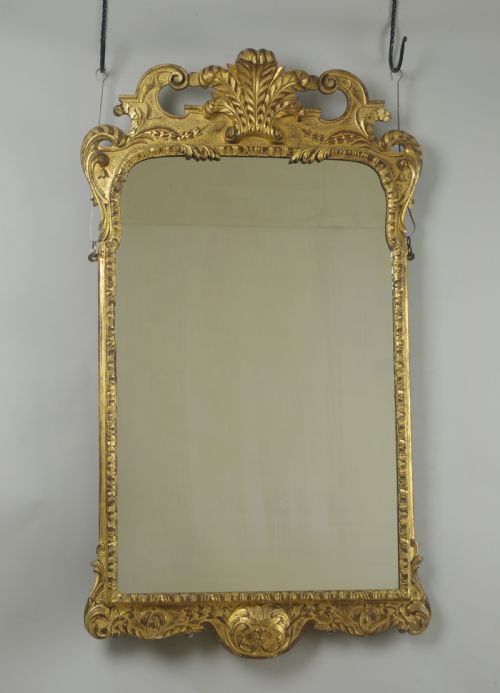
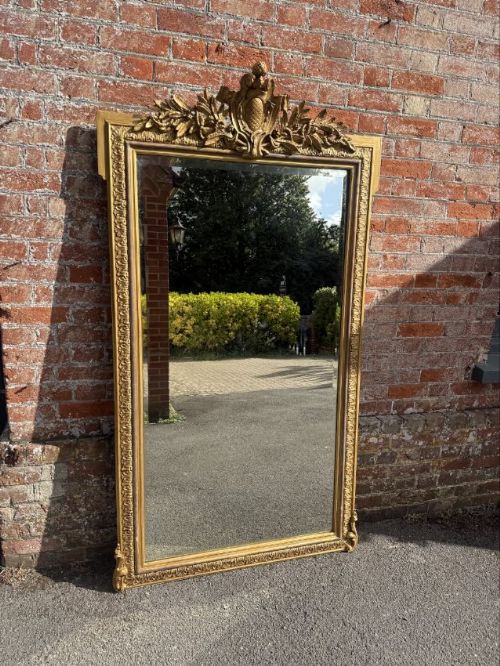
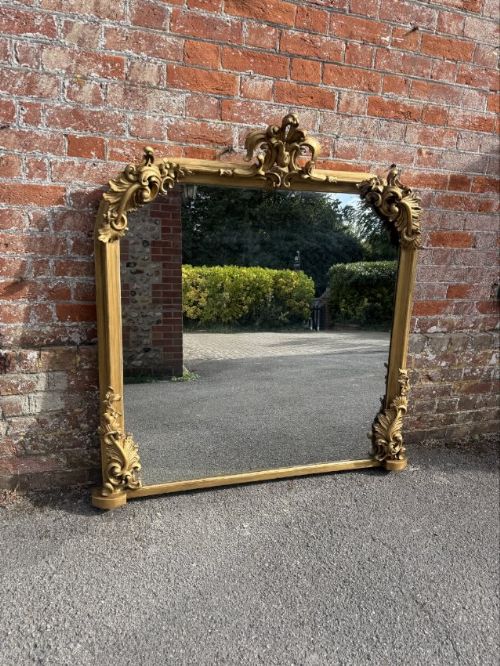
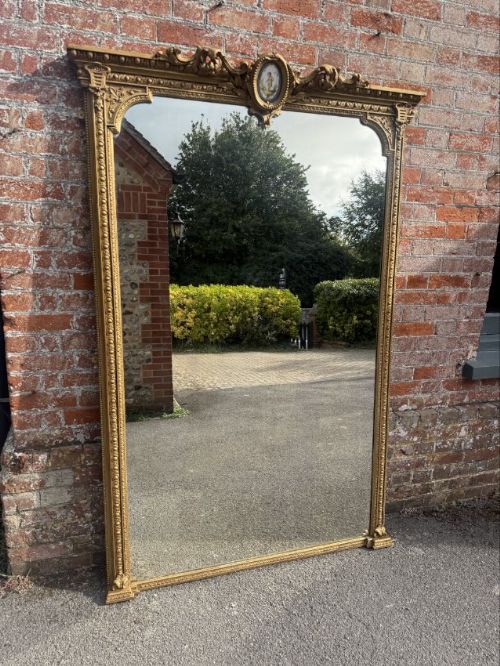
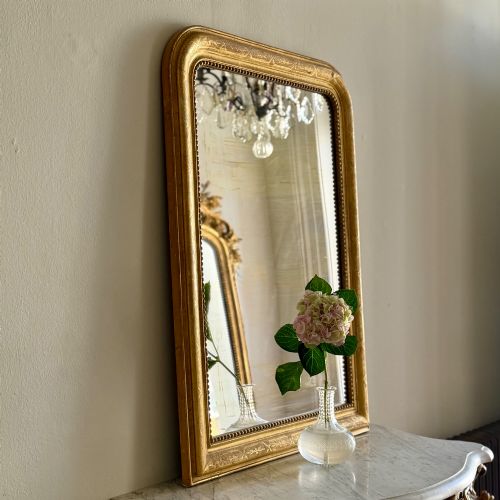
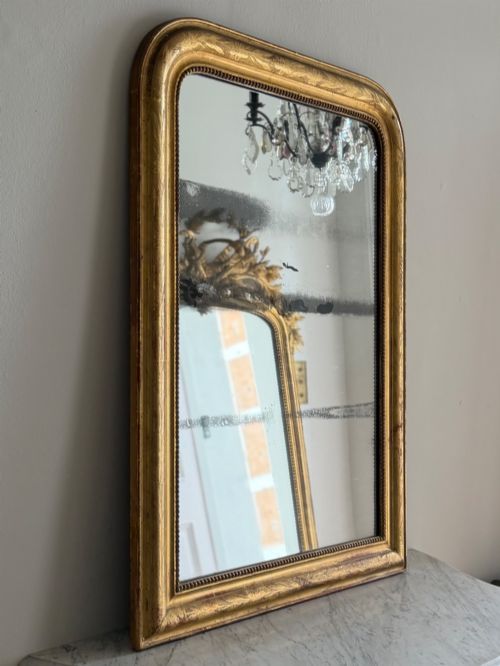
These french gold mirror frame examples bring giltwood, gesso and mercury glass into a room with period proportion.
French Gold Mirror Frame
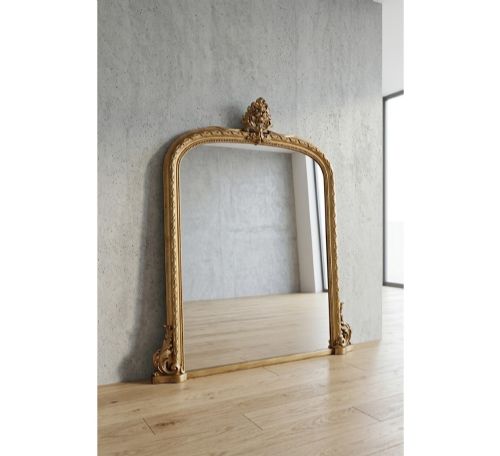
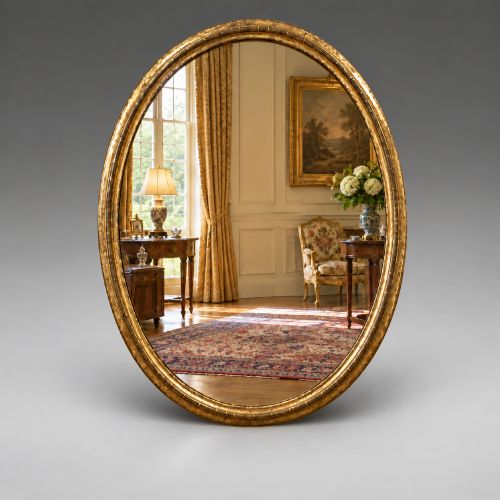
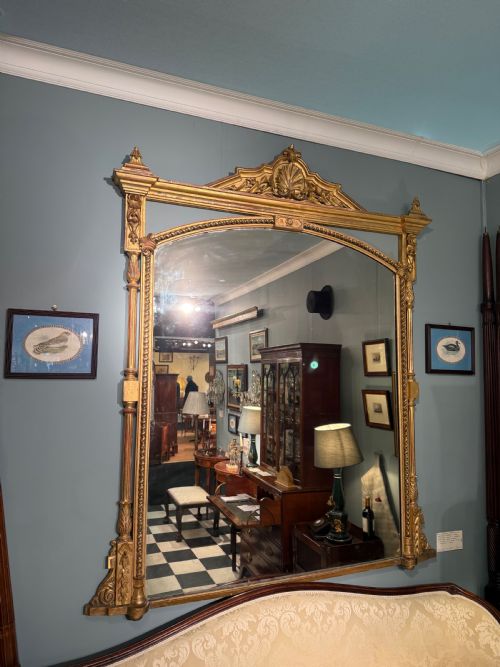
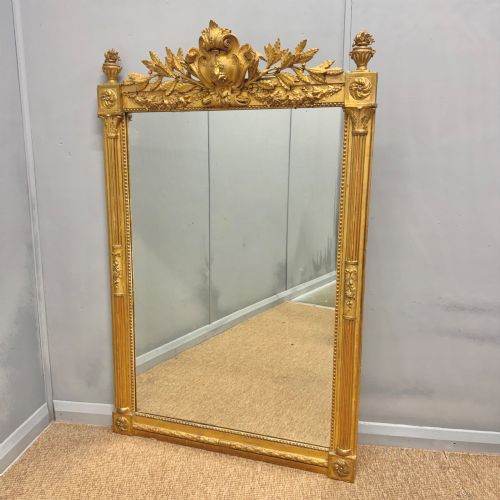
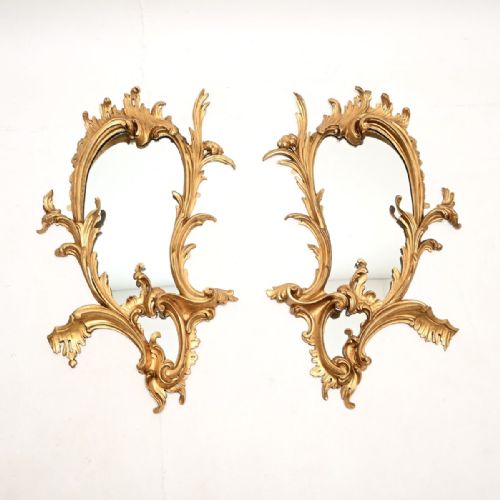
A french gold mirror frame brings together wall mirrors, overmantel mirrors and pier glasses originating across the eighteenth and nineteenth centuries. The pieces met here span styles from Rococo Revival and Louis Philippe to French Neoclassical and Victorian, forming a distinct group of decorative objects.
The most frequent version on this page is the nineteenth-century giltwood wall mirror or overmantel, often displaying carved floral, mythological or ribbon details. Examples range from tall proportions designed for piers to wide formats intended to sit above fireplaces.
Materials and construction
Carved wood, gesso and composition form the structural base of these frames, providing the foundation for subsequent gilding with gold leaf or metallic finishes. Artisans built frames from timber substrates before applying layers of gesso to carve intricate scrollwork, floral motifs and rope twists.
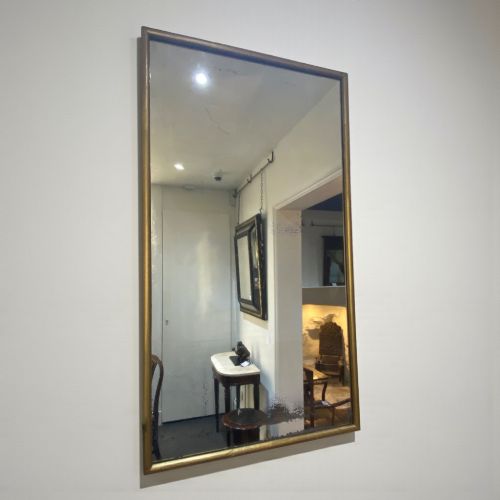
Mercury glass and antique plate feature within the frames, often exhibiting foxing and ageing characteristics peculiar to historical manufacturing methods. Giltwood and parcel gilt treatments define the exterior surfaces, sometimes combined with painted elements or olive green highlights.
Some frames conceal secret knots in the wood beneath layers of gold leaf, waiting patiently for centuries to reveal themselves.
Distinguishing quality in decoration
The distinction between tiers rests upon the crispness of the hand-carved detail within the gesso and giltwood ornament, where superior examples maintain sharp relief in floral and mythological motifs. Lower grades rely heavily on moulded composition pressings that lack the depth and definition found in finer carving.
The preservation of the original mercury glass plate and the integrity of the antique gilding determine the standing of an individual piece. Retaining untouched original surfaces and genuine period mirror plates separates standard decorative items from those possessing higher collector interest.
The French Gold Mirror Frame Glossary
- Giltwood
- Wood that has been coated with gold leaf or a gold-coloured finish. This material provides the primary metallic surface for classical frames.
- Gesso
- A plaster-like mixture applied to a wooden base to create a smooth surface for carving and gilding. Artisans model intricate relief designs directly into this compound.
- Mercury Glass
- A type of glass blown with a silvering solution between double walls, producing a reflective surface. Historical examples often display distinctive foxing spots over time.
- Overmantel Mirror
- A large mirror specifically proportioned to hang above a fireplace mantel. These pieces frequently incorporate landscape orientations and architectural framing.
- Louis Philippe
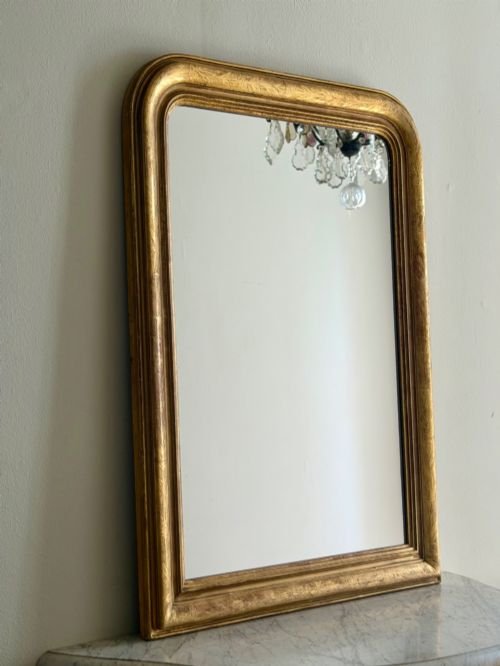
- A French style from the nineteenth century characterised by restrained classical proportions and rounded upper corners. Pieces from this aesthetic favour clean lines over heavy ornamentation.
French Gold Mirror Frame: Frequently Asked Questions
What defines a French gold mirror frame?
These pieces combine carved wooden frames with gilt surfaces, gesso ornament and historical mirror plates originating in France.
They reflect aesthetic movements from Rococo Revival and Louis Philippe to neoclassical designs created for period interiors.
How were these antique mirrors used originally?
Mirrors were positioned above fireplaces as overmantels or placed between windows as tall pier glasses to maximise light.
Their reflective plates and ornate frames served both a functional purpose and a decorative role in formal reception rooms.
How do I care for mercury glass?
Mercury glass requires gentle dusting with a soft, dry cloth without harsh chemical cleaning agents.
Preserving the original backing and foxing spots maintains the historical integrity of the antique plate.
How are different periods identified?
Stylistic indicators such as Rococo asymmetry, Napoleon III motifs or Louis Philippe rounded corners help distinguish eras.
Materials like hand-carved gesso, composition mouldings and original mercury glass further assist in dating each piece.