



French Glass Display Table
A french glass display table brings together fine cabinetmaking and visible storage for precious small items.

French Glass Display Table
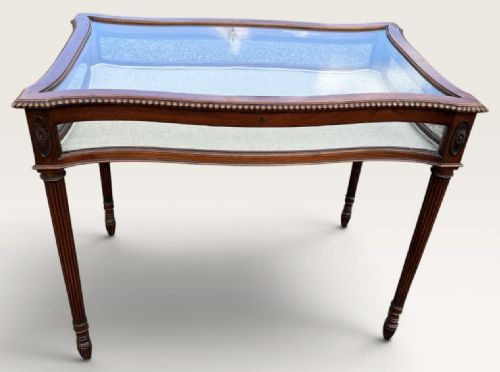
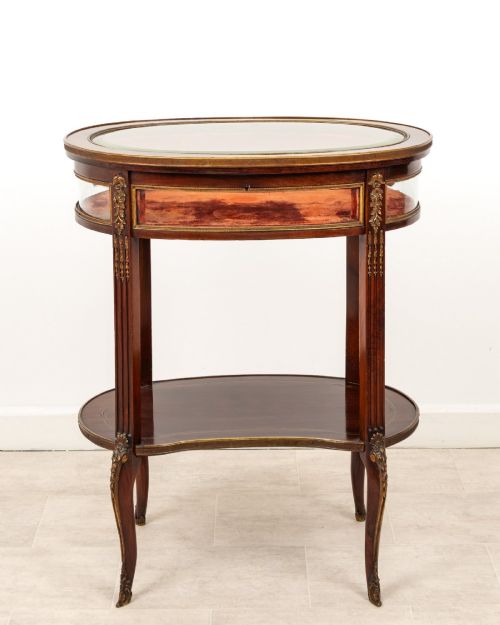
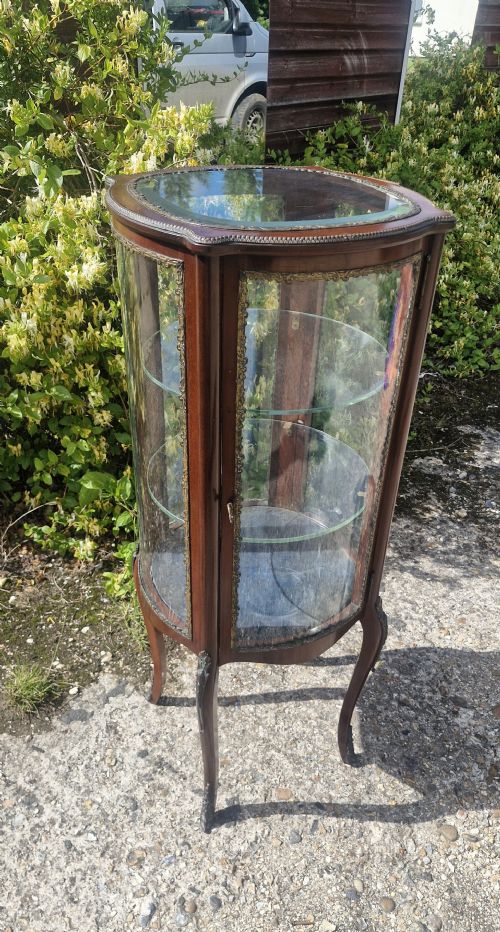
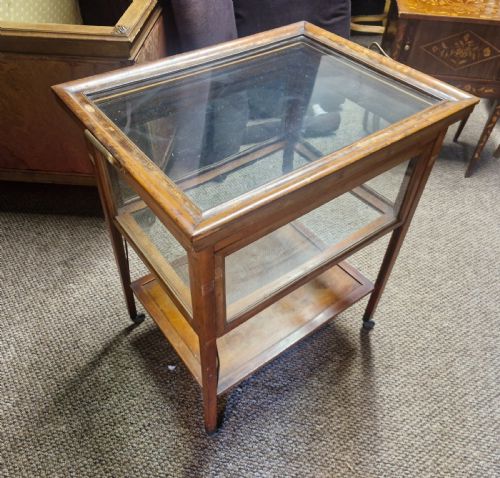
A french glass display table acts as a showcase for small collections, medals, and personal trinkets beneath a glazed top. These pieces combine the function of a vitrine with the surface height of a parlour table.
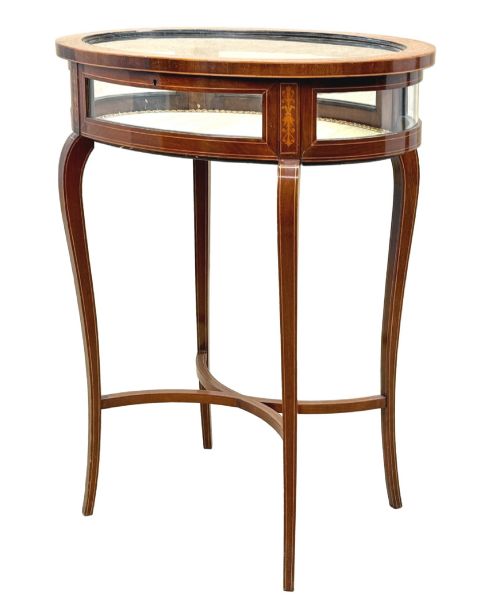
Most examples found on this page date from the nineteenth century into the Edwardian period, often following Louis XV or Louis XVI revival styles. Serpentine and oval top shapes dominate the selection alongside traditional rectangular forms.
Makers designed these objects for drawing rooms and boudoirs to display valuables safely while keeping them in plain sight.
Measures of Quality
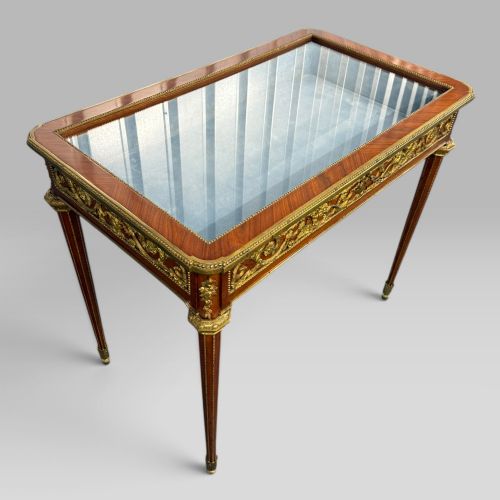
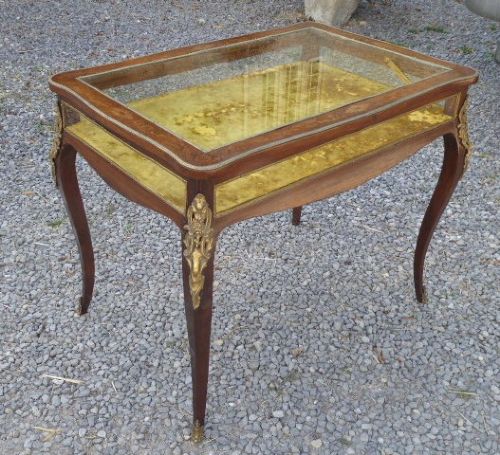
The crispness of the gilt bronze or ormolu mounts separates standard production from exceptional pieces. Finely chased metalwork shows sharp relief and careful hand-finishing.
Timbers selected for veneers display rich grain patterns, particularly in kingwood and rosewood examples. Superior tables maintain sturdy joinery in the slender frames despite heavy glass tops.
Listings feature mahogany, kingwood, and rosewood paired with ormolu mounts across nineteenth-century and Edwardian periods.
François Linke·Le Roy et Fils·Samuel Marti
The French Glass Display Table Glossary
- Bijouterie table
- A specialised display table featuring a glass top and glazed sides designed specifically for jewellery and small ornaments.
- Ormolu
- Gilded bronze applied as decorative mounts to furniture frames and corners.
- Vitrine
- A glass-fronted cabinet or display case used for showing ornaments and porcelain.
- Kingwood
- A dense, richly figured exotic timber used extensively for decorative veneers in fine nineteenth-century cabinetmaking.
- Bevelled glass
- Glass panes with angled edges cut and polished to catch the light.
French Glass Display Table: Frequently Asked Questions
What is a french glass display table used for?
These tables provide a secure, dust-free surface for exhibiting small collectables, pocket watches, and medals.
Collectors placed them in reception rooms so guests could inspect intimate treasures without handling them.
How do I date a french glass display table?
Dating relies on timber choices, mount styles, and construction techniques found across nineteenth-century and Edwardian pieces.
Revival styles often copy eighteenth-century models, so hardware and interior linings help confirm the true production period.
How should I clean the fabric interior?
Velvet and fabric linings require gentle surface dusting with a soft brush rather than liquid cleaners.
Harsh moisture can damage the underlying timber and loosen historic glues within the display well.
Are these tables sturdy enough for daily use?
The slender legs and glazed compartments require careful placement away from heavy traffic areas.
They function best as display surfaces rather than active working tables.