
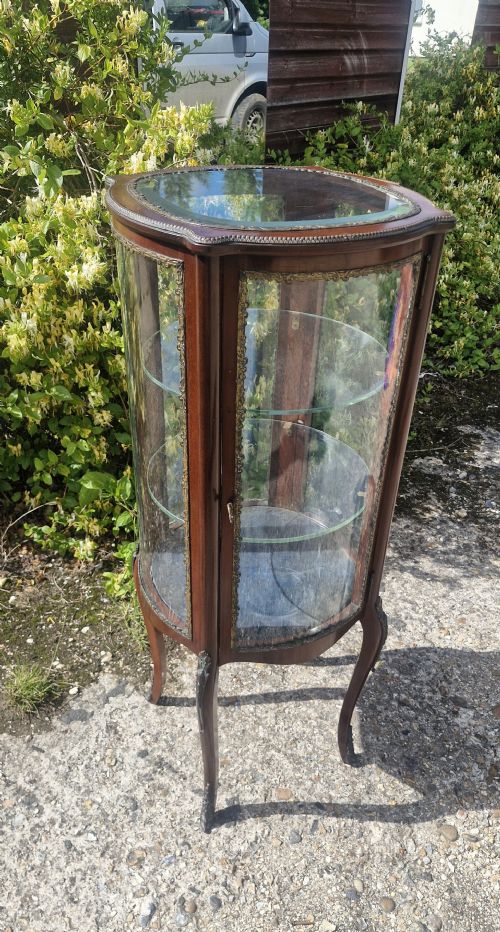
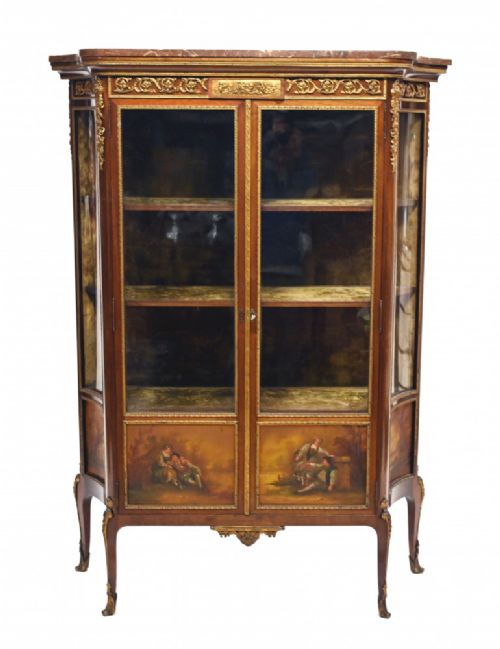
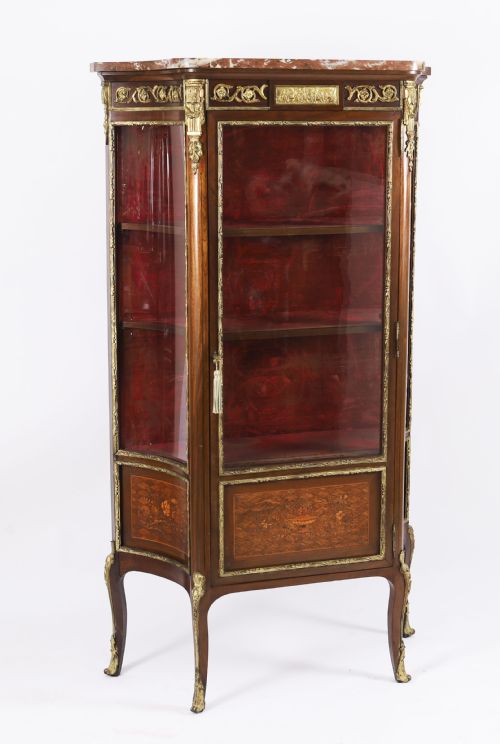

French Gilt Vitrine Cabinet
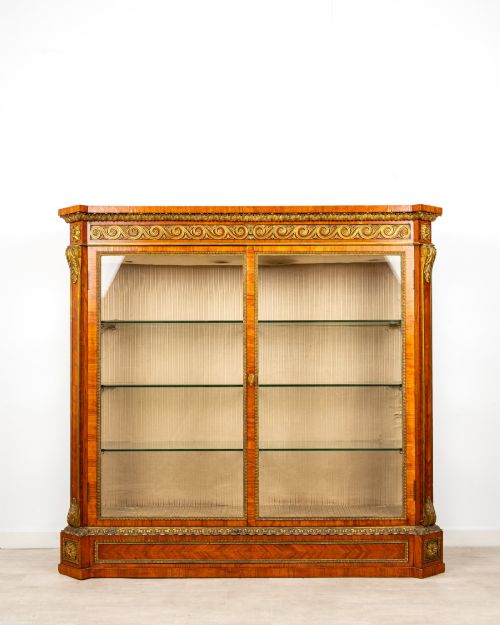
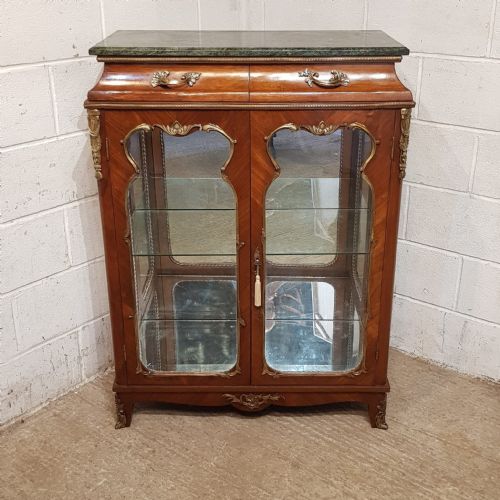
A french gilt vitrine cabinet brings together fine timber, visible framing, and ornate mounts to display porcelain, silver, and curiosities.
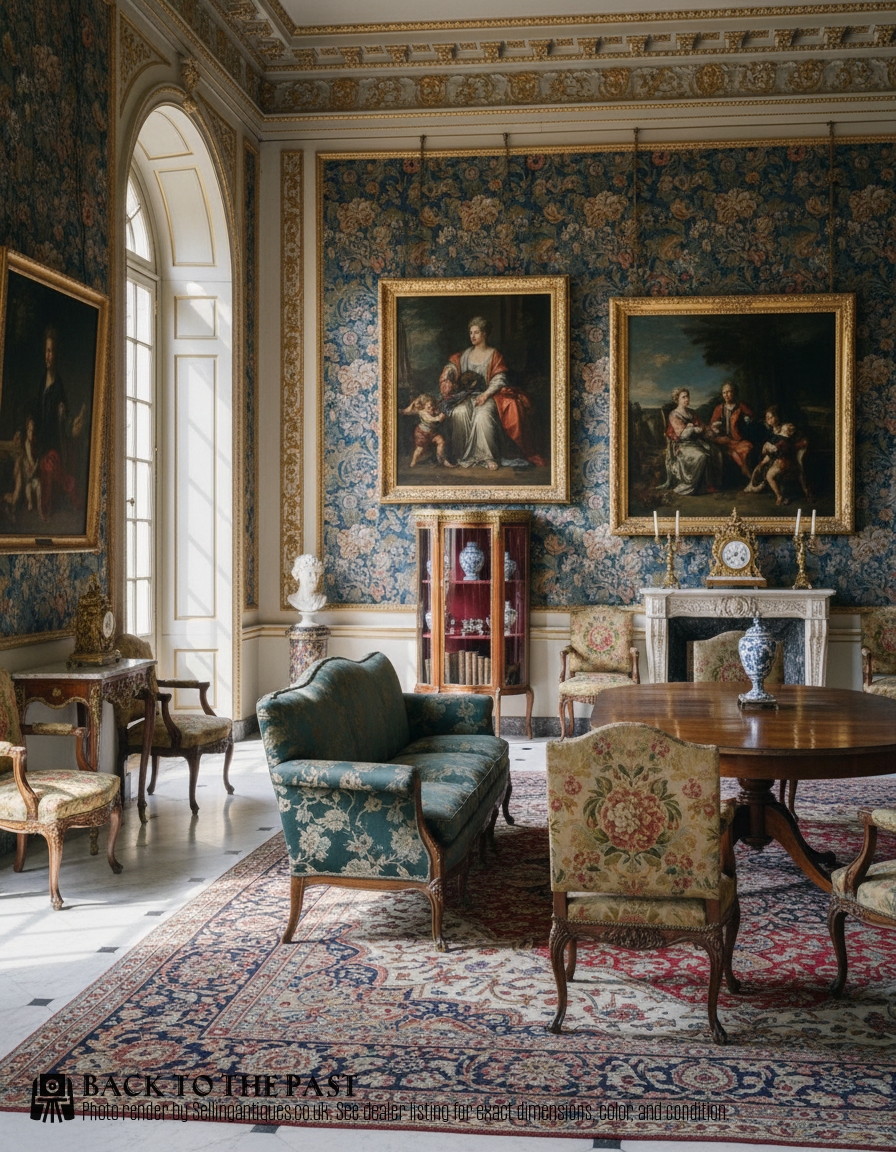
French Gilt Vitrine Cabinet
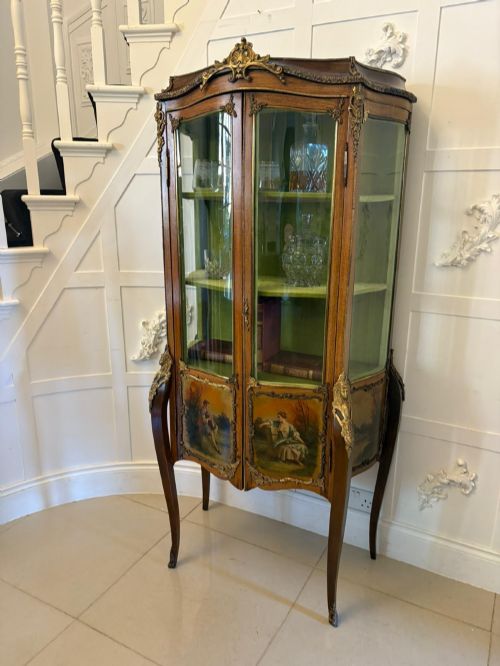
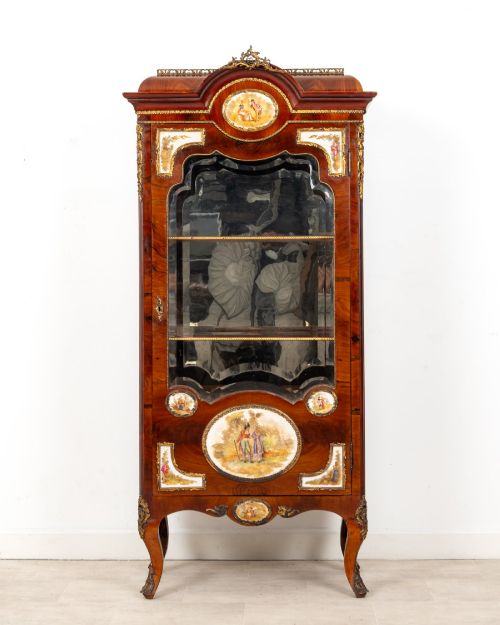
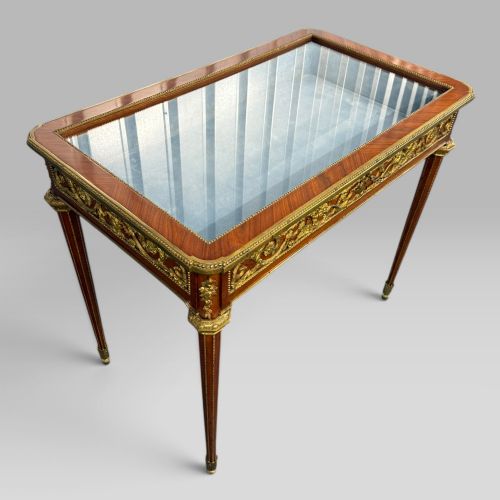
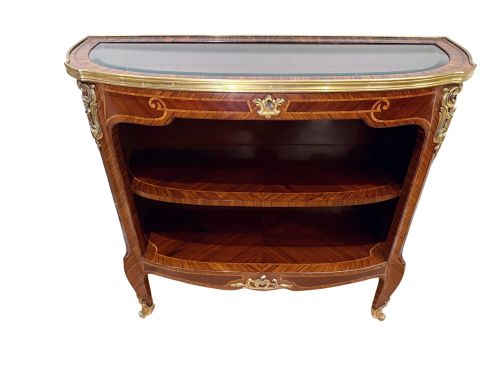
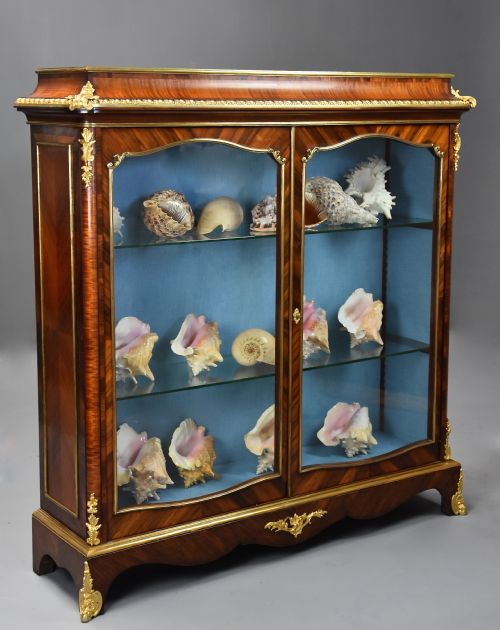
A french gilt vitrine cabinet serves primarily to exhibit prized possessions behind glazed doors or glass panels, keeping dust away while offering all-round visibility. These pieces function as freestanding furniture, pier cabinets, wall hanging vitrines, or low bijouterie display tables.
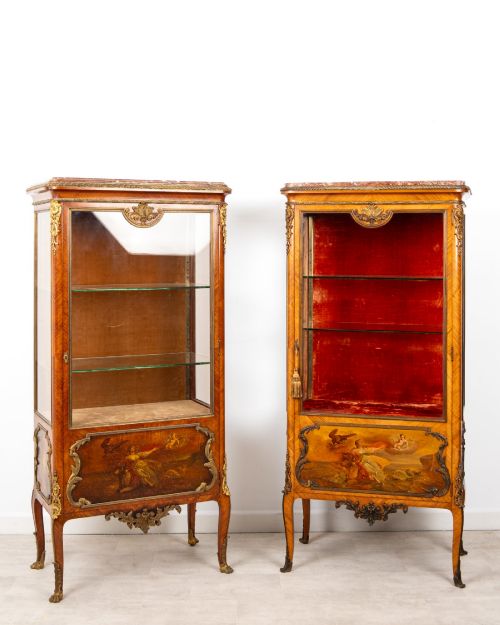
The prevailing examples seen on this page date predominantly from the nineteenth century and the Edwardian era, spanning styles rooted in French Rococo Revival, Louis XV Revival, and Louis XVI Revival. Makers often built these cabinets using mahogany, walnut, kingwood, or rosewood, enriched with marquetry or parquetry.
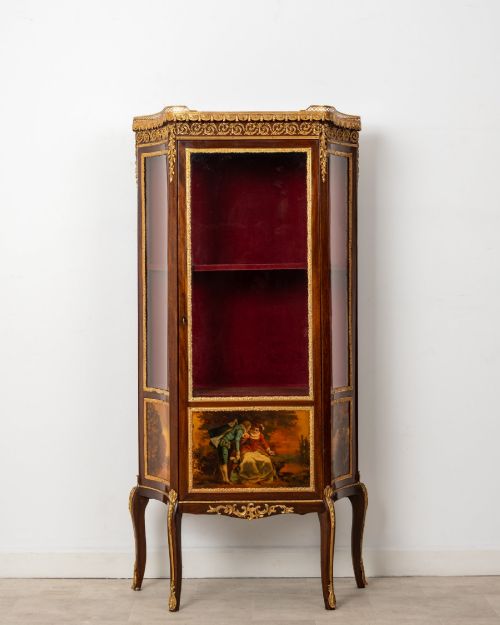
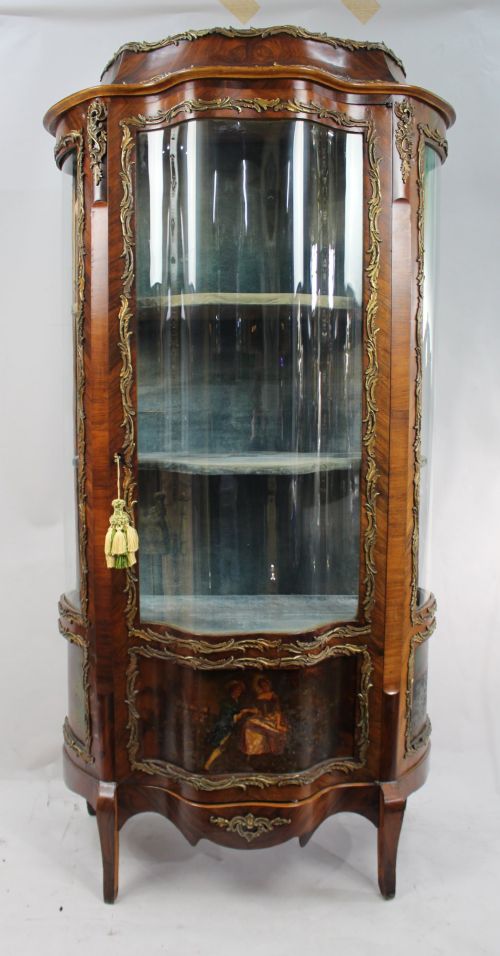
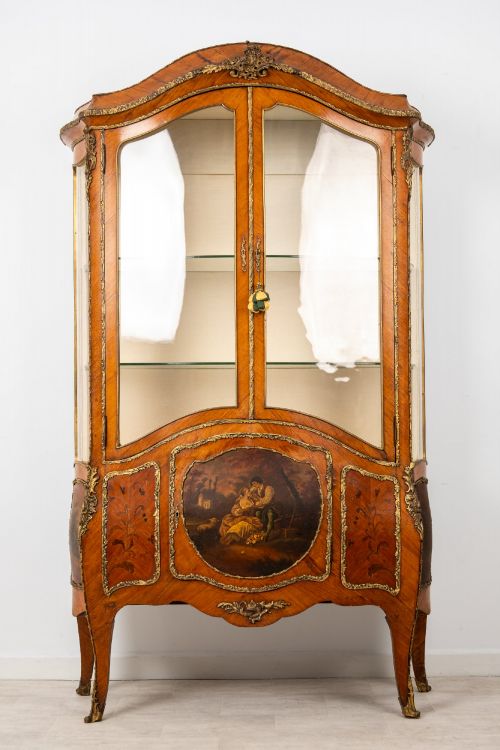
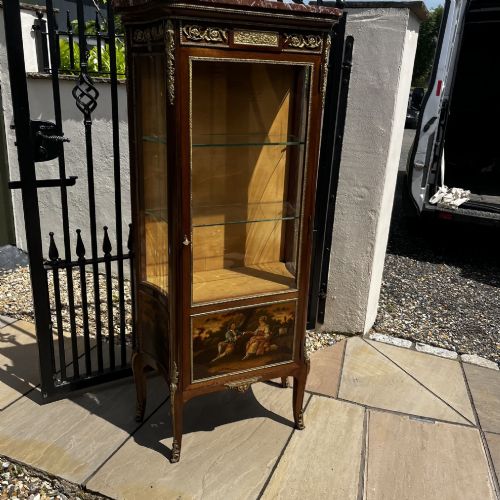
Many of these cabinets incorporate curved serpentine fronts, painted Vernis Martin panels, and inset marble tops. Gilt bronze or ormolu mounts frame the glass and outline the structure, echoing the opulent tastes of French chateaux.
How they were made
Cabinet makers utilised dense hardwoods such as kingwood, walnut, and mahogany as the foundational carcass, often applying intricate parquetry or marquetry veneer patterns across the surfaces. Skilled artisans then shaped serpentine fronts and fitted curved glass panels into the doors and sides.
Ornate metalwork defined the aesthetic, with ormolu and gilt bronze mounts cast, chased, and secured to corners, feet, and friezes. Painted Vernis Martin panels depicting pastoral or romantic scenes frequently decorated the lower sections, protected by clear varnish.
Listings feature cabinets spanning the nineteenth and early twentieth centuries, incorporating materials such as kingwood, mahogany, marble, and gilt bronze.
What varies in quality
The refinement of the ormolu and gilt bronze mounts separates standard production from exceptional work, visible in the depth of chasing and the crispness of leaf and scroll details. Heavier, finely detailed mounts reflect greater workshop investment than thin, stamped metal alternatives.
The choice of timber and veneer work dictates the visual impact of the piece, with matched kingwood or walnut burls showing deliberate grain selection. Additionally, the presence of hand-painted Vernis Martin panels or signed maker mounts elevates the standing of the cabinet.
François Linke·H. J. Hatfield & Sons·Paul Sormani·G. Durand
The French Gilt Vitrine Cabinet Glossary
- Ormolu
- Gilded bronze mounts applied to furniture. This technique involves coating bronze with a gold amalgam and heating it to leave a durable metallic finish.
- Vernis Martin
- Simulated Japanese lacquer developed in France during the eighteenth century. Artisans applied successive coats of varnish and paint to produce glossy decorative panels.
- Parquetry
- Geometric wood veneer patterns arranged in repetitive motifs such as cubes or chevrons. Craftsmen carefully cut thin timber slices to form the decorative exterior.
- Marquetry
- Pictorial veneer work forming floral or scroll designs using various tinted woods. This technique requires precise hand-cutting of contrasting veneers to fit flush.
- Bijouterie table
- A glass-topped display table designed for small valuables and jewellery. These tables feature hinged or lifted glazed lids supported on slender legs.
French Gilt Vitrine Cabinet: Frequently Asked Questions
How were these cabinets used originally?
Originally, these cabinets served as status symbols in grand drawing rooms and salons, where hosts displayed curated collections of small art objects, ceramics, and souvenirs. The glass panels protected delicate items from soot and dust while permitting inspection from guests.
Lower display tables, known as bijouterie tables, held portrait miniatures and jewellery directly beneath the glass top for close viewing during social gatherings.
How do I distinguish revival styles from earlier periods?
Most pieces matching this description date from the nineteenth century revival periods rather than the original eighteenth century reigns. Stylistic cues such as asymmetric Rococo curves or restrained neoclassical straight lines indicate which French reign inspired the maker.
Examination of interior construction, timber seasoning, and the composition of ormolu mounts helps confirm whether a piece belongs to the Victorian era or later.
How do I live with a gilt vitrine cabinet?
Living with a vitrine cabinet involves placing it away from direct sunlight to protect sensitive timber finishes and delicate fabrics inside. Stable room humidity prevents shrinkage in the wood framework and protects glazed doors from alignment issues.
Routine dusting with a soft, dry cloth preserves the gilt surfaces and ormolu mounts without wearing down the metallic finish.