
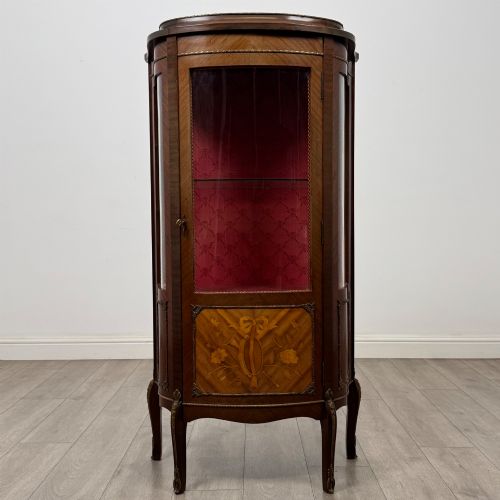
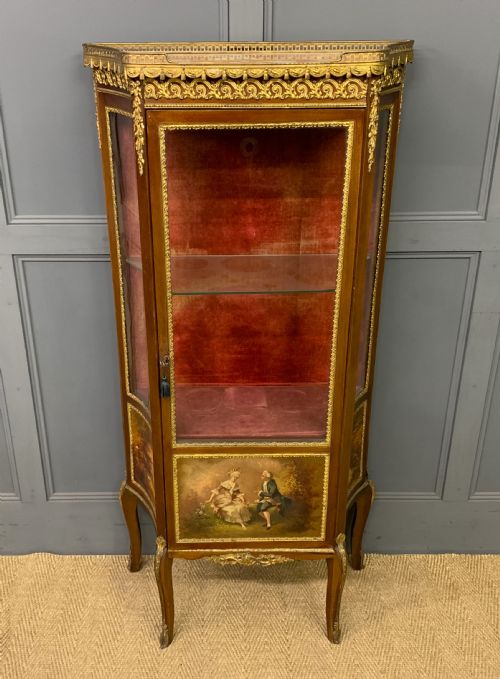


Red Lined Display Cabinet
These red lined display cabinets bring colour and definition to any room, offering the ideal stage for small treasures.
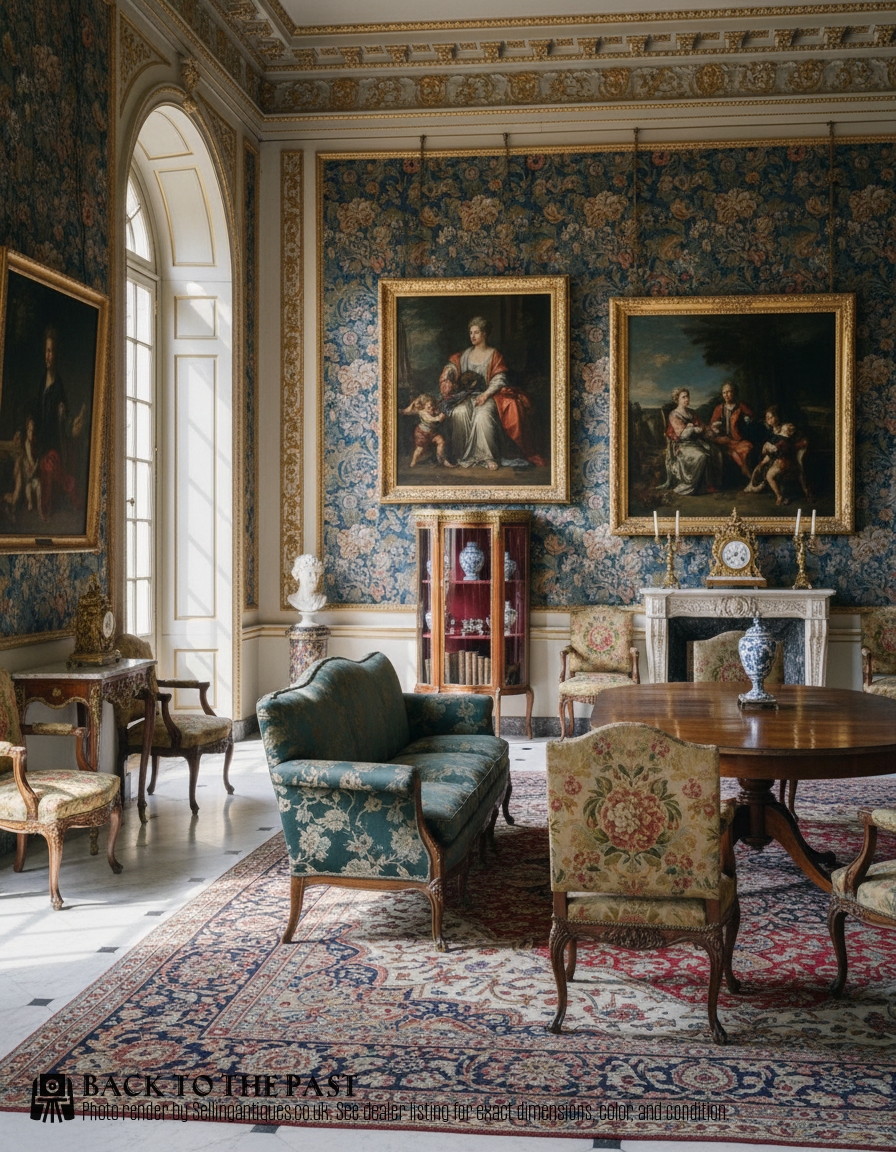
Red Lined Display Cabinet
A red lined display cabinet provides a striking backdrop for ceramics, glass and small objects through clear glass panels. When you search for a red lined display cabinet, you meet forms ranging from tall vitrines to serpentine fronted display cabinets and oval bijouterie tables.
The examples recorded here span from the mid nineteenth century through the Edwardian era up to nineteen thirty. Mahogany forms the predominant timber, accompanied by ebonised wood, cedar and lacquer.
Stylistic influences draw heavily on French taste, including Louis XV and Louis XVI styles, alongside Edwardian Chinoiserie, Gothic Revival and Neoclassical Revival designs.
Materials and construction
Cabinet makers utilised dense hardwoods such as mahogany and kingwood for the structural frames, sometimes applying lacquer or ebonising the surfaces. Glass panels form the main viewing areas of the doors and sides.
Metal mounts in ormolu and brass provide decorative accents to corners, feet and cornices. Fabric lining, typically velvet or other textiles, creates the characteristic red interior finish that sets off the displayed objects.
Mahogany, cedar, glass, brass and velvet form the primary materials across these nineteenth and early twentieth century display cabinets.
Distinctions in quality
Quality rests in the precision of the cabinet work, from the tight fit of glazed doors to the fluidity of curved serpentine fronts and barley twist turnings. Superior pieces show refined proportions and harmonious integration of decorative mounts.
The choice of secondary timbers and the crispness of applied ormolu or brass mounts separate standard items from finer workshops. Interior fabric choices and the neatness of the lining installation further indicate the standard of production.
The Red Lined Display Cabinet Glossary
- Vitrine
- A glass fronted cabinet designed specifically for displaying fine porcelain, curiosities and objects of virtue. The term originates from the French word for glass.
- Bijouterie table
- A glass topped table with a shallow glazed compartment beneath for displaying jewellery and small trinkets. These pieces often stand on slender legs.
- Ormolu
- Gilt bronze ornamentation applied to the mounts, feet and cornices of cabinet furniture. The technique involves applying a gold amalgam to heated bronze.
- Serpentine
- A curved shape featuring a convex centre flanked by concave curves, creating an undulating front. This profile demands high skill from the cabinet maker.
- Chinoiserie
- European artistic style reflecting Chinese motifs and decorative techniques, popular during the Edwardian period. It frequently appears on lacquered furniture.
Red Lined Display Cabinet: Frequently Asked Questions
What goes inside a display cabinet?
These cabinets suit the display of porcelain figures, small silver items, glass collections and delicate curiosities. The red lining provides a warm background that makes small objects stand out clearly.
Arrange items with varied heights and materials to create a balanced interior composition. Leave space between pieces so the red fabric remains visible.
How do I date these cabinets?
Dating relies on observing timber choices, structural framing techniques and stylistic markers such as Edwardian Chinoiserie or Victorian Gothic Revival. Ormolu mount designs and glass manufacturing methods also offer clues to the decade of production.
Compare the carcass construction and turning styles against documented examples from the nineteenth and early twentieth centuries.
Where should I place a vitrine?
Position the cabinet away from direct sunlight to protect the interior fabric lining and the displayed objects from fading. Interior lighting can be added discreetly to enhance visibility through the glass panels.
Choose a spot with stable room temperature to prevent timber movement in antique mahogany and cedar frames.
Are these cabinets purely French?
While many pieces reflect French tastes such as Louis style designs and Vernis Martin finishes, English production is also represented. Edwardian workshops and Victorian cabinet makers produced similar glazed display furniture. Nations developed their own interpretations of these forms while sharing similar glazing and mounting techniques.