





French Gilt Picture Frame
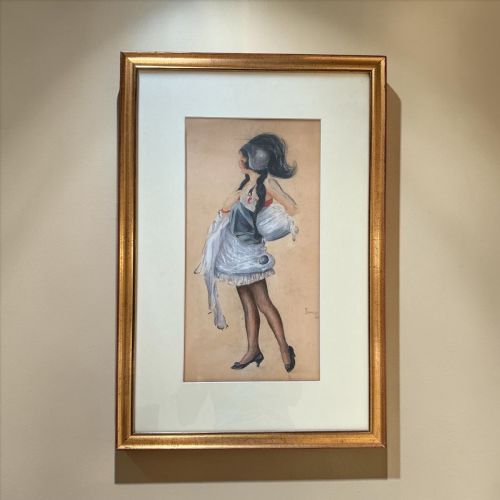
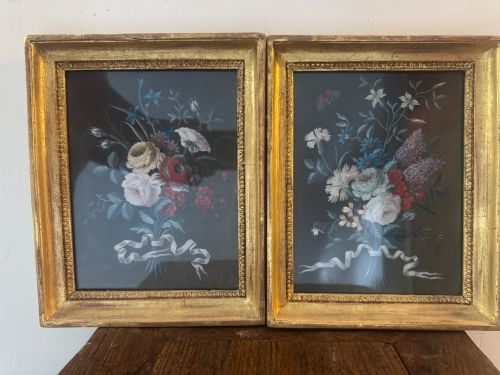
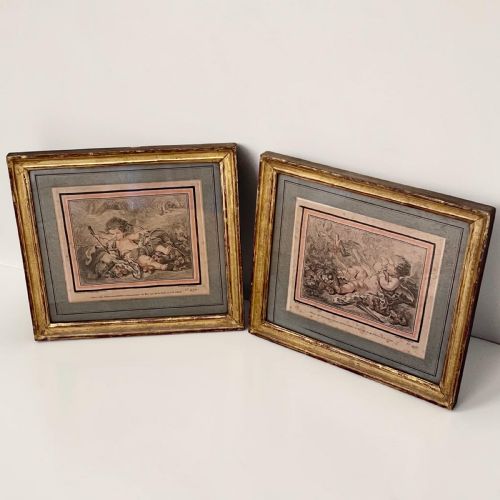
A french gilt picture frame brings warmth and gilded depth to walls, holding oil paintings, mirrors and portraits with decorative presence.
French Gilt Picture Frame
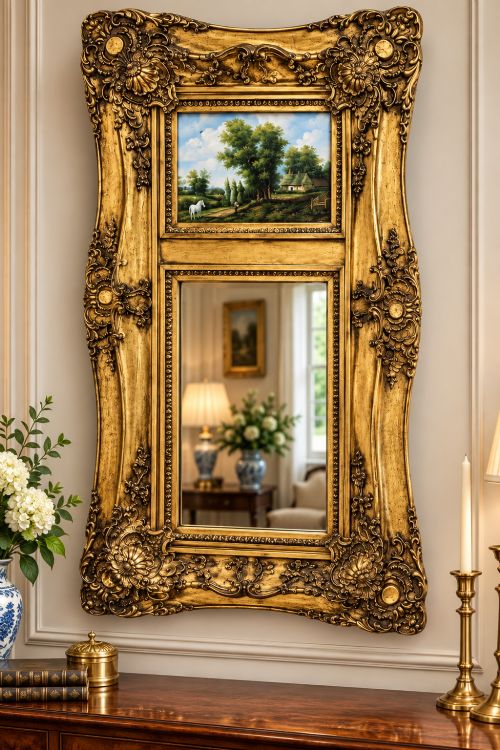
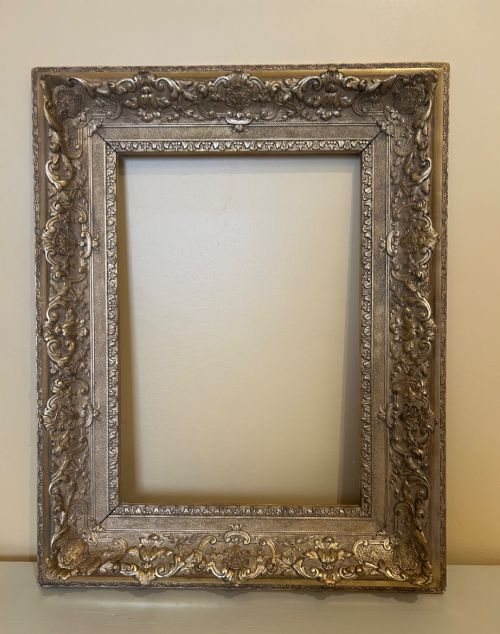
When you search for a french gilt picture frame, you encounter surrounds designed to house oil paintings, mirrors, portraits and engravings. These objects emerge from various periods, predominantly the eighteenth and nineteenth centuries, carrying decorative styles such as Rococo Revival and Louis XVI Revival.
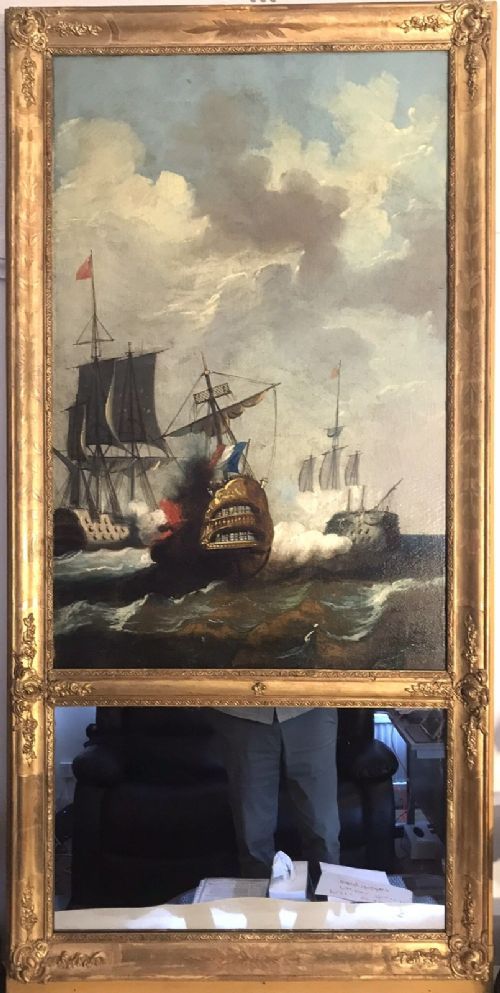
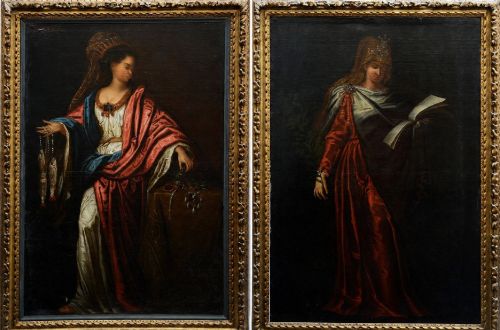
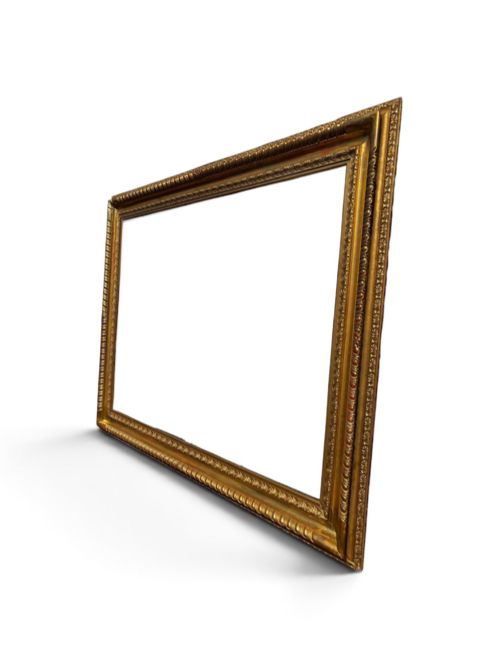
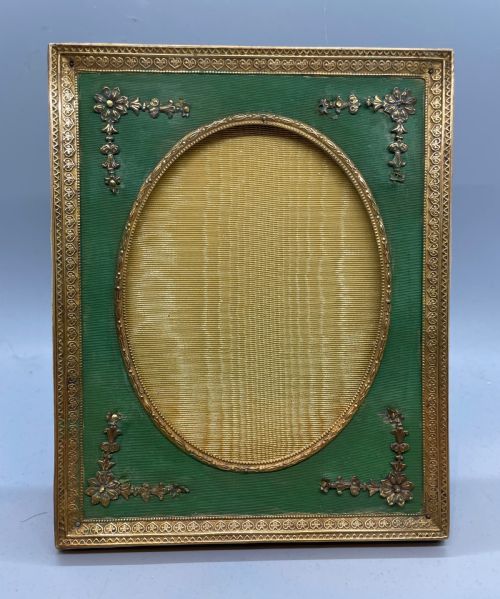
The items listed on this page range from standalone swept wooden mouldings to elaborate bronze and ormolu surrounds. Many house period artworks, including seascapes, portraits and botanical studies, while others function as wall mirrors or table frames.
Mouldings span simple classical profiles to deeply carved floral motifs. You find frames companionable with period interiors, serving to elevate both traditional canvases and mixed media works through reflective metallic surfaces.
How they were made
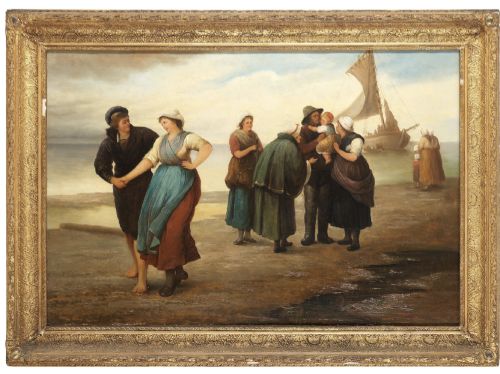
Craftsmen built structural wooden foundations, layering gesso to create smooth surfaces suitable for intricate carving or moulding. Artisans applied gold leaf or metallic gilt finishes over these prepared grounds, often burnishing portions to achieve contrasting sheens.
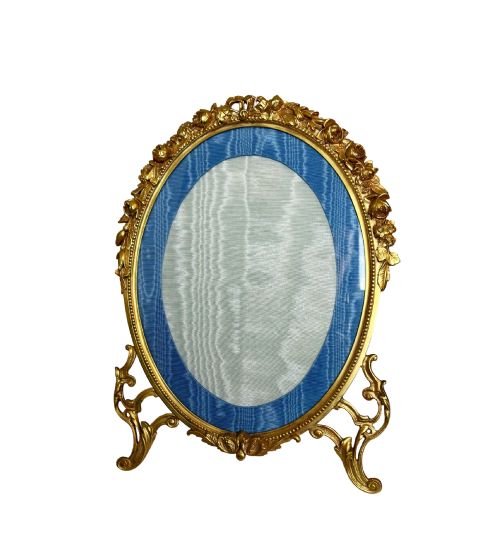
Cast bronze and ormolu featured in smaller table or wall frames, sometimes incorporating champlevé enamel, mother of pearl or blue trim details. Engravings and paintings utilised period paper, canvas or wood panels, completed with hand colouring where appropriate.
Several frames guard spirited seventeenth-century musketeers, wandering sailors and parrots with startling blue faces.
What varies in quality
Depth and crispness of carved gesso ornament distinguish finer examples from simpler production. The finesse of the gilding application, involving genuine gold leaf rather than lesser metallic paints, determines how the surface catches light over time.
The integrity of the underlying wooden or bronze structure dictates durability. Well-preserved joinery and original decorative elements retain historical coherence better than extensively replaced components.
Louis Icart·Gustave Doré·Erich Mercker·Maurice Quentin de la Tour·Demarteau
The French Gilt Picture Frame Glossary
- Gesso
- A plaster mixture applied to wood frames as a base for gilding. This material allows artisans to carve intricate relief details before applying gold leaf.
- Giltwood
- Wood carved and coated with gold leaf or gilt. It provides a rich, reflective surface characteristic of formal European framing.
- Ormolu
- Finely chased gilded bronze used for decorative mounts and small frames. This technique was popular in nineteenth-century luxury pieces.
- Trumeau
- A decorative wall mirror or panel often incorporating an oil painting above the glass. These architectural elements originated in grand French interiors.
- Swept frame
- A moulding style featuring flowing, undulating curves typical of Rococo designs. The profile sweeps outward from the rebate to the outer edge.
French Gilt Picture Frame: Frequently Asked Questions
How do I date a gilt frame?
Dating relies on examining the underlying construction materials, gesso thickness and style of carving. Eighteenth-century examples often display hand-carved wooden substrates, while nineteenth-century pieces frequently utilise moulded composition ornament.
Secondary clues include the type of backing, fixings and the medium of any enclosed artwork. Comparing the rebate construction with known period examples helps narrow the decade of origin.
Can I put a new mirror inside?
Many frames accommodate replacement glass or mirrors to suit modern functional requirements. Ensure the rebate depth and weight capacity match the intended glass before installation.
Retaining original backboards and historic glass preserves the integrity of period pieces whenever possible. Consult a professional framer if the antique moulding requires stabilisation.
How do I clean gilt surfaces?
Dust gilt surfaces gently with a soft, dry brush to remove accumulated particles without disturbing the metallic leaf. Avoid liquid cleaners, abrasives and chemical solvents which strip historic gold finishes.
Professional conservation is recommended for flaking gesso or damaged gilding. Regular light dusting prevents grime build-up on intricate carved details.
What is a Montparnasse frame?
A Montparnasse frame is a distinct twentieth-century style characterised by simpler geometric profiles and subdued metallic finishes. These surrounds complemented modernist and impressionist paintings without overwhelming the canvas.
Originating in Parisian artistic quarters, they offer a restrained alternative to ornate nineteenth-century Revival styles. Their clean lines suit contemporary interiors seeking understated period character.