




Gesso Oil Painting Frame
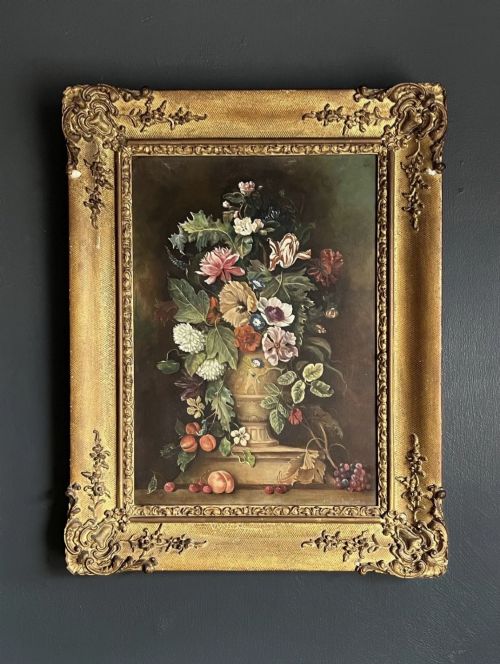
A gesso oil painting frame holds a canvas with moulded plasterwork and gilt, bringing depth and period character to artwork.
Gesso Oil Painting Frame
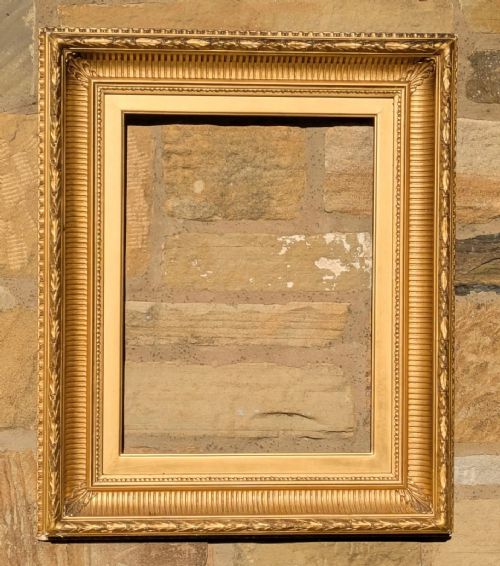
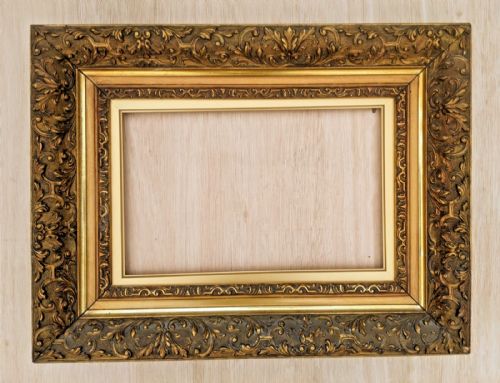
A gesso oil painting frame combines carved or moulded plaster applied over a wooden base, often finished with gilding, to house oil paintings on canvas or board. These surrounds appear across multiple periods, with nineteenth-century examples and Victorian pieces appearing frequently alongside earlier seventeenth-century items.
Buyers encounter empty picture frames ready for restoration or complete works featuring floral still lifes, portraits, and landscapes set within ornate mouldings. The forms range from simple square profiles to large rococo revival styles with sweeping decorative motifs.
Materials and construction methods
Craftsmen built the core structure from wood, applying layers of gesso to create a smooth surface suitable for intricate moulding and gilding. Gold leaf or gilt finishes were then applied over the plaster ground to give the frame its metallic lustre.
Paintings housed within these surrounds utilise oil on canvas or board, with the frames specifically proportioned to support the weight and scale of the artworks.
Recorded styles on the page range from Dutch Golden Age and Rococo Revival to Post-Impressionism.
Assessing quality in period frames
The crispness of the moulded gesso ornament dictates the visual success of the piece, with sharper, deeper relief work indicating higher skill during production. Finer examples retain their original gilding and structural integrity without heavy modern overpainting.
The depth of the wooden substrate and the complexity of the corner construction separate standard production from more ambitious decorative output.
Bryce Smith
The Gesso Oil Painting Frame Glossary
- Gesso
- A plaster mixture applied to wood frames to create a smooth base for gilding and decorative moulding. This material allows for sharp, intricate relief work.
- Giltwood
- Wood that has been coated in gold leaf or gold paint. It provides a warm, reflective surface around oil paintings.
- Rococo Revival
- A nineteenth-century design style marked by asymmetric scrolls, shell motifs, and elaborate floral curves. Frames in this style offer high visual impact.
- Oil on Canvas
- Pigment mixed with drying oil applied to stretched fabric. It represents the primary medium found within these frames.
Gesso Oil Painting Frame: Frequently Asked Questions
How do I date a gesso frame?
Dating relies on examining the wooden construction joints, the composition of the gesso layer, and the style of the ornamentation. Earlier pieces often display hand-carved elements beneath the plaster, whereas later Victorian examples utilise heavier moulded plaster relief.
Changes in gilding techniques and the underlying wood preparation also provide clear chronological markers for collectors.
Can I hang an empty frame?
Many buyers purchase empty gesso frames to display them as sculptural wall art or to house their own canvases. The decorative corners and moulded relief carry enough visual weight to stand alone without a painting inside.
Ensure the wall fixings match the substantial weight of these wood and plaster objects before hanging.
How should I clean a gilt gesso frame?
Dusting gently with a dry, soft brush is the safest method to remove debris from deep relief mouldings. Avoid using water, solvents, or modern cleaning products, as these can strip the fragile gold leaf and damage the underlying gesso.
Professional conservators should handle structural repairs or flaking plaster.
What paintings suit these frames?
Period oil paintings on canvas or board pair most naturally with these surrounds, particularly nineteenth-century landscapes, portraits, and floral still lifes. Matching the visual weight of the artwork to the width and ornateness of the moulding ensures a balanced display.
Dutch school works and impressionist canvases also sit comfortably within gilded gesso profiles.