



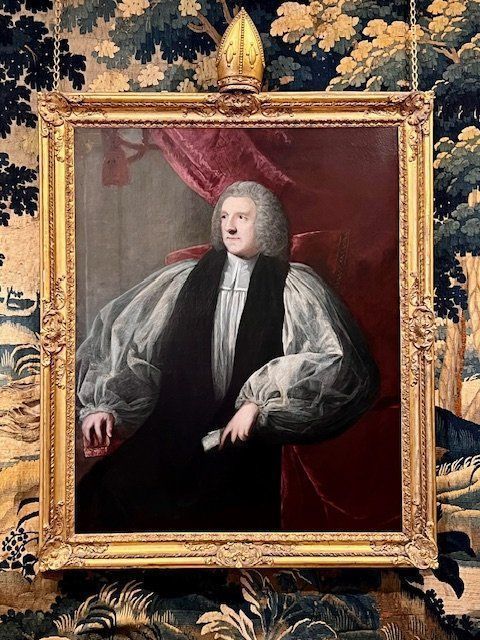
Canvas Painting Frame
Canvas painting frame selections bring together centuries of fine art and period woodwork, offering collectors complete works where canvas and structure unite.
Canvas Painting Frame
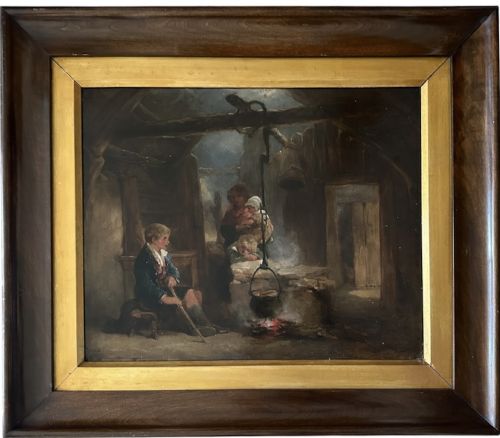
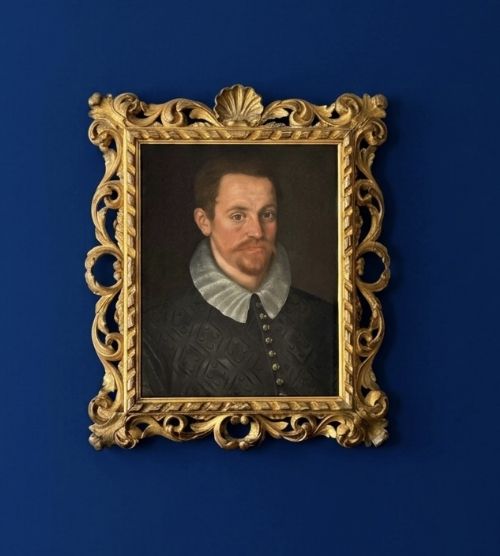
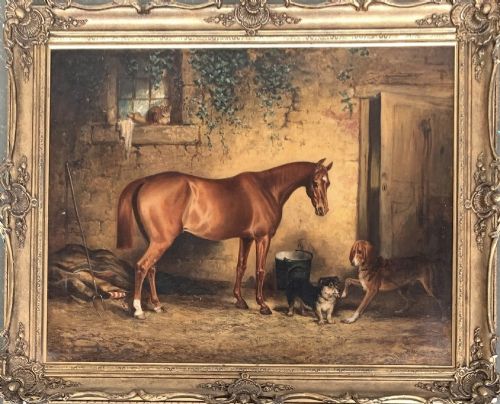
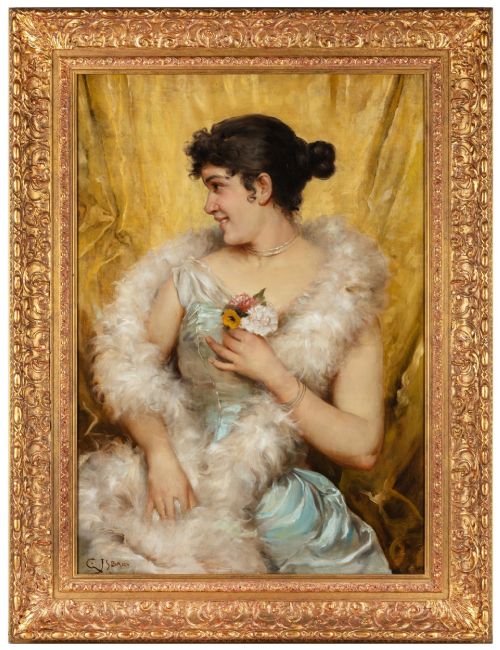
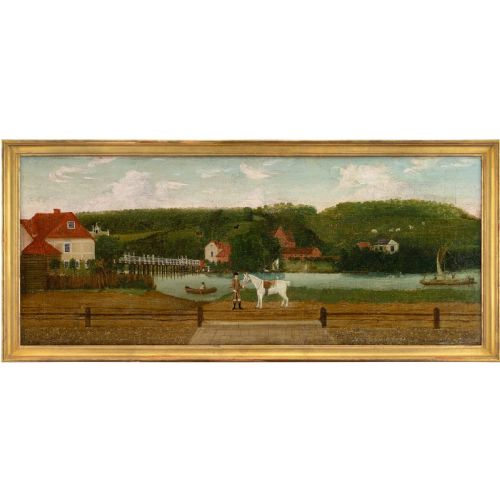
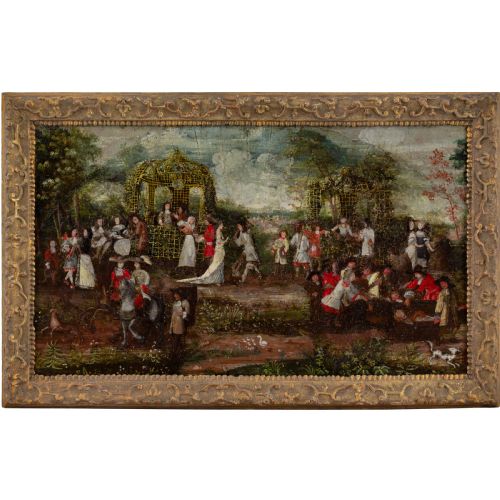
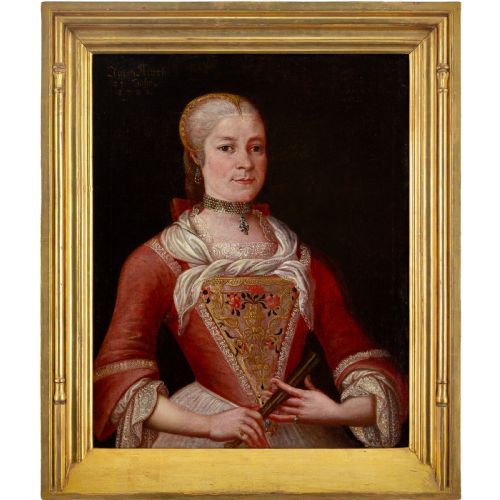
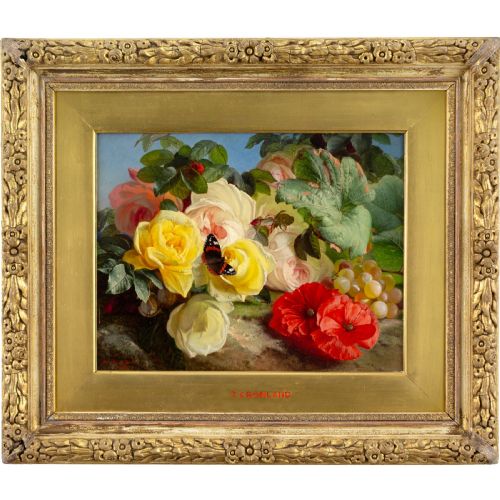
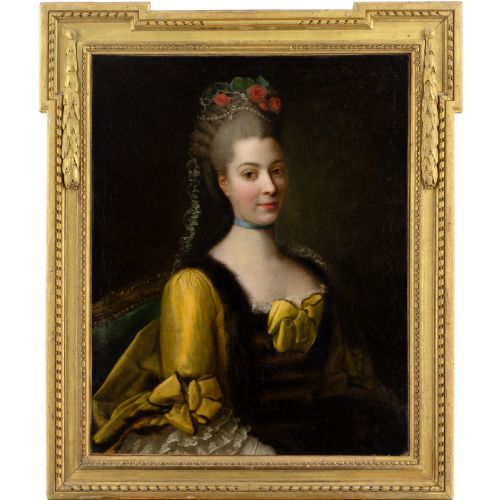
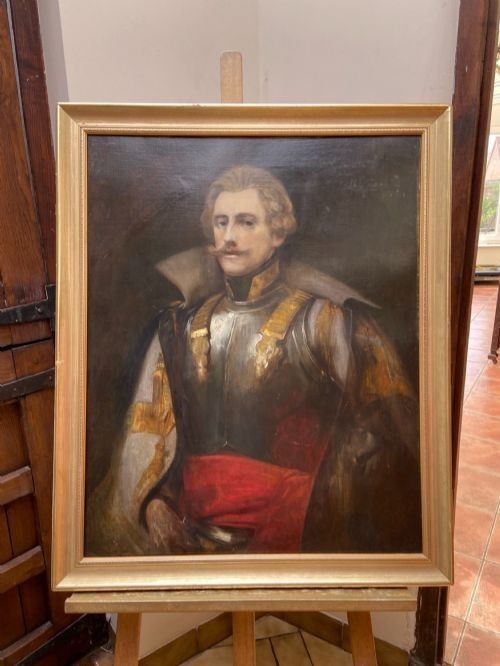
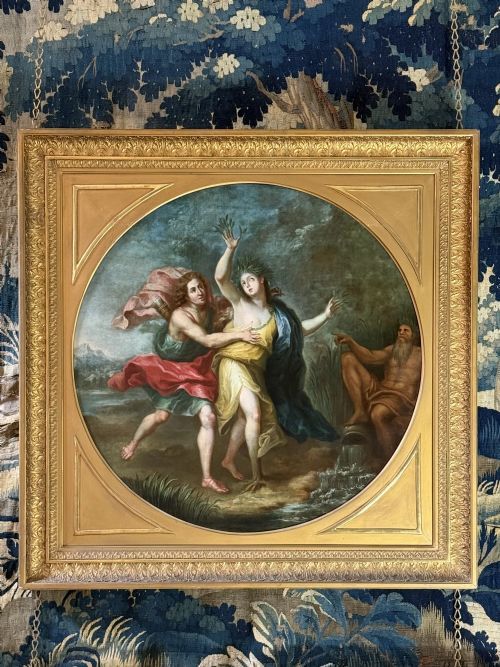
When searching for a canvas painting frame, buyers encounter historical oil paintings housed within their original or period-matched surrounds, spanning the seventeenth century through to the mid-twentieth century. The selection encompasses oil portraits, landscape studies, still lifes, and marine scenes rendered on canvas, each paired with a supportive structural enclosure.
The pieces on this page heavily feature British, French, and European schools, ranging from early seventeenth-century aristocratic portraits to Victorian landscapes and twentieth-century post-impressionist works. Formats vary from intimate panel-like canvases to monumental wall art, frequently retaining carved wood, giltwood, or gesso profiles from their era of origin.
How They Were Made
The physical objects rely on stretched woven canvas substrates keyed into wooden strainer or stretcher frames, upon which artists applied layers of oil paint using animal-derived glues and grounds. These pictorial surfaces are then secured inside rigid housings built from timber such as oak or pine.
Surrounding enclosures often incorporate applied ornamental layers of gesso - a mixture of plaster of Paris or chalk with glue - which artisans carved, stamped, or cast into decorative motifs before applying gold leaf, liquid metal, or painted finishes.
The documented materials across our records range from simple unadorned wooden battens to elaborate leaf-cast gilt and gesso creations.
What Varies in Quality
Excellence in these works rests upon the harmony between the artistry of the painted canvas and the craftsmanship of its housing, where hand-carved wooden mouldings and crisp leaf gilding elevate the ensemble far beyond factory-produced joinery. Superior examples display depth in the oil medium, masterly handling of light and pigment, and structural integrity in the underlying stretcher and frame.
The highest tier typically preserves the original marriage of painting and frame, showing minimal intervention, intact gesso relief work, and historical patination that reflects the true age of the object.
Sir Joshua Reynolds·Charles-Antoine Coypel·Jean-Baptiste Van Loo·Sir Peter Lely·Eugène Verboeckhoven
The Canvas Painting Frame Glossary
- Giltwood
- Wood that has been coated with a thin layer of gold leaf or gold paint. This finish provides a luminous, reflective border that complements the deep tones of historical oil paintings.
- Gesso
- A paint mixture consisting of a neutral binder mixed with chalk, gypsum, or pigment. It was applied to wooden frames to create a smooth, pliable surface suitable for intricate carving and gilding.
- Impasto
- A technique where paint is laid on an area of the surface in thick layers, standing out visibly from the canvas. This method imparts a tactile, three-dimensional quality to the brushwork.
- Provenance
- The chronology of the ownership, custody, or location of a historical historical painting. Documented provenance establishes authenticity and traces the history of the object through time.
Canvas Painting Frame: Frequently Asked Questions
How do I know if the frame is original to the painting?
Determining originality involves examining the fit of the canvas within the rebate, matching signs of ageing on both the wood and the canvas, and checking for old mounting marks or ghost lines.
Historical framing practices often left distinct impression marks on the canvas edges, and matching the period of the joinery to the execution date of the artwork provides strong contextual proof.
What is the difference between oil on canvas and canvas board?
Traditional oil on canvas utilises a flexible woven textile stretched across a wooden framework, offering spring and subtle give under the brush. Canvas board consists of canvas adhered to a rigid, flat cardboard or wooden substrate.
Board supports generally appear in later studio studies, amateur works, or specific modern contexts, whereas traditional stretched canvases dominate seventeenth to nineteenth-century fine art.
How should I care for an antique oil painting and its frame?
Preserving these objects requires maintaining stable room temperatures and avoiding direct sunlight, extreme humidity, or sudden environmental shifts that can crack gesso or warp wooden structures. Dusting should be done gently with a soft, dry brush, keeping moisture away from both the gilt surfaces and the sensitive oil paint.
Professional cleaning of the canvas or restoration of gilded frames ought to be left to trained conservators to prevent irreversible damage to the original materials.
Can I reframe an antique canvas safely?
Transferring a canvas to a new housing is technically possible, but altering historical pairings often diminishes the historical context and visual integrity of the piece. If reframing becomes necessary due to structural failure, a replacement should match the exact period style, depth, and scale of the original enclosure.