
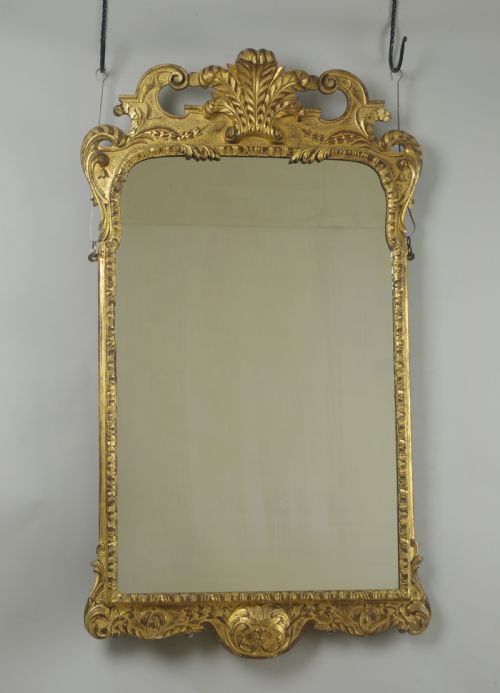
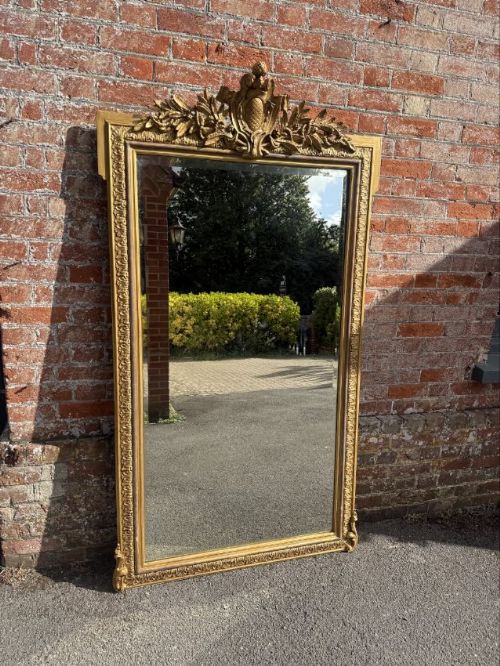
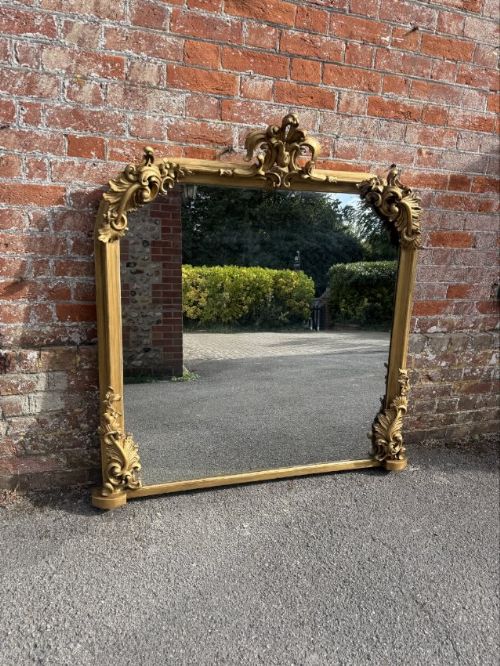
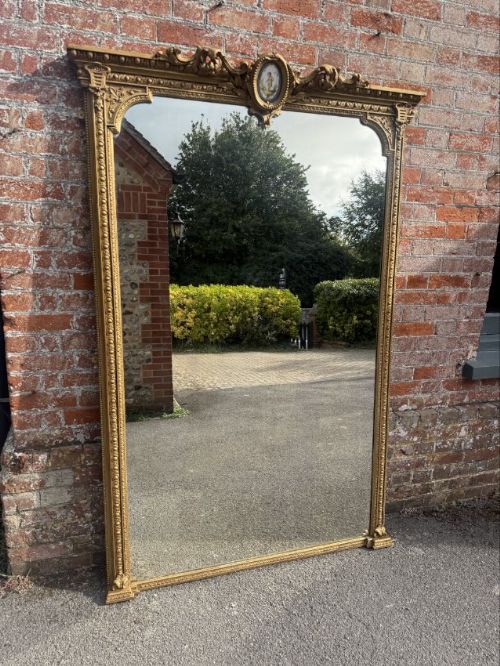
French Gilt Mirror Frame
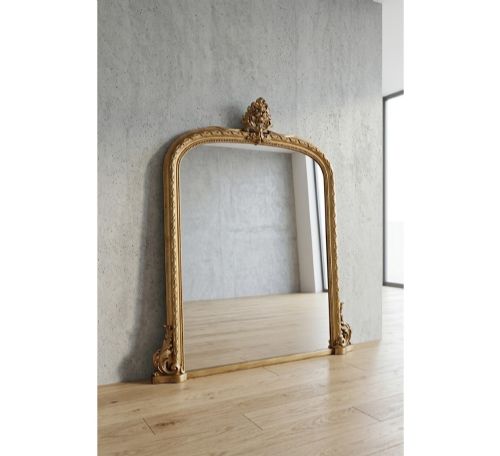
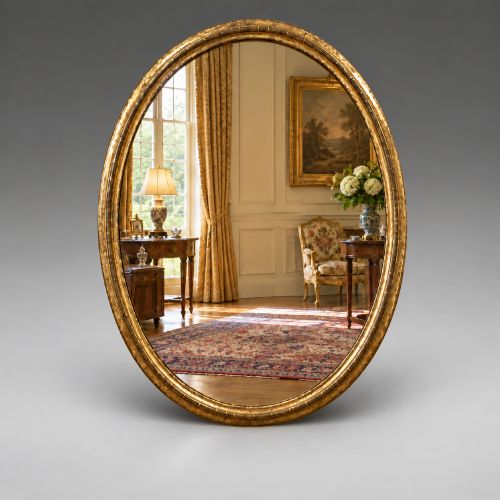
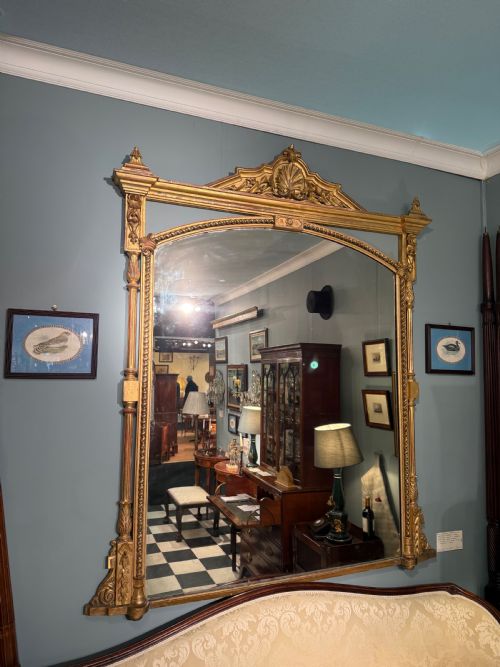
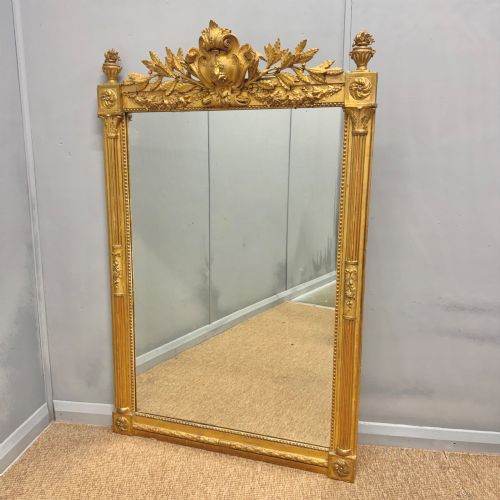
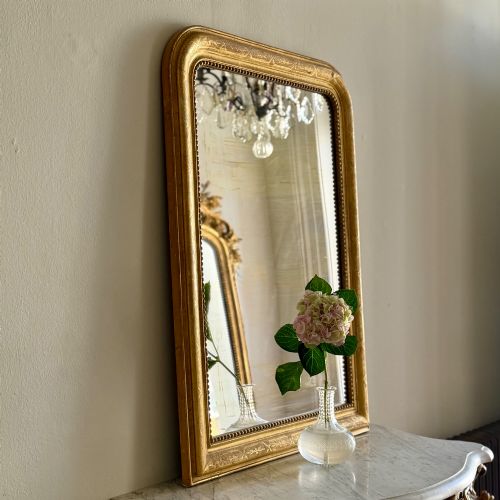
These french gilt mirror frame selections bring decorative eighteenth and nineteenth century Continental and domestic craftsmanship into domestic interiors.
French Gilt Mirror Frame
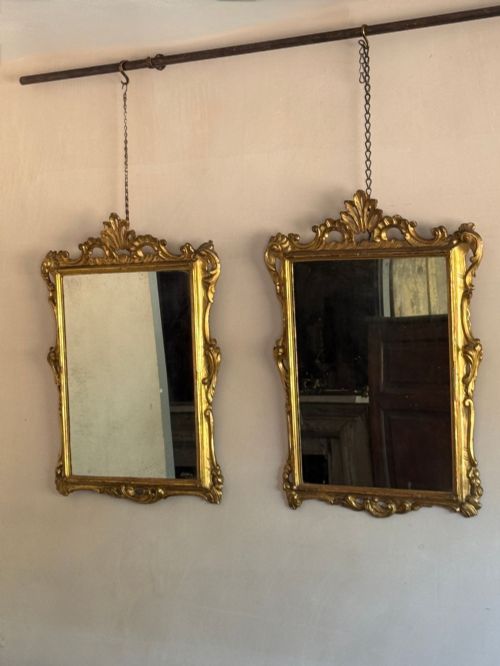
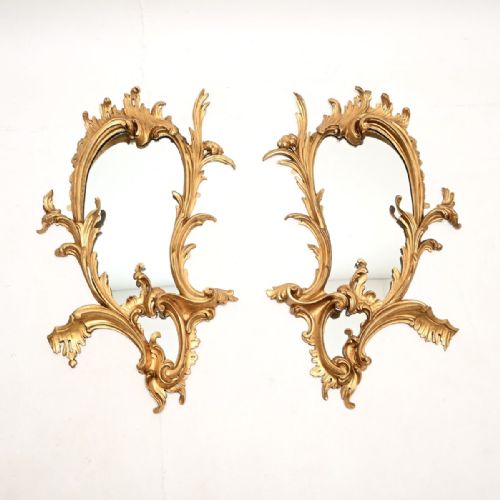
When searching for a french gilt mirror frame, buyers encounter wall mirrors, overmantel mirrors, and pier glasses spanning the eighteenth, nineteenth, and early twentieth centuries. These objects reflect various historicist movements, including Rococo Revival, Louis Philippe, and Neoclassical styles.
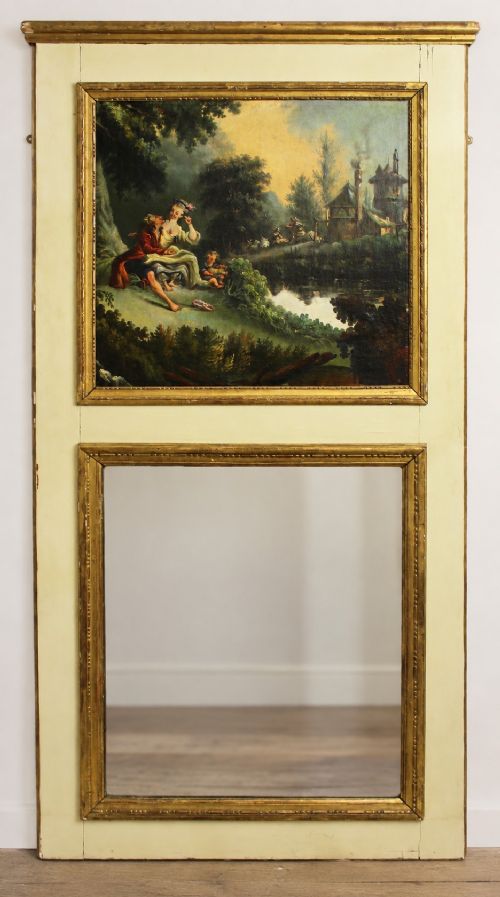
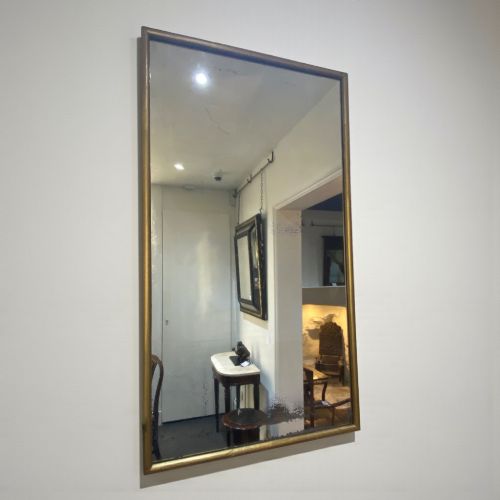
The inventory on this page ranges from tall architectural overmantels designed for mantelpieces to compact wall mirrors and trumeau panels incorporating pastoral oil paintings. Many examples originate from France, supplemented by English interpretations of Continental forms.
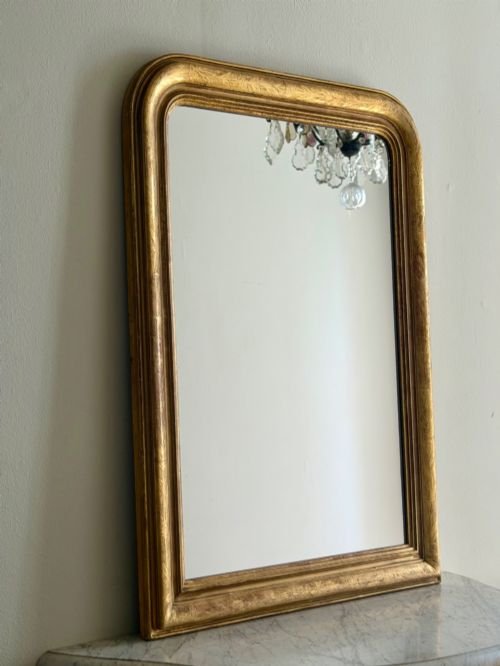
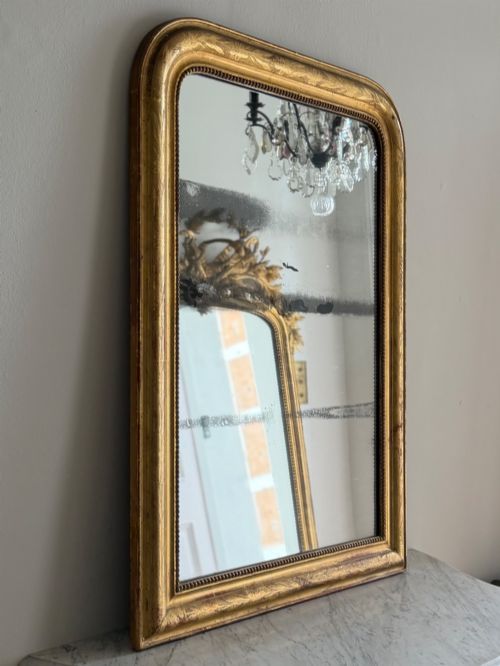
Surviving formats include arched top designs, rectangular shapes with ribbed or rope twist mouldings, and oval frames adorned with floral and foliate carvings. Buyers frequently select these items to anchor room focal points or add reflective depth to reception spaces.
How they were made
Maker workshops constructed the structural carcases primarily from carved timber, applying moulded gesso layers to build up intricate surface ornamentation such as scrolls, ribbons, and laurel leaves.
Finishers applied gold leaf, silver-gilt, or composition metal over the prepared grounds, occasionally combining gilding with painted wood sections or parcel-gilt treatments.
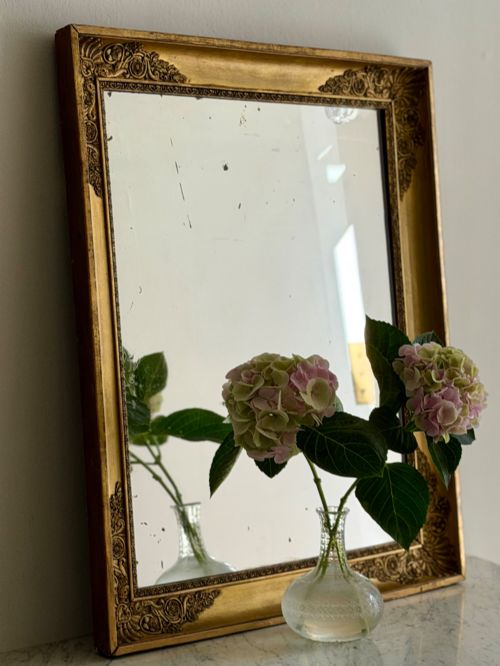
Glaziers fitted the frames with traditional silvered glass, frequently retaining original mercury plates showing characteristic foxing and age spots.
Some nineteenth century frames incorporate secret nautical rope twist carvings designed to bring quiet sea-faring resilience into inland drawing rooms.
What varies in quality
The depth and crispness of the hand-carved wood and moulded gesso ornamentation dictate the visual standard of each frame, distinguishing sharp botanical or mythological motifs from softer, later castings.
The integrity of the original gilding and surface finish determines how well a piece has aged, with untouched gold leaf surfaces holding higher appeal than heavily restored or repainted alternatives.
The presence of original mercury glass plates with natural foxing adds historical weight, whereas later replacement mirror plates alter the authentic appearance of the piece.
The French Gilt Mirror Frame Glossary
- Gesso
- A plaster-like material applied to wooden frames as a smooth base before gilding or painting. Artisans carved and moulded this mixture to create relief decoration.
- Mercury glass
- A type of silvered mirror glass produced by pouring a mercury-and-tin amalgam behind the glass plate. This material develops characteristic dark spots and foxing over time.
- Louis Philippe
- A mid-nineteenth century French design style characterised by simple, elegant rectangular shapes with rounded upper corners. These frames often feature restrained moulded details.
- Trumeau
- An architectural mirror panel paired with a painted canvas or carving above the glass. Originating in French interiors, these pieces hung between windows or above fireplaces.
- Overmantel
- A large wall mirror specifically proportioned to hang above a fireplace mantelpiece. These items frequently incorporate wide frames and heavy cresting.
French Gilt Mirror Frame: Frequently Asked Questions
How do I identify original mercury glass?
Original mercury glass displays characteristic uneven reflectivity and dark speckling known as foxing, often concentrated near the edges where the seal degraded over decades.
Modern replacement plates appear uniformly bright and lack the mottled depth found in eighteenth and nineteenth century examples.
Where should I hang an overmantel mirror?
Overmantel mirrors are traditionally positioned directly above a fireplace mantelpiece to reflect light and fill vertical wall space. Their proportions suit wide expanses in reception rooms and drawing rooms.
Ensure the wall fixings securely support the substantial weight of the timber and gesso construction.
What is a trumeau mirror?
A trumeau mirror combines a vertical looking glass with an integrated decorative panel, such as a pastoral oil painting or a carved wooden motif. These dual-purpose pieces originated as fixed architectural wall panelling in French homes.
They function effectively in hallways and living spaces where a vertical composition is required.
How do I care for antique giltwood?
Giltwood surfaces require gentle dusting with a dry, soft cloth or feather duster to protect the delicate gold leaf layer. Avoid liquid cleaners, moisture, and chemical sprays, which damage the underlying gesso and metal leaf.
Maintain stable room temperatures to prevent the timber carcase from expanding and cracking the gesso ornamentation.