
French Gilt Hanging Mirror
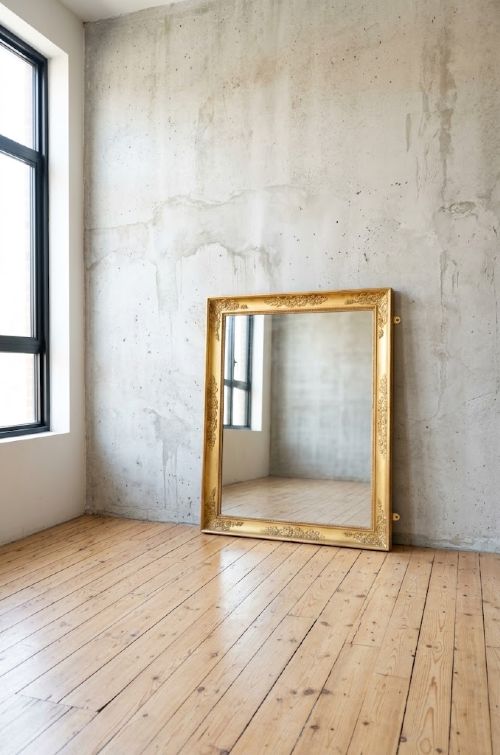
A french gilt hanging mirror brings warmth and reflective depth to a room through carved timber, gesso, and gold leaf.
French Gilt Hanging Mirror
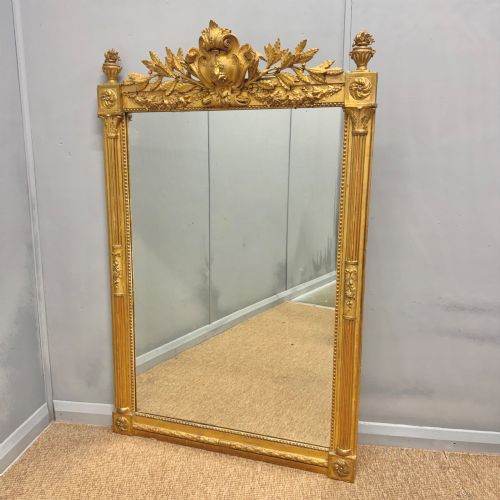
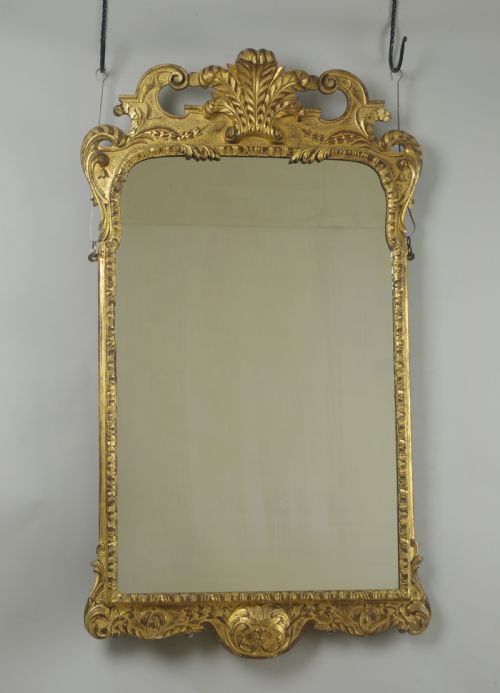
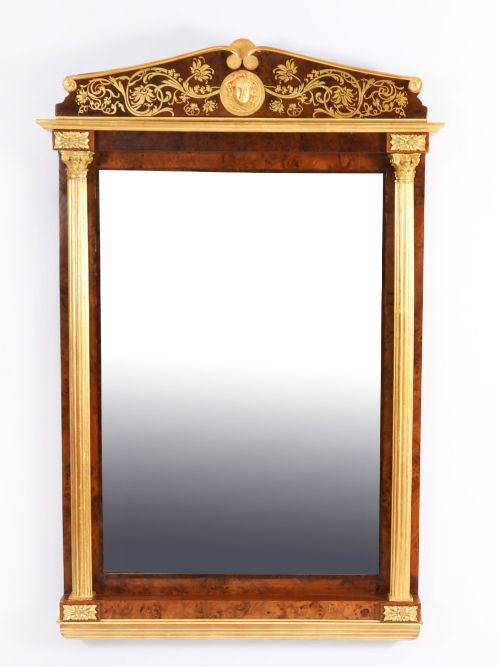
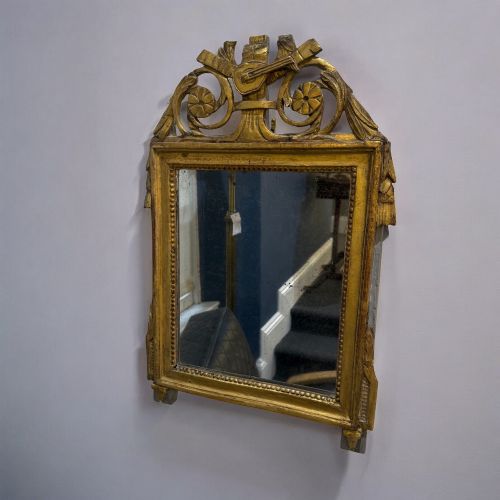
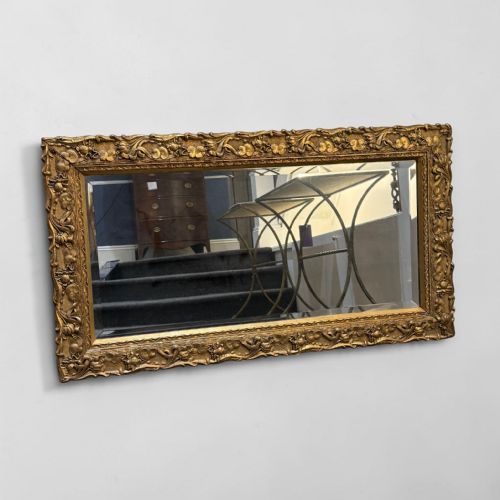
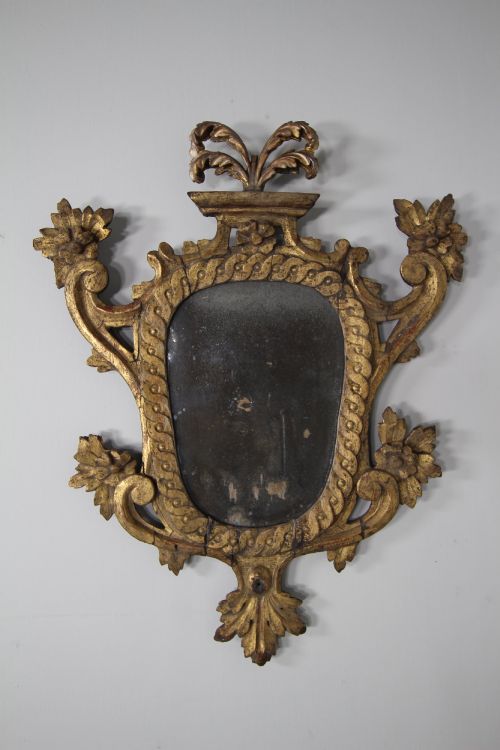
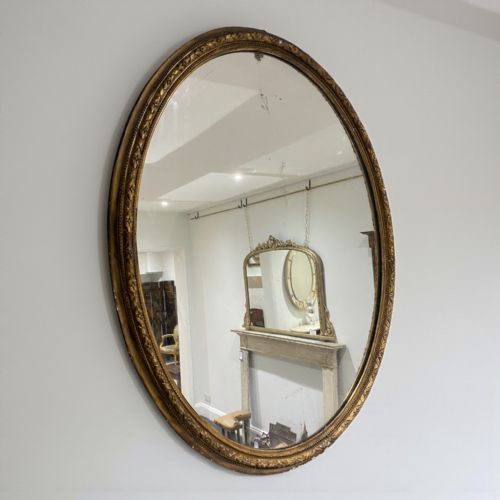
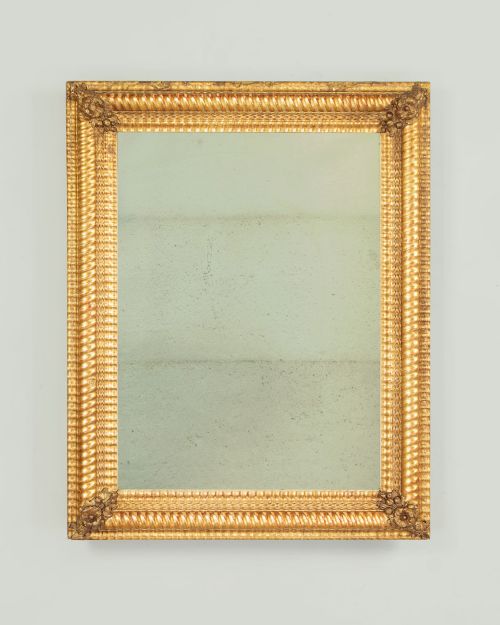
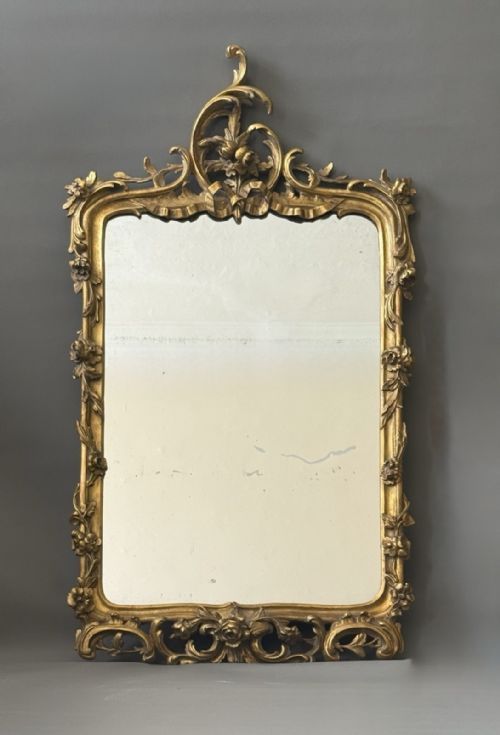
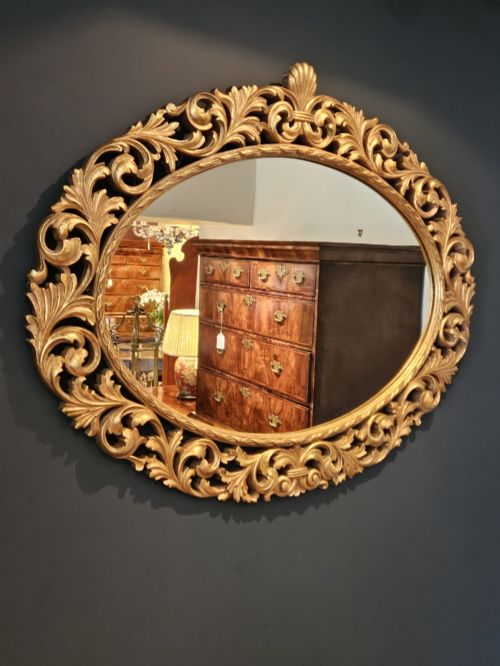
A french gilt hanging mirror is a wall-mounted glass panel set within an ornate gilded frame, designed to catch the light in a reception room or bedchamber. These pieces draw upon historical design idioms such as Rococo, Louis XVI, and Victorian revivals.
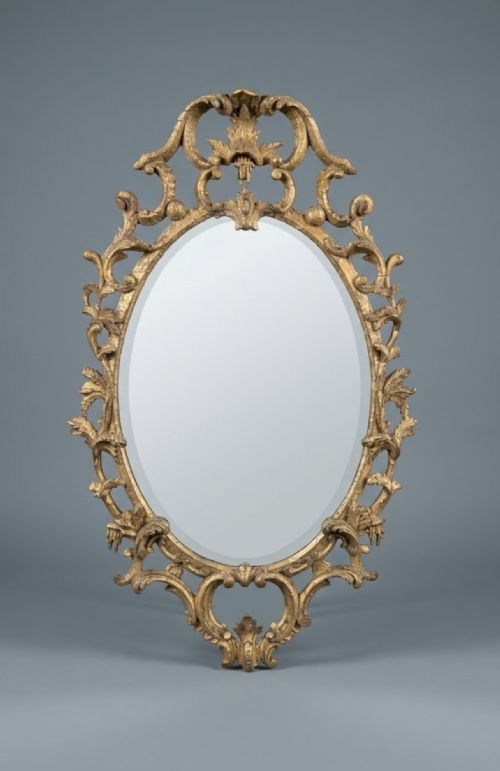
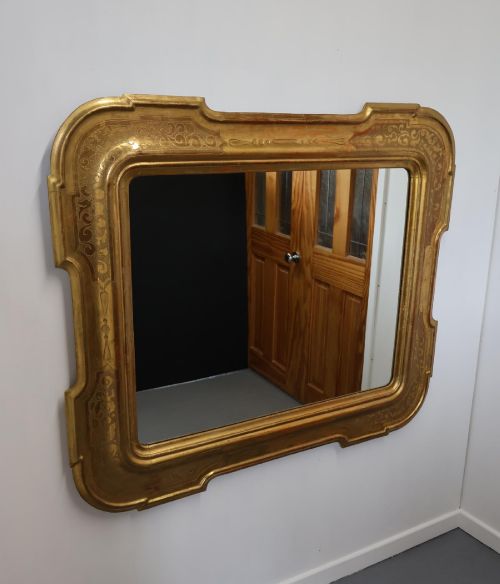
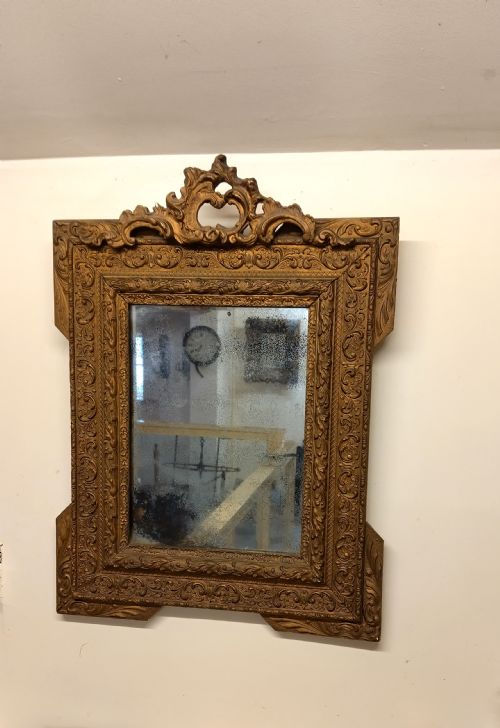
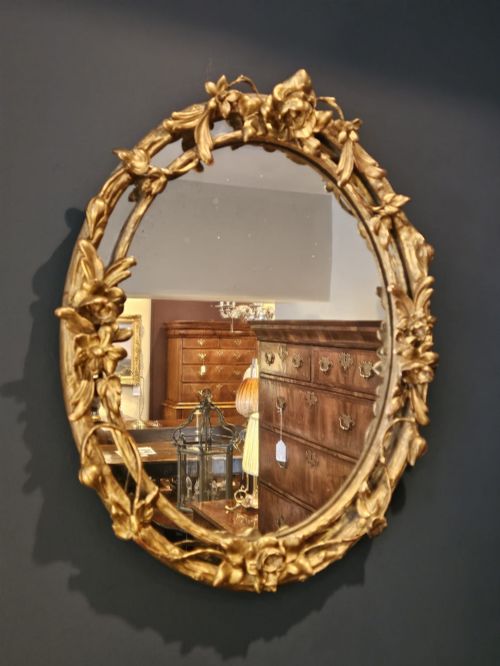
The versions most commonly met on this page date from the nineteenth century, alongside examples from the eighteenth and early twentieth centuries. They appear in varied shapes including rectangular, oval, and trapezoidal formats, often incorporating carved floral motifs or mythological details.
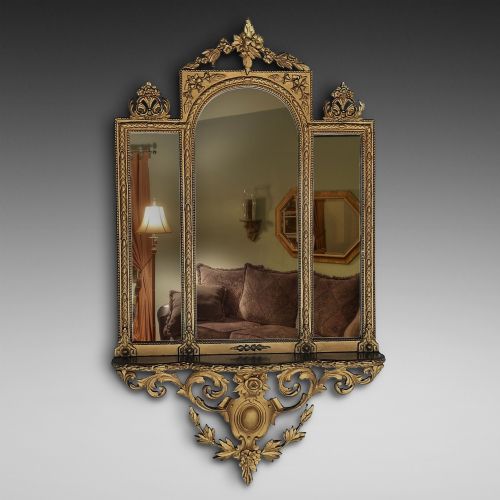
Alongside standard wall mirrors, related forms such as wall shelves, console tables, and dressing mirrors appear within the selection. These share the characteristic gilded surface treatment and ornamental carving seen across the primary mirror types.
Distinctions in Execution and Age
The depth and definition of the carved ornamentation separate pieces, as hand-carved timber and detailed gesso work display sharper relief than simpler moulded compositions. The complexity of motifs, such as decorative masks, dragons, or rose vines, indicates the ambition of the original maker.
The integrity of the gilded surface influences the character of a piece, with the interplay of original gold leaf and the natural patina of age creating distinct visual depth. Surviving original mercury plates add historical weight compared to replaced modern glass.
The listings span from the eighteenth century through the Victorian era to the early twentieth century.
The French Gilt Hanging Mirror Glossary
- Gesso
- A plaster-like mixture applied to wood frames to create a smooth surface for gilding and relief carving. It allows intricate floral and scroll designs to be moulded onto the timber base.
- Giltwood
- Timber that has been coated with gold leaf or gilt finish. This material forms the primary structure of many classical wall mirrors.
- Mercury plate
- An early type of mirror glass backed with a tin and mercury amalgam. It produces a characteristic mottled reflection due to age.
- Rococo Revival
- A nineteenth-century style imitating the asymmetrical curves, C-scrolls, and naturalistic motifs of the eighteenth-century French movement. Mirrors in this style feature elaborate, flowing ornamentation.
- Louis XVI Revival
- A later design movement characterised by neoclassical symmetry, straight lines, and classical motifs like ribbons and urns. Pieces from this tradition offer a more restrained appearance than their Rococo counterparts.
French Gilt Hanging Mirror: Frequently Asked Questions
How do I hang a heavy gilt mirror?
These heavy frames require secure wall fixings anchored directly into masonry or substantial wall studs to support the combined weight of wood and glass.
Professional mirror hangers often utilise mirror plates screwed to the reverse frame to distribute the load evenly across the wall.
Are the mirror plates original?
Many eighteenth and nineteenth-century pieces retain their original antique glass plates, which often display subtle foxing and age spots.
Some mirrors have received new glass plates over time to ensure a clear reflection for modern use.
How do I clean a gilded frame?
Dusting gently with a soft, dry brush prevents the accumulation of dirt within the intricate recesses of the gesso and carved wood.
Water and chemical cleaning agents should be avoided to protect the delicate gold leaf and composition surfaces from damage.
How do I identify a Rococo Revival mirror?
Rococo Revival frames are distinguished by asymmetrical scrolls, shell motifs, and organic plant forms inspired by eighteenth-century French design.
Victorian makers frequently adopted these flowing, theatrical shapes for decorative wall furnishings.