




Large Gilded Mantle Glass
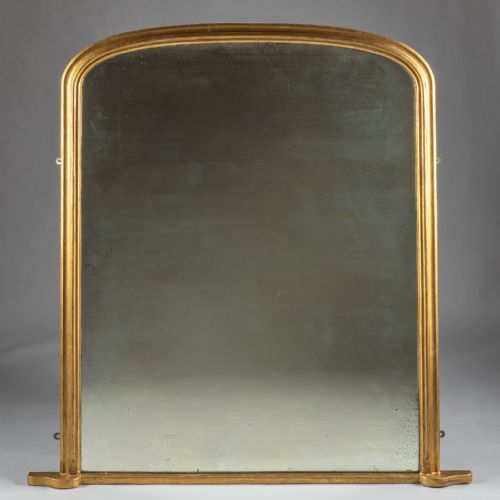
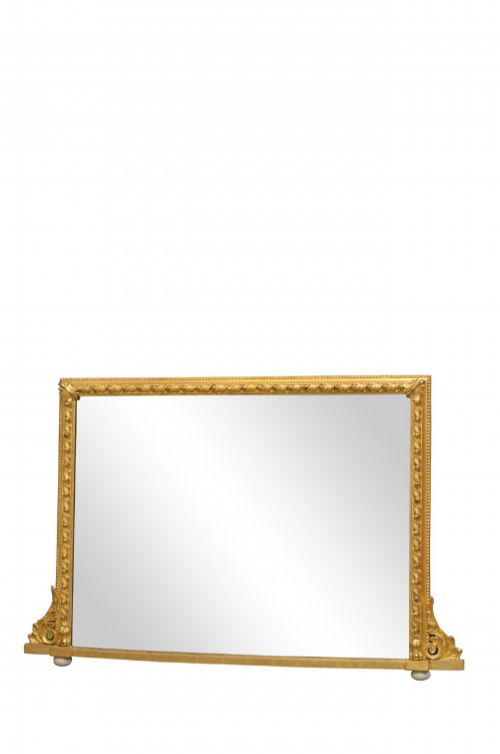
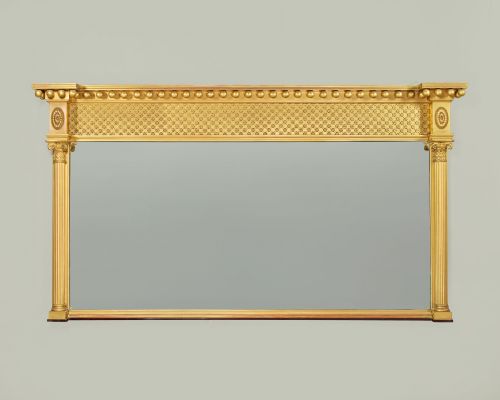
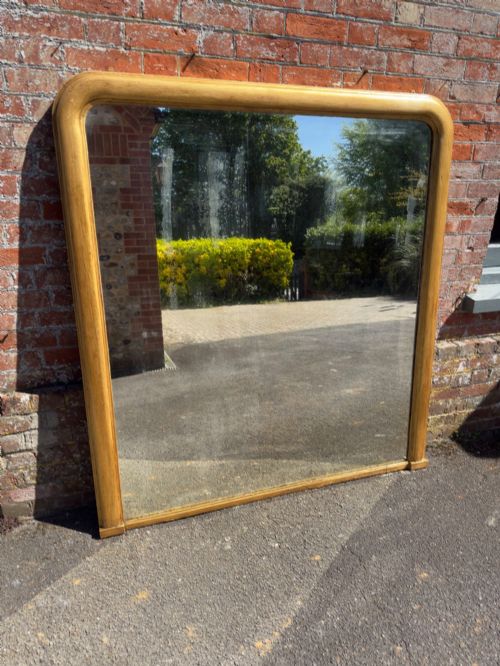
A large gilded mantle glass brings scale and reflective light to a room, anchoring a chimney breast with period presence.
Large Gilded Mantle Glass
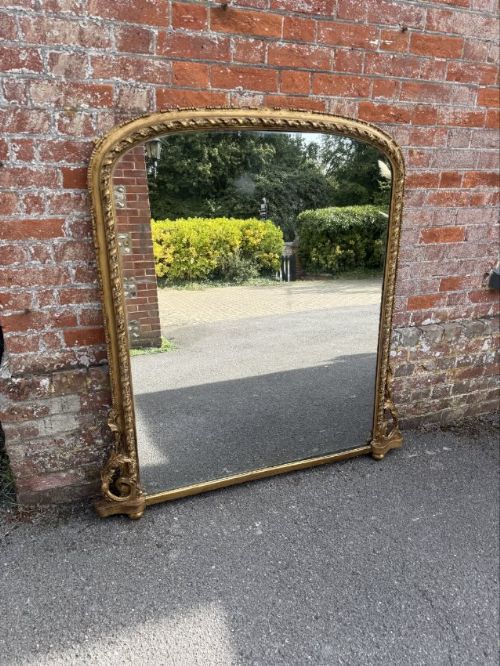
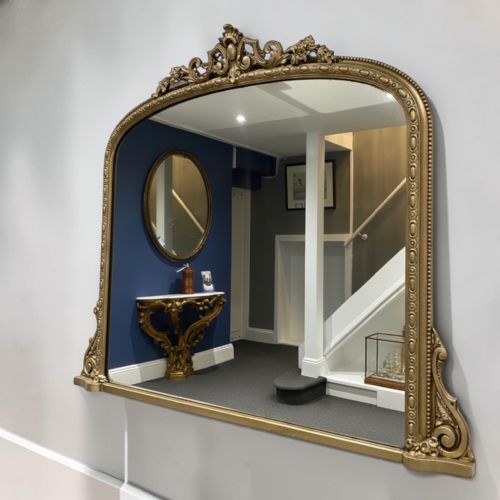
A large gilded mantle glass is principally an overmantel mirror designed to sit above a fireplace, though the listings also encompass broader wall mirrors, hall mirrors, and dressing mirrors. These pieces originate predominantly from the Georgian, Victorian, and Edwardian eras, spanning the eighteenth through to the early twentieth century.
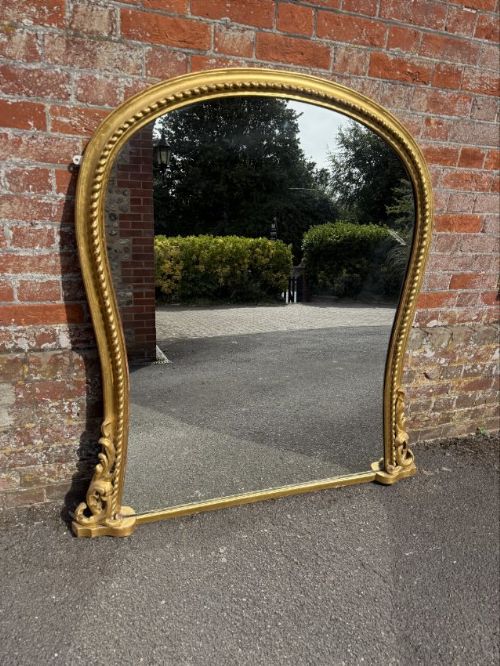
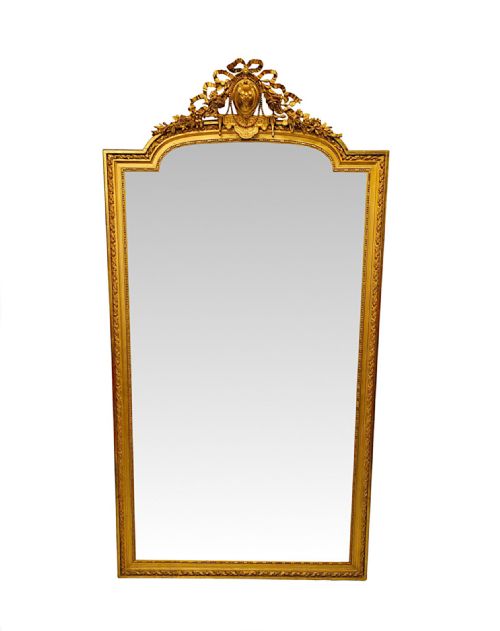
The dominant form met on this page is the large overmantel mirror, often constructed with an arched, shaped, or rectangular top. English and French workshops produced these grand items to reflect light around principal reception rooms, utilising formats such as the trumeau or simple giltwood frames.
Alongside mirrors, the evidence records occasional decorative objects including glass lustres and mantel clocks that share the period aesthetic. Buyers searching for a large gilded mantle glass will primarily encounter nineteenth-century English and French examples finished in gold leaf or composition.
How They Were Made
Craftsmen built the structural carcass from timber such as oak or pine, applying layers of gesso to create smooth surfaces for intricate carved details. This composition moulding allowed workshops to repeat elaborate floral, scroll, and rope twist motifs efficiently across large frames.
Finishing involved the application of gold leaf or gilt paint over the prepared gesso and wood ground, producing a lustrous metallic sheen. Mirror plates were traditionally silvered using mercury or early chemical processes, which frequently resulted in natural foxing over time.
Several mirrors retain their original backboards, having watched centuries of parlour gatherings unfold from their posts above the hearth.
What Varies in Quality
The standard of carving and the crispness of the gesso mouldings determine the artistic merit of a frame. Superior examples display deep, hand-carved wooden relief work rather than repetitive composition ornaments, maintaining sharp definition along ribbed or scrolled borders.
Originality of components dictates the historical integrity of the piece. Surviving backboards, original mercury or bevelled glass plates, and untouched gilding elevate an overmantel mirror above examples that have undergone modern regilding or plate replacement.
The Large Gilded Mantle Glass Glossary
- Gesso
- A plaster-like mixture applied to wood frames to provide a smooth base for gilding and low-relief moulding. It allows intricate decorative details to be shaped onto the mirror surround.
- Giltwood
- Timber that has been coated with gold leaf or metallic paint. This finish creates the characteristic bright, reflective surface seen on period frames.
- Overmantel
- A mirror specifically proportioned to hang on the wall directly above a fireplace mantelpiece. These pieces are typically wide and horizontally or vertically grand in scale.
- Foxing
- Age-related spots and discoloration within the mirror glass caused by the breakdown of the backing over decades. It appears as dark speckling that confirms the age of the plate.
- Trumeau
- A decorative wall mirror incorporating a painted panel or artwork above the glass plate. These French-inspired pieces integrate reflection and ornamentation into interior panelling.
Large Gilded Mantle Glass: Frequently Asked Questions
Where should I hang a large overmantel mirror?
These mirrors are traditionally positioned centrally above a fireplace mantelpiece to reflect light and anchor the focal point of a room. Their substantial scale also suits placement above large sideboards or along principal hallway walls.
Ensure the wall construction and fixings can adequately support the considerable weight of a carved wood and gesso frame.
How do I identify a Victorian mirror from a Georgian one?
Georgian mirrors often feature classical proportions and restrained architectural detailing such as breakfront mouldings or fretwork. Victorian examples frequently embrace bolder revival styles, including Rococo curves and arched tops with heavy composition ornamentation.
Examining the construction methods of the wooden frame and the type of backing helps clarify the manufacturing period.
What is foxed glass?
Foxed glass refers to the natural speckling and dark spots that develop behind the reflective surface as the silvering degrades over long periods. This chemical ageing process is valued by collectors as an indicator of authenticity.
Original foxed plates provide a softer, more atmospheric reflection than modern manufactured glass.
Are these mirrors suitable for daily use?
Antique mirrors function effectively for everyday reflection, provided they are securely mounted to a stable wall. Their original bevelled or flat glass plates offer clear sightlines while adding historic character to modern interiors.
Care should be taken to avoid exposing antique gesso and giltwood frames to excessive moisture or direct heat.