
Victorian Gilded Overmantle
A victorian gilded overmantle sits above a fireplace, bringing scale and reflected light into a room through its broad glass and decorative frame.
Victorian Gilded Overmantle
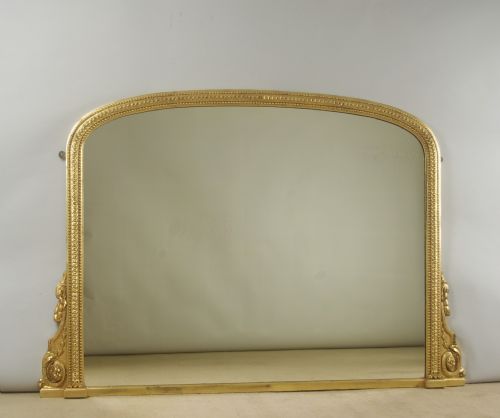
A victorian gilded overmantle is a large wall mirror designed specifically to hang above a domestic fireplace mantelpiece. These mirrors dominate a chimney breast through generous proportions, architectural framing, and reflective surfaces.
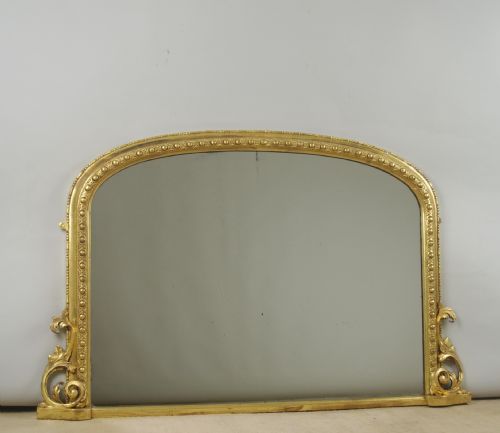
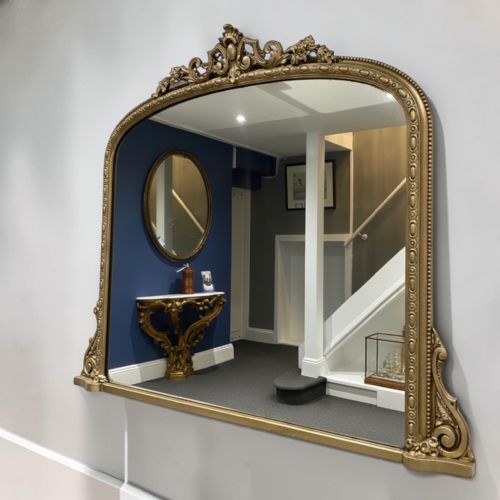
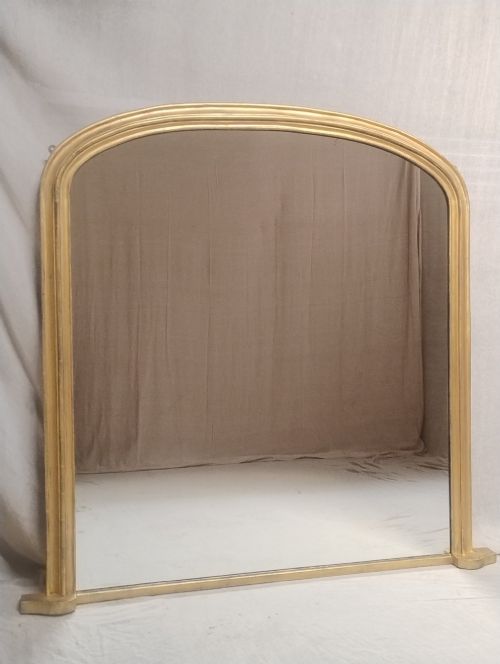
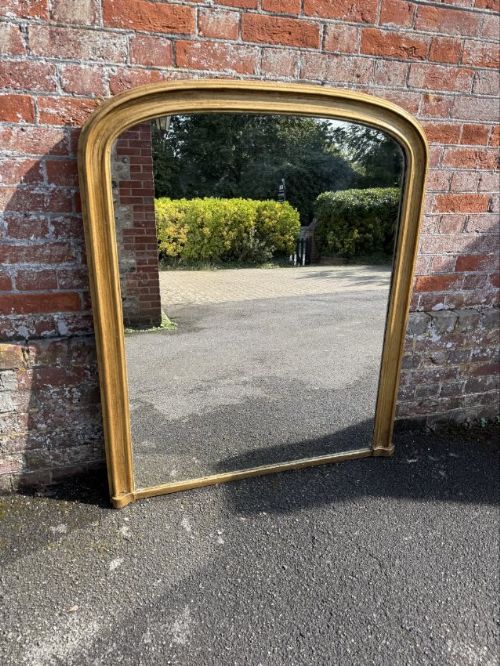
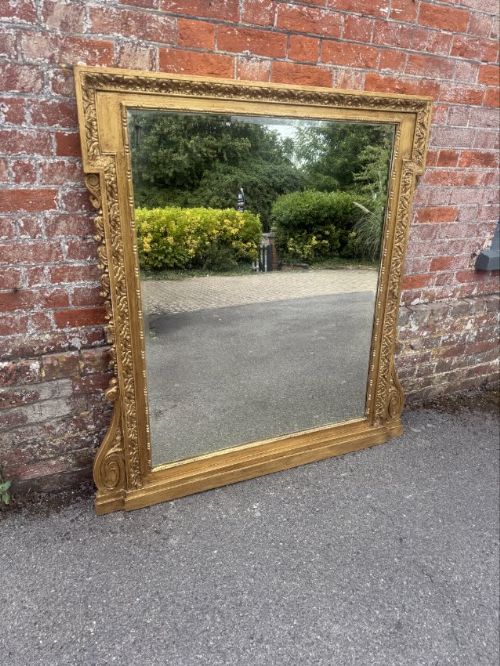
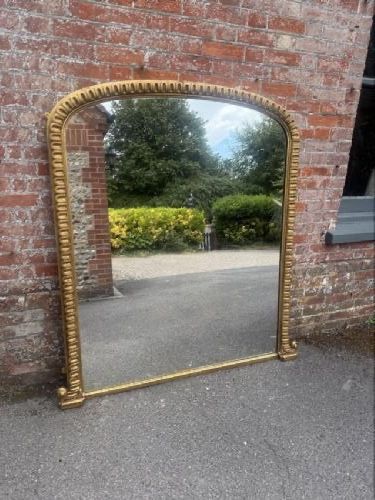
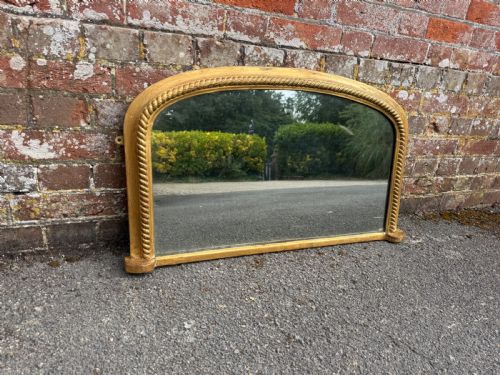
The pieces seen here date across the nineteenth century, with strong representation from the decades around eighteen seventy. Common forms include arched tops, shaped profiles, and triple plates that echo the structural lines of period interiors.
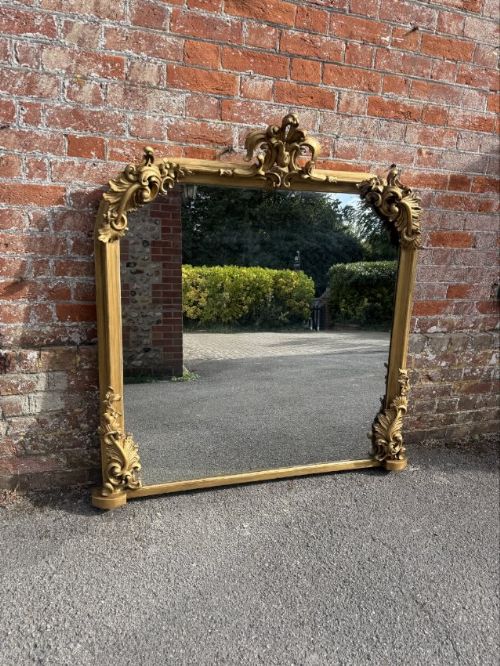
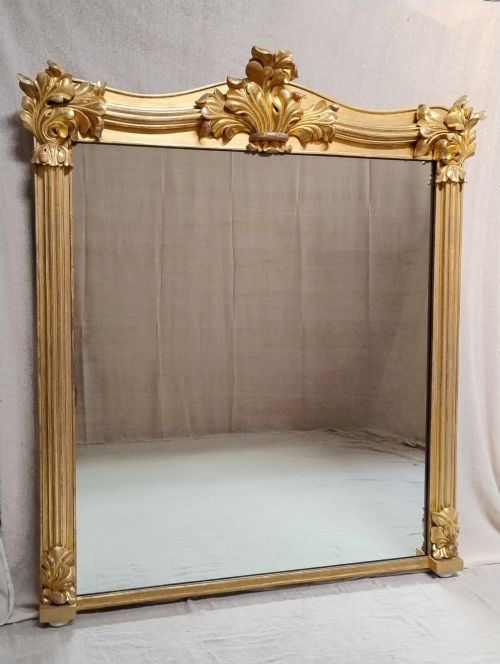
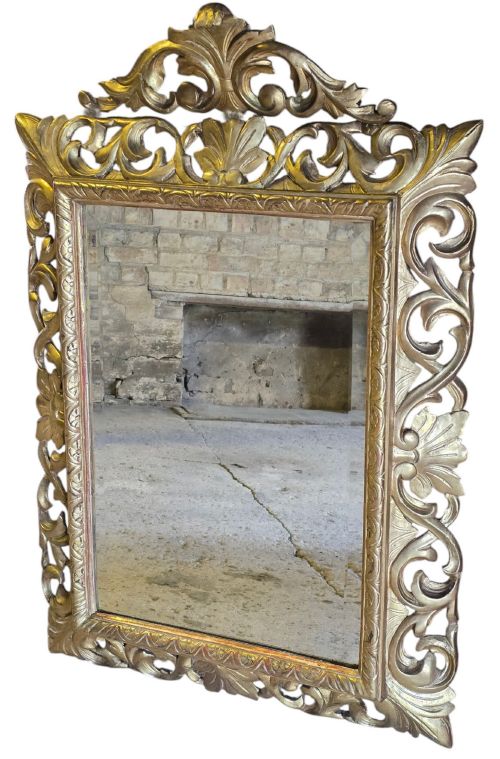
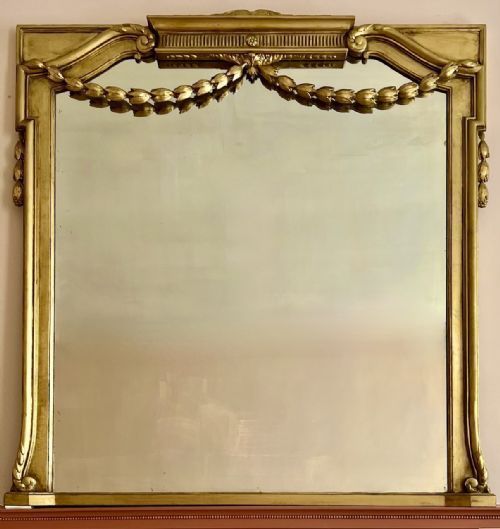
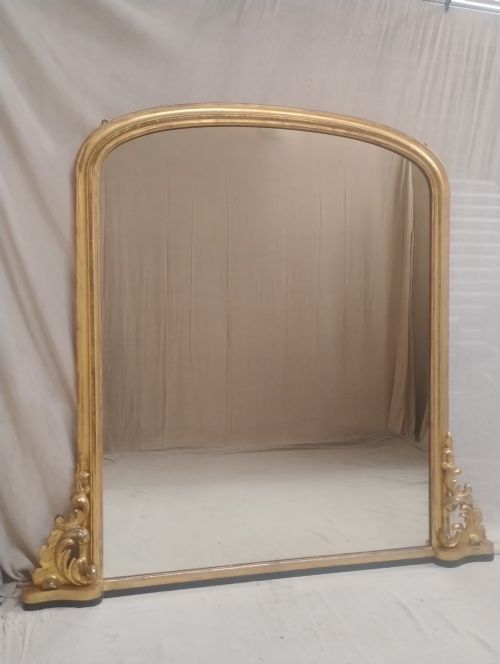
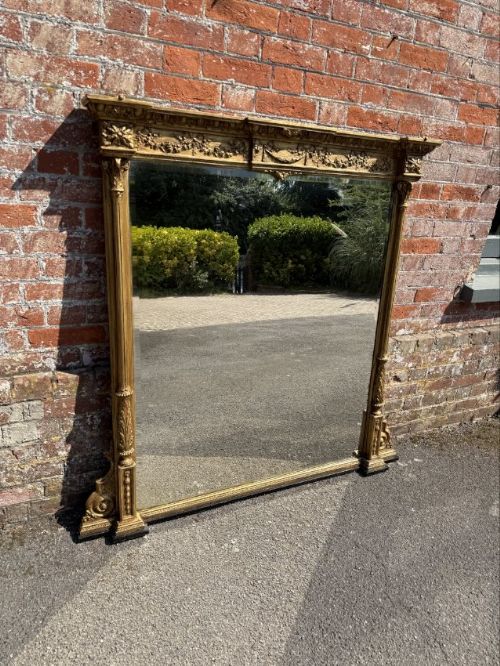
Originating largely from English and French workshops, these items reflect both classical revivalism and bolder nineteenth-century decorative tastes. The selection ranges from restrained rectilinear frames to elaborate Rococo revival designs.
How they were made
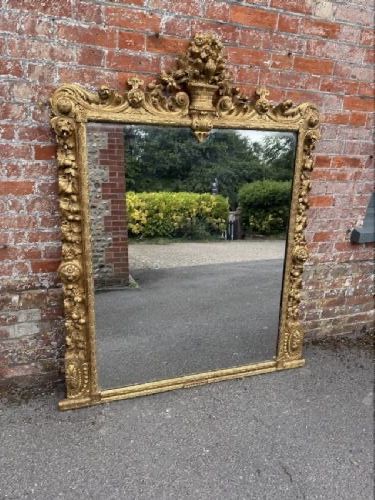
Makers constructed the structural frames primarily from carved wood, applying gesso and composition layers to build up intricate relief ornaments such as column details, rope twists, and scrolling foliage. Gold leaf or gilding was then laid over these prepared surfaces to create a continuous metallic finish.
The mirror glass itself was set into the wooden framework, sometimes featuring multiple plates divided by internal glazing bars or shaped sections following the arch of the crest. Plaster and composition moulds allowed workshops to repeat complex decorative motifs consistently across large production runs.
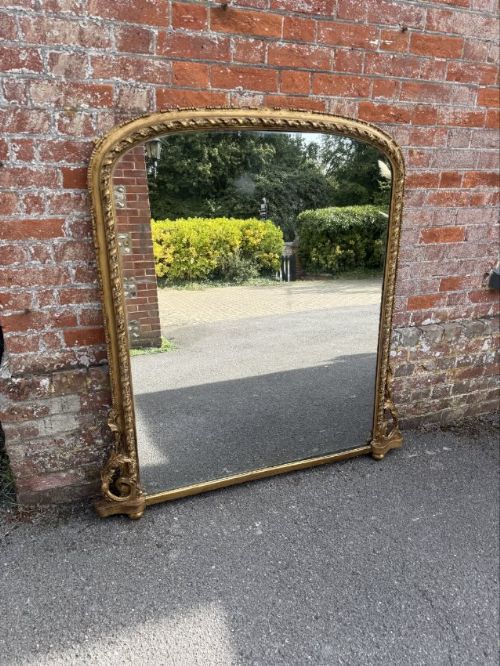
Listings demonstrate a frequent use of arched and shaped wooden frames covered in gesso and giltwood across the nineteenth century.
What varies in quality
The depth and crispness of the carved wood and gesso ornamentation dictate much of the visual distinction between examples. Finer pieces retain sharp relief in their scrollwork and mouldings, whereas simpler versions rely on heavier composition castings with softer edges.
The integrity of the original gilding and the condition of the mirror glass contribute significantly to the overall presence of a piece. Original reflective plates showing honest oxidation sit alongside later replacements, altering the visual character of the reflection.
The Victorian Gilded Overmantle Glossary
- Gesso
- A plaster-based mixture applied to wooden frames as a smooth base for subsequent gilding. It allows carvers and modellers to achieve fine decorative relief.
- Giltwood
- Timber that has been coated with gold leaf or metallic powder. This material provides the bright, warm surface characteristic of nineteenth-century decorative frames.
- Overmantel
- A large mirror or painting specifically proportioned to hang above a mantelpiece. These items were essential focal points in Victorian reception rooms.
- Composition
- A moulded mixture of whiting, resin, glue, and oil pressed into ornaments for frames. It offered a quicker alternative to hand-carving intricate details.
- Triple Plate
- A mirror frame containing three separate glass panels rather than a single sheet. This division often reflects nineteenth-century manufacturing limits and framing styles.
Victorian Gilded Overmantle: Frequently Asked Questions
How do I hang a heavy overmantle mirror safely?
These mirrors carry substantial weight due to their timber frames and thick glass plates. Secure wall fixings into structural brickwork or strong stud framing rather than relying on standard plasterboard anchors.
Professional mirror fixings or heavy-duty metal brackets distributed across the width of the frame help support the load securely against the chimney breast.
What is the difference between an overmantle and a wall mirror?
An overmantle mirror is specifically proportioned to sit horizontally or vertically above a fireplace mantelpiece, often featuring a shaped or arched top designed to fit beneath a chimney breast. General wall mirrors lack this specific architectural context.
Their proportions usually relate directly to the width of nineteenth-century hearths and reception room fireplaces.
How do I clean gilded mirror frames?
Dust giltwood frames gently with a soft, dry brush to prevent abrasive particles from scratching the delicate metallic surface. Avoid liquid cleaners, solvents, or water, as moisture strips historic gilding and composition ornament.
Glass cleaner applied directly to a cloth rather than the mirror keeps cleaning agents away from the surrounding wooden frame.
Can I place these mirrors in rooms other than the living room?
While originally intended for formal Victorian reception rooms and parlours, these large mirrors function effectively in hallways, dining rooms, and bedrooms. Their reflective qualities amplify available natural light and create an illusion of depth in smaller spaces.
Scale remains the primary consideration when placing them in non-fireplace locations.