


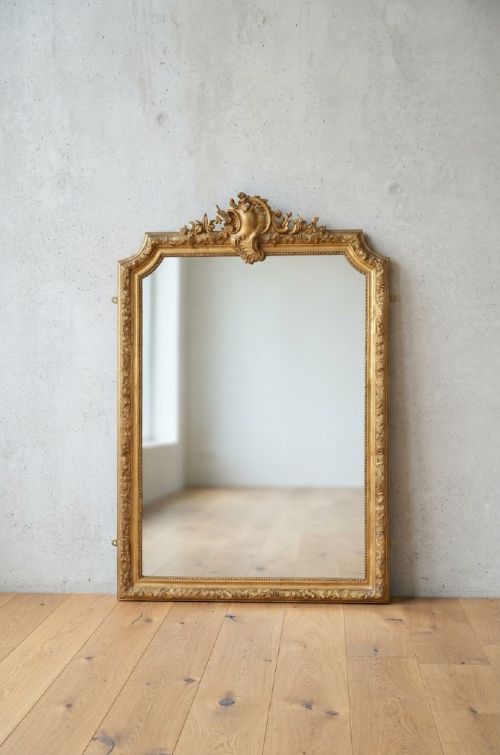
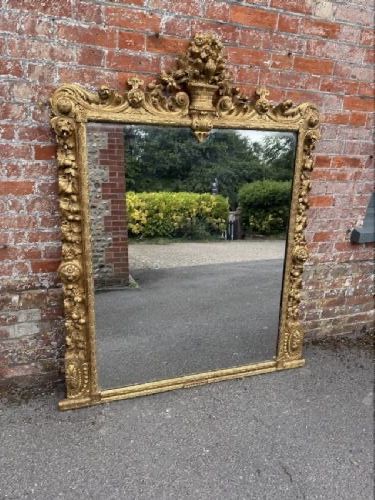
French Gilded Mantel Mirror
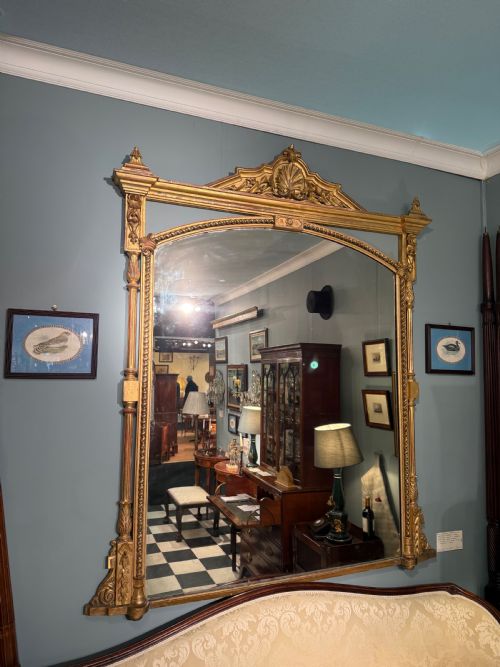
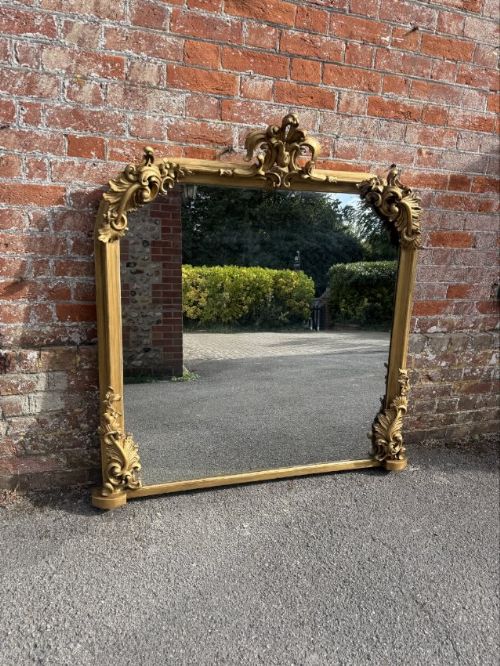
A french gilded mantel mirror brings scale and reflected light to a room, most commonly found here as a large nineteenth-century overmantel piece.
French Gilded Mantel Mirror
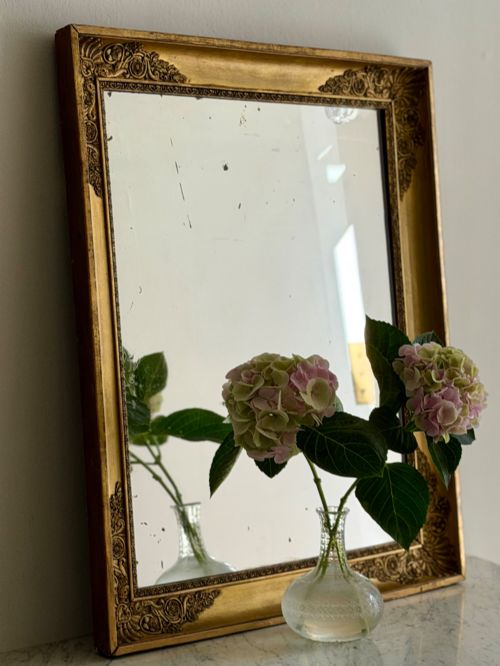
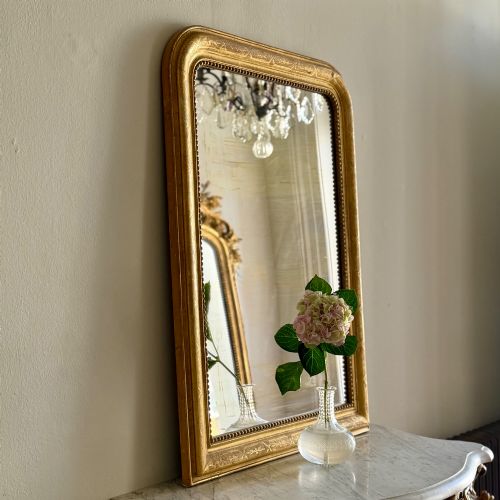
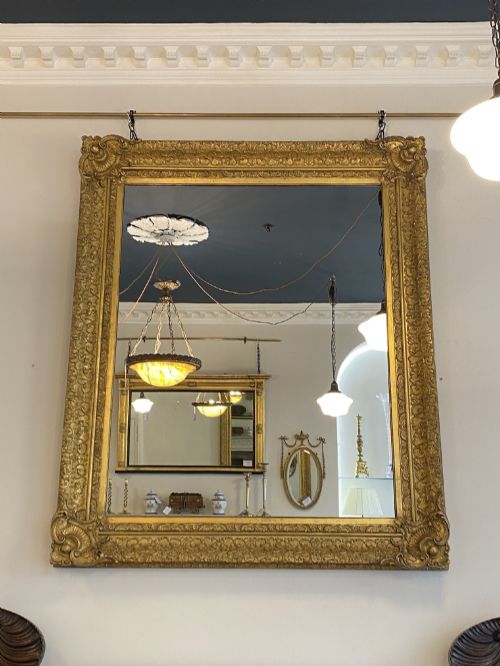
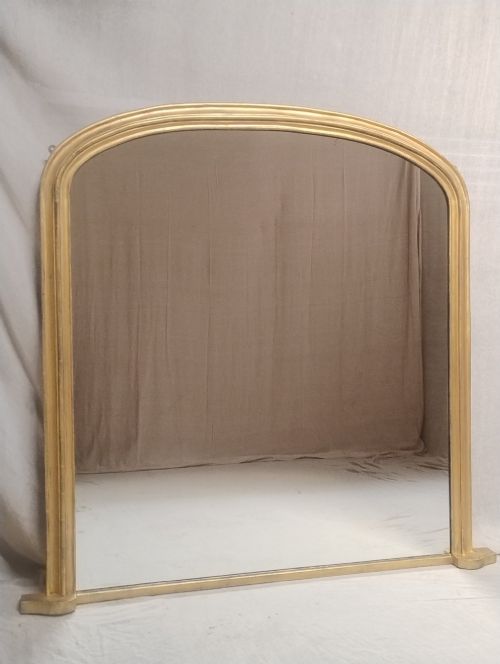
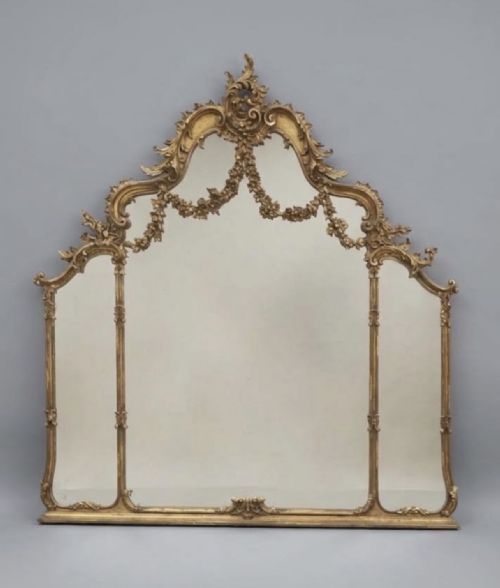
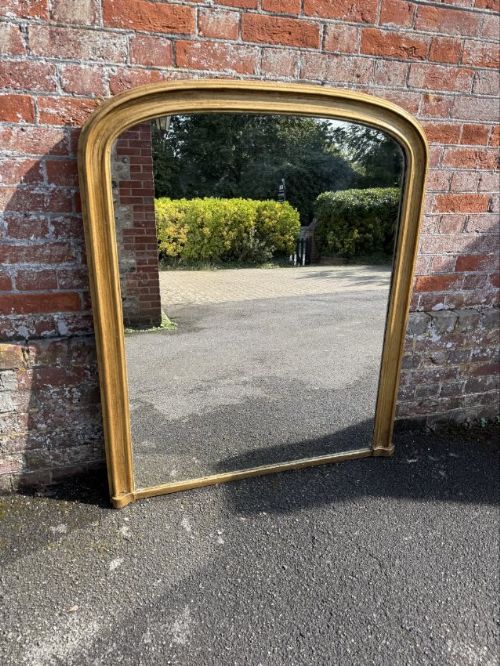
When searching for a french gilded mantel mirror, buyers encounter grand architectural frames designed to sit above a fireplace or function as a principal wall hanging. The pieces seen here span the nineteenth century, including specific years like 1860, 1870, 1880, and 1920, alongside Victorian and Louis Philippe styles.
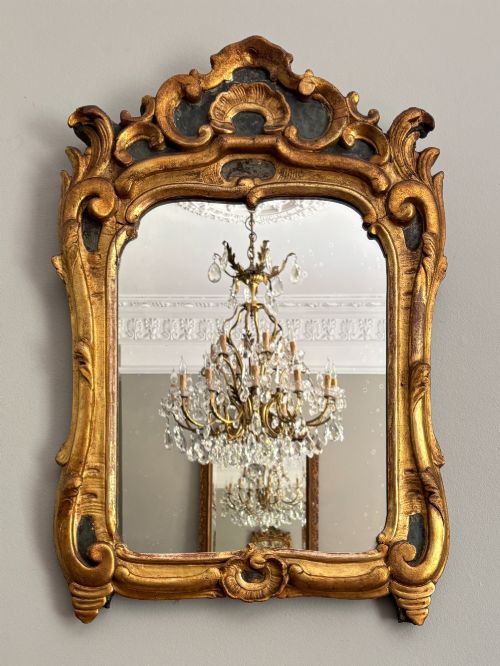
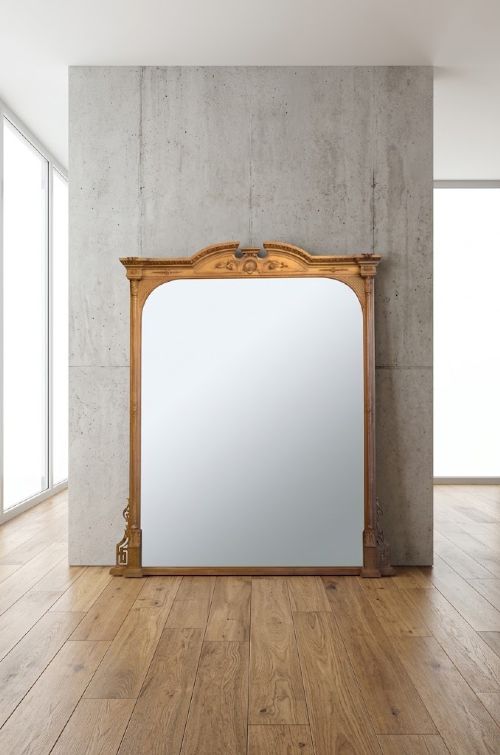
The dominant forms are large overmantel mirrors and wall mirrors, often featuring arched tops, crested designs, or central cartouches. Examples range from tall pier mirrors to smaller marriage mirrors dated around 1800, reflecting both French chateau origins and Victorian interpretations.
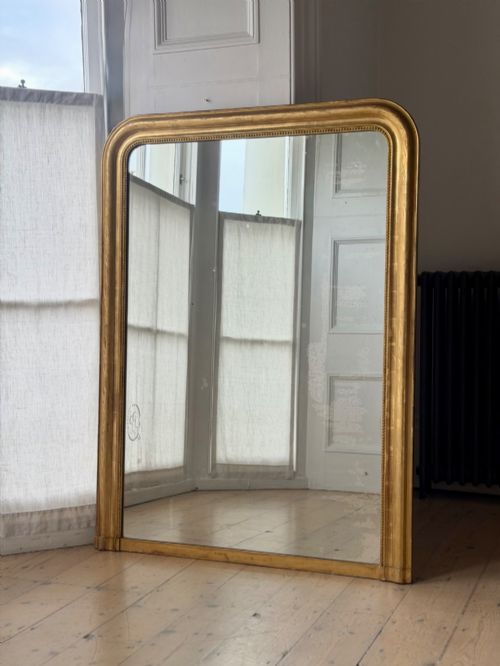
Most examples rely on generous proportions designed to anchor a room, measuring well over a metre in height. Buyers are most likely to meet substantial arched or rectangular wooden frames finished in gold leaf or gilt paint.
How They Were Made
Frames are constructed primarily from carved wood, utilising timber substrates built to support considerable weight. Carved wooden mouldings form the structural skeleton of the larger overmantel and pier formats.
Applied ornamentation relies on gesso and composition, moulded into decorative motifs such as rope twists and floral details. Plaster and composition elements are built up over the wooden base to create deep relief before gilding.
Surface finish is achieved through the application of gold leaf or gilt paint over the prepared ground. Original mirror glass is often retained within these heavy frames, secured behind wooden backs.
Some nineteenth-century makers snuck nautical rope twists into chateau mirrors, proving even formal French decor enjoyed a day at sea.
What Varies in Quality
The crispness of the carved wooden ornament and the depth of the gesso moulding distinguish finer examples from simpler work. Sharp, well-defined relief work indicates skilled hand-carving rather than mass-produced composition pressings.
The integrity of the original gilding and the preservation of the gold leaf create a significant distinction between pieces. Surfaces that retain their original burnished gold show greater depth than later overpainted treatments.
Proportion and scale dictate the visual impact of the mirror, with balanced architectural framing commanding greater presence. The retention of original mirror glass with natural ageing adds integrity to the piece.
The French Gilded Mantel Mirror Glossary
- Giltwood
- Wood that has been coated with gold leaf or a gold-coloured finish. This material forms the primary structure of many classical mirror frames.
- Gesso
- A plaster-like mixture applied to wood frames to create a smooth surface for carving and gilding. It allows for intricate decorative relief work.
- Overmantel Mirror
- A large mirror specifically designed to be hung on the wall immediately above a mantelpiece. These pieces often feature wide horizontal or arched formats.
- Louis Philippe
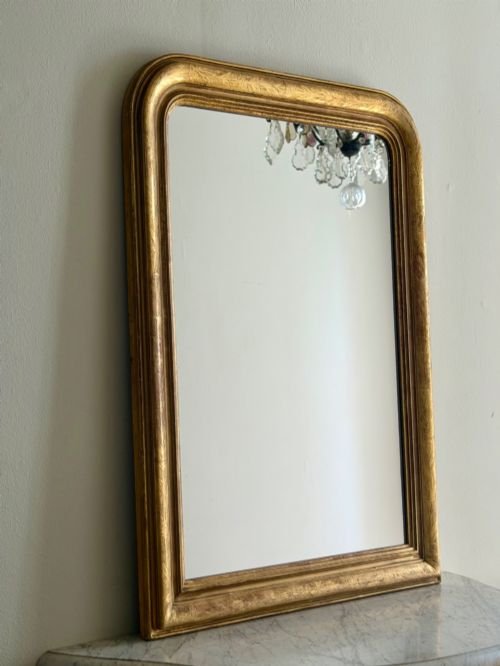
- A nineteenth-century French style characterised by restrained classical curves and simple rounded top corners. This aesthetic avoids heavy rococo excess in favour of elegant restraint.
- Composition
- A moulded mixture of whiting, resin, linseed oil and glue used for decorative details. It is pressed into moulds and applied to the wooden frame before gilding.
- Cartouche
- An ornamental tablet or panel resembling a rolled-up piece of parchment, often placed centrally on the crest of a mirror. It provides a focal point for carved decoration.
French Gilded Mantel Mirror: Frequently Asked Questions
Where should a heavy overmantel mirror be hung?
These large mirrors are traditionally positioned directly above a fireplace mantel, resting on the shelf or secured to the wall studs. Their substantial weight requires robust fixing into masonry or heavy timber framing.
In modern interiors, they also function effectively as floor-standing wall mirrors in reception rooms or hallways. Their height demands a wall space capable of accommodating monumental proportions without crowding adjacent furniture.
How do I identify a Louis Philippe mirror?
Louis Philippe mirrors are recognised by their distinctive rounded top corners and clean, understated rectangular frames. They typically eschew the heavy ornamentation found on earlier Rococo Revival pieces.
This style dates primarily from the mid-nineteenth century and offers a versatile aesthetic that bridges traditional and contemporary spaces. The framing is often simpler, relying on subtle moulded profiles rather than deep sculptural carvings.
What is the difference between gesso and carved wood?
Carved wood forms the structural frame and primary relief work, cut directly by hand from solid timber. It provides the essential strength required for large architectural mirrors.
Gesso is the liquid plaster ground applied over the wood to receive fine detail and gold leaf. Intricate floral motifs and rope twists are typically moulded in composition or gesso pressed over the wooden core.
Can original mirror glass be cleaned safely?
Original antique mirror glass requires gentle cleaning with a soft cloth and mild, non-ammonia cleaning solution. Vigorous rubbing can damage the delicate silvering behind the glass.
Age spots and foxing are natural characteristics of nineteenth-century glass and should be preserved rather than scrubbed away. These marks confirm the authenticity and age of the mirror plate.