


French Figural Porcelain
French figural porcelain brings sculptural form and painted detail together, capturing the character of figures from the nineteenth century onward.
French Figural Porcelain
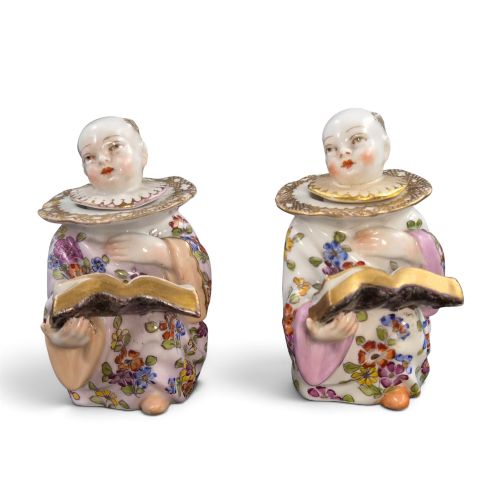
When you search for french figural porcelain, you encounter a diverse range of objects that combine sculpted figures with functional or decorative forms. These pieces include mantel clocks, table lamps, inkwells, perfume bottles, and decorative figural groups spanning the nineteenth and twentieth centuries.
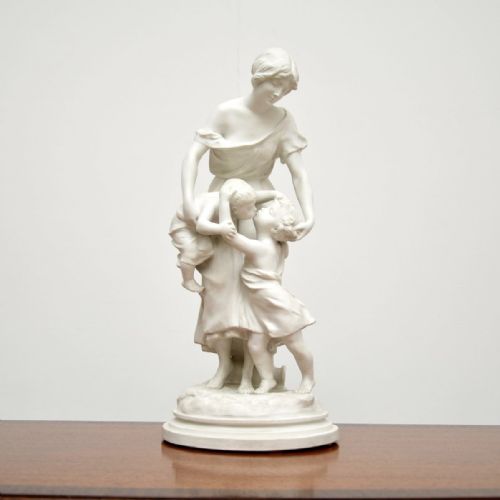
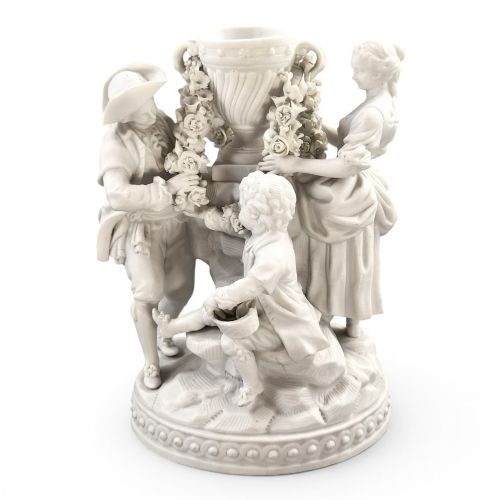
The nineteenth century yields many bisque and glazed pieces, from biscuit porcelain sculptural groups to intricate mantel clocks framed in ormolu. Makers such as Edmé Samson, Jacob Petit, and Vion et Baury dominate the earlier periods with detailed human and cherubic subjects.
Later works shift towards Art Deco ceramic powder bowls and lamps produced around the 1930s. These later pieces retain the figural focus while adopting the cleaner geometric lines characteristic of the period.
Materials and construction
The foundation of these objects rests on porcelain, ceramic, and bisque bodies shaped into figural groups or functional vessels. Glazed surfaces often appear alongside unglazed bisque porcelain, which provides a matte, marble-like finish.
Makers integrated gilt bronze, ormolu, gilt metal, and gold leaf to mount or frame the porcelain bodies, particularly in mantel clocks and lamps. Enamel and glass elements appear as secondary materials to enhance specific details on clocks and decorative containers.
Factors determining quality
Quality in these pieces depends heavily on the crispness of the modelling in the porcelain and the precision of the hand-painted details. Finer figural groups display delicate facial expressions, carefully draped garments, and subtle polychrome or gilt accents.
The integration of secondary materials also dictates the standard of the piece, as seen in heavy ormolu mounts and quality clock movements. Works associated with known makers and factories generally demonstrate superior finishing in both the ceramic body and the metal fittings.
Edmé Samson·Jacob Petit·Vion et Baury·Eugene Clauss·Limoges·Japy Freres
The French Figural Porcelain Glossary
- Bisque porcelain
- Unglazed porcelain with a matte, fine-grained texture that resembles marble. This finish is frequently used on nineteenth-century figural groups and portrait pieces.
- Ormolu
- Gilt bronze or brass mounts applied to decorative objects and clocks. It provides a bright, durable metallic contrast to the ceramic body.
- Veilleuse
- A type of night light or bedside lamp, often taking figural form. These ceramic pieces combine a lamp base with a perforated cover for diffusing light.
- Rococo Revival
- A nineteenth-century design style marked by asymmetry, scrollwork, and naturalistic motifs. It influences the sculptural framing of many clocks and inkwells.
- Palais Royal
- A designation for luxury goods originally sold in the arcades of Paris. These items often feature fine porcelain combined with gilt metal mounts.
French Figural Porcelain: Frequently Asked Questions
How do I date a porcelain clock?
Dating relies on examining the style of the case, the materials used for the mounts, and any visible maker marks on the movement or porcelain panels. Nineteenth-century examples often feature Rococo Revival or Louis XVI styling with heavy ormolu mounts.
Later pieces from the twentieth century typically display Art Deco geometry, simpler ceramic forms, and different mechanical components. Comparing the style of the figural porcelain with known factory production periods helps narrow down the decade.
How should I display figural porcelain in my home?
These pieces function well as focal points on mantelpieces, side tables, or within secure display cabinets. Because many objects incorporate delicate elements like floral garlands or gilt bronze mounts, placing them away from high-traffic areas prevents accidental damage.
Lighting also plays a role, as natural daylight or subtle interior lighting highlights the modelling of bisque figures and the shimmer of gilt accents.
Are these pieces functional or purely decorative?
Many items combine utility with sculpture, serving as working mantel clocks, inkwells, perfume bottles, lamps, or powder bowls. Other pieces, such as figural groups and sculptural figures, are strictly decorative.
Even functional items were designed with high aesthetic ambition, making the sculptural porcelain the primary visual draw regardless of utility.