
French Faux Bamboo
French faux bamboo pieces are imitation cane furniture and mirrors turned from wood or cast in metal to capture an exotic aesthetic.
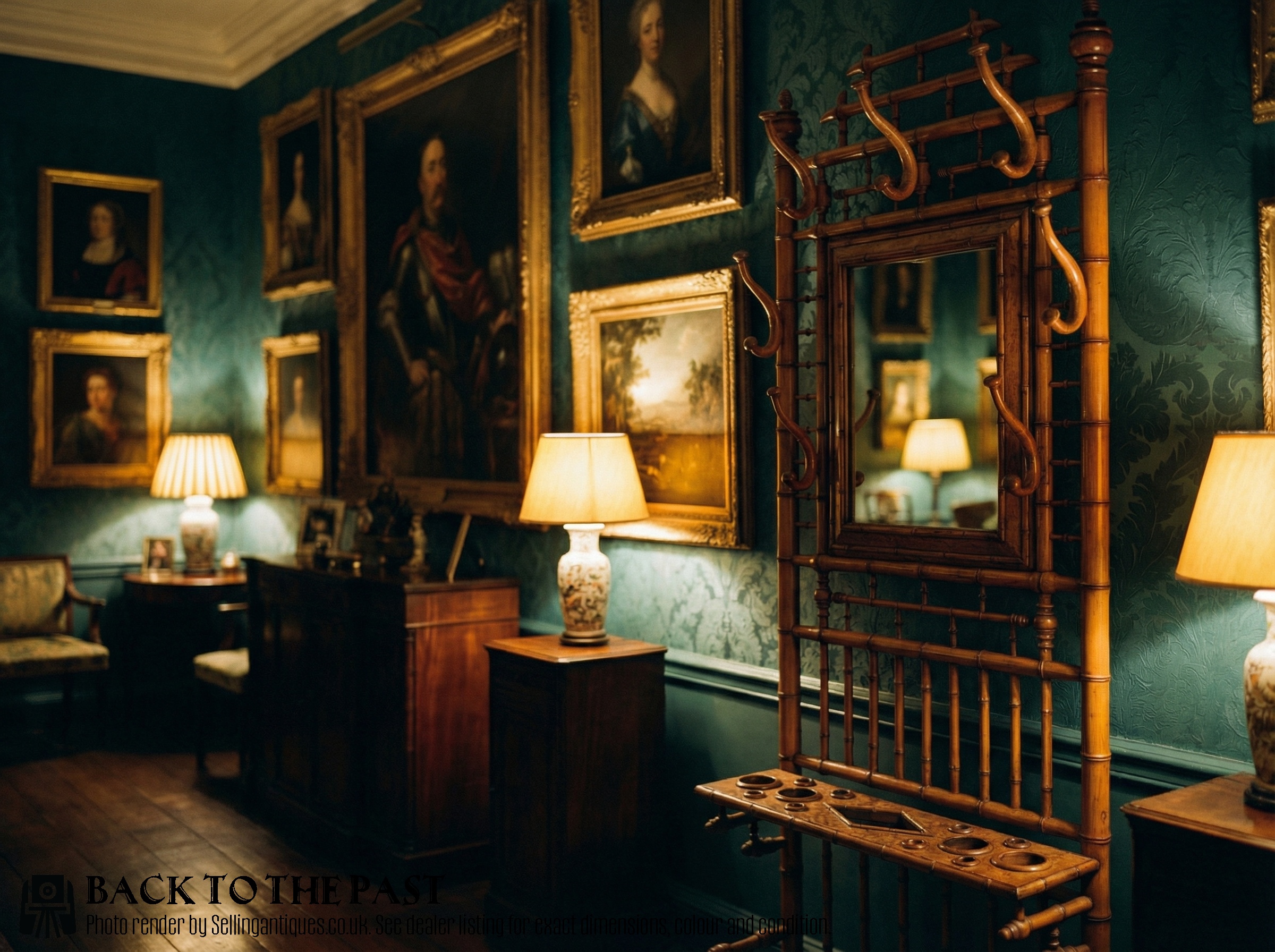
French Faux Bamboo
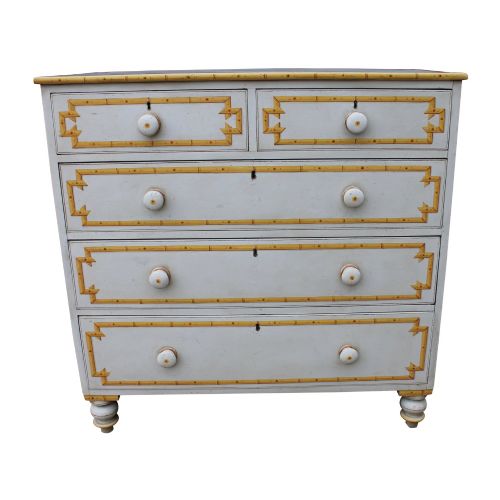
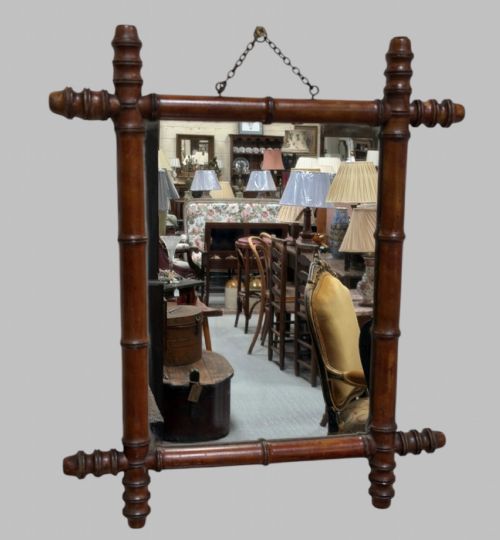
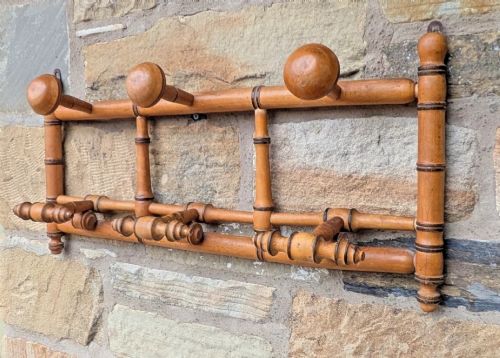
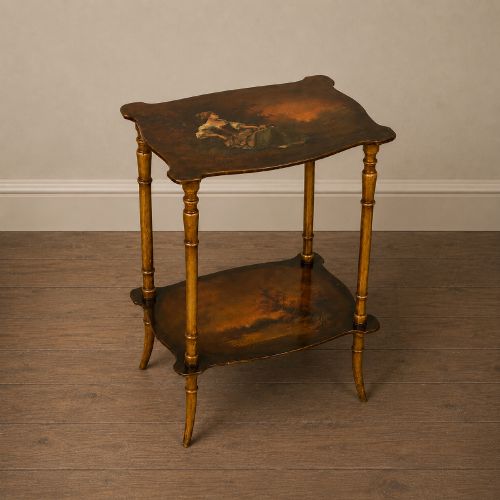
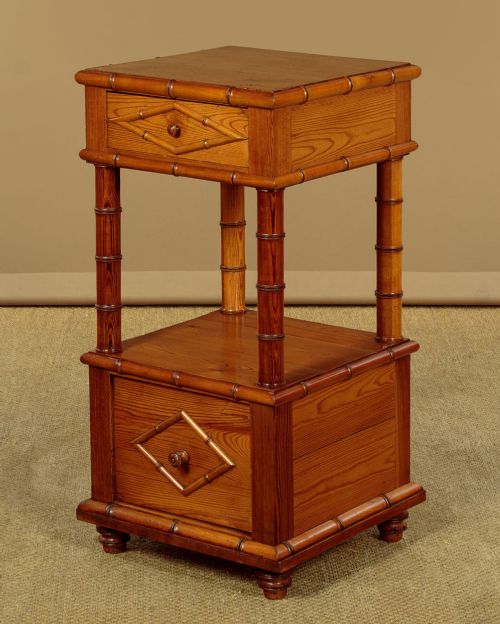
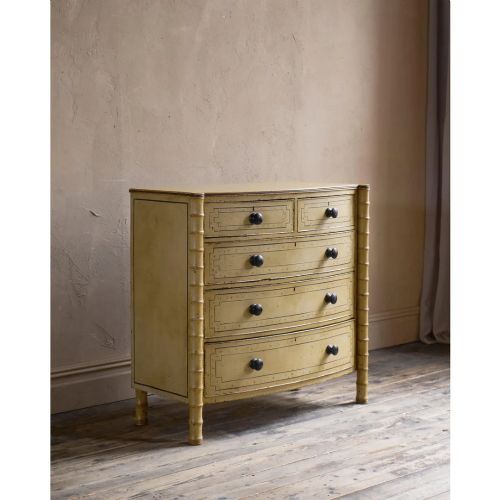
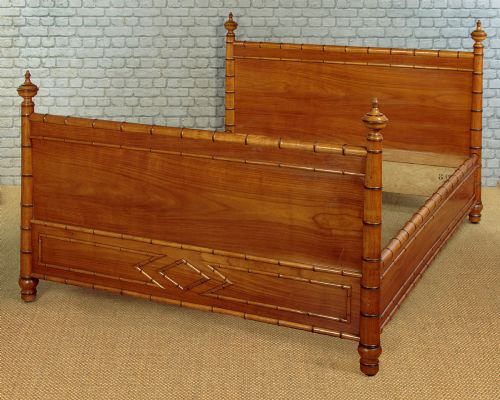
French faux bamboo encompasses domestic furniture and decorative items designed to mimic natural bamboo stalks through turned mouldings or cast profiles. When searching for french faux bamboo, buyers encounter bedroom and hall furnishings ranging from bedside cabinets and chests of drawers to large wall mirrors and coat racks.
The pieces appearing most frequently originate from the late nineteenth century, reflecting nineteenth century taste and Aesthetic Movement sensibilities. These items combine practical domestic utility with playful imitation, often utilising hardwoods and painted finishes to complete the illusion.
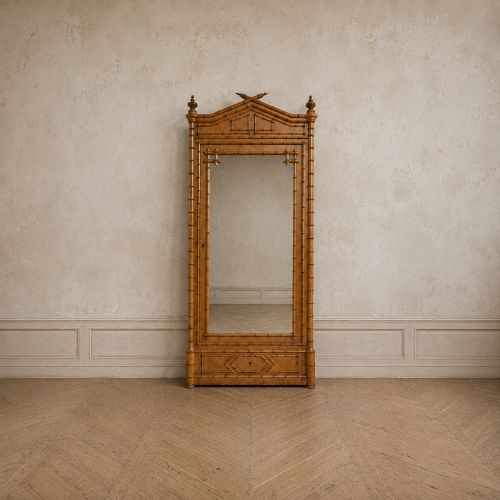
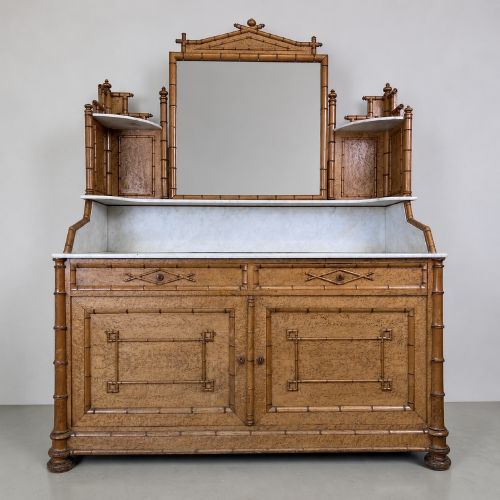
Wardrobes, washstands, and cheval mirrors dominate the larger formats, while smaller accessories like coat hangers and umbrella stands provide targeted decorative accents. Surviving examples demonstrate how continental cabinetmakers translated botanical forms into sturdy domestic frames.
How they were made
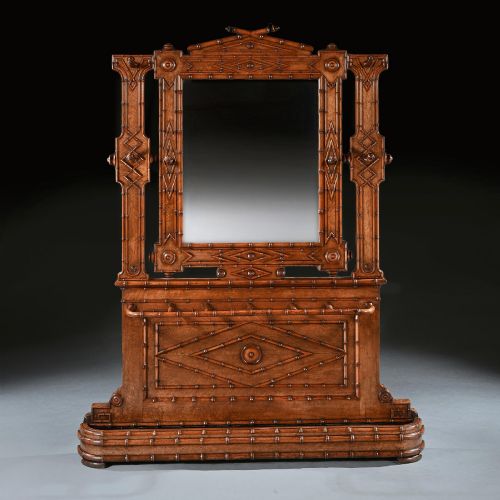
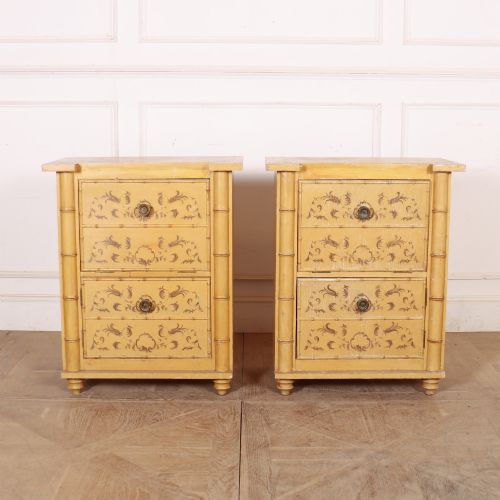
Turned wood forms the core of most pieces, utilising beech, pine, birch, and fruitwood shaped on a lathe to recreate the characteristic nodes and rings of real bamboo. Artisans carved or turned these profiles meticulously before applying paint, gilt, or clear finishes to highlight the simulated joints.
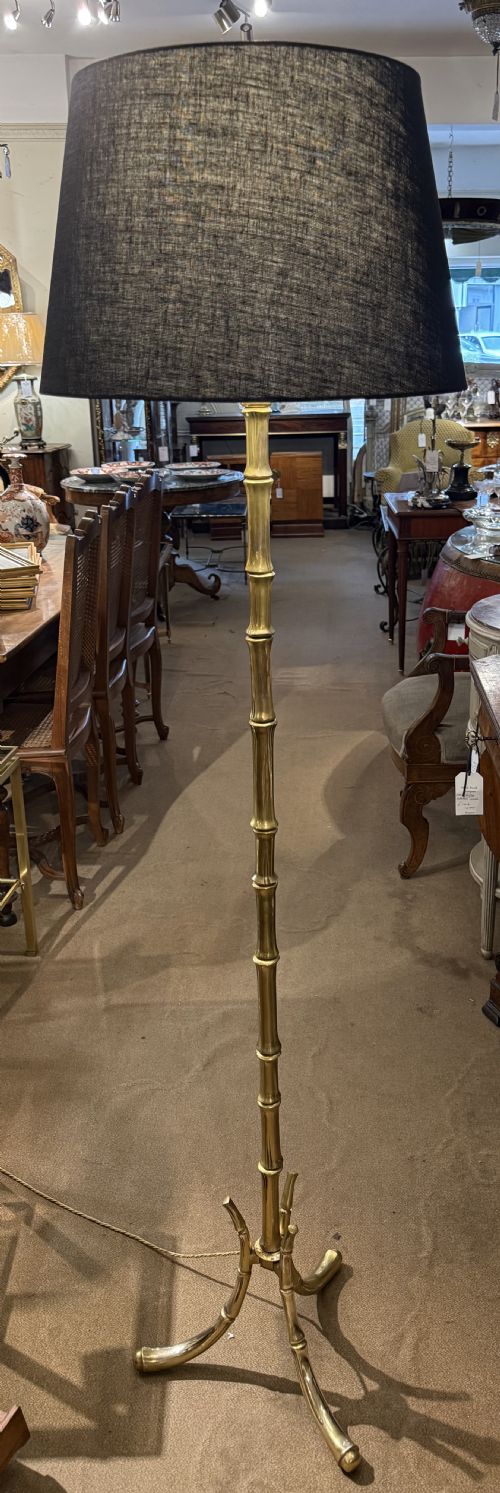
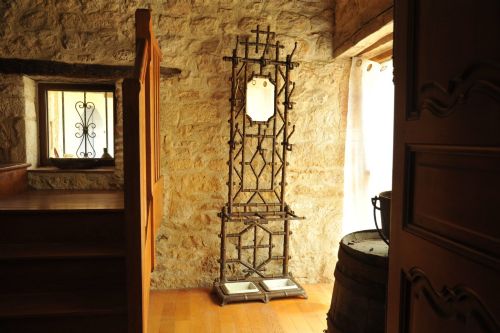
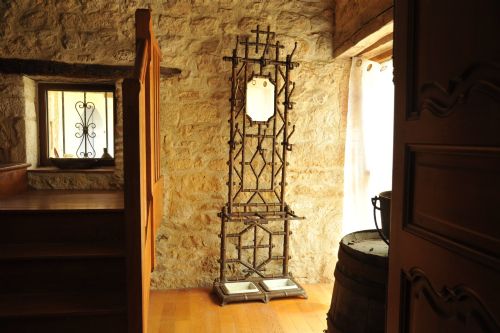
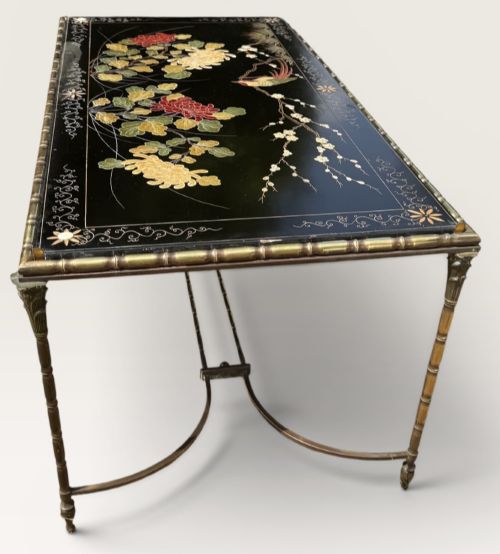
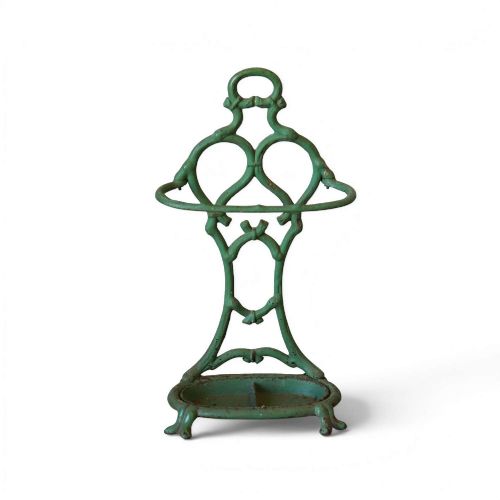
Metal versions employ cast iron and brass, particularly for hall stands, umbrella holders, and sturdy coat racks requiring heavy bases. These metal castings capture botanical textures with precision, offering durable alternatives to timber frames.
Surface decoration frequently involves bird's-eye maple veneers, hand-painted floral motifs, or layered paint applied over walnut and cherrywood. Skilled makers combined these decorative treatments with functional elements like marble tops and inset mirror glass.
Listings feature items spanning from 1870 through the 1930s, encompassing Victorian, Edwardian, and Art Deco eras.
What varies in quality
The realism of the turned nodes and the crispness of the simulated joints distinguish finer examples from simpler production. Superior pieces display carefully proportioned stalk segments that mimic natural growth irregularities rather than repetitive machine spacing.
Choice of underlying materials shifts the character and integrity of each piece, with solid fruitwoods and figured bird's-eye maple veneers representing higher craftsmanship than basic painted pine. Original surface treatments and untouched painted or gilded coats also elevate historical value.
Structural complexity dictates the tier of execution, seen in multi-tiered étagères, fitted washstands with marble inserts, and large mirrored armoires with detailed internal cabinetry. The integration of functional hardware, such as brass hooks and original bevelled mirror glass, marks the upper echelon.
Maison Bagues
The French Faux Bamboo Glossary
- Aesthetic Movement
- A late nineteenth century design movement emphasising decorative arts for their own sake, heavily influenced by Japanese art and contributing to the popularity of bamboo motifs.
- Commode
- A low chest of drawers or cabinet originating in France, frequently found constructed with simulated bamboo mouldings and marble tops.
- Étagere
- A piece of furniture consisting of open shelves for displaying small objects, often built with tiered wooden or metal faux bamboo supports.
- Japonisme
- The study and influence of Japanese art and aesthetics on Western works, driving the European fascination with botanical and bamboo forms.
- Armoire
- A large wardrobe or cupboard used for storing clothing, occasionally constructed with mirrored doors and simulated bamboo framing.
French Faux Bamboo: Frequently Asked Questions
What is french faux bamboo furniture?
French faux bamboo furniture consists of wooden or metal items turned, carved, or cast to resemble natural bamboo stalks. Makers produced these pieces primarily in the nineteenth century during periods of strong interest in exotic decorative styles.
These items range from large mirrored armoires and chests of drawers to smaller bedside cabinets and wall mirrors. Each piece applies trompe l'oeil techniques to everyday domestic forms.
How do I date these pieces?
Dating relies on examining construction methods, timber types, and the stylistic context of the nineteenth and early twentieth centuries. Pieces from the height of the Aesthetic Movement around 1880 and 1890 typically display careful hand-turning and specific wood veneers.
Later Edwardian and twentieth-century interpretations often feature lighter structural frames or different paint applications. Comparing hardware, mirror bevelling, and secondary woods helps narrow the decade of manufacture.
Where were these pieces used?
Bedrooms and hallways served as the primary locations for these decorative furnishings in nineteenth-century homes. Washstands, armoires, and bedside cabinets furnished bedrooms, while hat stands and coat racks populated entrance halls.
Their exotic appearance allowed homeowners to introduce global design influences into domestic spaces. Today, they integrate easily into modern interiors as statement storage or hallway accents.
Are metal versions authentic?
Cast iron and brass examples are period-authentic alternatives produced during the late nineteenth century. Found frequently in hall stands and umbrella holders, metal provided the necessary weight and durability for heavy outerwear.
Makers painted these metal frames to match wooden counterparts, creating a cohesive visual language across different domestic objects. These cast pieces exhibit the same botanical node details as turned wood items.