


French Empire Portrait
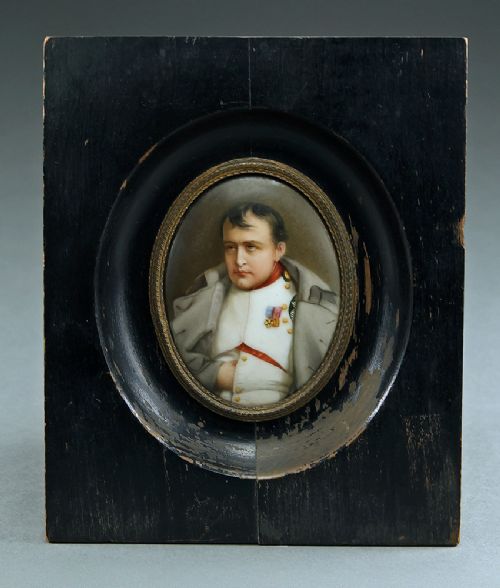
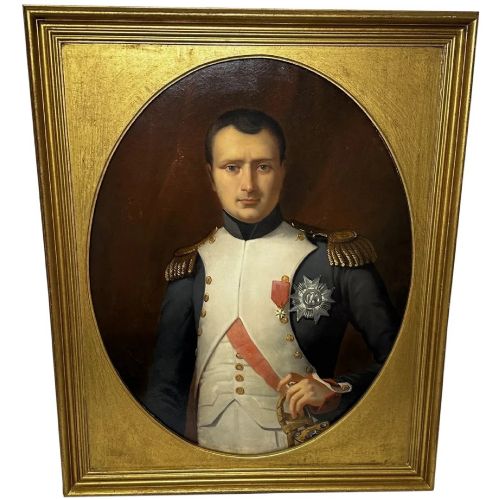
These french empire portrait pieces capture neoclassical subjects and military leaders in oil, bronze, and gilt frames, bringing immediate historical presence to a room.
French Empire Portrait
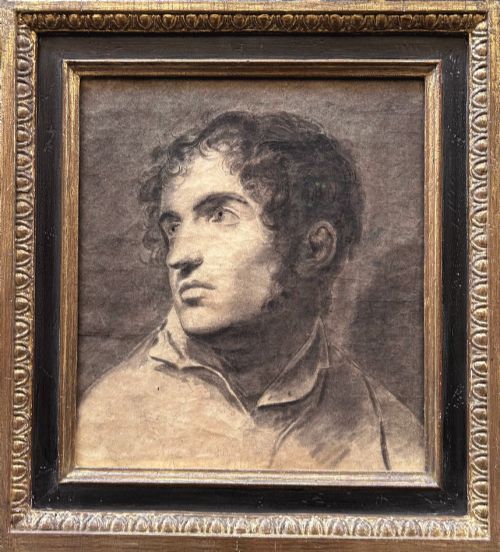
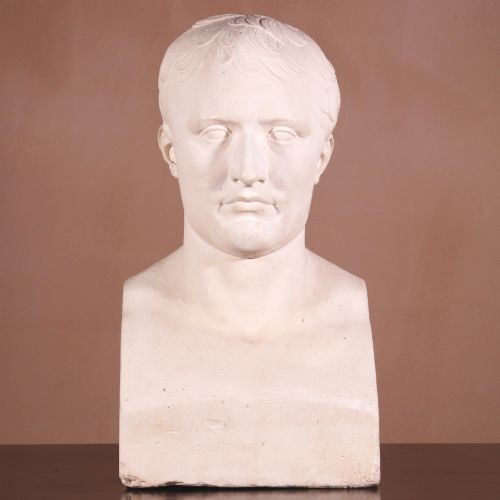
A french empire portrait encompasses painted oils on canvas, delicate miniatures, cast bronze busts, and framed likenesses originating largely from the nineteenth century. Buyers seek these works to anchor a room with formal neoclassical gravity and historical likenesses of figures like Napoleon and Madame Récamier.
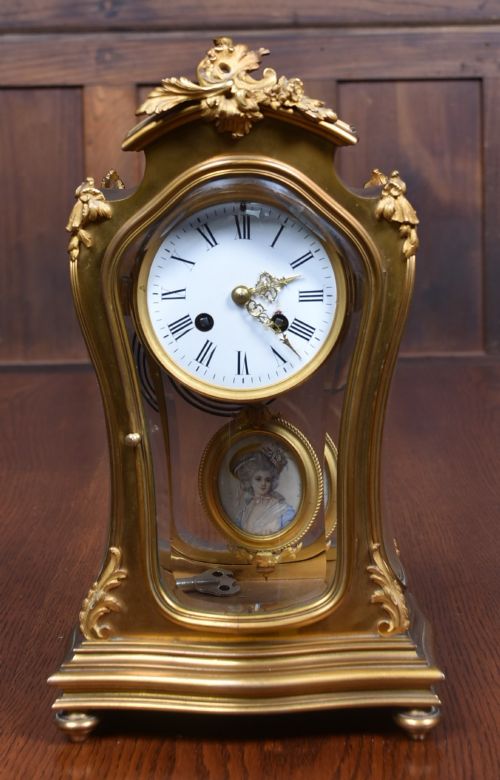
The objects take diverse forms beyond flat canvases, including gilt mantel clocks inset with signed miniatures, ormolu photograph frames adorned with Napoleonic bees, and gold pendants. Most examples adhere to the French School tradition, drawing on Regency and Empire aesthetics that prioritise symmetry and formal dignity.
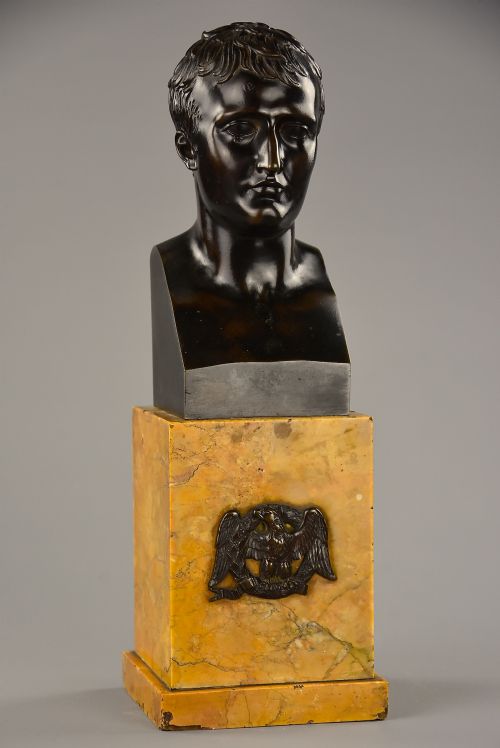
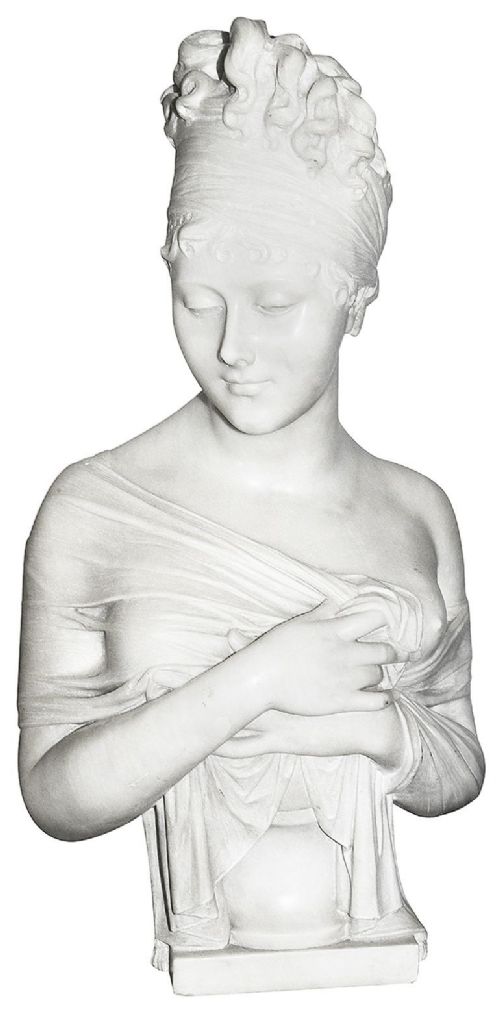
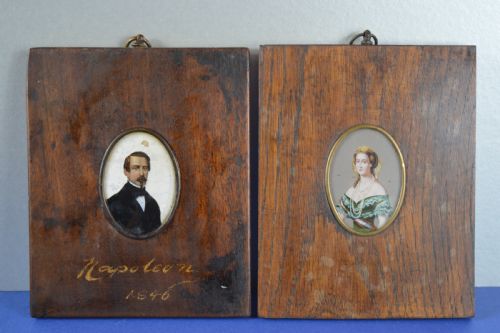
The selection frequently includes plaster and marble busts alongside painted roundels mounted in turned mahogany frames. These pieces bridge decorative arts and portraiture, functioning equally as standalone sculptures or wall-mounted focal points.
Materials and construction
Makers utilised oil on canvas and paper for painted portraits, while miniatures relied on enamel and fine pigments applied to small supports. Busts and frames combined carved marble, cast bronze, ormolu, and giltwood, often enriched with brass details and glass covers.
Casting methods produced detailed bronze and lead roundels, which were then patinated or fire-gilded to achieve a rich metallic lustre. Woodwork incorporated mahogany and giltwood, constructed with traditional joinery to support heavy gilt bronze mounts and picture frames.
Listings feature items spanning the 19th Century, 1800, 1860, 1900, 1910, 1920, and 1940 periods.
Judging quality in portraiture and metalwork
In three-dimensional objects, the crispness of the casting in bronze or ormolu mounts distinguishes finer pieces from softer, commercial iterations. The integration of materials, such as a marble base supporting a bronze bust or an enamel plaque set into an ormolu tazza, reveals the maker's discipline.
Jean-Baptiste Isabey·Boin Taburet·Stephanus Chiantor·Rodier
The French Empire Portrait Glossary
- Ormolu
- Gilded bronze applied to decorative objects and furniture mounts. This technique was widely utilised during the Empire period to create rich golden highlights.
- Miniature painting
- A small-scale portrait executed with fine detail on ivory, vellum, or paper. These works were frequently housed in lockets, snuff boxes, or small frames.
- Neoclassical
- An artistic style drawing inspiration from classical antiquity. It informs the balanced compositions and formal dignity seen across these portraits and busts.
- Roundel
- A circular work of art, such as a painted plaque or cast metal relief. They often appeared paired in turned wood frames during the nineteenth century.
- Tazza
- A shallow cup or shallow bowl raised on a standard and foot. In this context, they were often decorated with painted enamel plaques.
French Empire Portrait: Frequently Asked Questions
How do I date a french empire portrait?
Dating relies on material analysis, costume details, and framing styles characteristic of the nineteenth century. Signatures or inscriptions on the reverse often provide direct attribution to artists or specific workshops.
Comparison with documented pieces from the Regency and Empire periods helps narrow the decade of production. Stylistic markers like neoclassical dress further anchor the object within its historical window.
Were these portraits meant for display?
Larger oil paintings and bronze busts were designed to project status in formal rooms, libraries, and halls. Smaller items like snuff boxes, lockets, and miniatures served as personal, portable tokens of allegiance or affection.
Many framed portraits and mirrors functioned as architectural wall decor within French interiors. Their varied formats allowed owners to integrate historical likenesses into both intimate and public spaces.
How should I care for gilt bronze and oil portraits?
Gilt bronze and ormolu require gentle dusting with a soft, dry cloth to prevent abrasion of the gold surface. Avoid chemical cleaners that strip the metallic finish or damage underlying patination.
Oil paintings and paper miniatures must be kept away from direct sunlight and high humidity to prevent fading and cracking. Glazed pieces should be checked periodically to ensure seals remain intact against dust and moisture.
What is the difference between Empire and Regency pieces?
Empire pieces typically reflect French military grandeur, classical revival motifs, and heavy gilt bronze mounts associated with Napoleon's reign. Regency items share similar neoclassical roots but often exhibit British stylistic interpretations or slightly lighter proportions.
Both styles embrace formal portraiture and rich materials like mahogany and ormolu. Examining the specific school of the artist or the framing construction usually clarifies the regional origin.