
French Empire Gilt Clock
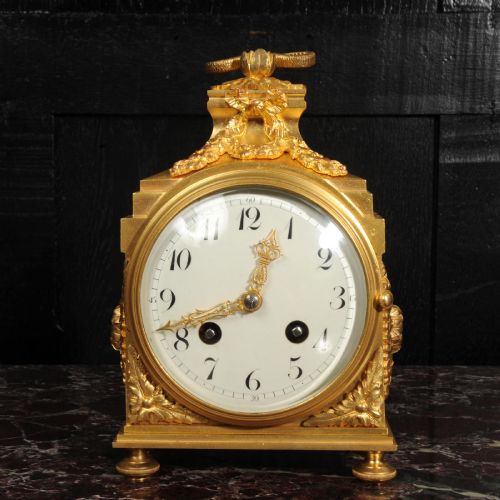
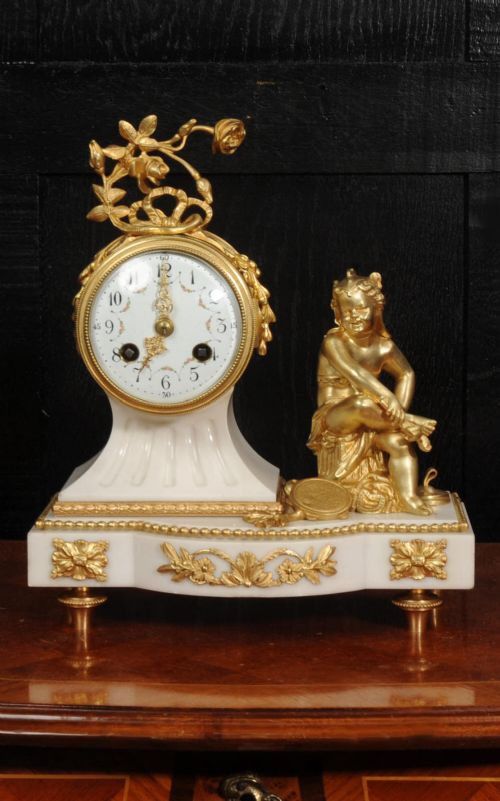
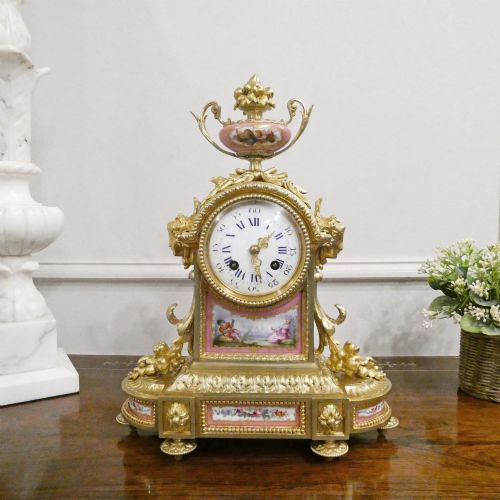
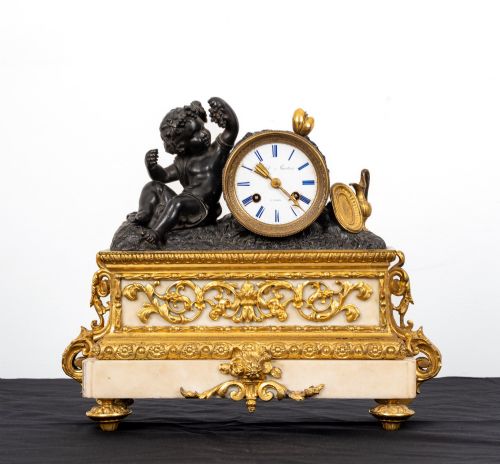
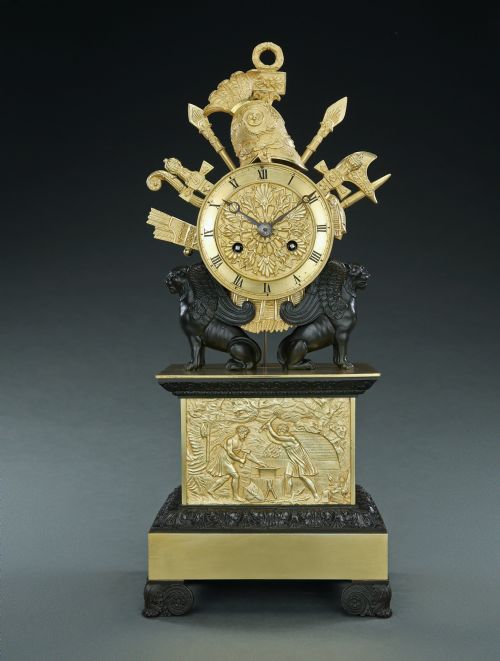
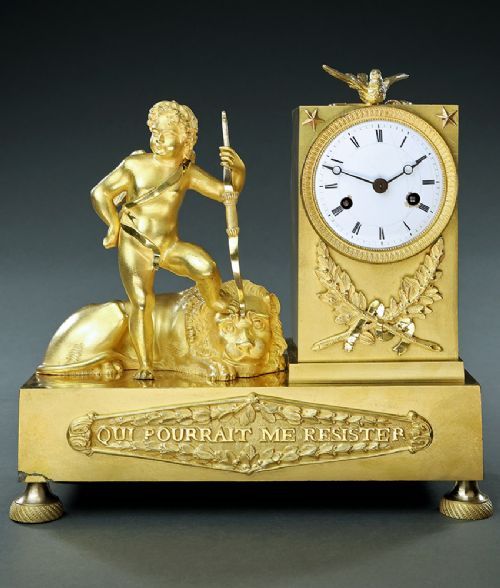
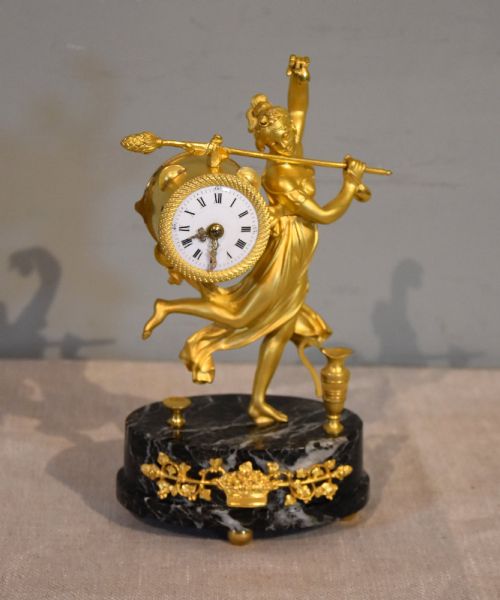
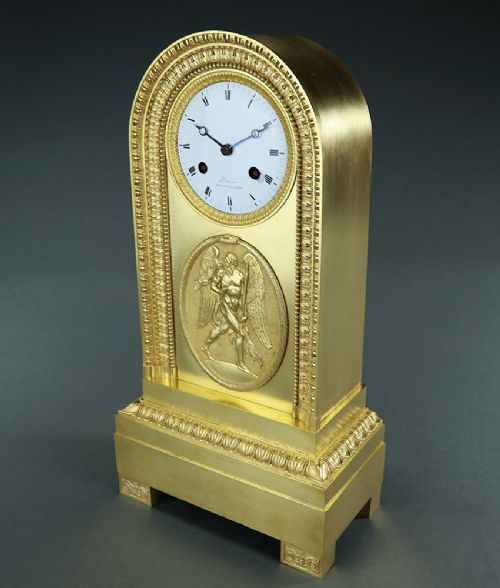
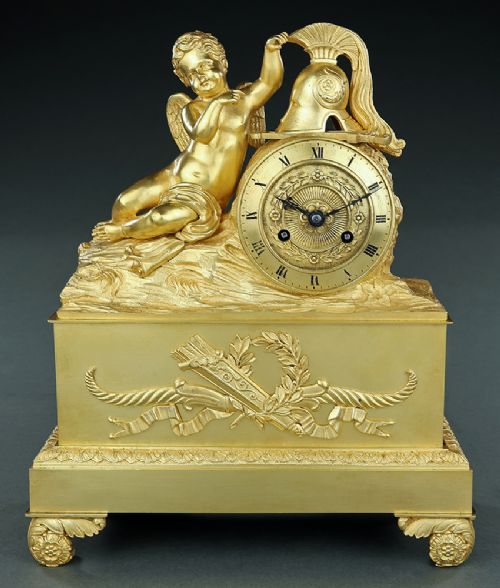
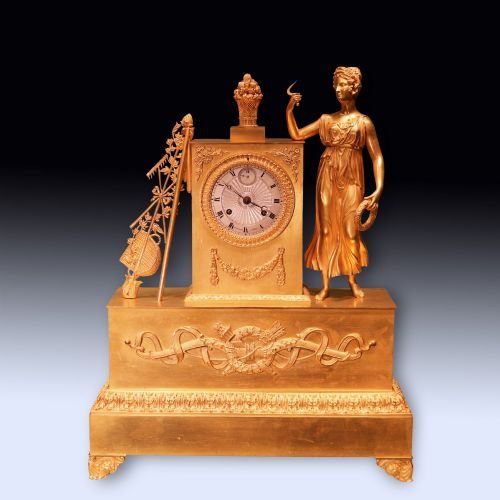
When you want a french empire gilt clock, you are looking at mantel timepieces and garnitures dominated by ormolu and patinated bronze.
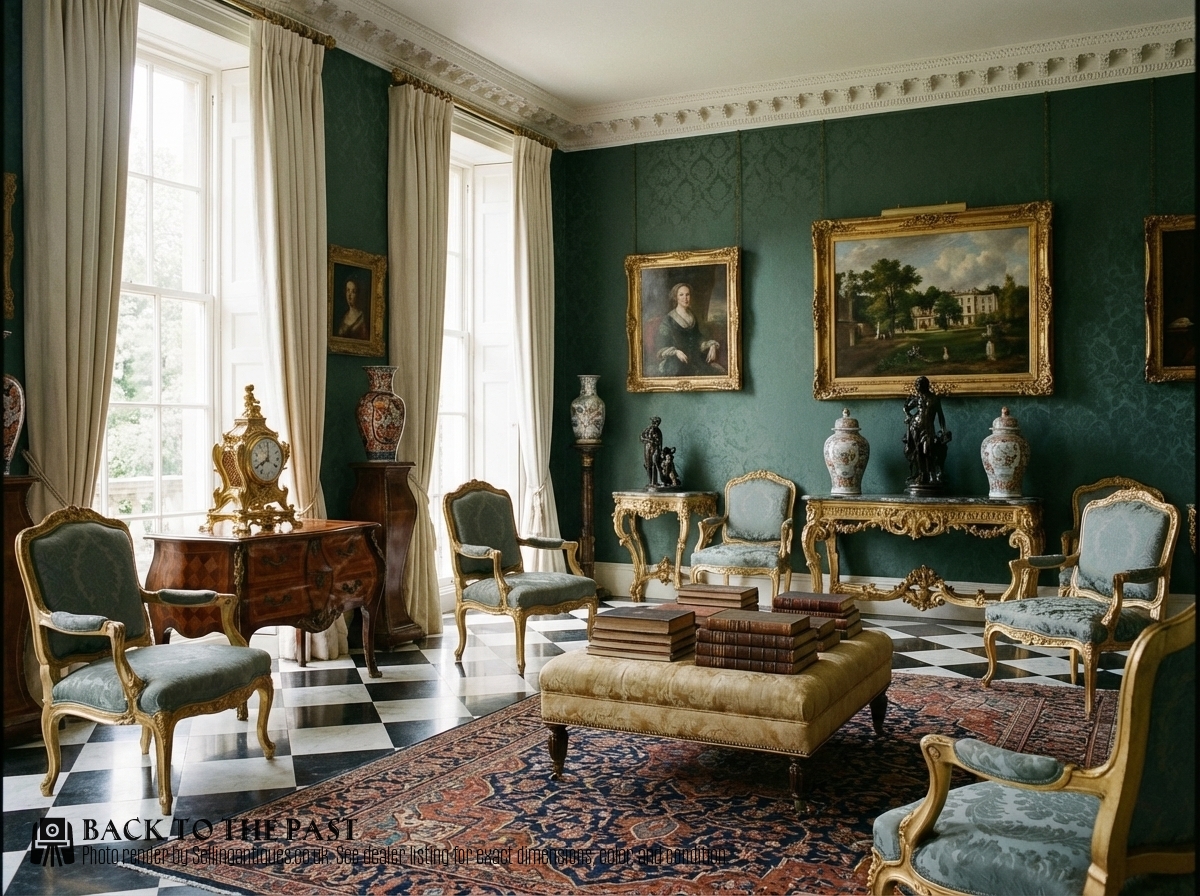
French Empire Gilt Clock
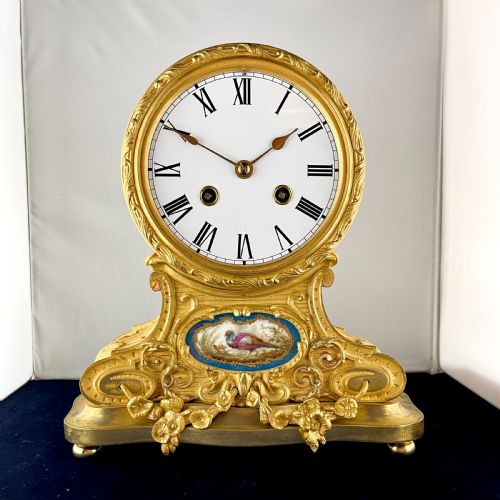
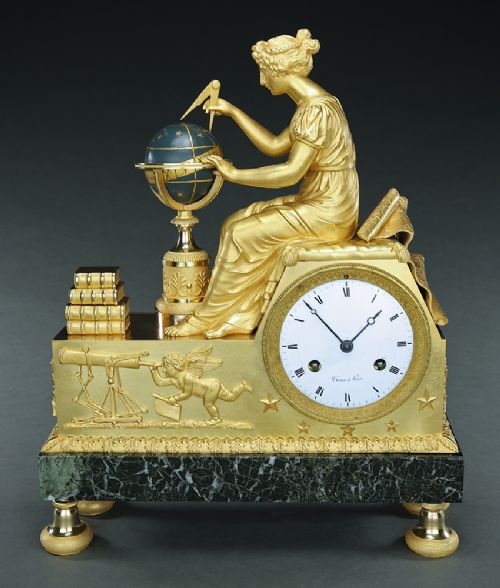
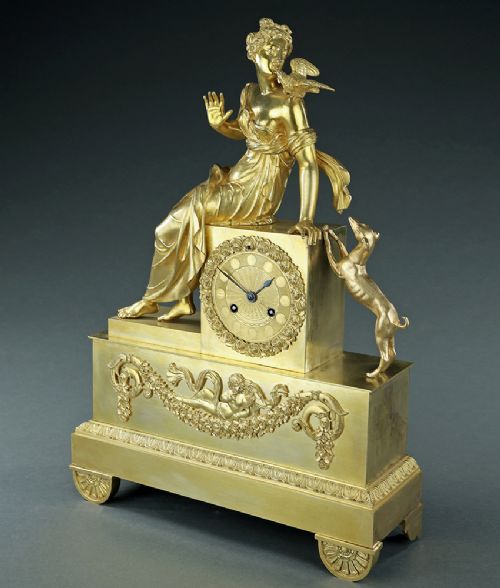
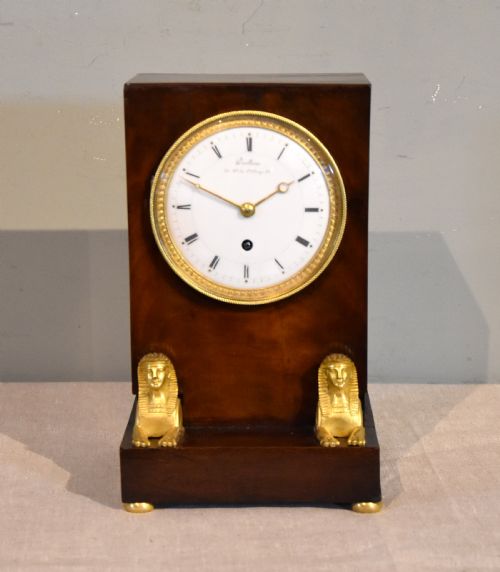
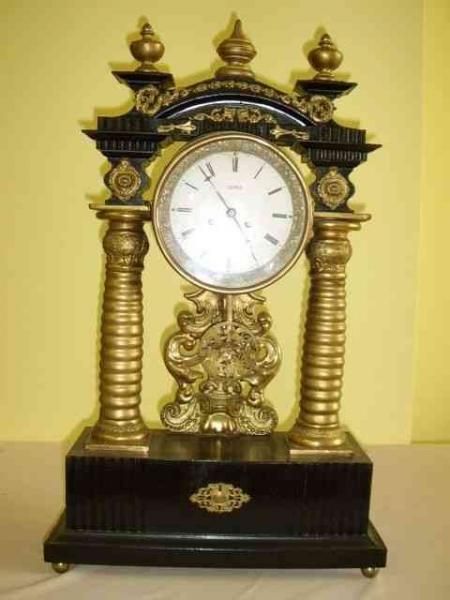
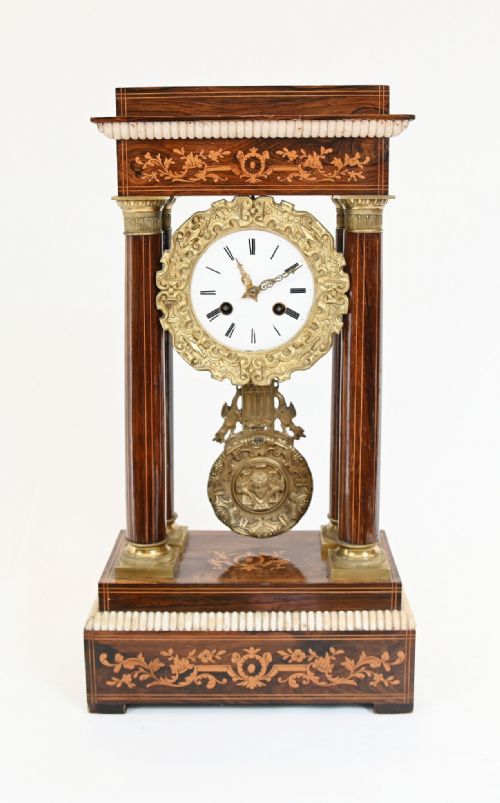
A french empire gilt clock brings together classical mythological themes, figural subjects like Love and Fidelity, and architectural portico forms originating from the 18th and 19th centuries. Buyers frequently encounter mantel clocks, drumhead timepieces, and grand portico clocks framed in marble, mahogany, and glass.
The objects span periods from the late 18th century through the Victorian era, encompassing Charles X, Louis XVI Revival, and French Second Empire styles. Examples range from simple timepieces housed in green or rouge marble to elaborate figural compositions depicting historical and allegorical scenes.
How They Were Made
Makers utilised cast ormolu and gilt bronze alongside patinated bronze to create striking contrasts in texture and colour, frequently mounting these metal elements upon white or coloured marble bases. Movement construction often involved silk suspension systems, fusee movements, and works produced by established French potteries and clockmakers.
Materials recorded on this page include ormolu, patinated bronze, white and coloured marble, mahogany, cut crystal, enamel, and porcelain.
What Varies in Quality
Complexity of movement and the presence of original components dictate the standing of a piece, alongside documented makers or retailers recorded on the dial and movement backplate. The quality of supplementary elements, such as matched candelabras in garniture sets or hand-painted porcelain panels, influences the overall distinction.
Japy Freres·Breguet·Siffel and Cartier·Canaillor of Paris·Berger Paris·Chappe Paris·Rodier
The French Empire Gilt Clock Glossary
- Ormolu
- Gilded bronze produced through a mercury amalgamation process, giving the metal a rich golden surface. It provides the characteristic bright highlights on classical clock mounts.
- Portico clock
- A mantel clock featuring a architectural frame with pillars or columns supporting a central elevated movement. These often incorporate cut crystal or mahogany.
- Garniture
- A set consisting of a central clock flanked by matching decorative objects such as candelabras or vases. They were designed to display together on a mantelpiece.
- Silk suspension
- A method of hanging the pendulum by a short loop of silk thread attached to an adjustable barrel. This delicate mechanism is typical of earlier 19th-century movements.
- Patinated bronze
- Bronze treated with chemical solutions to produce a dark, weathered, or greenish surface colour. It contrasts effectively against bright ormolu mountings.
French Empire Gilt Clock: Frequently Asked Questions
How do I wind my clock?
Most mechanical models require a key inserted into the dial to tension the spring barrels or lift the driving weights.
Care should be taken not to over-wind the mechanism, stopping as soon as resistance is felt.
What is a garniture set?
A garniture set comprises a mantel clock accompanied by matching decorative pieces, typically matching side candelabras or urns.
These sets were arranged symmetrically across a fireplace mantel in formal 19th-century interiors.
How do I identify a portico clock?
Portico clocks are recognised by their distinct architectural tower or temple silhouette, featuring vertical columns supporting a lintel.
The pendulum often swings visibly within the open central space between the pillars.
Where were these clocks made?
The vast majority of these pieces originated in French workshops and Parisian foundries during the 18th and 19th centuries.
Prominent makers and retailers often signed their names directly upon the enamel dials or brass movement plates.