


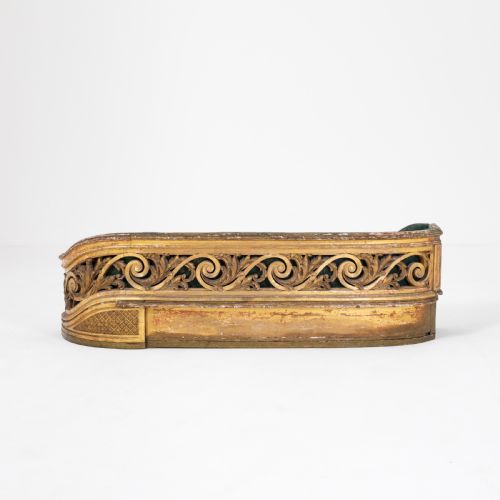


French Decorative Box
These french decorative box examples combine fine materials and period craftsmanship to hold small treasures on a dressing table or desk.
French Decorative Box
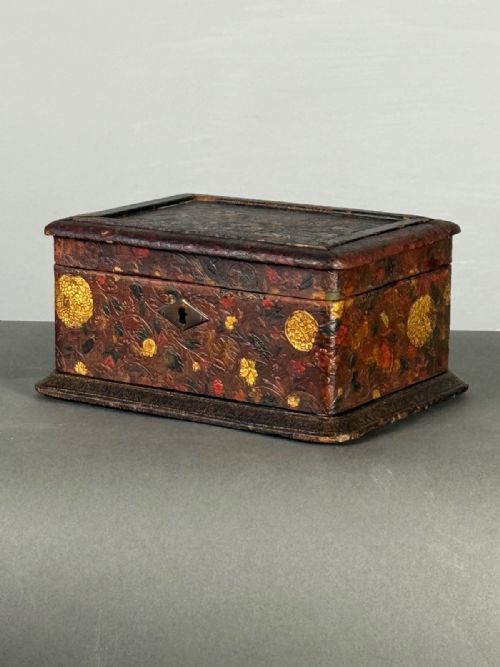
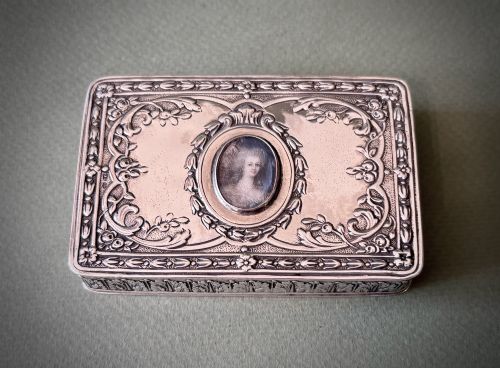
A french decorative box encompasses a varied group of containers designed for trinkets, snuff, tea, and jewellery across multiple centuries. Buyers searching this phrase encounter pieces ranging from simple paper and leather examples to elaborate inlaid wood and porcelain caskets.
The selections span the eighteenth, nineteenth, and early twentieth centuries, featuring distinct regional aesthetics such as Napoleon III, Rococo Revival, and French Provincial styles. Common forms include table boxes, tea caddies, snuff boxes, and small caskets intended for personal valuables.
Most items originate from French workshops and makers, utilising traditional cabinetmaking and decorative arts techniques. These objects served functional roles in period interiors while doubling as ornamental works of art.
Materials and Construction
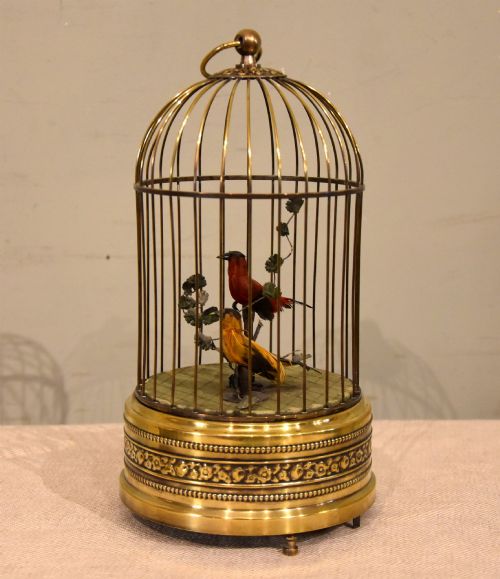
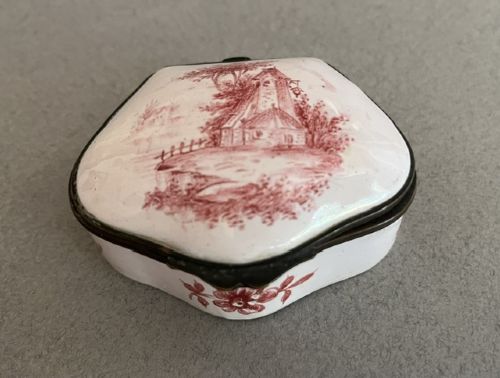
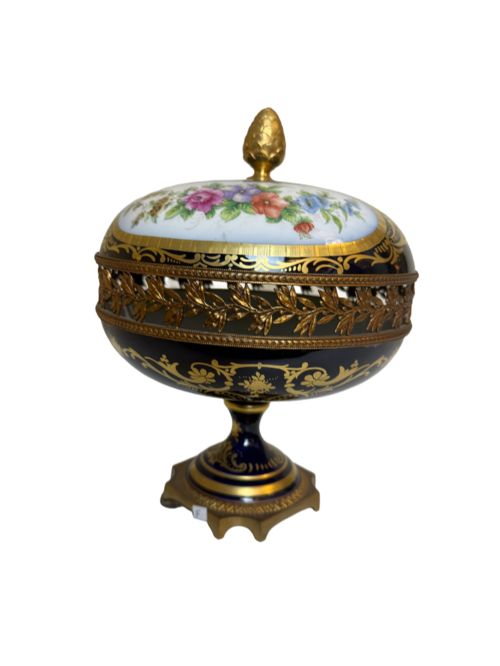
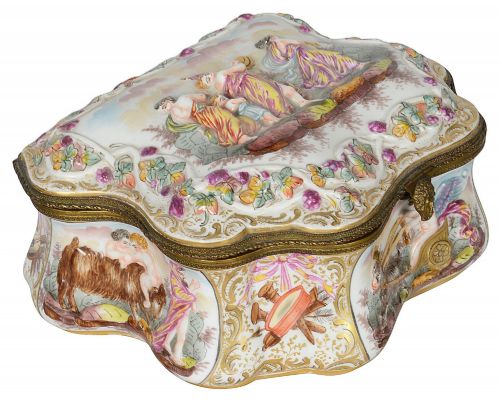
Metalwork and ceramics form another major category, displaying gilt brass, bronze, silver, champleve enamel, and Limoges porcelain. Skilled artisans combined these media with hand-painted polychrome details, pressed reliefs, and carved giltwood ornament.
Materials in these listings span brass, wood, metal, glass, porcelain, leather, tortoiseshell, and paper.
Quality and Craftsmanship
The distinction between standard pieces and the finest work lies in the precision of the joinery and the intricacy of the surface decoration. Superior examples display seamless parquetry or marquetry, finely chased metal mounts, and hand-painted artistry rather than mass-produced transfers.
Makers' marks and signatures elevate certain pieces, indicating output from established Parisian ateliers and prestigious houses. The preservation of original interior fittings, working locks with keys, and untouched patination distinguish the most desirable specimens.
SUSSE FRERES PARIS·Tahan of Paris·RENE LALIQUE·Daum France
The French Decorative Box Glossary
- Boulle
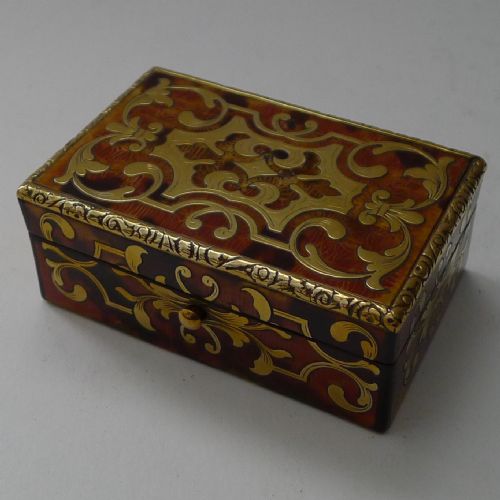
- An elaborate form of marquetry utilising brass and tortoiseshell inlaid in counterpoint patterns. It gained immense popularity in nineteenth-century French furniture and decorative boxes.
- Tea Caddy
- A small lidded container originally built to store loose tea leaves securely. Period examples often feature internal compartments and sugar bowls.
- Champleve Enamel
- A technique where troughs or cells are carved into a metal surface and filled with vitreous enamel before firing. This creates colourful decorative patterns across bronze and brass boxes.
- Pâte de Verre
- A glass-casting method where finely crushed glass is packed into a mould and fused in a kiln. It produces textured, translucent objects with subtle colour gradients.
- Snuff Box
- A small pocket-sized container fashioned to hold powdered tobacco. These items frequently incorporate precious metals, porcelain lids, or detailed carvings.
French Decorative Box: Frequently Asked Questions
What were french decorative boxes used for originally?
These containers served practical daily functions in period households, holding precious items such as jewellery, loose tea, snuff, and letters. Wealthy owners kept them on desks, dressing tables, and drawing-room surfaces to store small valuables securely.
Beyond simple storage, they acted as status symbols that demonstrated the owner's taste and refinement to visitors. The choice of material often reflected the specific contents, such as foil-lined tea caddies or velvet-lined jewellery caskets.
How can I tell a nineteenth-century box from a later copy?
Examine the construction methods, materials, and hardware used in the piece. Period boxes from the 1800s typically feature hand-cut dovetails, older screws or pins, and natural ageing patinas on woods and metals.
Modern reproductions often rely on machine-made uniformity, synthetic adhesives, or artificial distressing. Signatures from known Parisian makers or standard registry marks also help establish authentic nineteenth-century origins.
How do I care for antique wood and tortoiseshell boxes?
Keep these sensitive organic materials away from direct sunlight and extreme humidity fluctuations to prevent warping or cracking. Dust them gently with a dry, soft cloth without applying modern chemical polishes or sprays.
Tortoiseshell and exotic veneers require stable indoor climates to maintain their structural integrity. Professional wax can be applied sparingly to wood surfaces if the finish becomes dry over time.
What is boulle work on a decorative box?
Boulle work is a distinctive inlay technique developed in France that pairs dark tortoiseshell with polished brass. Artisans cut intricate floral or geometric patterns from sheets of both materials simultaneously to create contrasting positive and negative designs.
This ornate decoration appeared frequently on nineteenth-century table boxes and writing caskets. Pieces featuring well-preserved boulle work reflect high levels of specialist craftsmanship from Parisian workshops.