







French Crystal Bowl
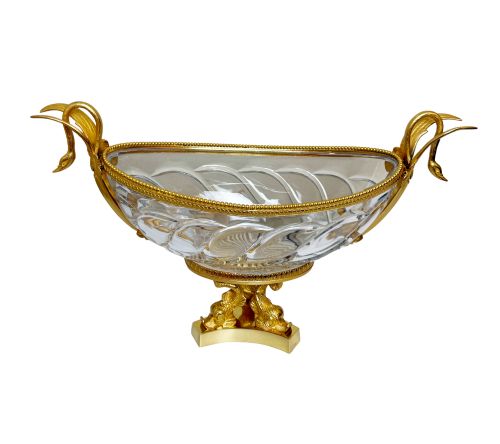
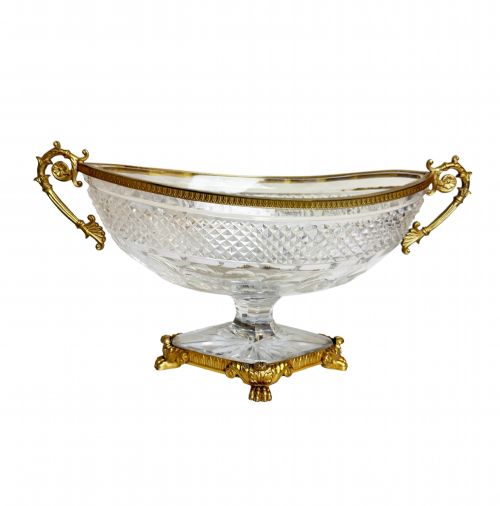
These french crystal bowl examples combine heavy cast metal mounts with refractive glass, offering a substantial decorative presence for a table or sideboard.
French Crystal Bowl
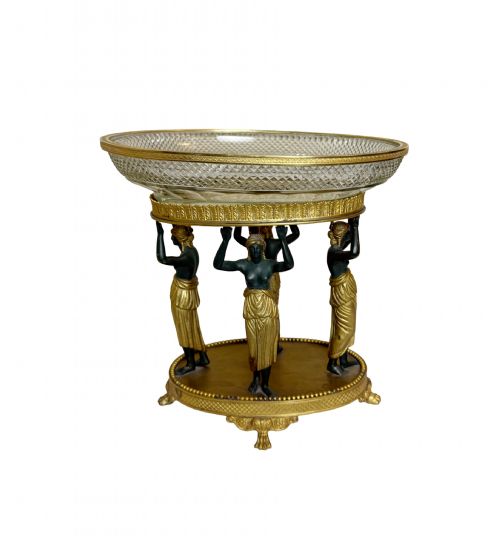
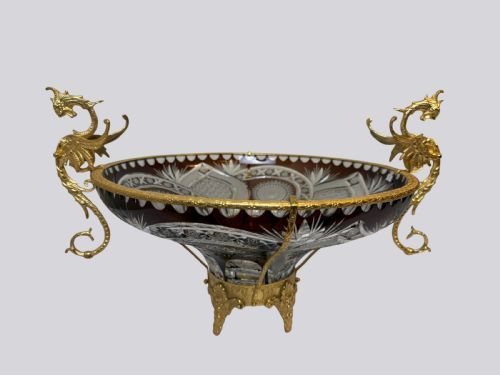
A french crystal bowl typically manifests as a substantial centrepiece or decorative vessel combining moulded or cut glass with metal mounts in styles ranging from nineteenth century empire to art deco. Buyers seeking these items will find pieces spanning the victorian era through the early decades of the twentieth century, often featuring footed bases or elaborate frames.
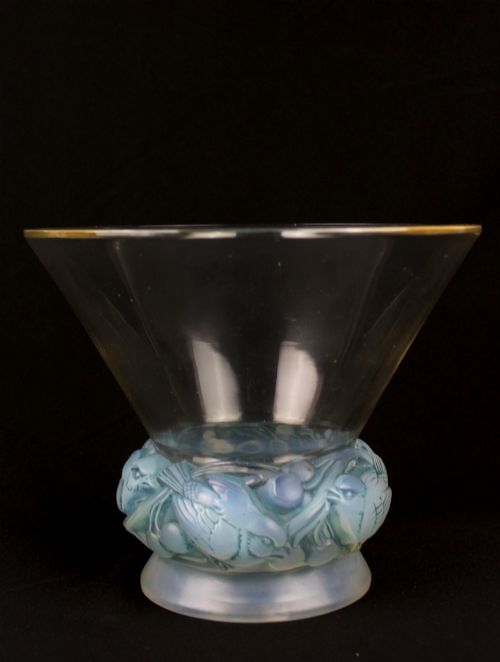
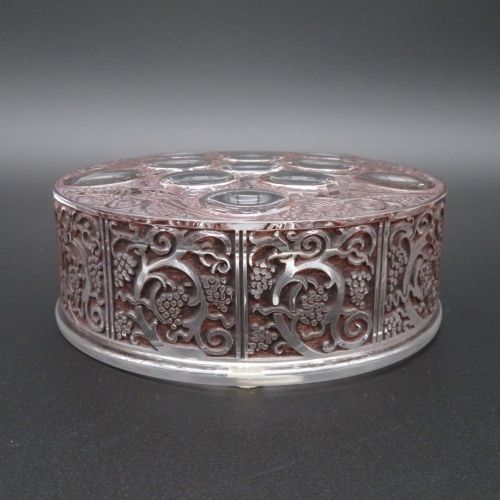
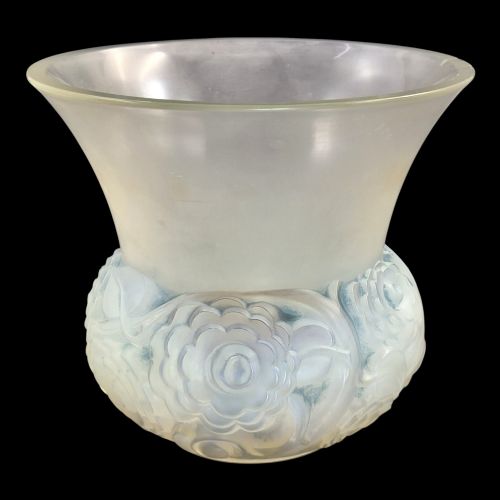
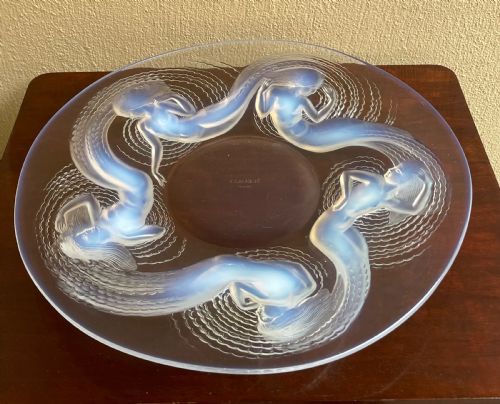
The selection frequently includes heavy centrepieces supported by gilt bronze, ormolu, or silvered bronze, alongside works by notable makers utilising opalescent or frosted glass. Forms vary from low serving dishes and powder boxes to large footed bowls intended as table focal points.
Originating predominantly from French workshops and glassworks, these objects reflect distinct shifts in design from rococo revival and empire taste towards organic art nouveau curves and geometric art deco lines. The pieces serve primarily as decorative display items or functional vessels for grand interiors.
Indicators of Quality and Execution
Quality in these pieces is dictated by the clarity and weight of the crystal and the crispness of the metal casting. Superior examples demonstrate deep, clean wheel-cutting or refined opalescence in the glass paired with finely chased bronze mounts that retain their original gilding.
The integration between the glass vessel and its metal frame reveals the standard of manufacture. Finer pieces exhibit seamless fits without stress on the glass, whereas lesser examples show crude casting seams or simplified mounts lacking hand-chasing detail.
French Crystal Bowl Retail Price Guide 2026
Typical asking prices for french crystal bowl among the pieces listed under this phrase on Sellingantiques today, from the lower quarter to the upper quarter. They describe what is for sale here now, not the wider market.
Several pieces incorporate cast cherubs clinging to the rims, apparently determined to keep the fruit from rolling away.
Lalique·Daum France·St Louis glassworks·Baccarat·Christofle et Cie·François-Eugène Rousseau
The French Crystal Bowl Glossary
- Ormolu
- Gilded bronze used extensively for mounts and decorative frames on nineteenth-century pieces. The technique involves applying a mercury and gold amalgam to a bronze base before firing.
- Centrepiece
- A large decorative vessel or stand placed in the middle of a dining table or sideboard. These items often feature elaborate metal stands supporting heavy crystal bowls.
- Opalescent glass
- Glass containing agents that create a milky, translucent appearance with shifting blue and amber tones under light. This technique became prominent in twentieth-century French production.
- Jardiniere
- A decorative bowl or stand designed to hold plants or floral arrangements. In this context, it refers to heavy glass vessels fitted with metal bases or rims.
- Pâte de verre
- A glass-casting method where finely crushed glass is mixed with a binder and fired in a kiln. This technique produces dense, textured objects with rich colour saturation.
French Crystal Bowl: Frequently Asked Questions
How do I clean a crystal bowl with bronze mounts?
Clean the crystal body using lukewarm water and a mild detergent, taking care to avoid harsh abrasives that scratch the surface.
Keep moisture away from any gilt bronze or ormolu mounts, wiping them gently with a dry microfiber cloth to preserve the finish.
Are these bowls safe for serving food?
Many older pieces are intended strictly for decorative display rather than culinary use due to the composition of the glass and age-related wear.
Items featuring heavy metal mounts, enamel decoration, or delicate opalescent surfaces should be reserved for dry use or visual presentation.
How can I tell an art deco piece from a victorian one?
Victorian and nineteenth-century pieces typically lean towards ornate ornamentation, heavy cutting, and classical revival styles like empire and rococo.
Art deco examples from the twentieth century favour clean geometric lines, stylised motifs, and matte or opalescent finishes without excessive surface clutter.
What is the purpose of the metal frame?
The metal mounts provide structural support and a decorative base for heavy glass vessels that might otherwise be prone to tipping.
They also elevate the bowl to create a more prominent visual presence on a dining table or grand sideboard.