



French Crest Top Mirror
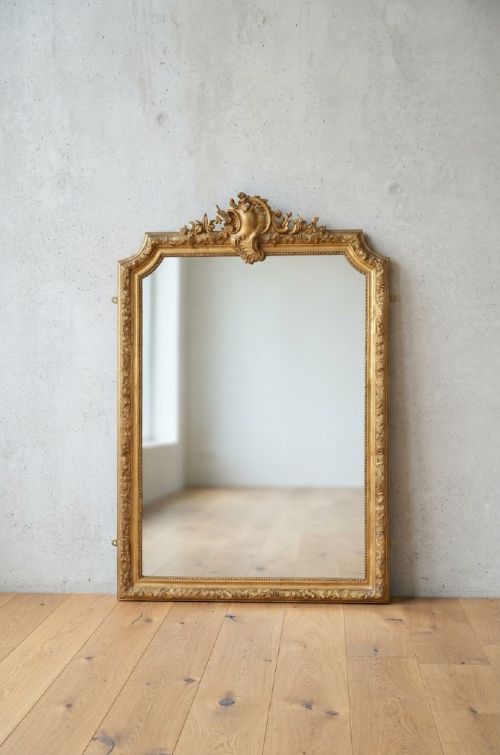
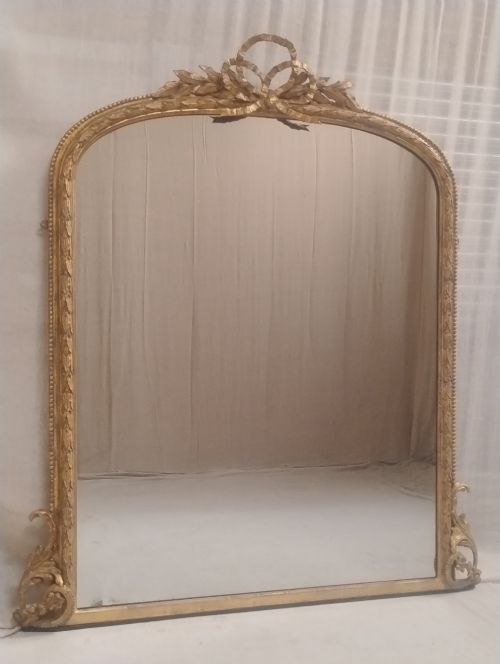
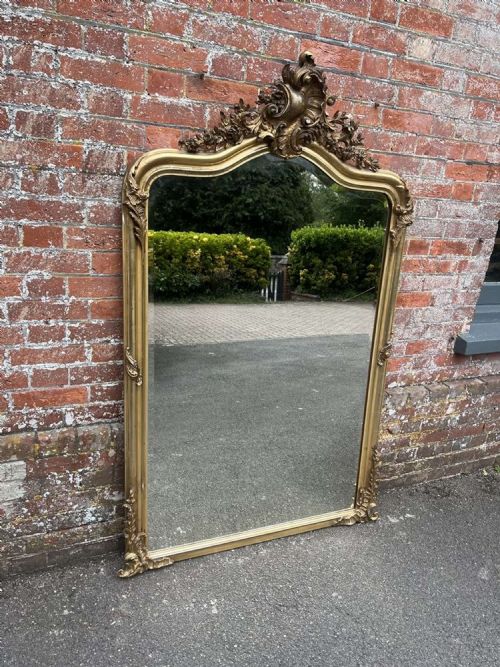
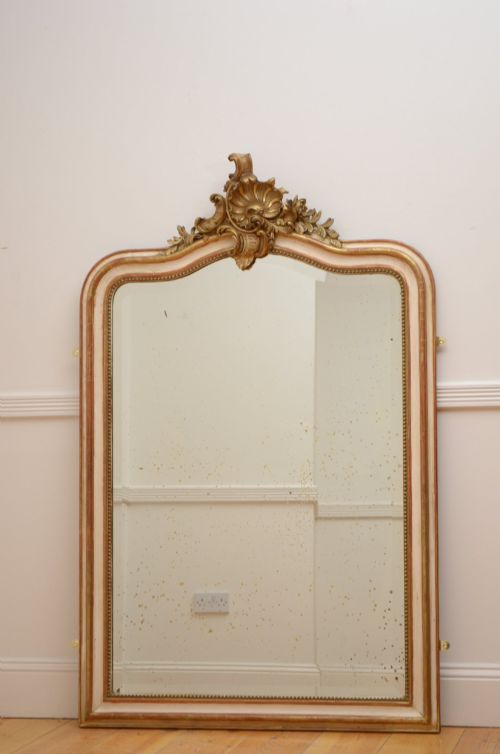
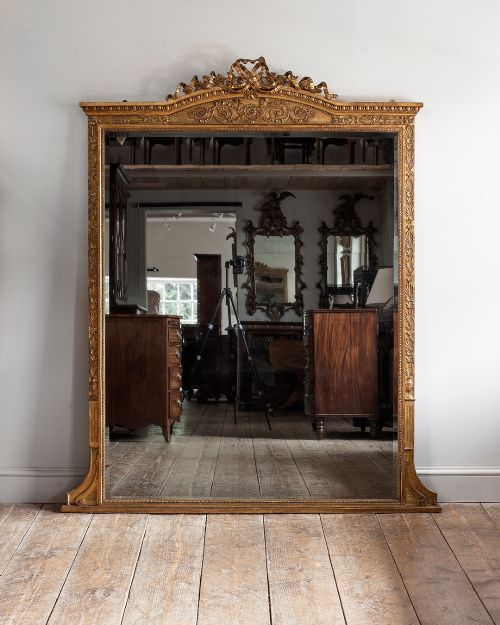
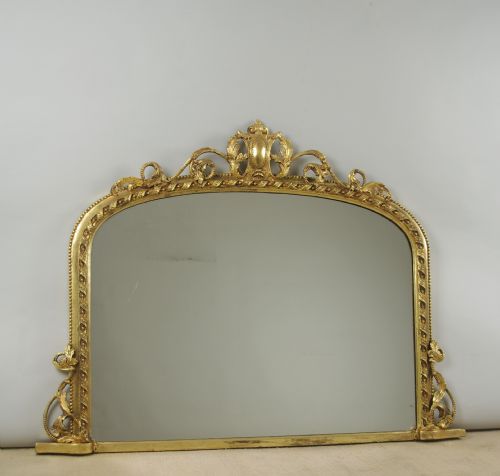
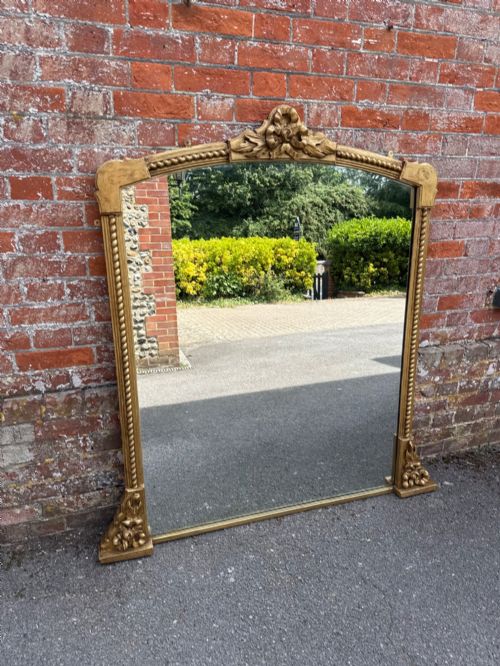
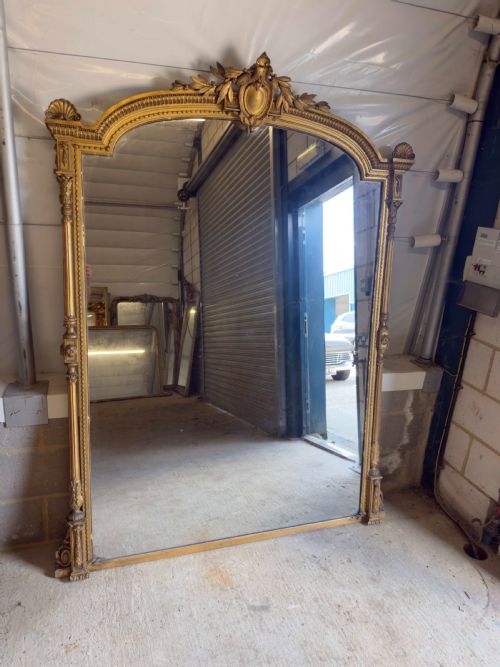
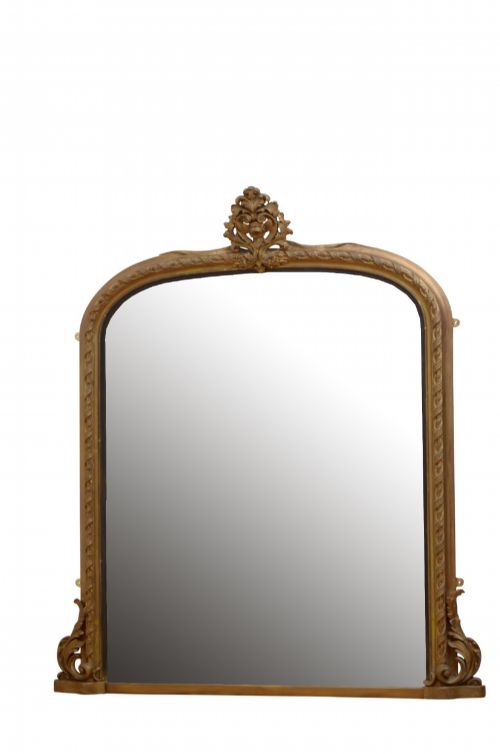
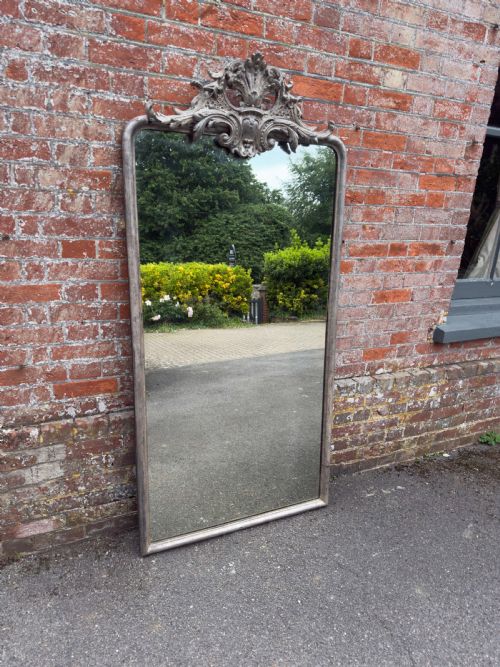
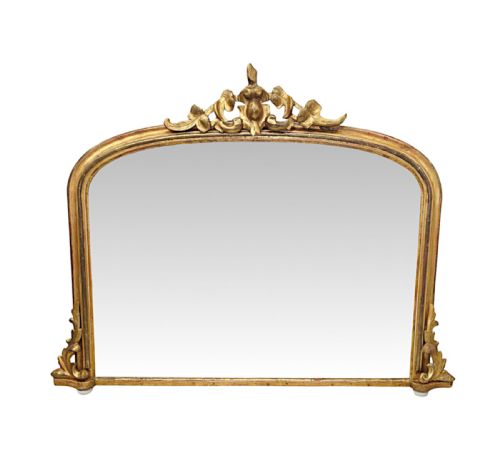
When you search for a french crest top mirror, you are looking at substantial nineteenth-century overmantel and wall glasses defined by ornate architectural pediments.
French Crest Top Mirror
A french crest top mirror is primarily encountered as a large nineteenth-century overmantel or wall glass, designed to hang above a fireplace or dominate a principal reception room. These pieces span periods from the mid-nineteenth century through to the early twentieth century, drawing on French Chateau, Louis Philippe, and Rococo Revival styles.
The most common formats on this page feature arched or shaped crests, often surmounted by central cartouches, shell motifs, or elaborate carved woodwork. While the majority originate from the nineteenth century, variations include Victorian adaptations and later twentieth-century interpretations in classical silvered or gilt finishes.
How they were made
Carved wood frames form the structural foundation, layered with gesso to build up intricate relief details such as rope twists, foliate scrolls, and crest ornaments. Artisans then applied gold leaf or silver leaf over the prepared surfaces, or utilised paint finishes to achieve distressed or solid colour effects.
Mirrored glass is set within these heavy wooden rebates, often retaining its original silvering or showing age-appropriate foxing. Joinery relies on traditional carpentry techniques suited to large-scale wall furniture, accommodating the significant weight of the timber and glass assembly.
Materials recorded across the inventory include original gold leaf, silver leaf, paint finishes, and birds-eye maple.
What varies in quality
The distinction between tiers rests upon the depth and crispness of the hand-carved ornamentation on the crest and frame. Superior examples display sharply defined motifs like cartouches and shells modelled directly in the gesso and wood, whereas lesser pieces rely on softer, shallower moulding.
Originality of surface finish dictates the desirability of an item, with intact gold leaf or silver leaf holding more character than later repainting. The integrity of the original mirrored plate and the structural stability of the heavy wooden carcass further separate ordinary examples from exceptional ones.
The French Crest Top Mirror Glossary
- Gesso
- A plaster-like mixture applied to wooden frame foundations to create a smooth surface for gilding or painting. This material is built up in layers before being carved or stamped with intricate decorative motifs.
- Giltwood
- Timber that has been coated with a thin layer of gold leaf. It is a defining finish for formal nineteenth-century mirrors.
- Overmantel mirror
- A large horizontal or vertical glass specifically scaled to hang on the wall directly above a fireplace mantelpiece. They frequently feature architectural arches and prominent crests.
- Cartouche
- An ornamental tablet or oval frame design resembling a rolled-up scroll, frequently placed at the apex of a mirror crest. It serves as a focal point for classical ornamentation.
- Girandole
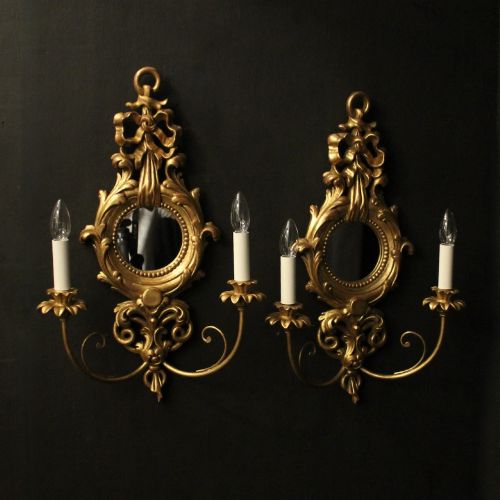
- A branched wall sconce or candleholder attached directly to the mirror frame. These fixtures combine functional lighting with reflective glass.
French Crest Top Mirror: Frequently Asked Questions
Where should I hang a large crest top mirror?
These pieces traditionally anchor a room when positioned centrally above a fireplace mantelpiece, where their height draws the eye upward. They also function effectively on principal living room walls to reflect natural light and create a sense of expanded space.
Ensure the chosen wall structure can support substantial weight, as nineteenth-century wooden frames and glass plates are exceptionally heavy. Professional wall fixings suited to lath-and-plaster or masonry are essential for secure installation.
How do I care for antique gilt and gesso frames?
Dust the carved wooden elements gently with a soft, dry brush to prevent accumulation in the recesses of the gesso relief. Avoid using commercial liquid cleaners, water, or chemical polishes, which can strip fragile gold leaf or damage aged paint surfaces.
Keep the mirror away from direct sunlight and sources of excessive moisture or heat to prevent the wood from warping and the gesso from cracking. Gentle handling preserves the original patina built up over generations.
What is foxing on antique mirror glass?
Foxing refers to the small brown spots, speckles, and clouding that develop on antique mirror plates as the silvering backing degrades over time. This chemical reaction occurs when moisture seeps behind the glass through the decades.
Many collectors view foxing as a desirable sign of authenticity rather than a fault, as it confirms the age of the glass. It imparts a soft, mottled reflection distinct from modern, flawless mirror plates.
How do I distinguish French styles from Victorian ones?
French styles like Louis Philippe and Rococo Revival tend to feature restrained, elegant arched profiles, flowing floral carvings, and prominent crest cartouches. Victorian interpretations often incorporate heavier architectural moulding, rope twists, and bolder symmetrical proportions.
Examining the construction methods, wood types, and underlying gesso preparation helps clarify the regional origin of the workshop. Both traditions produced substantial decorative glasses, but their decorative vocabularies reflect distinct nineteenth-century tastes.